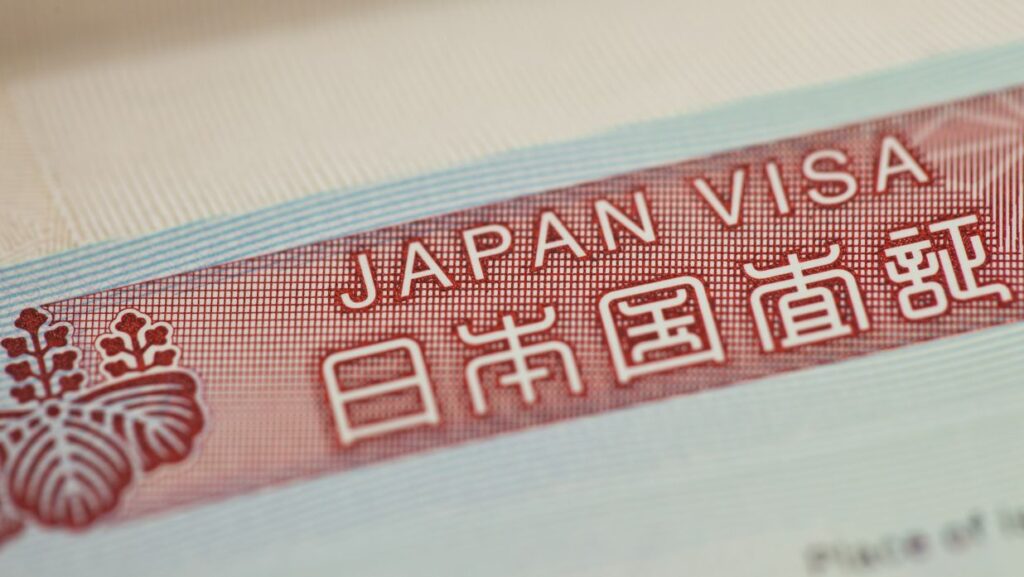
Good news! Starting from March 2024, Japan is going to introduce the Digital Nomad visa. This visa is perfect for those who think the Tourist visa isn’t enough to experience all that Japan has to offer, but don’t want to settle in Japan for more than half a year.
Curious about this Digital Nomad visa in Japan? We got you covered! We have all the information you need about this visa in our blog. From the requirements, the documents you need to prepare, and how to apply for this visa, we have summed it all up for you!
Coto Academy is a Japanese language school located in Tokyo and Yokohama. With its small class sizes and flexible course schedule, we ensure the students find their community here in Japan and learn practical and useful daily-lifeJapanese by focusing on conversational practice.
We have also prepared a guidebook on everything that you need to know before & after coming to Japan, such as detailed information about the visa, one-day trip plan recommendations, information about life in Japan, and more! Check out the full table of contents below:
Before Coming to Japan
After Coming to Japan
Visa Application Checklist
One-Day Trip Plans
About Japan’s Digital Nomad Visa
Life in Japan
Tax Obligations for Digital Nomads in Japan
Work-Life in Japan
Ultimate Pre-Travel Checklist
Entertainment in Japan
Airport Run Through
Bonus Information
Know the Essentials Japanese Cultures
And the best part of it all is that you can download our guidebook for free by simply joining our mailing list. Enter your email address below and get your free guidebook now!
This blog article is an extract from our Ebook “Being A Digital Nomad in Japan Ultimate Guide.” To read the full content, you can simply download our free ebook at the end of this article!
Want to experience living in Japan to work remotely for a few months, but a 3-month tourist visa is not enough, and finding a job in Japan seems like a hassle. Don’t worry! Japan is introducing a Digital Nomad Visa, perfect for remote workers and digital nomads — people who work remotely while only staying in any one place for the short or midterm worldwide. This visa makes moving to and working in Japan easier by eliminating the stress of getting a job offer first, offering a unique chance to mix work with experiencing Japan’s culture.
Details About Digital Nomad Visa
To legally work remotely and live in Japan, you can apply for the Digital Nomad Visa issued in March 2024. With this visa, visitors can stay up to 6 months, longer than the usual 90 days provided by the regular tourist visa. Besides experiencing the Japanese culture and lifestyle, this visa allows you to bring dependents, such as your legally married spouse and children, under the same visa. For this visa, however, it cannot be renewed and must be reapplied for by leaving the country after the 6 months period.
Requirements To Apply for The Digital Nomad Visa
Employment Status: Applicants should work remotely as an employee, freelancer, or business owner for a company registered outside of Japan.
Income Requirement: A minimum annual income of at least 10 million Japanese Yen (approximately 68,000 USD) is required.
Nationality Requirement: The visa is available to individuals holding a passport from countries with visa-free entry and double taxation agreements with Japan. This includes the USA, Canada, New Zealand, Singapore, and nations within the European Union in 49 countries and territories.
Health Insurance Requirement: You must hold private health insurance because such visa holders are not eligible to obtain a residence card or a residence certificate, preventing them from accessing certain government benefits. This applies to your dependent as well.
Important Documents Required to Apply For The Digital Nomad Visa
Valid passport with at least six months of validity and two blank pages
Passport-size photos taken within the last six months
Proof of remote work (e.g., employment contract, employment letter, or client invoices)
Proof of earnings with income statements indicating earnings over 68,000 USD from non-Japanese entities (e.g., bank statements or tax returns)
Proof of health insurance with documents indicating you and your family (if applicable) are insured under a private health insurance company
For the digital nomads, here is some information about paying taxes in Japan.
Residency Status and Tax Liability: Japan divides residents into “non-permanent” and “permanent” for taxes. If you are a non-permanent resident, you only pay taxes on your income made in Japan and sent to Japan. As for permanent residents, they pay taxes on all their income, no matter where it comes from.
Earned Income in Japan: Money earned by working with Japanese companies or within Japan is taxable.
Double Taxation Agreements (DTAs): There is an agreement established between Japan and other countries to prevent an individual from getting taxed twice.
We also recommend looking at Digital Nomad Taxes for more related information.
What If You Are Not Eligible For The Digital Nomad Visa?
There are a few options out there that you should consider!
Tourist Visa: Various countries are eligible for visa-free entry for up to 90 days
Working Visas: There are a few types, such as Engineer, Specialist in Humanities, or International Services, Intra-Company Transferee, Skilled Labor, Startup Visa in Japan, Business Manager Visa, Highly-Skilled Professional, and more! Read this for more information.
Non-Working Visa: This visa allows you to work under limited hours weekly. This includes student visas, trainee visas, dependent visas, and more. Read this for more information.
Student Visa: This is a non-working visa. It allows you to work under limited hours, as mentioned above. Want to apply for one? Coto School Finder is here to help. Click the button below to learn more about it.
Apply for private health insurance; make sure your health insurance covers your stay in Japan.
Enjoy Japan; take the chance to work and explore! Japan also has fast internet and suitable workspaces if you are looking for places to work.
Learn Japanese! Knowing a bit of the Japanese language can significantly help you during your stay here. At Coto, we provide several classes and different locations for you to start your Japanese learning journey. For example, part-time classes would suit your busy schedule, as it provides flexibility. Lite-intensive courses are for those with more bandwidth to study Japanese here in Japan. We also offer online courses for those who want to learn Japanese before coming to Japan or study Japanese remotely, even when they arrive in Japan! Check out more of the classes we offer here.
Absolutely! You can explore Japan’s cities, countryside, and everything in between.
Do I need to pay taxes in Japan?
The answer varies; depending on your income sources and residential status in Japan, you may need to pay taxes.
Can I learn Japanese quickly?
Basic Japanese can significantly improve your stay. Consider taking Japanese lessons online or using language apps. Coto also offers a range of Japanese courses that may suit your needs. Check here.
How to become a Digital Nomad in Japan?
We answer all the questions related to the obtaining of a Digital Nomad Visa in our eBook, just below.
Explore other types of visas in Japan in our series:
Are you looking to become a digital nomad in Japan? Do you want to explore the world’s third-largest economy while having access to incredible technology, culture, and cuisine? Working remotely can be a great way of experiencing all that Japan has to offer. In this blog post, we’ll show you how it’s done by providing tips on preparation and creating successful strategies for living & working as a digital nomad in Japan. Whether you’re just getting started or have been wanting to make your international dreams come true for years, these actionable steps will give you the insight necessary for making an informed decision about life in Japan!
What is a Digital Nomad and What are Examples of Work They do?
Different from an office worker, a digital nomad is far more flexible | Photo by Bench Accounting on Unsplash
A digital nomad is a person who uses technology to work remotely while having the freedom to travel and explore. They have a location-independent lifestyle and just need reliable internet and a device to work. One example of a digital nomad’s work is freelance writing. With just a laptop and Wi-Fi connection, one can write articles, blog posts, and social media content for clients based anywhere in the world. Digital Nomads can also be teachers, SEO specialists, web designers, and virtual assistants who manage social media campaigns, email marketing campaigns, create graphics, and analyze data without ever stepping foot in an office.
The possibilities are endless for those who choose to live the digital nomad lifestyle. But have you heard of digital nomads in Japan?
How Many Digital Nomads are in Japan?
It’s hard to find an exact number on how many digital nomads are in Japan. Official numbers might be hard to track because the Japanese government does not offer a digital nomad visa. However, no need to fret! There are a few visa options for digital nomads, so keep reading to find out what they are.
Does Japan Offer a Digital Nomad Visa?
Unfortunately, the concept of a digital nomad is still uncommon in Japan | Photo by Persnickety Prints on Unsplash
Regrettably, as of 2023, Japan hasn’t rolled out the red carpet with a dedicated digital nomad visa. It seems the concept of sipping sake under Sakura while typing away on your laptop hasn’t quite caught on with the Japanese government yet. But not all hope is lost!
Word on the street (and by “street”, we mean credible news outlets) is that Japan is contemplating a special visa for globe-trotting remote workers. No one really knows when it will be available.
While we wait for this digital nomad visa to materialize, there are other options to explore. After all, experiencing Japan isn’t just about cherry blossoms and bullet trains; it’s also about finding ways to navigate the complex maze of bureaucracy to get things done.
Alternative Visa Options for Digital Nomads
As far as short-term options, Japan offers a 90-day visa to tourists from various countries. If this option is not accessible or ideal for you, another option could be a work visa if you’re eligible and want to stay longer than 90 days.
Types of Work Visas
Fret not, there are still other visa options! | Photo by mana5280 on Unsplash
If you do white-collar work that’s not tech-related, the most suitable visa for you may be the Engineer/Specialist in Humanities/International Studies Visa. This visa is typically for technicians and white-collar professionals, so it covers a broad range of foreigners in Japan. Some job titles included under this visa are English teacher, Interpreter, Designer, Salesperson, and Business Manager.
The Engineering Visa and the Highly Skilled Professional Visa (HSPV) in Japan are both designed for foreign professionals to work in the country, but they have some key differences in terms of eligibility, benefits, and restrictions.
The Engineering Visa is specifically for those who plan to engage in services that require skills or knowledge pertinent to physical science, engineering, or other natural science fields. This visa category is often used by software engineers and other tech professionals. The primary advantage of this visa is that it’s not tied to a specific employer, meaning you can change jobs without needing to alter your visa status.
If you are aiming for an even longer stay, HSPV might be the best fit for you! | Photo by Hunters Race on Unsplash
On the other hand, the Highly Skilled Professional Visa is a more exclusive category. It’s issued through a point-based system to foreigners who meet certain criteria like having an annual income of at least 3 million yen. Points are given based on factors like academic background, professional experience, salary, age, and language proficiency. Further, the HSPV is connected to the company you work for. However, the HSPV has several advantages over the Engineering Visa. For instance, it allows for a longer duration of stay, easier procedures for inviting relatives, permission for the spouse to work, and the possibility of permanent residency. Furthermore, the HSPV even allows for an indefinite stay as long as the scope of work falls under the designated categories. Note that you generally need at least a Bachelor’s degree to be approved for these visas.
So, the main difference boils down to this: the Engineering Visa is more job-specific and offers greater flexibility with employment, while the HSPV is more exclusive, offers broader benefits, and can potentially lead to permanent residency in Japan.
If you still don’t feel like these visa options are suitable for you, there is one more type of visa that could be a possibility. It’s a working holiday visa.
The Working Holiday Visa
For the Digital Nomad, this could be your way to continue your Journey in Japan. | Photo by Peggy Anke on Unsplash
The Working Holiday Visa in Japan is a special type of visa that allows young people from certain countries to live and work in Japan for up to one year. The primary purpose of the visit should be to holiday in Japan, but visa holders are allowed to work part-time to supplement their travel funds.
Applicants must be citizens of countries that have a mutual agreement with Japan for the Working Holiday Programs. This includes countries such as Canada, Australia, New Zealand, and the United Kingdom among many others.
There are some limitations to this visa as well. One is the age restriction, with the minimum being 18 and the maximum being 30 years of age. For some countries, the maximum is younger than that. Secondly, you cannot work at places like bars, clubs, and gambling establishments.
You can read more information on the official Ministry of Foreign Affairs site and in this Coto blog article from February 2023. Application procedures can usually be on the aforementioned site or on websites of the Embassies or Consulates-General of Japan in your country/region.
Lastly, you need to prove you have sufficient funds. This differs from country to country, and I don’t believe the government gives any exact figures. To get an idea, your best bet may be to search on Google and in forums like Reddit.
Finding Affordable Housing that Fits Your Needs
Another part you should consider is housing as a Digital Nomad. | Photo by Chang Duong on Unsplash
As a digital nomad, finding the perfect place to live can be a challenge. If you’re looking to settle down in Japan, it’s important to consider your needs and lifestyle. Do you need a quiet space to work or do you prefer a more communal living situation? Are you looking for a minimalist apartment or a more spacious room to store your gear? Luckily, Japan offers a wide range of housing options. But the process can be bureaucratic and tedious. For a stay of 90 days or less, you can do a search for Sakura House, Tokyo Vacation House, or Tokhouse among others. For help finding affordable housing in Tokyo and Yokohama, check out this article. We also have three cheat sheets of Japanese vocabulary and expressions related to apartment hunting. You can find the first cheat sheet here.
Conversely, seeing as much of Japan as possible may be your objective, in which case AirBnB would be worth checking out. Traveling around Japan as a digital nomad is an adventure that blends the wonders of ancient traditions with the excitement of modern technology. The country’s unique blend of history and innovation creates an environment that is both stimulating and inspiring, making it an ideal destination for those who work remotely and crave cultural immersion.
However, no matter if you decide to stay in one place or move around, Japan is a country in which learning some of the language and a little about the culture go a long way.
The Benefits of Learning Japanese in Japan
Having some skill in Japanese might help you in your Digital Nomad journey| Photo by Leio McLaren on Unsplash
To many visitors’ surprise, Japan is still very much a country where most people do not speak English. So learning Japanese while living or working in Japan as a digital nomad can offer numerous benefits:
Enhanced Communication: Understanding Japanese will allow you to communicate more effectively with colleagues, clients, and local residents. This can lead to better working relationships, friendships, and a more fulfilling social life.
Networking: In the same vein as the first point, speaking Japanese can help you build relationships with people outside of your immediate circle, providing opportunities for networking as well as personal and professional growth.
Professional Opportunities: Many places of work prefer employees who can speak Japanese. This even goes with the IT industry, which is more progressive in certain aspects as compared to some others. Being able to understand the language can make you stand out and open up more job opportunities.
Cultural Understanding: From reading historical signs at sites at museums to listening to stories being told by knowledgeable Japanese nationals, learning Japanese can help you better understand and appreciate the country’s rich history and culture. This can enhance your overall experience in Japan.
Independence and Confidence: Being able to navigate daily activities such as shopping, dining, paying bills, or using public transportation without assistance can increase your independence and confidence.
Personal Fulfillment: Learning a new language and accomplishing some or all of the aforementioned points can be a rewarding personal achievement.
Learning Japanese in Japan is particularly special due to the total immersion aspect—you’re completely surrounded by the language and culture here. Now you may be asking how or where can you learn Japanese? Well, one popular option once you touch down in Japan is a Japanese language academy. There are a lot of Japanese Language Academies to choose from. Of course, we would recommend you check out the classes we have to offer at Coto Academy!
Why Study with Coto Academy?
At Coto Academy, we focus on communicative skills and Japanese that’s actually useful in everyday interactions. Some classes even take you out to use your Japanese in authentic environments.
We offer one-on-one courses in addition to group lessons, virtual lessons, and cultural courses. We have two brick-and-mortar locations. The original school is in Iidabashi, and the newest location is a stone’s throw from the famous Shibuya Scramble! That means you can have Japanese class and then hop on over to Udagawacho with your friends and practice using the Japanese you’ve learned. We are very active on social media platforms like TikTok and IG, where we post fun language tips and entertainment. Coto Academy even has a comedy show every once in a while that teachers and students can come to watch or sign up to perform in!
Conclusion
Do you think Japan suits the digital nomad life? | Photo by Content Pixie on Unsplash
In conclusion, Japan offers a unique and enriching experience for digital nomads. Whether you’re navigating the neon-lit streets of Tokyo or finding inspiration in the serene landscapes of rural areas, it’s an unparalleled opportunity for personal and professional growth. Although Japan doesn’t have a specific digital nomad visa, several other visas are available that can facilitate a short or long-term stay in the country. As you prepare to embark on your digital nomad journey here, thoughtful planning and strategic decision-making will be your keys to success. Embrace the adventure, let Japan inspire your work and life, and remember that Coto Academy is here to support your journey through language and culture support!
Whether you’re interested in exploring the country’s rich cultural heritage, indulging in its delicious cuisine, or simply soaking up the local way of life, you’ll find that Japan has something to offer to everyone. Thanks to Japan’s Working Holiday Visa program, you can have a taste of what’s living and working in Japan like without needing to commit to a full-time job, join a university course, or have a visa sponsor.
Every year, over 15,000 people come to Japan as part of the country’s Working Holiday Visa program. This program represents a dream come true for many young people interested in discovering a different and vibrant culture, whether it be exploring Tokyo or experiencing the quiet serenity of the Japanese countryside.
If you want to come to Japan on a Working Holiday Visa, this article will guide you on the main things you need to know to get this visa, including the requirements you need to fulfill, as well as useful information on how to find a job, housing, and other key essentials to start your life in Japan.
Want to live and study in Japan? Starting a new life in Japan often begins with learning the language. If you’re thinking about studying Japanese in Japan, let Coto School Finder support you every step of the way — from your first inquiry all the way through your visa application, completely free! Contact our team to get started.
What’s a Working Holiday Visa in Japan?
Let’s start with some basics—according to the Ministry of Foreign Affairs of Japan, the Working Holiday Visa is “intended to make it possible for the youth of Japan and its partner countries/regions to enter each country/region primarily for the purpose of spending holidays while allowing them to engage in employment as an incidental activity of their holidays for the purpose of supplementing their travel funds.”
The main keyword here is incidental activity and supplementing travel funds. In other words, while you can engage in paid activities while in the country, the main purpose of this visa is for you to explore the country and enjoy its culture. A working holiday in Japan is designed for foreigners who want to have fun in Japan while they do part-time or freelance to supplement their day-to-day expenses.
Working holiday programs are bilateral agreements Japan made with specific countries, in which Japanese people can work in that country under the same visa type, too. The Working Holiday Program was first launched in 1980, with Australia being the first country to benefit from it. As of 2023, the program has been expanded to 26 countries and regions. Every year, about 15,000 individuals benefit from it, according to Japan’s Foreign Ministry.
Am I Eligible for a Working Holiday Visa in Japan?
The Working Holiday Visa allows you to work in Japan during the duration of your visa to supplement your travels in the country. You don’t need a sponsor to apply and can do it directly from your home country. However, you can only apply if you have a passport from one of the 26 listed countries that take part in this program.
As of 2023, here is the updated list, as divulged by the Foreign Ministry of Japan:
Australia
New Zealand
Canada
Denmark
France
Germany
Ireland
New Zealand
Norway
South Korea
United Kingdom
Hong Kong SAR
Taiwan
Portugal
Poland
Slovakia
Austria
Hungary
Spain
Argentina
Chile
Iceland
Czech
Lithuania
Sweden
Estonia
Also, there are a few other preconditions. First, you must be between 18 and 30 years of age, both inclusive, at the visa application time. For Australia, Canada, and the Republic of Korea, an applicant should be between 18 and 25 years of age, except in those cases where the competent authorities of Japan agree to extend the age limitation to 30 years. If you are from Iceland, you can only apply between 18 and 26 years of age.
You can’t come accompanied by children or other dependents. This means you can’t sponsor your spouse or family to come to Japan.
Next, you must present a return travel ticket or sufficient funds to purchase such a ticket. The other thing would be needing to prove to have enough funds to support your stay in the country.
Finally, the last one might sound obvious, but you have to be in good health.
How to Apply for a Working Holiday Visa in Japan?
To apply, you need to directly contact the Embassy or Japan’s Consulate in your country. In most cases, you must apply in person from your country of citizenship. Even though, there are some differences between countries, here is some basic documentation that you need to prepare:
A copy of your passport.
A completed Visa Application form was obtained from Japan’s Embassy in your country.
Flight details and proposed itinerary/schedule in Japan.
A statement of purpose.
Proof of good health and proof of funds.
Your updated resume.
Do I Need a Job to Go to Japan?
No, you don’t need to have a job before applying for this visa—you can start finding employment once arrive in Japan. Keep in mind, however, that you are “strictly prohibited from working at bars, cabarets, nightclubs, gambling establishments, and other premises affecting public morals in Japan,” according to the Foreign Ministry. If you happen to be found engaging in such activities, you could be deported back to your home country, so, better to follow the rules.
The good news is besides these prohibited occupations, you are pretty much free to engage in all other types of jobs, which gives you great flexibility to follow your goals and build up your CV while working in Japan. Also, there’s no limit to the number of hours you can work, and you can choose to work part-time or even full-time in Japan.
What You Can Do in Japan During Working Holidays
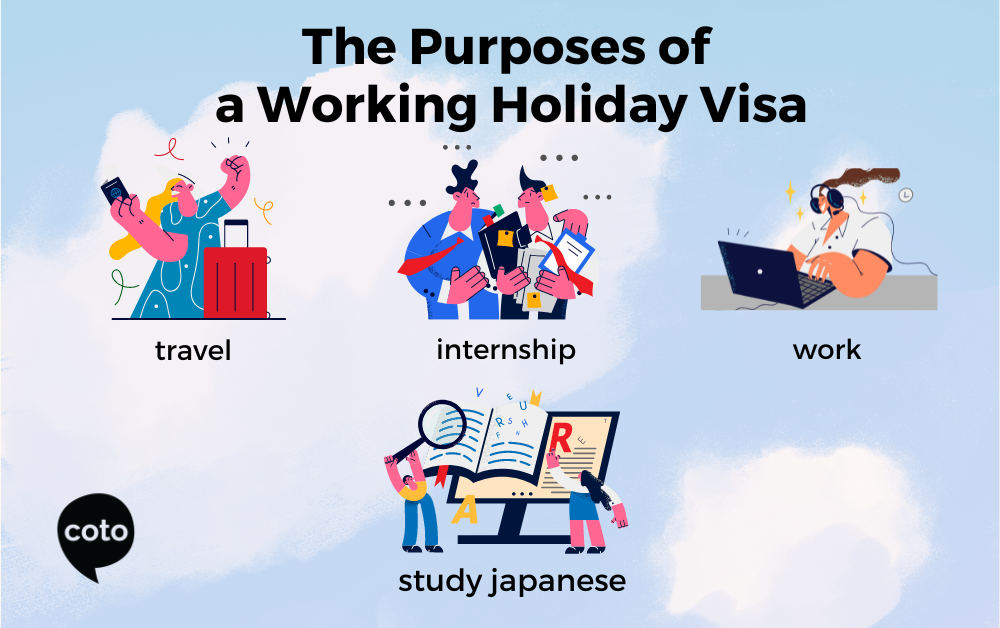
The Purposes of a Working Holiday Visa
The purpose of a Working Holiday visa is for you to have a great time in Japan while doing some side hustle to support this. While applying for this visa, you will need to provide an outline of your intended activities. This should be detailed enough for you to show that you’re truly intending on exploring Japan — visiting onsen towns, skiing in Hokkaido, or sightseeing in Okinawa.
At the same time, you can make it vague enough to allow for flexibility in your travel plans. You don’t need to show a rundown of your day-to-day schedule!
1. Travel Around Japan
The main purpose of this visa is technically still traveling, so do travel as much as you can and as your budget allows! After all, Japan has plenty to offer, from North to South.
2. Work!
Most people come to Japan under a Working Holiday visa so they could both work and travel with relative ease. There is no limit on how many hours or days per week or how many months you can work on a Working Holiday Visa in Japan, so you can technically work full-time in Japan.
3. Internship
If you are interested in pursuing an internship in Japan, it’s important to research different programs and companies, as well as prepare your application materials, such as a strong resume and cover letter. With dedication and effort, an internship in Japan can be a truly rewarding experience. A lot of big, international companies in Japan have amazing internship programs.
4. Study Japanese
Studying Japanese is the ultimate way to fully immerse yourself in the vibrant culture of Japan! Not only will it help you communicate with the locals and make the most of your working holiday, but it’ll also open doors to exciting new experiences and adventures.
If you are only visiting Tokyo for a few months, it may be hard to find a language school to study Japanese with due to rigid start and finish dates
Coto Academy is the perfect place for foreigners who want to come to Japan on a working holiday visa to learn the language and culture of this fascinating country. You will not only improve your language skills but will also gain a deeper understanding of the customs and traditions of Japan, making your experience in the country more enriching and enjoyable.
How Long Can I Stay in Japan Under a Working Holiday Visa?
All Working Holiday Visas in Japan are up to one year. Citizens of Australia, Canada, and New Zealand must, however, extend their visas after six months.
In principle, you cannot review your Working Holiday Visa after one year. However, you could apply to change your visa into a working visa given certain conditions. The final decision will ultimately depend on the Japanese Immigration Bureau. It’s not uncommon for many foreigners to upstart their Japanese life under a Holiday Working visa to then change to another type of visa, such as a working visa or other types.
For more information, it is better to consult with the local immigration office once in Japan.
Life in Japan with a Working Holiday Visa
Accommodation in Japan
Finding a place to rent in Japan can be challenging, especially if you are new to the country and don’t have a local support system. Yet, there are several options available to those living in Japan on a Working Holiday Visa.
One popular option is to use a real estate agency, which can help you find a suitable apartment or house based on your needs and budget. Another option is looking for a place through online listings, such as Suumo or Craigslist. Finding housing through local contacts, such as friends, acquaintances, or language exchange partners, is also possible.
To simplify your house-hunting experience, share houses are probably your best option. Besides that, there are great short-term accommodations that are both foreign and English-friendly.
Mobile Number and Bank Account
Besides housing and a job, there are a few other essential things you need to solve to start your new Japanese life well. You probably need a local phone number, an Internet connection, a Japanese bank account, and a public transportation card.
Getting a phone and internet connection in Japan is relatively straightforward. Besides the major mobile phone companies such as NTT Docomo, Au, and SoftBank, there are also newer firms such as Rakuten Mobile and Line Mobile, which offer cheaper plans. Check the different options to find the one that suits you better.
You can sign up for a plan online or in person at the store, and most companies will require a Japanese address and proof of identity. It’s important to carefully consider your needs and budget before choosing a plan, as some companies may charge extra for international roaming or data usage.
Opening a bank account in Japan is another critical step, as it will allow you to manage your finances and, most importantly, get paid in the country in local currency. Mitsubishi UFJ, Sumitomo Mitsui, and Mizuho are among the major Japanese banks, although other financial institutions such as SBI Shinsei Bank are popular among foreigners for being more expedited in their processes.
Once again, you need to check different options to find the one that fits you better
Transportation
Getting your Suica Card or Pasmo Card, Japan’s main prepaid cards that allow you to pay for your subway, buses, trains, and even groceries at most konbini around the country (and coffees at Starbucks) is perhaps the most straightforward process.
To obtain one of those cards, simply go to a subway or train station and look for the ticket vending machine. Find the Suica or Pasmo option on the ticket machine’s menu, and select it. Choose the amount of money you wish to load, with a minimum of 2,000 yen, insert the cash, and wait for the card to be delivered to you almost instantly.
If you are wondering about the differences between the Suica and the Pasmo, or wish to know more about other available public transportation cards, this article can help you out. Spoiler—the main difference between Suica and Pasmo is that they are provided and managed by different companies, yet they are quite equal in terms of coverage.
Staying in Japan After a Working Holiday Visa
So you have obtained your Working Holiday visa. You might find yourself enjoying your life in Japan and starting to wonder if you can stay in Japan to settle here. Would this be possible?
The short answer is yes! The Working Holiday visa is not intended for long-term stays. In fact, it’s designed for people who “intend to leave Japan at the end of their stay.”
However, you can continue living in Japan after your visa expires by changing your visa status. Converting to a working visa (such as a humanities visa) is a possible and very common case among foreigners.
You will have to find a company that is willing to sponsor you. The good news is that this might be easier because of the added convenience of already living in Japan. If you’re already working for a company, either part-time or full-time, it’s good to communicate your desire to continue working under a sponsored working visa at least 2-3 months before your Working Holiday visa expires.
If you haven’t worked yet, you might be wondering how to find a good job in Japan. Japan’s local labor market can be broadly divided into two main categories: The mid-career job market, and the fresh graduate job market. Understanding this difference can be essential to define your job-hunting strategy.
To look for a job in Japan, you can try different online portals for job hunting, or attend one of the many job fairs in different cities. Here are a few English-language boards where you can find several job openings.
LinkedIn
Daijob
Jobs in Japan
Work Japan
Japandev
Tokyodev
Those who feel confident with their Japanese level can also try to explore Japanese-only online job boards.
Job fairs are other good options. Among them, I recommend the CFN Tokyo Career Forum, held in June and December, and the Daijob Career Fair, held in February, March, and July. Last but not least, you can also try to rely on a recruiting agency. These agencies are usually free of charge for the job seeker, although recruiters are primarily active in the mid-career job market.
What’s so great about the Working Holiday visa if you’re eligible is that it offers more flexibility. You can get a full-time job along the way, learn Japanese, or stick to traveling around the country when you want. While this isn’t for everyone — particularly those who want to come to Japan with more stability and support — it’s certainly the perfect option if you’re looking for an adventure!
Want to start a new life in Japan? Let Coto help you!
Whether you’re aiming to build a career in Japan or enroll in a top university, the journey often begins by enrolling in a Japanese language school.
If you’re planning to come to Japan, let the team at Coto School Finder handle your visa application and help you find the perfect school. Partnering with nearly 20 of Japan’s top language schools, we’ll match you with the right program, assist with your student visa application, and ensure your admission process is smooth and hassle-free! If you are ready, get the full support you need and contact us today!
A working holiday visa is a special visa for young people between the age of 18 and 30 (25 in the case of some countries), to stay in Japan for up to one year.
Can you work part-time or full time in Japan under a working holiday visa?
There is no limit on how many hours or days per week or how many months you can work on a Working Holiday Visa in Japan, so you can technically work full-time in Japan.
Can you extend your working holiday visa?
The Working Holiday visa is not intended for long-term stays and is only designed for a stay of up to one year. However, you can continue living in Japan after your visa expires by changing your visa status. Converting to a working visa (such as a humanities visa) is a possible and very common case among foreigners.
Explore other types of visas in Japan in our series:
Congratulations! You have found the partner whom you want to spend the rest of your life with and have decided to get married in Japan. Except, how do you do that? Does one of you need to be a Japanese national? How is marriage recognized in Japanese law?
While marriage is a symbol of the special bond you and your partner share, it also serves as the official way for the Japanese government to legally recognize your union. If you’re a foreigner navigating Japan’s bureaucracy, taking this step might feel overwhelming. Fortunately, getting legally married in Japan is actually one of the more straightforward procedures.
In this guide, we’ll walk you through the entire process, from who can get married to what documents you’ll need to officially say “I do”.
Who can get married in Japan?
In Japan, marriage is primarily regulated by the Japanese Civil Code, and the rules depend on nationality, age, and legal status.
The general rule in Japan is that anyone aged 18 or older can legally get married. This change came into effect in 2022, when the Civil Code was revised. Previously, the minimum marriage age was 18 for men and 16 for women, but it has now been standardized to 18 for all genders.
There are a few things to note, of course. First of all, bigamy is illegal, and you cannot marry a close relative or an immediate family member. Suppose you are marrying in Japan as a foreigner or marrying a foreigner. In that case, that person must provide a Certificate of No Impediment — proof that they are legally free to marry — issued by their home country’s embassy.
Another unusual yet real restriction in Japan’s civil code is that women are not allowed to remarry within 100 days of their divorce. Although this rule may seem outdated, it was originally introduced to address concerns about paternity. In the past, the waiting period was six months, intended to prevent confusion about a child’s biological father if a woman was already pregnant and remarried immediately after divorce.
However, due to human rights concerns, Japan revised its civil code in 2016. Women can now remarry immediately after divorce if they submit a doctor’s note confirming they are not pregnant. The same revision also shortened the waiting period from six months to the current 100 days.
Thankfully, international marriage is becoming increasingly common in Japan, especially as more international residents move here as expats. Couples can legally marry in Japan through the Japanese civil registration system—not through a church or ceremonial wedding. The couple must register the marriage at their local city or ward office. Once registered, the marriage is legally recognized in Japan.
Can a same-sex couple get married in Japan?
Unfortunately, same sex marriage is still not officially recognized in Japan. However, this doesn’t mean that there hasn’t been progress. Different municipalities, including all of Tokyo, do grant some form of recognition for same sex partnerships called the Partnership System, or 同性パートナーシップ制度 (dousei paatonaashippu seido).
This partnership does allow some benefits, such as hospital visit rights or for housing matters. However, this recognition is not equal to the actual Marriage Recognition certificate since it is not legally binding and doesn’t provide any of the same legal benefits. Same-sex couples in Japan may still face challenges when renting an apartment or applying for housing loans, as they are not legally recognized as a family under national law.
But do know there are significant steps being made towards greater equality for marriage rights for all people.
Can foreigners get married in Japan?
Yes, foreigners can legally get married in Japan—even if both partners are non-Japanese. Unlike places such as the United States, which often require a special fiancé(e) visa or pre-approval to marry, Japan allows foreign couples to marry through its civil registration system. You don’t need to be a resident of Japan, and there’s no minimum number of days you must be in the country before registering your marriage.
Even if both parties are foreign nationals, as long as both are permitted to marry in their own country and are not already married, you can get legally married in Japan. But foreigners do have to obtain certain additional documents, such as the Certificate of No Impediment, 婚姻要件具備証明書 (kon in youken gubi shoumei sho).
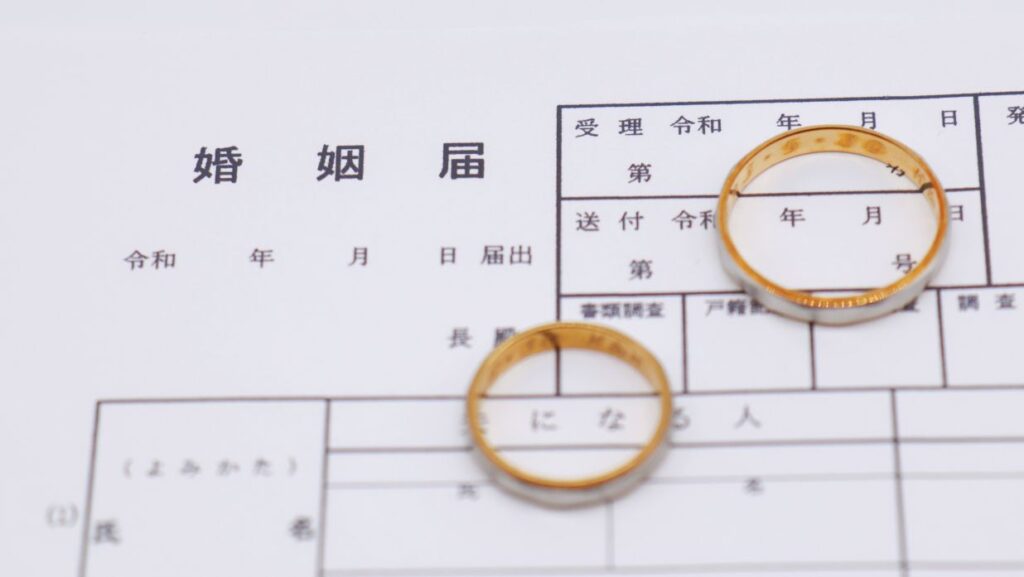
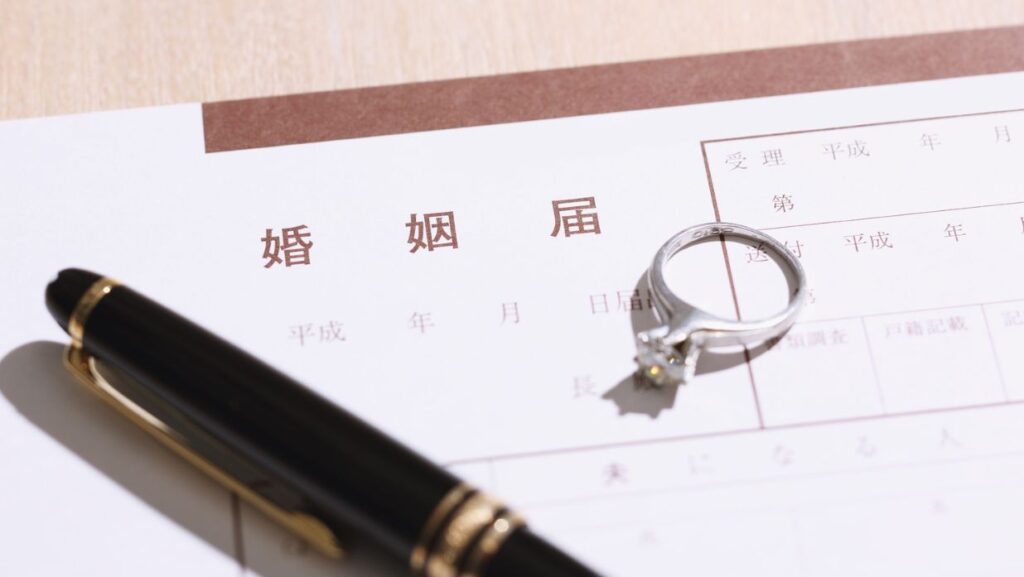
However, you do not need a Japanese visa or residency to get legally married. A tourist on a temporary visitor visa (or visa-free entry) can legally marry in Japan. At least one partner must be able to complete the marriage registration (kon’in todoke / 婚姻届) at a Japanese city or ward office — usually the Japanese partner, or a foreigner who speaks Japanese or has support. You do not need to be in Japan for a minimum number of days to marry
One small note: If you are in Japan on a tourist visa, some city offices may ask how you would like to fill out the address field on the marriage registration form. In most cases, simply writing “overseas” or your country name will be sufficient, but it’s best to check with the local municipal office in advance.
After your marriage is officially registered, you’ll receive a Certificate of Acceptance of Marriage (婚姻届受理証明書). You should also report your marriage to your home country if you want it to be legally recognized there. Each country has its own requirements for this, so check with your embassy or local government office to understand what’s needed.
If getting married whilst a tourist, check how the municipal office would like you to fill out the address field on the konin todoke – they may just require ‘overseas’ rather than a specific address or, indeed, a specific country.
What does getting married in Japan allow?
So what does marriage allow in Japan? Once your marriage is legally registered in Japan, you receive several legal benefits, some could include:
Eligibility for spousal visa if one partner is a foreign national and the other is either a Japanese Citizen or a Permanent Resident
Inheritance rights,
Joint tax filings and certain tax deductions
National health insurance as a dependent and the ability to register as a spouse on legal documents or residence certificates (住民票)
Japan does not automatically change nationality through marriage, but as mentioned above, legally registering your marriage allows your partner to be eligible for visas such as the spousal visa if the other is a citizen or a permanent resident. If one partner has a work visa, the other can also apply for a dependent visa to live in Japan together. However, this visa generally doesn’t allow full-time work.
Now, let’s finally break down the step-by-step process for getting married in Japan. The process is actually quite simple, since for the most part, you just have to provide the required documents.
1. Obtain a “No Impediment To Marry” certificate
Also called 婚姻要件具備証明書 (kon in youken gubi shoumei sho), which is issued by your home country’s Japanese embassy, this document essentially proves there is nothing that would impede the marriage and that the applicant is permitted to marry.
This document is only required by a foreigner who is getting married in Japan. This document can be obtained from your country’s embassy or consulate and typically costs around 5,500 JPY. However, fees may vary, so please check with your embassy or consulate for the exact amount.
2. Fill out and submit and “Marriage Registration” 婚姻届 (Kon-In Todoke)
You’ll need to complete your marriage registration form at your local city hall or ward office. The form requires signatures from two witnesses. They can either sign it on the spot at city hall or you can have them sign it in advance by printing the form online.
If you’re hoping for a specific or memorable wedding anniversary date, keep in mind: the date your marriage is registered on that form will become your official date of marriage!
Tip: You can fill out the form on the same day at city hall. However, because the two witness signatures are required, it’s a good idea to ask them to sign in advance. That way, you’ll only need to complete your part when you arrive.
3. Provide all necessary identification documents
This can include residence cards, passports, and any other proof of identification. For foreign nationals, you will need to submit an official birth certificate (not a copy) and a Japanese translation. Japanese nationals do not need to provide their birth certificate.
4. Submit Proof of Family Registration: Koseki Touhon (戸籍謄本)
For Japanese nationals, you may need to submit a “Proof of Family Registration” or 戸籍謄本 (koseki Touhon). This document might be required if your fiancé is Japanese and was born in a different municipality from where they’re getting married.
If this is one of your first times going to a city or ward office, read our survival guide on visiting a kuyakusho 区役所.
What to do after submitting your documents for marriage
After you have submitted all the documents needed, your local office will process your submission and ensure everything is in order to legally register the marriage. Once your marriage is accepted, you will either receive one of the following:
1. Certificate of Acceptance for Notification of Marriage: Kekkon todoke juri shoumeisho (婚姻届受理証明書)
This document just proves your marriage was registered at your local office and displays basic information of the applicants such as names, birthdates, nationalities, and date of registration.
2. Certification of Information Recorded on Marriage Registration: Kekkon todoke kisai jiko shoumeisho (結婚届記載事項証明書)
This document can also serve as your proof of marriage in Japan in case the other certificate isn’t sufficient. So, we recommend you request a copy since it’s not automatically issued to you.
How much does it cost to get married in Japan?
Getting legally married in Japan might be cheaper than you think. By far the biggest burden on your wallets will be the wedding ceremony itself. Otherwise, you just have to pay a few small fees for issuing some of the certificates and documents we discussed earlier. Below are the fees you probably need to pay:
Certificate/Document
Cost
No Impediment To Marry Certificate (婚姻要件具備証明書)
¥5,500~ depending on the embassy
Acceptance for Notification of Marriage (婚姻届受理証明書)
Standard version: ¥350Decorated Version: ¥1400
Translation of documents (if applicable)
Can vary around ¥10,000 – ¥12,000
Do I get a visa after getting married in Japan?
Getting married in Japan, even to a Japanese citizen, does not automatically grant you permanent residency or citizenship. These are separate processes that you’ll need to apply for after marriage.
Generally, if you are married to a Japanese citizen or permanent resident, you may become eligible for permanent residency after living in Japan for at least one year and being married for at least three years. If your spouse is in Japan on a specific visa—such as a working visa—you can apply for a dependent visa to stay in the country as their spouse.
However, the exact process and timeline can vary depending on your personal situation. It’s best to check with the immigration office to understand the specific requirements and steps involved.
What kind of marriage ceremonies are in Japan?
If you have ever attended weddings in Japan, you might have experienced both Western, or youshiki (洋式), and traditional Japanese, or washiki (和式). So, now that you’re done with the legal formalities, what type of ceremony is right for you?
和式 (Washiki): Traditional Japanese Wedding
The traditional Washiki wedding consists of Shinto customs taking place at a shrine. The wife wears a white kimono, which she later changes to a one that is vibrant and colorful one, while the groom wears a traditional kimono with hakama pants. Perhaps the most vital part of the ceremony is the sake sharing or san-san-kudo, where the couple drinks three cups of sake, followed by their family doing the same.
洋式 (Youshiki): Western Wedding
The Western wedding is somewhat similar to weddings in Western nations like America. The wife wears a white dress, and the ceremony takes place in a chapel (which isn’t always real), hotel, or some other venue. However, the ceremonies don’t have to be religious even if they take place in a chapel. Also, western weddings tend to be rather formal events that aren’t celebrated with loud music or grandiosity.
No matter which style of wedding you choose, it is customary for guests to give money in cash, enclosed in a special envelope used for weddings.
Conclusion: Learn Japanese for a smoother marriage process!
Whether you’re a foreigner marrying a Japanese citizen, a couple living abroad, or simply curious about Japan’s process, getting married in Japan is straightforward — at least legally. While cultural wedding traditions vary, the legal process centers on a simple civil registration.
If you’re ready to tie the knot in Japan, start with your city hall’s marriage registration process, and then celebrate in your own style, whether it’s traditional, modern, or somewhere in between.
To make marrying in Japan smoother, learning Japanese is crucial, especially if you plan to live here with your partner. Start learning Japanese today and start using the essential language for everyday life with ease. Fill out the form below for a free Japanese level check with Coto Academy and consultation!
FAQ
Can foreigners get married in Japan?
Yes, foreigners can get married in Japan. As long as both individuals meet the marriage requirements of their respective home countries and are at least 18 years old, they can legally marry in Japan.
Is same-sex marriage allowed in Japan?
Unfortunately, same sex marriage is not officially recognized in Japan in a legal capacity. While many municipalities do grant some form of recognition for same sex partnerships, it doesn’t come with most of the legal benefits as legally registered marriages.
Does your visa status change when you get married in Japan?
Getting married in Japan does not automatically change your visa status; however, getting married allows you to change your status to a spouse visa if one of the parties is a Japanese citizen or a permanent resident. If one of the parties holds a work visa or student visa, they could bring their spouse on a dependent visa.
If you are a creative professional working in an artistic field—whether in music, painting, writing, composing, or performing—and have always dreamed of living and working in Japan, you may be eligible for the Artist Visa. Unlike regular work visas, the Artist Visa is specifically designed for individuals whose primary activities are in the arts.
However, the Artist Visa is notoriously known to be one of the rarest visas granted in Japan. In fact, Japanese immigration only issues around 300 Artist Visas each year. That doesn’t mean it’s unachievable. Like any visa application, the process can be lengthy and involves several requirements, but possible. Read on for an easy-to-understand guide on the Artist Visa in Japan and how to apply.
What is the 芸術ビサ (geijutsu bisa) or Artist Visa?
The 芸術ビサ (geijutsu bisa), literally translated as Artist Visa, is a type of work visa allowing artists to live and work in Japan. Visa holders must be able to earn their whole living solely from their artistic activities. So, you must be an artist who already has considerable achievements to be eligible.
Some pros of this visa are the flexibility. Unlike the “Engineer / Specialist in Humanities / International Services” visa, Japan’s Artist Visa is intended for independent workers. You don’t need to be tied to a company to get this visa. But employees of a company can receive the visa as well. Another big advantage is that the visa doesn’t have any formal educational requirements.
Keep in mind that this visa is not for hobbyists or people who engage in artistic endeavors as a side job. Your main occupation must be as a professional artist who can generate enough income to live off your artistic pursuits alone. You also need to be quite established in an artistic field.
What activities are permitted under the Artist Visa in Japan?
As the name of the visa suggests, you must be able to engage in artistic activities that can generate enough income for you to make a living. So, any activity in areas such as music, fine arts, literature, among others, is eligible, excluding any activities that fall under the entertainer visa (a visa that allows performers and entertainers to work in Japan).
Difference between an Artist and an Entertainer Visa in Japan
What is the main difference between an artist and an entertainer visa? There is some confusion between these visas since they both could fall under similar artistic activities, such as music, but both visas are different.
The entertainer visa is meant for performers who do concerts, shows, theater, and dance performances. Comedians, dancers, live musicians, and other performing artists would apply for the Entertainer Visa.
The Artist Visa, on the other hand, is meant for anyone with an occupation in creative pursuits such as painting, sculpting, or exhibitions. The Artist Visa is meant to grant work for artists who don’t necessarily perform.
Who can get an Artist Visa in Japan?
So, what kinds of occupations are allowed under the Artist Visa? The Artist Visa allows for a broad range of occupations that can be considered to be a type of artist. The actual definition of an artist can be rather vague, but in general, the following are common occupations that are granted the Artist Visa:
Fine Artists: Painters, sculptors, calligraphers, ceramicists, photographers
Traditional Artists: Practitioners of Japanese arts like ikebana (flower arrangement), tea ceremony, or noh theater
Performers (in certain cases): Especially solo artists with original work
Instructors of fine arts, writing, traditional art, music, and film
Other creators whose work is artistic and original (as opposed to commercial or entertainment-focused)
How to qualify for an Artist Visa in Japan
Just having an occupation in any of the above artistic fields may not be enough, since you need to prove you can generate enough income to make a living currently and in the future.
In general, to be approved for an Artist Visa, you must meet all of the following conditions:
1. Artistic background
You will need to prove your professional credibility and even your contributions, such as through awards or achievements. They can include a portfolio of your work, evidence of your exhibitions or performances, or featured articles from media companies.
2. Work plan in Japan
You will need to show what you are planning to do or what kind of creative activities you will pursue in Japan. If you are a tourist artist, you can show schedules of the exhibitions in Japan, contracts or letters of invitation from galleries, and even an explanation of how your work contributes to Japanese society.
3. Proof of financial stability
Showing achievements, by art competitions and exhibitions, allows the immigration officers to foresee your ability to maintain a stable income over time. Without any achievements, you may not be granted the visa due to a lack of credibility, which would be considered detrimental to income stability.
You can also show documents of your savings and proof of income, your contracts in Japan, or a guarantor. As a general rule, you’ll need to demonstrate that your projected income is sufficient to live in Japan, typically at least ¥200,000 to ¥250,000 per month.
Application process for the Artist Visa from outside of Japan
There are two main pathways to obtaining the Artist Visa: from outside Japan or by changing visa status while you are already in Japan (on a tourist, student, or other visa).
Generally, it might take a longer time to apply for the Artist Visa if you live overseas, because you need to first apply for the Certificate of Eligibility — often called the COE. The COE proves that the foreigner is allowed to enter Japan and that the activity they applied for—like working as an artist—is real and allowed under Japanese immigration rules.
1. Prepare the required documents
Gather all necessary documents to support your Artist Visa application. This typically includes:
1. A copy of the application for the Certificate of Eligibility
2. Portrait Photo
The photo must be 30 mm x 40 mm and attached to the application form
3. Standard-sized envelope for the documents with a postage stamp and written address
4. Any of the following that can clarify the applicant’s activities:
Document(s) showing work contracts you have received, which can certify content, duration, position, and remuneration of artistic activities or projects; basically, an offer letter could suffice if all the information is included.
If you will be engaging in activities not based on a contract with a public or private organization or individual, A document created by the applicant detailing the specific content of the activities, the duration of the activities, and the expected amount of income to be generated from such activities (you may use any suitable format).
5. A resume detailing your artistic career
6. Any of the following clearly demonstrates achievements in artistic activities:
Letter of recommendation from a related organization
Report on any past artistic activities
Achievements such as awards, selections, recognition
Portfolio or catalog of past work
Anything equivalent to the above
2. Submit the documents to the immigration officer
Submit your documents, alongside the COE, to the local immigration bureau in Japan. You can do this in person or through a representative like your lawyer. COE processing time is about 1–3 months, but it can vary depending on the influx and backlog of applications.
3. Receive Certificate of Eligibility (CoE)
With the COE, you can apply for the actual visa at your local Japanese consulate or embassy
4. Apply for the Artist Visa
Once your COE is issued, take it to your nearest Japanese embassy or consulate along with the following documents:
Valid Passport
Completed Visa Application Form
One ID Photo (4.5 cm × 3.5 cm)
Original Certificate of Eligibility (CoE)
Visa Fee (varies by nationality)
After you submit all the required documents, the usual processing time is around 5–10 business days. Once issued, you must enter Japan within 3 months of CoE issuance.
5. Enter Japan
The duration of an Artist Visa in Japan typically ranges from 3 months to 5 years. While there is no specific rule for how long you qualify for, the general expectation is that more established or recognized artists may be granted a longer visa duration. However, when in doubt, it’s often safe to apply for the maximum duration (5 years), especially if you plan to stay in Japan for an extended period. Additionally, the visa is renewable, and your eligibility for renewal usually depends on maintaining consistent and ongoing activity within your artistic field.
Need help finding a job to work as an artist in Japan? Check out our blog for the best job hunting websites.
Application process for Artist Visa for those living in Japan
If you’re already in Japan under another long-term visa, such as a student visa, a working visa, or a dependent visa, and want to change to an Artist Visa, you do not need to apply for a COE. Instead, you have to submit an Application for Change of Status of Residence (在留資格変更許可申請). Below are the required documents:
1. Application form for “Change of Status of Residence”
2. Portrait Photo: Photo must be 30 mm x 40 mm and attached to the application form
3. Passport and residence card
4. Any of the following documents that clarify the applicant’s activities
Document(s) showing work contracts you have received, which can certify content, duration, position, and remuneration of artistic activities or projects; basically, an offer letter could suffice if all the information is included.
If you will be engaging in activities not based on a contract with a public or private organization or individual: A document created by the applicant detailing the specific content of the activities, the duration of the activities, and the expected amount of income to be generated from such activities (you may use any suitable format)
5. Materials clarifying artistic achievements
6. A resume detailing your artistic career
7. Any of the following that clearly demonstrates achievements in artistic activities:
Letter of recommendation from a related organization
Report on any past artistic activities
Achievements such as awards, selections, recognitions
Portfolio or catalog of past works
Anything equivalent to the above
Immigration officers may ask for additional documents depending on your specific circumstances. The processing time can take around 1 to 3 months, and you will need to purchase a revenue stamp (around ¥4,000) when the change of residence is approved.
Extending your stay as an artist in Japan
Once you have your Artist Visa—congratulations! But keep in mind that it’s not permanent. If you find yourself loving life in Japan and want to continue building your artistic career here, you can apply to extend your visa.
To extend your stay with an Artist visa, the process and required documents are mostly the same, changing your visa status, except you submit an application for “Extension of Period of Stay” (在留期間更新許可申請書) instead of the “Change of Status of Residence”.
You will also need to submit a residence tax certificate and a tax payment certificate, which states your total income and tax payment status for the year. However, based on your records of ongoing artistic activities and your specific circumstances, you may need to submit other documents that will prove you will have stable income.
Conclusion: Is the Artist Visa right for you?
The Artist Visa in Japan offers a unique opportunity for creative professionals to live and work independently while pursuing their artistic endeavors. To succed in getting one, you’ll need to demonstrate artistic achievements, stable income as an artist, and a clear artistic plan.
While speaking Japanese isn’t strictly required, having basic skills can make a big difference—it helps with networking, communicating with immigration officials, working with your lawyer, and navigating Japan’s bureaucracy. If you want to improve your Japanese, consider joining Coto Academy! With tailored courses designed for professionals and creatives, our Japanese intensive courses and part-time Japanese lessonshelp you build the language skills you need to thrive in Japan.
Fill out the form below for a free level check and consultation!
FAQ
What is an Artist Visa in Japan?
The Artist Visa is a type of work visa that allows foreign artists to create art, perform, or pursue creative endeavors in Japan without needing to be tied to an employer. The visa allows anyone who can live off their artwork, through independent projects or contracts, to live in Japan.
Is it difficult to get an Artist Visa in Japan?
Artist Visa in Japan is one of the rarest visas, with only 300 visas issued yearly in Japan. For those just starting their life as an artist, this visa might be difficult to receive since achievements such as awards or recognitions are highly considered for visa eligibility. However, for those more established, this visa may very well be within reach. You will also need to show proof of income stability, such as contracts or offer letters with details such as remuneration included.
What is the duration of the Artist Visa in Japan?
The standard duration of the Artist Visa could be any of the following, depending on the individual’s circumstances: 3 months, 1 year, 3 years, or 5 years.
What is the difference between an Artist Visa and an Entertainer Visa?
The main difference is that the Entertainer Visa is meant for those who will perform for entertainment (concerts, shows, theaters), while the Artist visa is meant for foreigners to make a living by creating art (painting, sculpting, writing, photographing, music) that’s not specifically for entertainment purposes.
Disclaimer: The information provided here is for general guidance only and does not constitute legal advice. Immigration policies and procedures in Japan are subject to change, and individual circumstances can vary. For the most accurate and up-to-date information, we recommend consulting with an immigration lawyer or referring to the official Ministry of Foreign Affairs of Japan website.
If you’re living in Japan on a working or permanent visa and want to bring your family over, the simplest option is to apply for a Dependent Visa for your spouse and children. This allows them to come to Japan under your sponsorship. But while the Dependent Visa may seem straightforward, there are important things to keep in mind: the process can be lengthy, and there are several conditions and restrictions you’ll need to meet.
For example, if you’re in Japan on a working visa — commonly known as the Engineer/Specialist in Humanities/International Services visa — your spouse or children must apply separately for permission to work, which, if granted, limits them to working up to 28 hours per week.
So, how do you get a Dependent Visa in Japan, and what are you allowed to do with it? Read our complete guide to learn everything, from deciding if it’s the right option for your family to the step-by-step application process.
Disclaimer: The information provided here is for general guidance only and does not constitute legal advice. Immigration policies and procedures in Japan are subject to change, and individual circumstances can vary. For the most accurate and up-to-date information, we recommend consulting with an immigration lawyer or your local immigration office in Japan.
What is a Dependent Visa?
A Dependent Visa is a type of visa in Japan that allows the immediate family members to live with their spouse or parent who works in Japan. Basically, this visa was created to keep families together when the primary breadwinner decides to live in Japan.
Types of Dependent Visa
Technically, there is only one official Dependent Visa, but you might hear discussions and online forums mentioning Spouse Visa and Dependent Visa interchangeably. Are they the same?
Technically, no. A spouse visa is for foreign spouses of Japanese nationals or permanent residents and allows full work rights, while a dependent visa is for the family of foreign residents and limits work to part-time with permission.
According to Japan’s Ministry of Foreign Affairs, there are three main types of marriage- or family-based visas:
Spouse or Child of a Japanese National (Status: Specified Visa)
Spouse of a Permanent Resident (Status: Specified Visa)
Dependent Visa (Status: General Visa)
The type of “dependent” visa your spouse or children are eligible for depends on your own status of residence and visa in Japan. If you’ve successfully naturalized as a Japanese citizen — a lengthy process in itself — or obtained the coveted Permanent Residency (PR), you’ll likely want to apply under visa categories (1) or (2).
These options come with no work restrictions for your spouse or children. This is a great path because even if your spouse doesn’t plan to work right away, having that flexibility can be a real advantage!
However, if you’re in Japan on a non-permanent residency or a specific type of work or student visa, you’ll likely need to apply under (3): the Dependent Visa. In this case, your spouse or child must apply separately for permission to work, and even then, they’ll be limited to 28 hours per week.
In this blog, we will be focusing more on the Dependant Visa (3).
Who can sponsor Dependent Visas?
In order to apply for a Dependent Visa, a person who is working or studying in Japan (including those who plan to work in Japan in the future) must be granted a status of residence such as a work visa or a student visa.
So, which visas can bring in their spouse and/or children on the Dependent Visa? Below is a small, non-exhaustive list of visas that allow dependents:
Engineer/Specialist in Humanities/International Services visa
Specified Skilled Worker visa
Instructor visa
Professor visa
Keep in mind that when we say students, we’re referring specifically to foreigners enrolled in higher education institutions in Japan, such as universities or graduate schools. Unfortunately, language schools are not considered higher education, so students attending Japanese language schools are not eligible to bring family members to Japan under the Dependent Visa.
Length of stay for Dependent Visa
The Dependent Visa can allow dependents to reside in Japan for either 6 months, 1 year, 3 years, or 5 years. But the total length of stay of the Dependent Visa would likely correlate with the stay granted on the sponsor’s visa.
For instance, if the sponsoring work visa is only for 2 years, then the Dependent Visa would probably only be granted for less than that.
Who can get a Dependent Visa?
The Dependent visa is for immediate family members considered dependent on a work or student visa holder. The visa is only for the spouse or children of the primary income earner.
There is no age limit for child dependents. However, if they are of working age, they should consider whether working in Japan is right for them and apply for visas with more flexibility.
Other family members, like parents, cannot obtain a Dependent Visa even if they are financially dependent on a work or student visa holder. However, they can obtain a designated activities visa if they are a family member of someone with a highly specialized worker visa.
In Japan, only legal spouses and children are eligible for the Dependent Visa. While many European countries offer partner visas that recognize common-law relationships or long-term partners, Japan does not offer this flexibility.
If you’re not legally married, your partner, even if you have children together, cannot be brought to Japan under a Dependent Visa.
So what does this mean? We understand that many modern families may have children without being legally married. Your options can be to get married to your partner or have your partner explore other visa types and apply independently.
Permitted activities for individuals on a Dependent Visa
So, what can you do with a Dependent Visa? As the name suggests, the foreign national working or studying in Japan must be able to cover all living expenses for the dependent with either their own income or the assets they own.
Dependent Visa holders in Japan can go to school, hospitals, and other public facilities, but are not allowed to work. In most cases, they cannot live separately from the breadwinner. However, there are exceptions to allowing the dependent to live separately. For instance, if they need to transfer schools, and have to move to live closer to the school.
Basically, a Dependent Visa holder can be enrolled in the National Health Insurance, open a bank account, and rent property. They can’t work by default. But the dependent can go to the immigration office and apply for the “permission to engage in activities outside of their visa status”. This allows for part-time work for up to 28 hours per week. If the dependent wishes to work full-time, they must apply for another visa.
For those who want to switch to a work visa, we recommend finding a job first and checking out our favorite job-hunting websites.
How to apply for the Dependent Visa
The application for the Dependent Visa can be a lengthy process, spanning several months to obtain all the documents you need and complete every procedure before finally receiving the visa.
This is the general process for receiving a Dependent visa, starting with applying for the COE in Japan:
Sponsor applies for the COE at a regional Immigration Bureau in Japan
Sponsor submits all required documents
If approved, a Certificate of Eligibility (在留資格認定証明書) will be issued (can take around 1 to 3 months)
The sponsor sends the COE to the dependent living abroad or residing in Japan
Dependent applies for a visa at their local Japanese embassy/consulate using the COE
After approval, they receive the visa (can take 1 to 2 weeks) and are set to travel and live in Japan
1. Apply for the COE
sa. Additionally, the process and documents could differ based on which region you’re from.
The whole process usually takes around 2 to 3 months. The working or student visaholder (sponsor) will have to apply for the Certificate of Eligibility (COE) in Japan on behalf of their spouse or children (dependents). The COE is a document that proves the family members of the sponsor are eligible for the Dependent visa.
The COE is often easier said than done and is probably the most lengthy part of the visa process. So, what do you need to do to get it?
Documents needed for the COE application
To receive the COE, you will need documents showing your relationship with your sponsor (the working or student visa holder who you’ll be dependent on), such as a marriage or birth certificate, and proof showing that your sponsor can financially support you living in Japan with them. Below is a full list of documents the sponsor living in Japan will need to submit for the dependent’s COE:
COE application form
Passport-sized photo (4 cm x 3 cm) for each dependent (children or spouse)
Sponsor’s residence card or passport
A passport for each dependent
Documents showing proof of the relationship between the dependent and the sponsor. This could be your marriage certificate, birth certificate, or family registration documents.
Documents certifying occupation and income. This could be a copy of your business license if you run a company in Japan, tax certificates, a certificate of employment, or a tax exemption certificate.
If the sponsor is a student, studying abroad, or in Japan for purposes other than work, they must provide a certificate of bank balance in the name of the dependent or a certificate of scholarship award specifying the amount and duration of the award, if appropriate.
Any documents proving they have assets to support their Dependent Visa
Tip: Applying for a Dependant Visa from your home country
You can apply for the Dependent Visa without the COE directly from your home country, but this process is pretty uncommon, takes longer, and requires additional documents.
2. Apply for an actual visa after receiving the COE
The great news is that the hard part is over once you receive the COE! After receiving the COE from your sponsor in Japan, family members (spouse or children) can apply for the visa at their nation’s closest Japanese embassy or consulate. According to the Ministry of Foreign Affairs, the official branch granting visas in Japan, you will need the following:
Passport
One visa application form (Russian, CIS, or Georgian nationals must submit two forms)
One portrait photograph taken within 6 months and name written on back (Russian, CIS, or Georgian nationals must submit two photographs)
An original copy of your COE (you can present an electronic version at the visa application counter or submit a printed copy).
Chinese nationals need to submit the following additional documents:
Copy of the Chinese Family Register
Temporary Residence Permit or Residence Certificate (If the applicant does not have a family register within the region under the jurisdiction of the embassy or consulate where the application will be made)
Depending on the country, after 1 to 2 weeks, you should receive your visa and be ready to join your partner or parents in Japan!
How much does the Dependent Visa application cost?
The application for the COE is completely free, but the sponsor will have to cover the costs to send the document to their family’s home country. The Dependent Visa application at your nation’s embassy can cost around ¥3,000 to ¥6,000.
If the visa is not issued, no fees are required. However, if you apply through an approved agency authorized by the Embassy or Consulate General of Japan, processing fees will be charged in addition to the visa issuance fees.
Changing to a Dependent Visa from another visa
It’s quite common to change to a Dependent Visa from another visa category in Japan. When you get married, it might be easier for one of you to get a Dependent Visa while the other works or studies. Since you are applying from within Japan, you will not need to acquire a COE.
You will need to submit a Change of Status of Residence application (在留資格変更許可申請), as well as the documents mentioned above (except for the COE).
How to extend the Dependent Visa
So, your spouse and children have successfully joined you in Japan—congratulations!
However, keep in mind that the Dependent Visa is not permanent. It comes with a set validity period (typically 1, 3 or 5 years), so at some point, your spouse or children will need to renew or extend their visa to continue living in Japan legally unless they switch to a permanent visa or naturalize.
If you want to extend or renew your Dependent Visa, all you have to do is apply for the Extension of Period of Stay (在留期間更新許可申請書) at the Immigration Bureau in Japan. The good news is you don’t need to get another COE or leave Japan. A lot of the documents are generally the same (without the COE). But be aware that since the process can take up to 2 months, it’s best to apply for an extension more than 2 months before your visa expires to ensure you have enough time. Below are some documents you may need for renewal:
From the Dependent:
Application for Extension of Period of Stay (在留期間更新許可申請書)
Passport and Residence Card (在留カード)
1 passport-size photo (4 cm × 3 cm, taken within 3 months)
Revenue stamp (収入印紙) of ¥4,000 for the application fee (paid later)
From the Sponsor:
Residence Card (copy)
Certificate of Residence, including family members
Certificate of Employment or Proof of Enrollment (if a student)
Tax Documents: Taxation Certificate and Tax Payment Certificate
Optional: recent payslips, bank statement, or financial proof
Can I switch visa types in Japan?
You might assume that a Dependent Visa is only available to those applying from overseas who already have a spouse or family member living in Japan. Well, we’re here to tell you that this is not always the case.
Japan does allow changes of visa status within the country. It gets easier if you are a resident who already holds a long-term visa. This includes those who are in Japan on a status such as a student visa or a work visa (Engineer/Specialist in Humanities/International Services). You may be eligible to apply for a Change of Status of Residence to a Dependent Visa, provided you meet the requirements.
That said, the situation can be more complicated if you enter Japan as temporary visitors (tourists). If you come to Japan on a tourist visa, get married, and then attempt to apply for a Dependent Visa, immigration approval is not guaranteed. In most cases, applicants in this situation are required to leave Japan and apply from abroad, as tourist status is generally not intended for changing to a long-term residence.
In Conclusion: Is the Dependent Visa right for your family?
Applying for a Dependent Visa in Japan may seem complex at first, but with careful preparation and the right documents, the process is manageable. Whether you’re bringing your spouse or children to join you, understanding each step can ensure a smoother experience.
So, if you want to live in Japan with your spouse or children and they don’t need to work (at least full-time), then this visa is right for you!
Prepare your family for Japan with Coto Academy!
If your family is moving to Japan, learning Japanese can make a huge difference in helping them settle in and thrive. Check our Coto Japanese Academy’s kids courses as well as our intensive Japanese classes to get started on your Japanese journey!
Fill out our form below for a free level check and course consultation.
FAQ
What is a Certificate of Eligibility (COE)?
A COE is a document proving that the applicant is eligible for the visa they are applying for. In the case of the Dependent visa, acquiring a COE shows evidence that the person sponsoring the visa is in Japan with a student or work visa, is the spouse or official guardian of the dependent, and can financially support both themselves and their dependents.
Who can get a Dependent Visa?
Spouses and children of foreign nationals holding work or student visas in Japan are eligible for a dependent visa.
Can my partner come to Japan on a Dependent Visa if we are not married?
No, your partner cannot come to Japan on a Dependent Visa if you are not legally married. Japan’s immigration system only recognizes legal spouses and children as eligible for the Dependent Visa. Unlike some countries that allow partner or de facto relationship visas, Japan does not recognize common-law relationships, civil partnerships, or unmarried couples for visa sponsorship purposes, even if you have children together.
Can anyone sponsor a Dependent Visa?
Sponsors of the Dependent Visa must have some type of work or student visa and be able to financially support their dependents. So, foreign residents under certain visa statuses, such as designated activities, or who do not have sufficient financial means, cannot sponsor a Dependent Visa.
How long is the period of stay for Dependent Visas?
The period of stay can be up to 5 years, but it can be lower depending on certain factors, especially on the sponsor’s visa and their period of stay. However, you can apply to extend the Dependent Visa.
How long does it take to receive the Dependent visa?
The total process can take around 2 to 3 months, starting from submitting documents for the COE in Japan to actually receiving the visa in your home country. The process length can vary depending on the region.
How long does a dependent visa take in Japan?
The processing time for a dependent visa usually takes 1 to 3 months, depending on the immigration office and application completeness.
What is the difference between spouse visa and dependent visa in Japan?
A spouse visa is for foreign spouses of Japanese nationals or permanent residents and allows full work rights, while a dependent visa is for the family of foreign residents and limits work to part-time with permission.
What is the salary limit for a dependent visa in Japan?
There is no official salary “limit,” but the sponsor must typically earn at least ¥3–4 million annually to demonstrate financial ability to support dependents.
Can I apply for a Japanese Dependent Visa from countries other than my home country?
Once they have the Certificate of Eligibility (COE), family members can apply for a visa at a Japanese Embassy or Consulate. While it is generally advisable to apply in their home country, it may also be possible to apply from another country outside Japan. For specific cases or exceptions, it’s best to consult an immigration attorney.
Explore other types of visas in Japan in our series:
Have you ever considered visiting Japan? Now is the perfect year to do it. The Japanese Yen is weak today, making traveling to Japan more affordable for people from other countries. Let’s discuss why this is happening and how it can benefit you.
Why is the Yen Weaker?
Low Interest Rates
Japan’s central bank, the Bank of Japan, has kept interest rates very low. Other countries have increased their rates to control inflation, but Japan is sticking with low rates. This makes the Yen less attractive to investors, making it cheaper for us.
Slow Economic Growth
Japan’s economy is growing slowly and steadily. This means prices are not rising too quickly, making things more affordable.
Changes in Global Trade
The world economy is constantly changing, and these changes have affected Japan’s trade balance. Even though Japan still exports a lot, the cost of imports has risen, impacting the Yen’s value.
Benefits for Travelers
Cheaper Travel Costs
A weaker Yen means your money will go further in Japan. Whether it’s flights, accommodation, or food, everything will be more affordable. This is great news for anyone planning a trip.
Do you want to study Japanese in Japan but have trouble finding accommodation? Coto is here to help! We assist our students in housing by working with our trusted partner – Oak House! By using Oak House, you will get a 10,000 yen coupon! Come Join Coto Now!! And Use Oak House Today!
Here are some benefits of using Oak House!
Furnished Rooms: Most Oak House properties come fully furnished, eliminating the need to buy furniture upon arrival. This can be a significant advantage, especially for short-term stays.
Simplified Move-in Process: Oak House handles most administrative tasks, such as key money, agency fees, guarantors, and utilities, which simplifies the move-in process and reduces upfront costs.
Multilingual Support: Oak House offers support in English, French, Chinese, and Korean, which can help you navigate the rental process if you don’t speak Japanese.
Coto has a range of courses where you can learn Japanese quickly and with a friendly budget. Check out the most suitable option for Learning Japanese.
Coto Japanese Academy stands out for its friendly atmosphere and practical approach to learning Japanese. It is perfect for those looking to improve their speaking and listening skills quickly. We also provide flexible programs perfect for travelers and long-term residents.
For those who cannot attend in-person courses, Coto also provides online course options that allow students to take Japanese courses anywhere in the world. Learn more here: Coto Online Japanese School.
Moreover, Coto also offers courses combining language learning and Japanese cultural activities, such as the Language and Culture Immersion Course. This course is for all Japanese-level students who want to learn the Japanese language and experience something different, such as tea ceremony, calligraphy, taiko drum, iaido sword, so-making, and local excursions!
Class Size: Small class sizes (typically 8 students) to ensure personalized attention
Have you ever wanted to learn Japanese? Now is a great time to do it. With lower costs, you can join language schools, live with host families, or attend cultural workshops without spending too much.
Ideal for Digital Nomads
Japan is a fantastic place for digital nomads. With excellent internet and a mix of modern cities and beautiful nature, you can work and explore simultaneously. And with a weaker Yen, living costs are much lower.
Things to Do in Japan
Shopping
Japan offers fantastic shopping experiences, from electronics in Akihabara to traditional crafts in Kyoto. With a weaker Yen, you can buy more for less. Here are some more details on A Guide to Outlet Shopping in Japan.
Delicious Food
Japanese cuisine is world-famous. Enjoy sushi, ramen, and street food at lower prices. Dining out is more affordable, so you can try everything.
Cultural Experiences
Explore Japan’s rich culture by visiting temples, attending tea ceremonies, and participating in festivals. These experiences become even more accessible when travel costs are lower.
Coto Japanese Academy also offers the Coto Japanese Language & Cultural Immersion Course, designed to provide students with a deep understanding of the language and the culture. This course combines intensive language study with cultural activities, such as tea ceremonies, calligraphy, and traditional cooking classes, giving students a comprehensive and engaging learning experience.
In 2024, the weaker Yen will make Japan an attractive destination for travelers, students, and digital nomads. This is an excellent opportunity to experience Japan’s unique culture, delicious food, and beautiful landscapes without spending too much.
So, pack your bags, learn some basic Japanese phrases, and enjoy an incredible adventure in Japan. Safe travels, and have a wonderful time in the Land of the Rising Sun!
FAQ
Yes, learning Japanese is more affordable now. You can join language schools, live with host families, or participate in cultural workshops without spending too much.
Absolutely! Japan offers excellent internet infrastructure, a mix of modern cities and beautiful natural landscapes, and lower living costs due to the weaker Yen. It’s an ideal place for digital nomads to work and explore.