konbini language isn’t just about the words you speak—it’s also about what you don’t say. In Japan, non-verbal communication is just as important as verbal communication, especially in convenience stores. From the subtle bow to how the cashier hands you your change, these gestures are all part of the experience. Let’s start learning Japanese through konbini language.
The Bow
Even in a fast-paced “Konbini,” you’ll notice that the staff will often give a slight bow when handing you your items or change. It’s a sign of respect and gratitude—a small gesture that says, “Thank you for shopping with us.”
The Two-Handed Exchange
When the cashier hands you your receipt, change, or items, they’ll often do so with both hands. This is another sign of politeness and care, showing that they’re handling your transaction with attention. Sometimes, the cashier may ask if you want your receipt. You might hear them say, レシートはご利用ですか?Reshīto wa go-ryou desu ka? “Would you like the receipt?”
If you prefer not to take it, you can respond with,レシートはいりませんReshīto wa irimasen “I don’t need the receipt.”
The Pointing Gesture
When the staff points at something, it’s often to clarify a question or action related to your purchase. For example, they might ask, こちらを温めますか Kochira wo atatamemasu ka? “Would you like this heated up?”
You can simply reply with はい、お願いします Hai, onegai shimasu if you want it heated, or いいえ、大丈夫ですIie, daijoubu desu if you don’t. It’s a quick and easy way to ensure your order is how you like it!
By using these phrases and gestures, you’re making your experience easier and showing respect for the people and the culture around you. Plus, there’s something incredibly satisfying about nailing a perfect “Arigatou gozaimashita!” as you leave the store. It’s a small achievement that adds a lot of joy to your day.
10 Must-Know konbini Phrases to Impress the Locals
Want to blend in like a pro during your next konbini visit? Here are ten essential phrases that will not only help you navigate the store but also earn you some smiles from the staff:
いらっしゃいませ!Irasshaimase! You’ll hear this cheerful greeting when you walk through the door. It’s like the konbini’s saying, “Hey, welcome in!” You don’t have to respond—enjoy the warm vibe and start browsing.
お次のお客様、どうぞOtsugi no okyaku-sama, douzo “Alright, your turn now!” It’s your cue to go to the counter and prepare for a transaction—no need to feel rushed.
お待たせいたしましたOmatase itashimashita “Sorry for the wait!” It’s Japan’s way of ensuring you feel acknowledged, even if you’ve only been waiting for a few seconds.
レジ袋はいりますか?Reji bukuro wa irimasu ka? “Do you need plastic bags?” The cashier will ask if you need a plastic bag, and here’s your chance to say, “Daijoubu desu” (I’m good) if you’re going without.
お願いしますOnegai shimasu Need something done, like heating your bento? Just add this phrase when you hand it over—“Onegai shimasu,” which is like saying “Please!” in the nicest way possible.
お支払いはどうなされますか oshiharai wa dou nasaremasuka “How would you like to pay?”
現金でお願いします Genkin de onegai shimasu Want to pay with cash? Just say, “Genkin de onegai shimasu,” and you’re good to go.
カードでお願いします Kādo de onegai shimasu “I am paying with a card!” Just say, “Kādo de onegai shimasu,” and the cashier will handle the rest.
スイカでお願いしますSuica de onegai shimasu If you’re using an IC card like Suica or Pasmo, this phrase covers you. Just say, “Suica de onegai shimasu,” and tap your card. Easy!
XXはどこですかXX wa doko desu ka? Would you be interested in something specific? Just fill in the blank with what you’re after.
For example, パンはどこですかPan wa doko desu ka? “Where’s the bread section?”. The staff will usually point you in the right direction. It’s a lifesaver if you’re in a hurry or just want to find that one thing without wandering around.
の商品はありますか Kono shouhin wa arimasu ka? “Do you have this item?”
Are you wondering if they have a specific product? You can show the staff a picture or just describe what you’re looking for. This is perfect for those times when you need something particular, like a specific brand or product.
Give them a try, and watch your interactions become smoother and even more fun. Plus, you might make someone’s day with your effort to speak the local lingo!
Some more Tips !
Ready to put your newfound knowledge to the test? Here’s how you can start practicing konbini language today:
Start Small: Next time you visit a konbini, use just one or two phrases you’ve learned. Even a simple “Onegai shimasu” when you hand over your item can make a big difference.
Observe and Imitate: Watch how the locals do it. Listen to the phrases they use, pay attention to the non-verbal cues, and don’t be afraid to mimic what you see. It’s the fastest way to learn!
Build Confidence: The more you practise, the more natural it will feel. Don’t worry if you make mistakes—every effort is appreciated, and the staff are usually very patient.
Ask Questions: Don’t be shy about asking where something is or if they have a specific product. Using phrases like “XX wa doko desu ka?” or “Kono shouhin wa arimasu ka?” will help you find what you need and give you more opportunities to practice.
Have Fun: Learning konbini language is not just about utility; it’s about enjoying connecting with a different culture. So have fun with it, and enjoy the ride!
Who knew that a quick visit to the store could be so enjoyable? Now that you’re armed with these phrases and tips, you’re ready to take on the world of konbinis like a true local. Whether paying by cash, card, or Suica, asking for a plastic bag, or hunting down your favorite snack, you can navigate quickly and confidently.
Happy shopping!!
FAQ
Do I need to speak fluent Japanese to use the konbini language?
Not at all! Even just knowing a few key phrases can go a long way in making your konbini experience smoother and more enjoyable. The staff will appreciate your effort, and it will make your interactions easier.
What’s the best phrase to use if I’m paying with cash?
Simply say, “Genkin de Onegai shimasu,” which means “I’ll pay with cash, please.”
Does Coto Language School offer cultural experiences as part of the learning process?
Yes! Alongside language lessons, we offer cultural workshops and outings that allow you to experience Japanese culture firsthand, making your language learning journey more immersive and fun. And we also offer courses that focus on practical Japanese for everyday situations, including konbini language, so you can navigate life in Japan with confidence.
Gratitude and appreciation for the little things are deeply rooted in Japanese culture, but did you know that saying “thank you” in Japanese isn’t as simple as it seems?
Depending on who you’re speaking to, the phrase you use can change significantly. And we’re not just talking about the difference between “arigatou” and “arigatou gozaimasu.” For example, the way you thank a friend differs from how you thank a client. The social proximity and status between the speaker and the degree of politeness determine the best manners and phrases to use. From the formal kansha shimasu to the English loanword that’s popular among young men, sankyuu, every situation calls for a different “thank you”.
But don’t worry! Here’s a practical guide to 20 different ways to say “thank you” in Japanese. We’ll break down when to use each phrase (and when not to), explain the nuances behind them, and give you example situations so you can express gratitude naturally in Japan.
What is Thank You in Japanese?
The most basic and commonly used way to say “thank you” in Japanese is 「ありがとうございます」(arigatou gozaimasu). However, Japanese is a language rich in nuance and politeness, so there are several variations of the phrase depending on the level of formality, the situation, and who you are speaking with.
Kanji for Arigatou(ありがとう)
The kanji for arigatou is 有り難い. The word was originally used in Buddhism, where 有る (aru) means “existing; being”. If you’ve learned a few kanji, you will probably be familiar with the second character, 難, which is also used for the Japanese adjective muzukashii (難しい), which means “difficult”.
Here, 難い comes from gatou (難う), which carries the same meaning (muzukashii) and is derived from the Japanese adjective “difficult.”
Together, they both can be translated to “something that rarely exists,” “difficult to have,” or “something rare and precious.“
Think of the phrase arigatou as a Japanese proverb: Having someone do something for you is a rare and precious thing.
Now, the word arigatou is often written in hiragana. ありがとう or, if you’re familiar with the more formal and long way to say thank you, ありがとうございます(arigatou gozaimasu).
History of Arigatou(ありがとう)
It’s interesting to look at the kanji characters that trace their historical roots back to the 8th Century.
According to the kokugo dictionary (national dictionary), arigatashi originally meant “difficult to exist”, which later had its meaning changed to “something rare”. It wasn’t until the 15th century that it eventually came to mean welcome or thankful.
Culture of Saying Thank You in Japan
Japanese culture and way of living are reflected in its language. Different pronouns, honorific titles and verb forms are used depending on the relationship between speaker and listener, ranging from downright rude to the utmost respect.
Similar to saying sorry, expressing the basic arigatou gozaimasu (ありがとうございます) is tightly related to the Japanese culture of groupthink, humility and compassion. In Japan, people try to put the priority of their in-group (uchi) ahead of their own personal desires.
Ironically, one “ありがとうございます” in a Japanese work setting can come off as curt and insincere. Instead, say thanks a second time is necessary to show one’s sincere feelings of appreciation for receiving a kind gesture.
For example, instead of saying “Thank you for waiting,” Japanese people might opt to say “Sorry for keeping you so long.” They might not necessarily seek forgiveness, but this apology is a token of politeness and humility.
This is because “thank you” and “sorry” fits nicely with one another — or, at least, in Japan’s structured society. Sometimes, it seems like a few minutes of Japanese thank-yous amongst a group of recipients will last an eternity.
Keep in mind that in formal writing and business situations, the word can be written as either 有り難う or 有難う followed by ございます.
It’s perfectly acceptable and quite common in business situations to say thank you in its hiragana form as ありがとうございます. And if you feel really appreciative of what you have received, you can add どうも or おおきに to the beginning of the previous word.
Casual and Everyday Ways to Say Thank You in Japanese
1. Sankyuu (サンキュー)
Sounds familiar? The word sankyuu is a loanword taken too literally from the English phrase “thank you”. The Japanese alphabet doesn’t recognize the consonant “th, so the “s” is used (full table on converting English to Japanese consonants here).
And because it’s a loanword, it means it’s written in katakana, too. There are typically two written versions: サンキュー (with a long “u” vowel sound at the end) and サンキュ (with a short “u” vowel).
It goes without saying, but never use サンキュー to someone socially higher or older than you. Only use this on your friends whom you are close to, as even saying it to a same-aged classmate or colleague can give the wrong impression of being “too friendly”.
Most of the time, this casual way of saying thank you in Japanese is used by young Japanese people.
2. Azassu (あざっす)
Sankyuu is a loan word, but azassu is a popular Japanese slang. The word actually comes from the original ありがとうございます. If you try saying it fast, you’ll notice that you’re going to skip some vowels and consonants. That’s how azassu was born.
This is one of the slang words that are popular among Japanese men. In the same way saying ore sounds more rough and masculine, あざっす has a light and casual tone. It can be written as あざーす、あざーっす or あざす. It depends on the length of the vowel you might want to emphasize.
3. Azamasu (あざます)
Another branch of the same slang word above, あざます is popular among young people in Japan. Other variations include ざす(zasu) and あざお(azao). You’ll notice that men tend to use these slang words more often than women, too.
4. Doumo (どうも)
Domo and arigatou tend to have similar formality levels expressed in quite casual situations. Domo is used more often by male speakers and is less often heard among Japanese women.
It’s a quick, shortened way to say thank you to your friends or family if you don’t want to use slang words. Keep in mind that, rank-wise, doumo is more casual than the shortened arigatou. Because of this, save this for someone who has the same social status, if not lower than you.
This phrase for saying thank you is extremely casual. It’s an even more casual way to say thank in Japanese than “arigatou”. Because of its extreme light tone, this phrase is often used with people at the same social status level as you or lower, like your friends and younger siblings. It’s also okay to say it to the cashier or restaurant staff.
5. Sumimasen (すみません)
すみません (Sumimasen) literally means “excuse me” or “sorry,” but in Japanese it’s also commonly used to say thank you, especially when someone has gone out of their way to help you or do you a favor. This expression conveys a mix of gratitude and a slight feeling of apology for causing trouble or inconvenience.
For example, if someone holds the door open for you or helps you carry something heavy, saying sumimasen shows you appreciate their effort while acknowledging you might have caused them a little extra work.
Sometimes, sumimasen is even more natural than just saying “thank you” directly.
6. Sumanai (すまない)
You know how “azasu” is a slangy, shortened version of “arigatou gozaimasu”? Well, “sumanai” works the same way for “sumimasen.” It’s an informal, rougher-sounding way to say sorry or even thank you, depending on the context.
You’ll often hear guys using it more than girls, but it’s not a gendered phrase. It just carries a slightly tougher or blunt tone. Like with most casual Japanese slang, this one’s best reserved for close friends or peers. Definitely don’t use it with your boss or in any formal situation!
7. Arigatou (ありがとう)
Arigatou is really an archetypical way to express a friendly-casual thank you in Japanese. Arigatou has an identical meaning to the English “thanks”, which means that you probably know that it shouldn’t be used in formal situations.
However, because it’s less casual than doumo, you can still use it with someone older than you, like your senpai, parents or ojiisan. Keep in mind that, while it’s acceptable, the most important thing is the relationship distance you have with them.
8. Arigatou gozaimasu (ありがとうございます)
Adding gozaimasu signifies an even more formal situation, the distance between the speakers and is typically used in business encounters. It shows respect and politeness. You can also use this form for strangers, like a waiter, the konbini clerk or a distant acquaintance.
Notice sometimes people switch between the present and past tense of arigatou gozaimasu? You say arigatou gozaimashita (ありがとうございました) when someone has already helped or done a favor.
For example, if someone is offering a hand to carry your luggage, you will use the present tense.
荷物を持ってくれてありがとうございます。 Nimotsu o motte kurete arigatou gozaimasu. Thank you for carrying my luggage.
However, if that person has carried the luggage yesterday, you’d opt for arigatou gozaimashita instead.
昨日, 荷物を持ってくれてありがとうございました。 Kinou, nimotsu o motte kurete arigatou gozaimashita. Thank you for carrying my luggage yesterday.
9. Doumo arigatou gozaimasu (どうもありがとうございます)
In this case, adding doumo on the front emphasizes your appreciation further and makes it more polite. Besides that, you can use hontou ni (本当に), which means truly.
本当にありがとうございます。 I am truly thankful.
10. Doumo arigatou ( どうも ありがとう)
This expression is a small step up from a simple “arigatou,” but it’s a bit more casual and friendly than “arigatou gozaimasu.” It’s best used with friends, family, or younger people to show your gratitude in a warm, informal way. “Doumo” by itself can also be used casually, but we’ll cover that shortly.
11. Kurete arigatou (~くれてありがとう)
~くれてありがとう is used when you want to say “thank you for [doing something]” and attach a verb to show what action you’re thankful for. It’s commonly used in casual situations with friends, family, or people close to you. Use this structure when you’re directly thanking someone for an action they did for you or someone in your inner circle.
To use it, attach it to the て-form of a verb, which acts like a “connector” in Japanese grammar.
手伝ってくれてありがとう Tetsudatte kurete arigatou Thanks for helping me.
How to Say Thank You in Business Japanese
Now that we’ve gone over some casual and everyday ways to express appreciation in Japanese, let’s shift to how to say thank you in professional or workplace settings. These phrases are typically reserved for office communication and are especially common in business emails. Using them for everyday situations might come across as overly formal or stiff.
12. Kansha shimasu (感謝します)
This is usually used in business emails, more often written than spoken, as you can come off as stiff or “old-school” if you attempt to say it. The word kansha (感謝) means thanks or gratitude, which is, of course, the same as the other thank-yous above, but it has a more polite tone to it.
In business Japanese emails, you can start off withitsumo sapoto shiteitadaki, kansha shimasu (いつもさーポッとしていただき、感謝します), which means “thank you for your continued support”
You will need to add the verb する after the end. If you want to level up the formality and flex your business Japanese skill, you can use Japanese keigo instead and follow the typical rule of adding a prefix on the noun and changing する to its humble form: いたす.
The highest degree you can get from using 感謝します as an alternative to arigatou gozaimasu is ご感謝いたします(gokansha ita shimasu).
心の底からご感謝いたします。 Kokoro no soko kara gokansha ita shimasu. I thank you from the bottom of my heart.
13. Osoreirimasu (恐れ入ります)
Lastly is the most formal phrase 恐れ入ります (おそれいります), used to thank someone for the trouble they went through to help you. The word osore (恐れ) means uneasiness, reverence or concern.
Like sumimasen, 恐れ入ります doesn’t translate immediately as “thank you” in Japanese. Even Japanese people don’t use it often, as it’s only used in super formal situations like in meetings. You can think of this phrase as something like, “Would you be so kind?”
Unlike sumimasen, which can be used as an apology, osoreirimasu is used to only acknowledge the trouble someone has done for you.
恐れ入りますが、私手紙を出してくれませんか? Osoreirimasuga, watashi tegami o dashitekuremasenka? Would you be so kind as to post my letter?
14. Arigataki shiawase (ありがたき幸せ)
We can’t help but sneak this one in. If you’ve never heard of it before, that’s completely understandable. Arigataki shiawase is an old-fashioned way used by Japanese samurai to show gratitude to their lord. If you like to watch Japanese historical drama, you’ve probably come across it a few times.
Now, some people still like to use it in a sarcastic way. It is sometimes used as an old-fashioned expression with humor when you catch a person doing something they don’t usually do.
まさか、お弁当を作って下さるなんて、誠にありがたき幸せにござります。 Masaka, obentou o tsukutte kudasaru nante, makoto ni arigataki shiwase ni gozarimasu. No way… I am very grateful and happy that you made me a lunchbox.
15. Haisha moushiwagemasu ( 拝謝申し上げます)
“拝謝申し上げます” is a very polite and formal way to express gratitude. It is often used in business settings or formal written communication to show deep respect and sincere thanks to the other person.
The meaning is similar to saying, “I humbly express my heartfelt thanks” or “I sincerely offer my gratitude.” This Japanese thank you phrase uses keigo, with an implied meaning that you are putting yourself socially below the person you are thanking.
16. Otsukare sama desu (おつかれさまです)
This isn’t technically an official way to say “thank you” in Japanese, but otsukaresama desu (お疲れ様です) is a versatile phrase widely used in the workplace. It carries several meanings—it can be a greeting, a way to say “good job,” or a polite way to express appreciation for someone’s effort. In many cases, it functions as a congratulatory or thankful phrase.
For example, you might say it after finishing a presentation with a coworker or to thank someone for sending out an important email. It’s a go-to phrase for acknowledging and appreciating someone’s hard work in a professional setting.
17. Itadaite arigatou (~いただいてありがとうございます)
いただいてありがとうございます is a very polite and formal way to say “thank you for giving me [something]” in Japanese. It uses the humble verb いただく, which means “to receive,” typically used when you’re talking about receiving something from someone of higher status or when you want to sound respectful.
The phrase is formed by taking the て-form of いただく (いただいて) and attaching ありがとうございます, the polite form of “thank you.” This construction is commonly used in business settings, emails, or formal conversations to express gratitude for something you’ve been given, such as a message, a reply, or documents.
For example, you might say ご連絡をいただいてありがとうございます to mean “Thank you for contacting me.”
Saying Thank You When Eating in Japan
While you can always say arigatou gozaimasu to thank someone for the food, did you know that Japanese dining etiquette has specific phrases to use depending on whether you are about to start or have just finished your meal?
18. Itadakimasu (頂きます)
Itadakimasu is a polite phrase traditionally said before eating a meal in Japan. While it literally means “I humbly receive,” it carries a much deeper cultural meaning. Saying itadakimasu is a way of expressing gratitude, not just to the person who prepared the food, but also to the farmers, animals, plants, and everyone involved in bringing the meal to the table.
Though there’s no direct equivalent in English, it’s sometimes compared to saying “Let’s eat” or “Bon appétit.”
19. Gouchisousama deshita (ごちそうさまでした)
Gochisousama deshita (ごちそうさまでした) is the standard phrase you say after finishing a meal in Japanese to thank the person who prepared, treated, or served the food. Literally, 馳走 once meant “to run about” (as in going to great lengths to prepare a feast), so the phrase conveys appreciation for all the effort behind the meal.
Don’t get mistaken between itadakimasu and gouchisousama deshita! Itadakimasu is said before you eat the food. Gouchisousama deshita is said after you finish eating!
Bonus: Bowing to say Thank You in Japanese
Showing appreciation in Japan isn’t always about words—nonverbal gestures like bowing, or ojigi, play a huge role in expressing gratitude and respect. Bowing is a tradition that dates back over 1,000 years and remains an essential part of Japanese culture today.
Typically, bowing is done from the waist with a straight back. The angle of your bow conveys how humble or respectful you are being: a slight 15-degree bow is casual and common for everyday situations, such as acknowledging a shopkeeper. A deeper 30-degree bow is more formal and often used in professional settings, like greeting clients or coworkers. The deepest bows—around 45 degrees—are reserved for expressing deep gratitude, sincere apologies, or when meeting someone very important.
Of course, if someone just did you a small favor, you don’t need to perform a formal bow. A quick nod or a brief bow can still effectively show your sincerity and thanks.
How to Use Sumimasen and Arigatou in Context
If you live in Japan, you’ll probably realize that sumimasen might as well be Japanese people’s favorite word. That’s because すみません is a versatile word with multiple meanings, ready to be used across different social contexts. It can be said in situations where the English “excuse me” and “sorry” would fit.
遅くてすみませんでした! Osokute sumimasen deshita! I’m sorry for being late!
Besides these two functions, sumimasen can be used to express gratitude for someone who’s gone through all the trouble helping us. Think of the word as “sorry for being a nuisance.” In other words, when you’re thanking someone, you’re also making a fuss or bothering them. You thank them for allowing you to inconvenience them. This is why, oftentimes, “thank you” goes hand in hand with “I’m sorry”.
Because of this, Japanese people actually use sumimasen a lot more than arigatou. For example, instead of being grateful that someone is holding the elevator for you, you’d say sumimasen. In this case, you’re implying, “Sorry (but thank you) for holding the elevator for me.”
Sumimasen and arigatou don’t have to be used separately, though. You can combine domo, sumimasen and arigatou together when speaking Japanese.
Occasionally, you can attach the word wazawaza (わざわざ ), which means “purposefully”. When you do, it emphasizes your appreciation for bothering someone.
And there you have, a quick guide on how the Japanese use all these permutations to specifically show their appreciation and thanks based upon the situation at hand. Pay particular attention to the situation for which you have been thanked, and you will gradually develop a greater sensitivity to how the expression “thank you” is properly used in Japanese. If you want to learn more, why not join Japanese lessons in Tokyo, or practice with an online Japanese tutor with Coto Academy?
Fill out the form below for a free level check and get a personalized recommendation by our friendly staff!
FAQ
What is the most common way to say thank you in Japanese?
The most common way is 「ありがとうございます」(arigatou gozaimasu). It’s polite and appropriate in most situations, especially when speaking to people you don’t know well.
What does ありがとう (arigatou) mean?
「ありがとう」(arigatou) is a casual way to say “thank you” in Japanese. It’s typically used with friends, family, or people of the same age or lower status.
What's the difference between arigatou and arigatou gozaimasu?
Arigatou is casual and best for informal situations, while arigatou gozaimasu is more polite and respectful. Use the polite version when talking to someone older, in a professional setting, or with people you don’t know well.
Is it rude to only say arigatou?
It’s not rude if you’re speaking casually with friends or people you know well. But in formal or unfamiliar settings, it’s better to use arigatou gozaimasu to sound more polite and respectful.
If you really thought mint chocolate chip or cookie dough was daring, wait until you hear about Japanese ice cream flavors like squid ink, soy sauce, and even horse meat. Yes, you read that right. Japan has taken ice cream to a whole different level over the years, combining bold flavors, local ingredients, and a whole lot of creativity — or chaos into every scoop. Some are surprisingly good, others not so much. But one thing is for certain: you will never find them boring.
Whether you are planning a trip in the near future or just curious about the wild side of Japanese dessert, here are 40 of the weirdest ice cream flavors you’ll only find in Japan.
What is Ice Cream in Japanese?
In Japanese, “ice cream” is written as アイスクリーム (aisu kuriimu), a Japanese loanword taken directly from English. In everyday conversation, it’s often shortened to アイス (aisu), which can refer to various frozen desserts, including popsicles and soft-serve.
For example, someone might sayアイスクリームを食べたい(aiisukuriimu o tabetai) to mean “I want to eat ice cream,” or simply “このアイス、おいしい!” (kono aisu, oishii!) to say “This ice cream is delicious!”
Let’s Dive In
Japan not only pushes the boundaries of fashion and anime, but it also reinvents dessert, too. Ice cream in Japan isn’t limited to your usual chocolate or vanilla. Instead, it dives deep into flavor territory that ranges from nostalgic and local to downright bizarre.
Because 40 is a lot (we know), we’ve categorized these Japanese ice creams based on some peculiar categories, too. Don’t hate it until you try it!
Local Japanese Ice Cream Flavor
Japan’s pantry is full of unique ingredients you will not find in a typical Western kitchen, and many of them have somehow found their way into ice cream. From the nutty richness of kinako to the fizzy pop of ramune, these flavors offer a crash course in Japanese culinary culture with a sweet (and oftentimes fermented) finish.
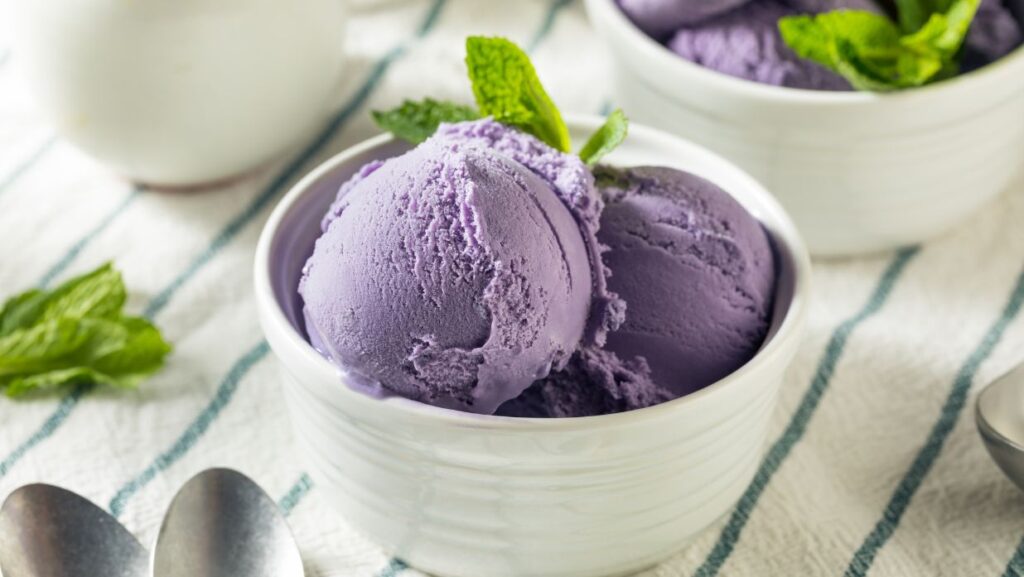
1. Purple Sweet Potato
Purple sweet potato, or ube (more accurately, purple yam), is a common flavor in the Asian region, with a more earthy and nutty flavor. Naturally vibrant and sweet, this Okinawan favorite is both pretty and satisfying. It is starchy, smooth, and perfect for fall.
You can find ube-flavored ice cream in a popular Japanese ice cream chain called Blue Seal Ice Cream, which is headquartered in Okinawa but has several chains in Tokyo.
Inspired by the fizzy blue soda, Ramune ice cream is tangy, sweet, and full of childhood nostalgia. A must-try on a hot summer day in Tokyo.
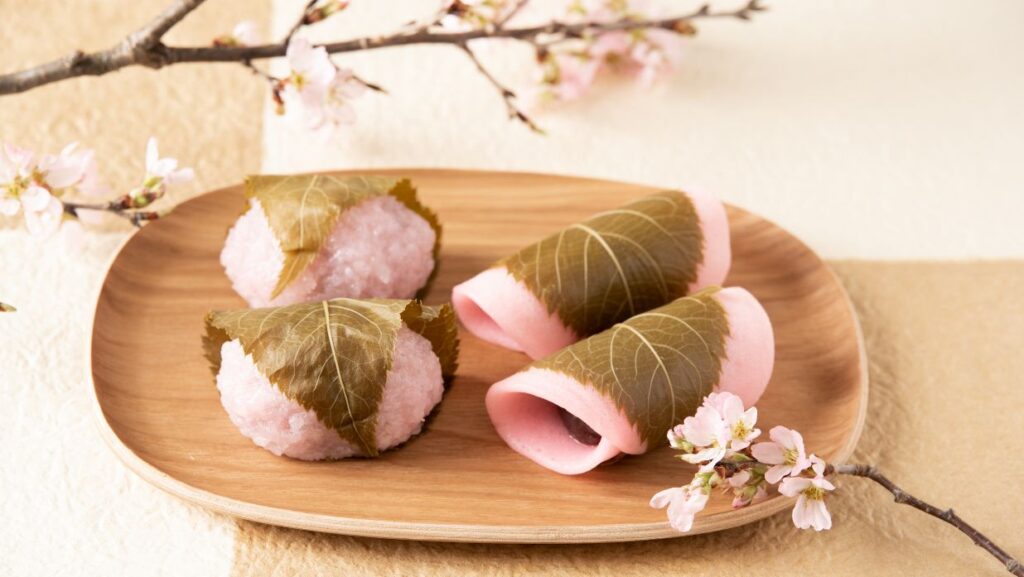
3. Sakura
Lightly floral and pastel pink, sakura ice cream is a seasonal delight during spring. It is subtle, elegant, and deeply connected to Japanese culture. The ice cream flavor is usually popular during the spring season.
Salty, sweet, and surprisingly rich, soy sauce is a staple in the Japanese kitchen, used in everything from crispy karaage to thick, glossy teriyaki sauce. But did you know that, yes, soy sauce can be incorporated into ice cream? It is a umami-laced treat with a traditional twist.
Where to find soy sauce-flavored ice cream in Japan: If you visit a soy sauce brewery during your trip to Japan, you might get the chance to try this unique flavor.
5. Kinako
Toasted soybean flour adds a nutty, warm flavor reminiscent of peanut butter. This nostalgic scoop is often enjoyed with mochi.
Miso, another fermented staple in Japan, can also be incorporated into ice cream. The dessert blends the fermented depth of traditional Japanese miso with smooth, creamy sweetness. The result is a complex and balanced flavor that is both comforting and unexpectedly rich
7. Natto
You either love or hate natto — there’s rarely an in-between. But if you love ice cream and hate natto, you might just be in the middle.
Sticky and pungent, natto ice cream is reserved for the brave. It is an acquired taste with a cult following.
Cafe au Lait Tokyo offered coffee-flavored ice cream with Japan’s famously pungent fermented soybeans, mixed in soy sauce, and finished with whipped cream, nuts, and kuromitsu. In recent years, some adventurous foodies have discovered a konbini (convenience store) hack: pairing store-bought vanilla ice cream with a pack of natto for a DIY sweet-and-savory treat.
8. Azuki (Red Bean)
Mildly sweet and packed with texture, red bean ice cream is a staple in Japan. It is a perfect pairing with matcha or as part of a traditional dessert.
You can find an azuki ice cream bar in convenience stores.
9. Kurogoma (Black Sesame)
If other countries have Nutella and peanut butter, Japan has azuki (red bean) and kurogoma, or black sesame. Intensely nutty and rich, black sesame ice cream tastes like roasted seeds in creamy form. It is deeply satisfying and visually striking.
10. Yomogi (Japanese Mugwort)
Herbal and slightly bitter, yomogi gives this ice cream a tea-like quality. It is particularly loved in springtime desserts. You can find this ice cream flavor at a konbini. Search for Yamaochi Ice Cream — a green ice cream cup — and enjoy a mugwort ice cream with yomogi-flavored mochi, red bean paste and kinako (roasted soybean flour).
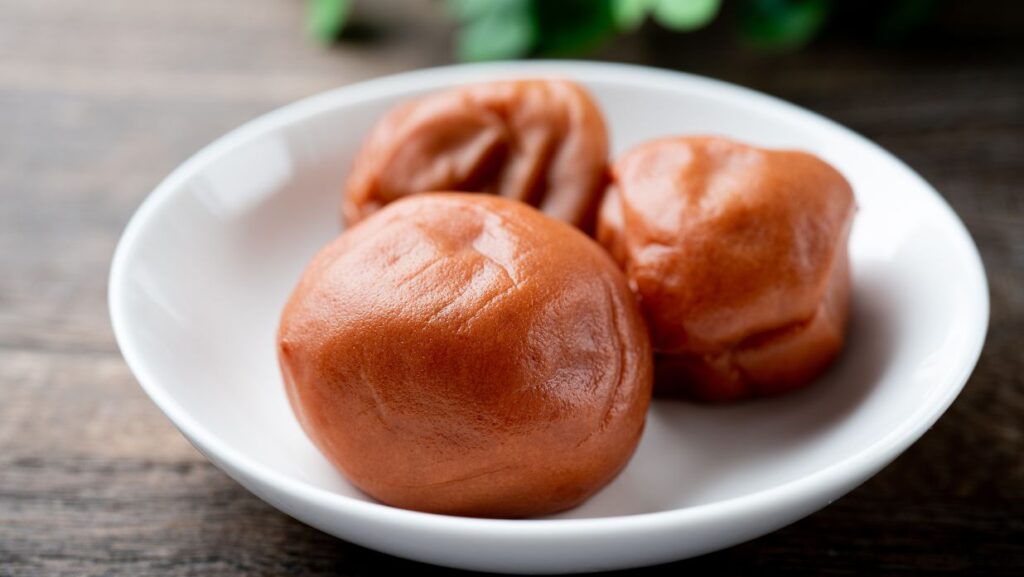
11. Ume (Japanese plum).
Tangy and floral, ume ice cream is bright and refreshing. It is a go-to flavor for the warmer months. The ice cream typically has a pink hue
12. Sake
Delicately boozy and smooth, sake ice cream brings a hint of Japan’s iconic rice wine to dessert. It is subtle but sophisticated. SAKEICE in Tokyo has perfected the ice cream that uses plenty of sake in collaboration with sake breweries all over Japan. The alcohol content of the ice cream can reach 4.5%!
13. Yuba (Tofu skin)
Yuba — the delicate “skin” that forms on top of soy milk when it’s boiled — is a specialty of Nikko in Tochigi Prefecture. It has a pleasantly mild taste, like a creamier version of soy milk. It might not be a common ice cream in Tokyo, but if you drive by Nikko, you’ll find local shops with tofu ice cream.
14. Charcoal
Pitch black and mildly flavored, charcoal ice cream adds a detox trend to your dessert. It is visually dramatic and Instagram-worthy.
15. Lavender ice cream
Lavender season peaks in mid to late July. Not only can you see them, but taste them, too. Thankfully, you don’t need to head north to Hokkaido to enjoy this floral treat. You can savor creamy, lavender ice cream at lavender farms in Kawaguchiko, Aichi Prefecture, and Gunma Prefecture.
16. Hibiscus
Bright, tart, and refreshingly floral, hibiscus ice cream is a perfect pick for a hot summer day. It often comes in a stunning pink or red hue. One of the easiest ways to try this unique flavor is by visiting a Blue Seal store, where it’s sometimes featured among their seasonal offerings.
17. Royal milk tea
Royal milk tea is a beloved classic across Asia. If you’re a fan, you’ll want to try its ice cream counterpart. Häagen-Dazs launched a limited-edition Caramel Royal Milk Tea flavor. It is bitter, richly aromatic, and — perhaps the highest praise for any Asian dessert — not too sweet.
18. Milk
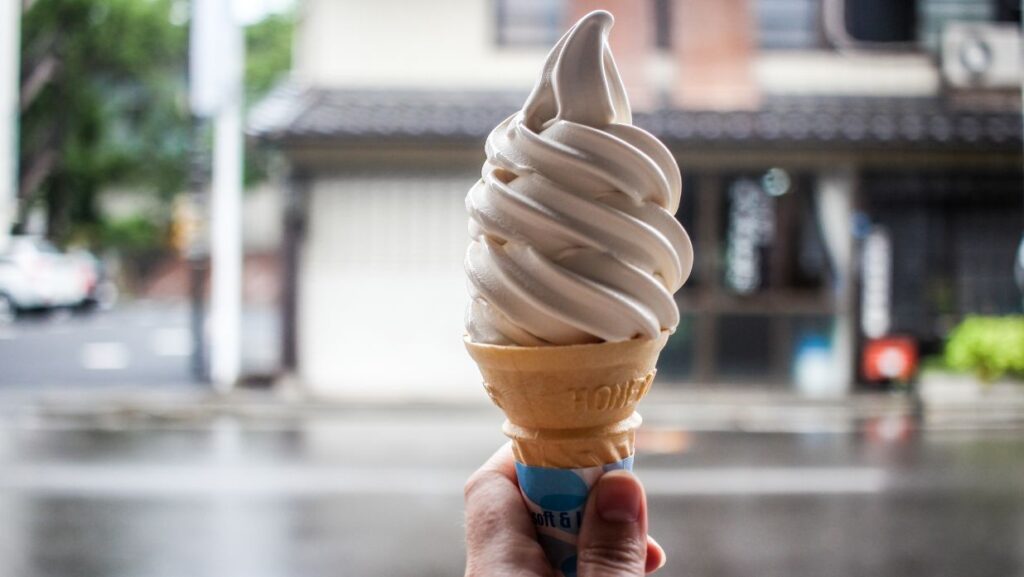
Milk might seem ordinary, but in Japan — especially in Hokkaido —it’s something special. Known for its high-quality dairy, Hokkaido produces some of the country’s most beloved milk-based ice cream. Some popular brands include Cremia and MOW.
Unique Ice Cream Flavor in Japan
Who would need chocolate when you can have tulips, garlic, and eggplant? These veggie-forward flavors may seem odd, but they are rooted in Japanese farming culture and have a lot of creative flair. Whether earthy, floral, or just plain wild, they prove that plants can be just as fun in a cone.
With nutty undertones and a hearty feel, soba-flavored ice cream in Japan is surprisingly grounded. It is a great balance of rustic and refreshing.
During the summer, you might find a unique soba dish where the buckwheat noodle is topped with the popular Coolish ice cream by Lotte.
20. Tulips
This floral flavor is made from real tulip petals, offering a light and perfumed taste. Best enjoyed during seasonal flower festivals, it is as elegant as it is unusual.
21. Potato
Creamy and starchy with subtle sweetness, potato ice cream is surprisingly comforting. A Hokkaido favorite, it manages to turn a simple ingredient into a cold treat.
22. Garlic
Roasted garlic lends warmth and umami to this daring dessert. Its caramelized edge makes it more palatable than you would expect.
Head to Aomori Prefecture, Japan’s top garlic-producing region, for a surprisingly tasty twist on dessert. In Takko Town, one of the country’s leading garlic producers, you’ll find garlic ice cream served at the local Garlic Center. Make sure to bring some mints!
23. Wasabi
A sharp kick of heat meets the coolness of sweet cream in this surprising flavor. The nose-tingling finish keeps your taste buds on alert. Wasabi, or Japanese horseradish, might belong to sushi, but it is surprisingly delicious when incorporated into ice cream.
You can find wasabi ice cream in wasabi farms across Japan, particularly Nagano (check out Daio Wasabi Farm for that).
24. Shiso
Bright and herbaceous, shiso ice cream tastes somewhere between mint and basil. It is light, refreshing, and beautifully green.
25. Eggplant
Aki City, Japan’s top producer of spring and winter eggplant, takes this humble vegetable to the next level at the Aki Group Farm shop. There, you can try their award-winning grilled eggplant ice cream, made with vegetables roasted over charcoal.
Earthy and mellow, eggplant brings a soft and smooth texture to the Japanese ice cream base. It is subtle but so satisfying with a savory undertone.
26. Pumpkin
Japanese pumpkin, or kabocha, is a popular fall flavor in Japan. Nutty and rich in flavor with hints of cinnamon, you’ll know it’s here when you see popular coffee chains like Starbucks or Tully’s featuring the vegetable. The scoop is especially popular during the Halloween season.
27. Melon Bread
Inspired by the iconic sweet bun, which is similar to the Mexican concha, this Japanese ice cream blends creamy vanilla with a doughy, sugary flavor. It is a comforting bakery-meets-dessert experience.
28. Basil
Fresh and fragrant, basil ice cream adds a garden-fresh twist to your dessert. It is especially good when paired with fruit.
29. Ginger
Ginger’s zing cuts through the creaminess, making this palate-awakening treat. It is both spicy and refreshing.
30. Olive
With the popularity of olive oil ice cream, this flavor might no longer be controversial. Rich and slightly bitter, olive ice cream offers a complex, savory note. It is a refined option for those who like their desserts less sweet.
You can find olive ice cream in Shodoshima, an island in Kagawa that is known to be Japan’s top olive oil producer. Head to Shodoshima Olive Park to grab an ice cream.
Seafood-flavored Japanese Ice Cream
Japan’s deep connection to the sea has never been a secret, but to go as far as turning seafood into dessert? That is a whole new wave of creativity. These next flavors take inspiration from sushi counters and fishing boats, blending ocean umami and creamy goodness. You might raise an eyebrow at eel or octopus ice cream, but don’t knock it until you try it!
31. Whitebait
This Japanese fish ice cream is made of tiny, translucent fish called shirasu frozen right into the cream, giving this ice cream a crunchy texture and salty depth. It is a regional delicacy that blends both sweet and savory into one unforgettable bite.
32. Whale meat
It sounds like a gimmick, but a farmers’ market in Chiba tops its ice cream with, yes, raw whale meat. With cream infused with small bits of cooked whale meat, this dessert is chewy, rich, and layered with an earthy flavor. It is rare and controversial but often sought out by culinary thrill-seekers.
33. Octopus
Chunks of octopus tentacles are mixed with a surprisingly smooth dairy base. Briny and chewy, it is a seafood lover’s wildest frozen dream…or nightmare.
If you are lucky, you might find them hidden in the frozen aisle. Search for タコアイス (takoaisu, literally translates to “octopus ice cream”) or タコメシアイス (takomeshiaisu).
34. Crab
This buttery, ocean-scented ice cream has the delicious mouthfeel of a seafood bisque. It is particularly popular in coastal towns with strong fishing traditions.
Creab ice cream is available at Kani Doraku, a seafood restaurant in Osaka’s Dotonbori area. You will know the place once you see the iconic, large robotic crab sign.
35. Squid Ink
Squid ink might not be a controversial ice cream flavor now with the popularity of squid ink pasta, but it is definitely still unique. With its jet-black color and savory flavor, squid ink ice cream offers a bold flavor profile with subtle saltiness. It is both eye-catching and unexpectedly refined.
36. Eel
Inspired by grilled unagi, this ice cream features smoky undertones and a soy-sugar glaze flavor. It is a chilled homage to a beloved Japanese dish, though it might be an acquired taste. You can look for unagi-flavored ice cream online.
37. Katsuobushi
Smoked fish flakes are blended with dairy in this umami-rich ice cream. It is aromatic, complex, and reminiscent of dashi broth but in frozen form.
Meat-flavored Japanese Ice Cream
If you have ever wished your BBQ came with a side of ice cream — or was the ice cream — Japan’s always got your back. From chicken to beef tongue, these meat-inspired scoops are not for the faint of heart. They are savory, surprising, and totally unforgettable.
38. Chicken
Smoky notes of yakitori meet creamy sweetness in this highly unusual scoop. It is surprisingly balanced, like a barbecue with a dessert twist.
39. Beef tongue
With a texture that is firm and chewy, beef tongue ice cream is a specialty of Sendai. Being rich and meaty, it is more of a savory snack than a dessert.
40. Horse Meat
Also known as basashi, this ice cream incorporates raw horse meat in a mildly sweet vanilla base. It is lean, slightly metallic in taste, and an adventurous option.
Where to Find Unique Ice Cream in Japan
It is important to note that you won’t find all of these Japanese ice cream flavors at your average 7-Eleven. Many of them are region-specific or sold at tourist spots known for celebrating local specialties. Here are places where you can begin your chilly adventure:
Namjatown (Tokyo): This indoor theme park in Ikebukuro is famous for its “Ice Cream City,” featuring dozens of regional and bizarre flavors all in one place.
Shirakawa-go (Gifu Prefecture): This traditional village isn’t just famous for its beautiful thatched-roof houses. It is also known for unique local flavors like wasabi and soba ice cream.
Yokohama Cup Noodles Museum: This museum sounds quite unrelated as they specialize in Cup Noodles, but the gift shop often stocks novelty flavors like soy sauce and miso ice cream.
Hokkaido: Although it is known for its dairy, Hokkaido also offers some strange flavors like melon, squid ink, and even sea urchin ice cream at local farms and tourist stops.
Kamakura & Enoshima: These locations are popular with day-trippers from Tokyo. These seaside towns offer whitebait and octopus ice cream near the beachside snack shops.
Kumamoto: The place to go if you are in search of horse meat ice cream, typically found at local souvenir shops or unusual cafés.
Kanazawa: This city is mainly known for its love of gold-leaf-topped ice cream, another Japanese delicacy, but also offers kinako, kurogoma, and sweet potato flavors.
Japan’s Ice Cream Adventure Awaits
Japan is not afraid to take chances with its desserts, blending local ingredients, culinary history, and seasonal traditions into flavors that are anything but boring. Some of these ice creams are only available in limited regions or seasons, so if you spot them, do not miss your chance!
From sweet to savory, floral to fishy, there’s something for every adventurous taste. Just remember: weird doesn’t mean bad, it might just mean your new favorite.
Exploring Tokyo? Learn the Language as You Go
Excited to explore Japan and all of its weird ice cream flavors? The best way to truly enjoy the country is by immersing yourself in the local culture, and that starts with the language.
Coto Academy offers flexible, short-term Japanese courses designed specifically for travelers. Whether you are here for a few weeks or staying long-term, our lessons help you connect with locals, navigate confidently, and enjoy every surprising scoop Japan throws your way.
Learn more with Coto School Finder to pick the best course and campus for you!
FAQ
What are popular Japanese ice cream flavors?
Some popular ice cream flavors include matcha, Kurugoma, Miso, and Sweet potato but you can find less unusual ones such as Yuzu, Melon, and Sakura.
Where can I try weird ice cream flavors in Japan?
Places such as Namjatown or local cafes and markets may have the ice cream flavors you are looking for. Do not expect to find them at your usual grocery store or 7/11 as they tend to be niche products.
Why does Japan have so many unique ice cream flavors?
Japan has so many unique ice cream flavors because people embrace seasonal, regional, and novelty-based marketing. Japan tends to embrace all parts of the culture and twist it into delicious and amazing products.
Is it safe to eat raw meat or seafood ice cream?
Generally, yes, the shops in Japan are held to a certain standard to ensure the health of the consumers. To be safe, always read the reviews of the shop you are visiting as well as their health rating online.
Can I find vegan or dairy-free weird ice cream flavors in Japan?
The majority of ice creams will still contain dairy, although they may be marketed as soy milk/ almond milk products. It is possible to find great vegan options, though, as they are becoming more popular in Japan. It is important to note that although it is possible to find vegan and dairy-free products, it remains more challenging.
What are some of the biggest culture shocks you’ve experienced in Japan? Coming to the country, you might not want to bring with you the “Western culture” complex that many have seen across the globe — or on social media. We might want to acclimate to the Japanese way of life as best as we can, though some of us might not know how hard it would be.
A culture shock is defined as “the sudden change in environment with new social norms.” They all vary in how easy or hard they were to remember and implement. But as Japan continues to blend tradition with modernity through the 21st century, some things will have changed from how they are now.
In this article, we’ll explore some of the most common examples of culture shock in Japan and share practical tips on how to manage or even avoid it altogether!
How is Japanese Culture Different From Other Cultures?
Japanese culture is known for its indirect communication and conformity, but there is so much more to it that isn’t really talked about when comparing it to other cultures. Japanese people have a strong sense of community, unlike any other culture that you have had the chance to see. They are also very respectful of others and see the best in everyone. As you go through this list, you’ll see these recurring themes in the reasoning as to why things are the way they are.
1. Everything, from food portion to clothing size, is smaller
When we say everything is small, we mean everything. From food and drink portions to clothing, be ready to adjust your sizes!
While I knew coming to Japan things would be different, especially for the clothing aspect, I wasn’t mentally prepared to go from medium-sized pants in America to an extra-large large one in Japan! Let alone when talking about portion control for eating, that took a while to get used to, honestly. When looking at the quality of food in comparison to America’s, Japan doesn’t need a lot, let alone when I used to get full in America, I was not feeling good after the meal. My stomach would often hurt.
But when in Japan, at the end of my meals, the end of the meal makes me feel recharged until my next meal. This was something that took a lot of getting used to, as I thought it meant I wasn’t fully done and needed to keep eating. It’s a refreshing feeling, to say the least, and also crazy to think about when comparing it to what I eat back at home.
2. Different sanitary practices
One common sanitary-related culture shock in Japan is the lack of paper towels in public restrooms. Many travelers are surprised to learn — sometimes right before their trip — that it’s a good idea to bring a small hand towel or two. These towels are used to dry your hands after washing, since most bathrooms either have no paper towels or rely on air dryers, which might be a different practice depending on where you are from. It’s best to carry your own towel with you at all times.
3. Japanese bidets are everywhere
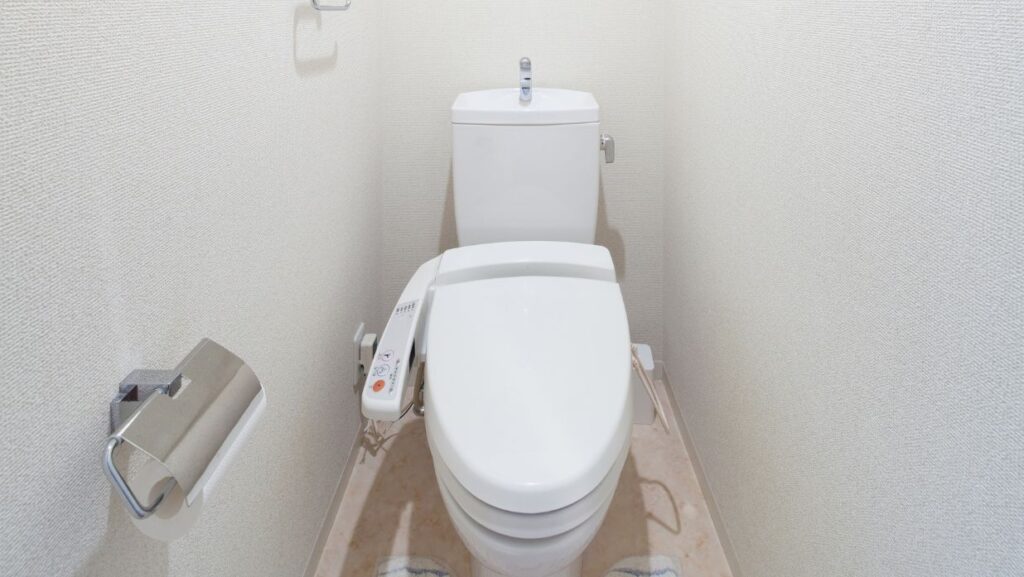
Obviously, Japan is known for its bidet, but even public bathrooms have a bidet attached to them. Some of us might thought it would just be in nicer places like hotel rooms. However, this is a common feature even for public bathrooms. Plus, most bathrooms have an antibacterial spray to use on the toilet after usage to keep it clean between users.
Moreover, while public bathrooms are a thing, they are still uncommon. In train stations, you often need to pay for transit to be able to use the bathroom. Japanese convenience stores (also known as a konbini, コンビニ) might have public bathrooms, but not every store has one available to customers. So, before you leave your accommodation or the restaurant, make sure to use the bathroom there!
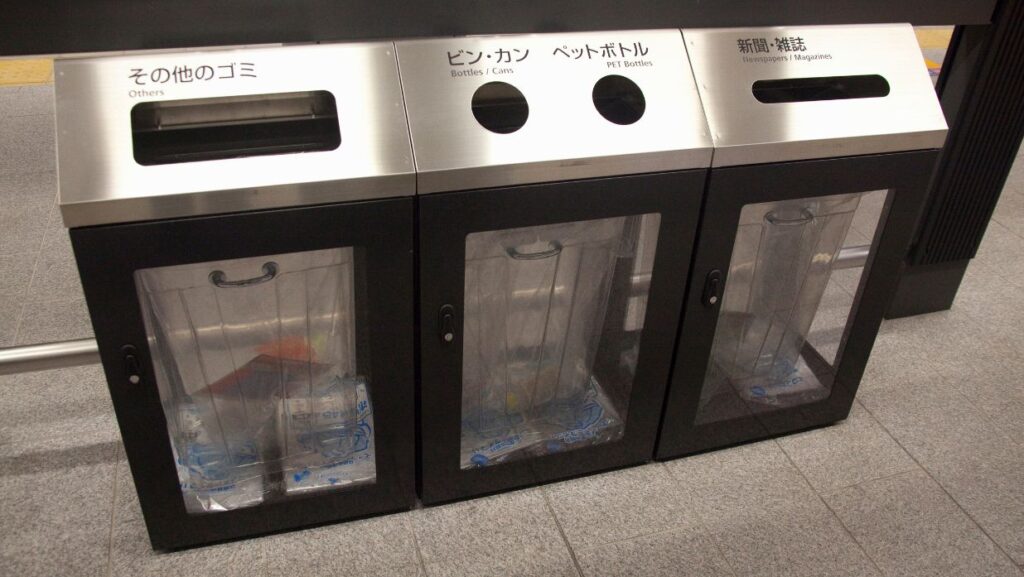
One thing I was heavily unprepared for was my lack of knowledge about recycling. In America, they have different trash for recyclable items, glass, pop cans, and our usual trash, but Japan just elevates it up 6 levels (and as they should!).
When it came to taking the trash out of my room, it would take me about 15 minutes just to make sure I was putting the correct items in the right container because of how organized they are about it. My biggest tip would be to just slow down and read what containers your accommodation has for trash, and use the internet to check about where certain items should go if they aren’t outright about it. It is important to put things in the right trash, though, as there could be financial punishments involved.
This might seem a bit contradictory to the earlier point about Japan being incredibly clean. If you’ve ever been to major cities like Tokyo or Osaka, especially in busy neighborhoods like Shibuya, you might notice that despite the cleanliness, public trash cans are surprisingly scarce.
In fact, if you visit popular tourist spots like Tsukiji Market or Harajuku’s Cat Street (both known for their kawaii crepes and street food), you might struggle to find a bin. More often than not, the shop where you purchase your food will accept the trash, but only if it came from their store. If it’s from somewhere else, they’ll likely refuse it.
When that happens, don’t be confused. It’s perfectly normal in Japan to carry your trash home with you or back to your hotel or apartment.
6. Solo dining is normal in Japan
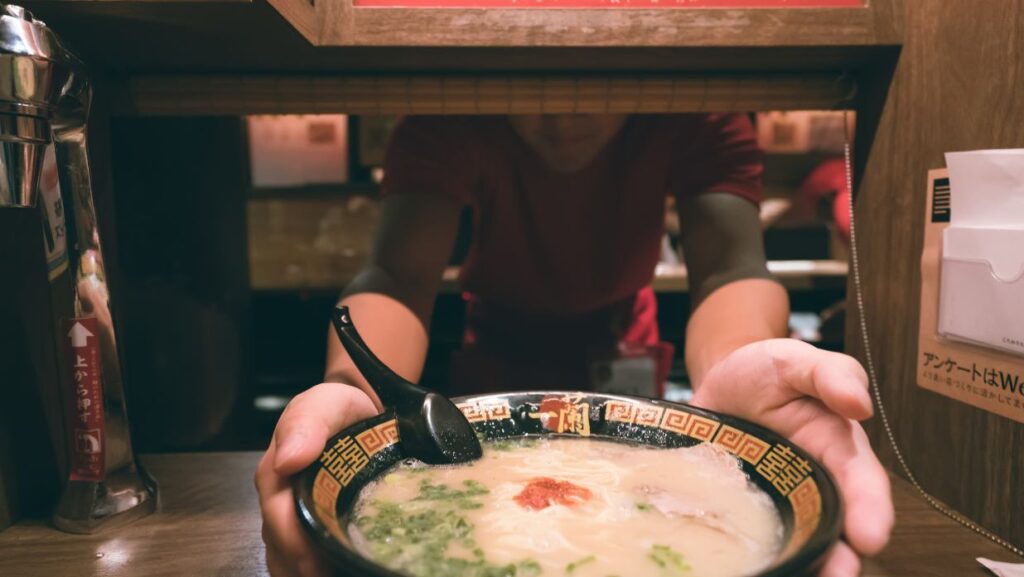
In some countries, dining alone might feel awkward or even be seen as strange, but not in Japan. Solo dining is not only accepted, it’s often encouraged. While many people are familiar with Ichiran’s private ramen booths made for solo diners, this kind of layout isn’t limited to specialty shops.
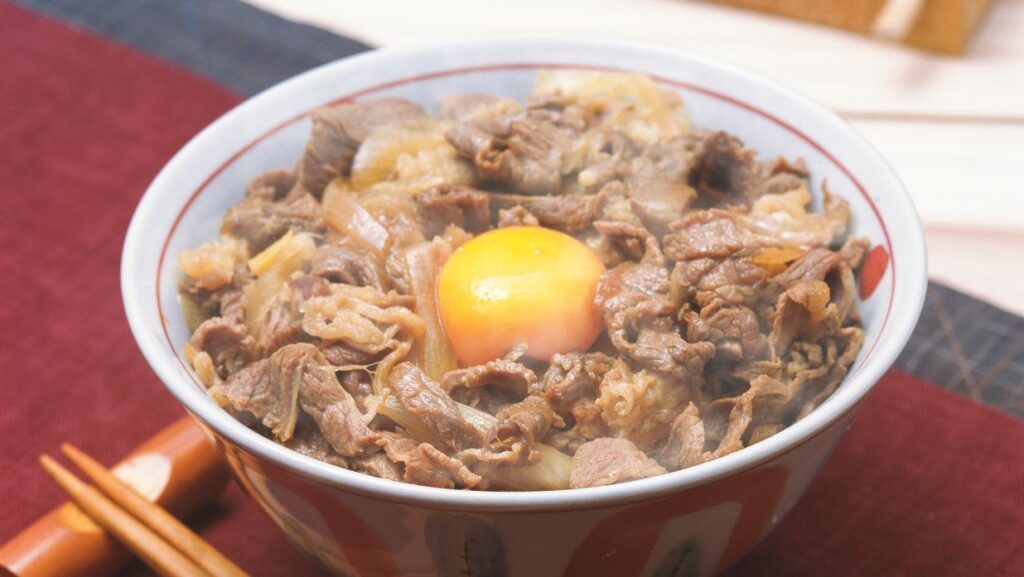
Fast food chains like Yoshinoya or Sukiya are designed with efficiency in mind, often featuring seating arrangements suited for individuals. Japan’s fast-paced work culture means people often want to eat quickly and quietly, making solo dining a perfectly practical and socially acceptable option.
With cities like Tokyo growing increasingly popular, trendy cafe and restaurants that go viral on social media often have long lines. If you don’t make a reservation in advance, you’ll likely end up waiting or competing for a seat. In some places, especially cafés, you may even be asked to find a seat before placing your order.
Don’t be surprised to see people casually dropping off their belongings — like a bag or jacket — to claim a table before heading to the counter.
This might feel like a culture shock if you’re from a country where leaving your things unattended would be risky. But in Japan, it’s generally safe to leave personal items at your table. Theft is rare, and people tend to be respectful of others’ belongings and space.
In fact, if you lose your wallet in Japan, there’s a surprisingly high chance it will be returned, thanks to the country’s lost-and-found system. Ironically, wallet theft is quite rare in Japan. Instead, the most commonly “stolen” items are umbrellas and bicycles. Umbrella “theft” typically happens on rainy days, when someone takes a similar-looking umbrella from a storefront rack.
8. No tipping!
We’ve all been there: enjoying a nice meal only to be surprised by a higher-than-expected bill once tax and service charges are added. But in Japan, what you see is what you get: menu prices already include both tax and service fees.
The no-tipping culture can be a surprising (but welcome) culture shock, especially if you’re from countries like the United States. In Japan, tipping is neither expected nor encouraged. In fact, if you try to leave a tip, the staff will likely be confused and politely refuse it. Persisting may even come across as rude or offensive, as good service is seen as a basic part of the job, not something that needs extra reward.
9. Trains in Japan can be efficient — but overwhelming
Japan’s train system is often praised as one of the most advanced and reliable in the world. Trains arrive on time, in-train announcements are clear (often in both Japanese and English), and any delays are announced right off the bat.
But what often surprises newcomers is the sheer scale and complexity of major train stations, especially places like Tokyo Station or Shinjuku Station. These mega-hubs combine multiple railway companies, such as JR Lines and Tokyo Metro, with platforms and exits. For Tokyo Station alone, there are 14 lines!) Navigating from one line to another isn’t always straightforward, and during rush hours, the flood of commuters can make it even more overwhelming.
To make things easier, we recommend downloading Google Maps, which does a great job of guiding you through the maze, showing you the best route, platform number, and even train car positions.
In many countries, eating while walking is common and even encouraged! However, in Japan, this practice, known as tabearuki (食べ歩き), is generally frowned upon.
There are two main cultural reasons behind this: first, as a sign of respect for the food. Japanese culture places a strong emphasis on presentation and appreciation, so eating while on the move can be seen as careless or disrespectful to the effort put into the meal. Second, Japan has a deep-rooted value for cleanliness in public spaces.
While tabearuki isn’t illegal and you won’t be penalized for it, it’s considered poor manners in many areas, and you may even see signs asking people not to do it.
Tips to Cope with Japanese Culture For the First Time
1. Be an Observer First
Not everything will be secondhand when you first get here, no matter how much you may think it will. Watch what the locals are doing first and follow suit. And if there aren’t locals to follow, do what you think you should do and allow corrections to be made by others! Trying your best and staying open-minded is what matters most. Do it correctly after being shown how to, and say a quick “Sumimasen” (Excuse me/I’m sorry) and “Arigatou gozaimasu” (thank you)!
2. Learn Some Basic Etiquette
Come with an idea of some basic respectful cultural norms known is always a good way to start. Because Japan values social harmony, it is best to stay respectful in every scenario you come across.
Bowing is always seen as courteous and is the standard greeting.
Certain restaurants/establishments will require you to take off your shoes, so come wearing socks or have socks packed in your bag!
On public transportation, do not talk loudly or take phone calls until you are out of the station.
3. Learn a Little Japanese
Learning some of the basics of Japanese can take you a long way. English is common when it comes to signs, like in the train station, but it should not be expected for other establishments or people to know English, so come to know some Japanese. People will be very appreciative that you are practicing!
A great way to do that is by joining fun and flexible part-time Japanese classes at Coto Academy! Our students come from all over the world. Some are traveling or backpacking, while others live and work in Japan. We focus on real, practical Japanese conversation, and it’s also a great chance to make new friends along the way.
Here are some common and useful phrases to learn prior to coming to Japan:
Japanese (Kana)
Romaji
English
こんにちは
konnichiwa
Hello
おはようございます
ohayou gozaimasu
Good morning
こんばんは
konbanwa
Good evening
ありがとうございます
arigatou gozaimasu
Thank you
いくらですか?
ikura desu ka?
How much is it?
きんきゅう
kinkyuu
Emergency
わかりません
wakarimasen
I don’t understand
英語を話せますか?
eigo o hanasemasu ka?
Do you speak English?
トイレはどこですか?
toire wa doko desu ka?
Where are the restrooms?
4. Be Patient with Yourself
Coming from a Western society with different norms from the host country you’re in can be very challenging for the first little bit. Give yourself time to adjust to it and don’t get upset if you mess it up. Just keep moving and laugh it off; it’s all about the process and trying again!
We have discussed culture shocks when moving to Japan, but did you know there is another phenomenon called reverse culture shock?
Moving to Japan is one thing, but returning home or moving from another country back to Japan can bring its own set of surprises. Reverse culture shock happens when the customs, behaviors, or environment you’ve adapted to suddenly feel unfamiliar or even uncomfortable. After being in Japan, these were my top three hardest things to get back into doing.
1. Remember to tip!
Coming home from a trip like Japan, but adjusting to the different expenses and costs at home, can take some time. Since tipping culture is not a thing in Japan, this has become something I need to actively remember when I go out to restaurants. Also, coming back home and going shopping, the feeling of no longer needing to bring a tote bag is strange. It’s one of those things that I almost wish we could implement back at home. It does seem that much more efficient and better for the planet!
2. Punctuality and driving
After relying on Google Maps and public transit for so long, it felt like I had to rewire my brain to remember how to correctly drive my car! Going back to using Waze and not being able to properly estimate the time of arrival, and worrying about parking, was a trip in itself. Google Maps did a very good job at keeping users up to date on train delays, and the business of the trains coming back to traffic was a nightmare in itself. Let alone construction? Hard pass! I never personally felt like my train rides were long, even if Google was telling me that it was a 45-minute commute. Oh, how I yearn for that back!
3. Japan is not a “noisy” society
As an American, the noise level in Japan was eerie but calming. Quiet walks home from the train station and even quieter train rides. It took me a few weeks, even just to hear someone honking on the streets, which I didn’t realize was so uncommon till then.
Coming back, it almost feels like America is rowdy: Everyone is fighting to see who can be louder all the time. I think the beauty in Japan’s quiet is that it really does give you time to just soak in the world around you and de-stress from whatever is bothering you; meanwhile, America’s energy is constantly just “go-go-go”.
While it is good to be able to work in a variety of environments, Japan has made me realize how much nicer it is to be able to hear the wind and flow with the breeze. Why rush when you can just enjoy the moment as it comes?
Conclusion: Cushion Your Culture Shock by learning Japanese!
One of the best ways to cushion your culture shock in Japan is by learning Japanese. This helps you feel better in navigating the streets and understanding local rules. If you’re ready to travel abroad and learn everything for yourself, why not learn some Japanese while you’re at it? Coto Academy offers flexible language courses that tailor to your needs as a student, while offering assistance in cultural learning. Come check out our intensive Japanese lessons and part-time classes here!
Slurping in Japanese culture is often seen as a sign of appreciation for the food and that it is tasty. So if you are happy with how your ramen tastes, don’t be afraid to slurp your noodles!
Why is Japanese culture so important?
Japanese culture holds high importance due to its rich and long history, unique traditions, and overall global influence. Japan’s history deeply shapes its cultural identity.
How hot is Tokyo in summer?
Tokyo experiences hot and humid summers from June to August. And from early June to mid-July, it experiences tsuyu (梅雨), which is their rainy season. Temperatures range from 24 to 34 degrees Celsius (or around 75 to 93 degrees Fahrenheit). Learn more about the rainy season here.
What is an example of culture shock in Japan?
An example of culture shock in Japan is the lack of public trash cans despite the streets being incredibly clean.
What is frowned upon in Japanese culture?
Eating while walking, or tabearuki, is generally frowned upon as it’s seen as disrespectful and potentially messy.
How to deal with culture shock in Japan?
To deal with culture shock in Japan, stay open-minded, observe local customs, and don’t hesitate to ask questions or do research beforehand.
What is surprising about Japanese culture?
One surprising aspect of Japanese culture is the high level of trust — people often leave belongings unattended in public without fear of theft.
You’ve spent the last few months preparing for the JLPT (Japanese Language Proficiency Test). You’ve reviewed everything you need to know the night before the test day. But now, you need to start packing — and now you’re wondering what to bring to the JLPT test center!
Taking the JLPT is an important step towards mastering the Japanese language. As you gear up for the big day, it’s crucial to ensure that you have everything you need to make your test experience a success. That’s why we’ve created the ultimate checklist of what to bring to the JLPT test center. From essentials to some extra things to bring just in case, we’ll guide you through the must-have items you should pack in your bag, along with some useful tips to help you stay calm and focused on the day of the test. So, let’s dive in and make sure you’re fully prepared and equipped to ace the JLPT!
Getting ready for the JLPT? Boost your chances of passing with Coto Academy’s JLPT Prep Course — designed for busy learners. With just 3 focused hours per week, you’ll turn your current Japanese skills into real test results in 3 months.
Checklist for Items to Bring to the JLPT Test Center
To ensure a smooth test day experience, it’s important to have a checklist of items to bring to the JLPT test center. Here are the essential items you should pack in your bag — some required, some recommended.
What You Can Bring to The Desk at the JLPT Test Center
1. Your JLPT Test Voucher
If you are in Japan, you should have received a JLPT test voucher by mail. It’s a small slip that you can open, containing your JLPT test ID, your face (which you must submit when you register for the JLPT online), and personal information. It also includes confirmation of the test site and map. Your JLPT test ID will also help you find your exact seat in the exam room. There’s the test number on each table and possibly a map of the room layout printed outside so you can quickly locate where you need to sit.
2. Valid ID
This is arguably the most important thing that you’ll need to have; otherwise, you might need to retake the test another time. A proper identification that shows your face and name allows the exam proctors to confirm if you are the right person to take the test. From personal experience, they will usually double-check your face during the course of the exam. If you are in Japan, it’s good to bring your residence card or passport.
For those taking the JLPT outside Japan, check what kind of identification is accepted. Generally, a driver’s license, a passport or a residence card should be okay.
3. 2B Pencil (and extra pencils)
The JLPT answer sheet will be read on the computer, so you’ll have to make sure you’re bringing a pencil that is 2B or darker so the computer can scan it.
One thing we recommend is that instead of using a traditional wood pencil, opt for a mechanical pencil! You’ll be doing a lot of shading and note-taking, so the tip of the pencils can get dull pretty quickly. It’s a hassle to sharpen them on your table!
Just make sure that even your mechanical pencils have extra leads.
Keep in mind that using mechanical pencils may not be allowed in different countries or test sites, so make sure you confirm and have traditional wooden pencils as a backup!
4. An eraser
This is a no-brainer, but opt for a good-quality eraser instead of relying on the eraser tip on top of your pencil.
5. Wristwatch
This is the one tip we recommend for the actual JLPT test day. Exam rooms usually have wall clock somewhere — but that’s if they provide one at all. But be warned: these clocks can be placed at the back of the room, where you will need to turn your back every time to check the time.
The JLPT proctors are very strict, so moving your head around will raise suspicions and possibly alert them of possible attempts to cheat.
When you’re rushing to answer the JLPT questions, time also becomes very critical. The proctors will not announce how many minutes you have left or give you any warnings. The proctors will only say, “Time’s up. Put your pencils down.” Time management is something you need to handle yourself.
Do you want to spend every few minutes glancing at the wall clock and possibly lose focus? After all, time is very critical when taking the JLP, especially on higher levels like N2 or N1 (where you have even less time to answer more questions)!
The best way to handle this is by bringing your own wristwatch. With this, you can easily know how much time you have left.
One thing, though: make sure that it’s an analog or traditional watch. Smart watches or anything digital or with alarms is not allowed.
6. A water bottle with no label
Some test sites allow you to bring a water bottle and put it on the table as you take the tests, but this is only if the bottle has no label or writing on it.
What You Need to Keep in Your Bag during the JLPT
The above items are allowed to be on your desk at all times. The rest of these items must be in your bag, but they’re handy for rests between test sections.
1. Your Own Snacks
The JLPT usually lasts 3 hours, with a short break between the vocabulary/reading sections and the listening sections. Many of us use this time to fuel up, go to the toilet, and do a last-minute review. You might be hungry (or just want to avoid your stomach rumbling in the exam room) then.
You can check if your test site has a nearby convenience store to grab a few food items. However, from personal experience, we noticed most exam takers would also be lining up at the Konbinistore. You can buy your snacks on the way in the morning or have them prepared beforehand just in case you don’t have enough time to buy food, eat them, and come back to the exam room.
2. Spare stationery
You never know when you’ll find a malfunctioning mechanical pen or when you’ll drop your eraser. Carry a small pouch containing spare stationery items like extra pencils, pens, erasers, and a pencil sharpener. This will help you avoid any last-minute panic if your primary writing instrument fails or breaks during the test.
3. Sweater or jacket
Test centers can be chilly, so consider bringing a light jacket or sweater to stay comfortable.
4. Textbook or pocket dictionary (for review)
This is an option if you are still anxious about a few vocabulary or grammar points. Before the test begins or during the break, take a quick look at a few grammar points as a quick review. Additionally, I find it helpful to have a pocket dictionary on hand during the test to look up answers (although we recommend this after you finish all test sections to keep a positive mindset).
We’ve seen some students bring their own flashcards, too, which are far lighter than heavy textbooks.
5. Your phone
This goes without saying, but your phone needs to be on silent mode and in your bag! Better yet, the safest opion is to turn it off altogether! We have heard cases and our students have seen alarms go off during the JLPT exam! Be careful, even if you turn it to silent mode or airplane mode.
Test proctors are very strict. Violating any of the above may lead to misconduct charges!
6. Positive Mindset!
Although not a tangible item, maintaining a positive mindset is crucial for success in any examination. Believe in yourself and your abilities. Take a deep breath, stay calm, and approach the test with confidence. Remind yourself that you have prepared diligently and are ready to demonstrate your Japanese language skills.
Tips for a Successful JLPT Test Day
Now that you know what to bring and what not to bring, here are some additional tips to help you have a successful JLPT test day! For more practical tips for the JLPT test day, head to this article!
1. Arrive early
Plan to arrive at the test center at least 30 minutes before the scheduled start time. This will give you enough time to check in and get settled. You never know if you’ll have a hard time finding the test site, too.
2. Get a good night’s sleep
Instead of attempting to cram everything the night before, ensure you have a restful night’s sleep before the test to stay alert and focused.
3. Don’t skip breakfast
You’re going to be taking the JLPT for a few hours, so avoid getting hungry and out of focus by eating breakfast. Even if you’re not someone who eats breakfast, make the day an exception.
4. Make sure your phone is silent and on airplane mode
Here’s a mistake we have seen way too often — and it’s one that can cost you the entire JLPT. Someone forgets to completely turn off their phone. Maybe they thought silent mode was enough, or they just missed the reminder. And then, right in the middle of the test — ding!
Even if it’s unintentional, the JLPT has a strict system: yellow cards are for warnings, but red cards? No second chances. Especially during the listening section, where even the smallest noise can throw off everyone’s focus.
To be safe, instead of setting it to silent or airplane mode, turn off your phone completely and keep it in your bag. It’s such a simple thing, but it could make the difference between passing and failing.
4. Follow instructions carefully
Take the time to read the instructions thoroughly before starting each section of the test. In Japan, the proctors might speak in English and maybe some Japanese appropriate to your level.
Preparing for the JLPT requires careful planning and organization. By following this ultimate checklist of what to bring to the JLPT test center, you can ensure a stress-free test day experience. Remember, being well-prepared will give you the confidence you need to perform your best. Good luck on your JLPT journey!
Start taking Japanese lessons and pass the JLPT exam!
Want to pass the JLPT exam with confidence? Coto Academy has JLPT prep classes in Tokyo, Yokohama, and online, led by experienced instructors who’ve helped other students pass the test!
Whether embarking on a life-changing adventure or chasing career goals, finding a comfortable and convenient place to call home in Japan is crucial. Don’t worry; navigating the unique housing landscape doesn’t have to be a headache! Buckle up for a whirlwind tour of your Japanese housing options. This blog will give you basic information about housing in Japan and provide the resources to find your home here.
Studio or 1R (1 room): The compact classic is perfect for solo explorers. A typical 1R apartment has between 13 and 20 sqm of floor space.
1K (1 kitchen): A little more spacious than 1R as there will be a separate kitchen. 1K apartments typically have between 13 and 25 sqm of floor space.
1DK (1 Dining and Kitchen): A two-room apartment with a kitchen and dining space separated from the other room. 1DK apartments usually have between 25 and 30 sqm of floor space.
1LDK (1 Living, Dining, and Kitchen): A one-bedroom apartment. It offers a separate living area and bedroom, ideal for small families or roommates. 1LDK apartments usually have between 23 and 35 sqm of floor space.
2LDK & Up: Spacious digs for families or those who crave extra elbow room. LDK apartments usually have between 35 sqm and above of floor space.
Renting: The most common option, offering flexibility and lower upfront costs. Brush up on terms like 敷金 “shiki-kin” (deposit) and 礼金 “rei-kin” (key money).
Buying: A long-term investment that requires significant financial resources and navigating complex legal procedures.
Alternative Options
Sharehouses: Budget-friendly and social, perfect for making friends and experiencing communal living.
Guest Houses: Ideal for short-term stays and exploring different neighborhoods before committing.
Traditional 旅館 Ryokans: Immerse yourself in Japanese culture with these unique inns.
Hotels: It is always an option to find local hotels or branded hotels for your stay here
Short-term Rentals: Services like Airbnb allow you to have your space for a short stay and could be a budget-friendly option.
Do you want to study Japanese in Japan but have trouble finding accommodation? Coto is here to help! We assist our students in housing by working with our trusted partner – Oak House! By using Oak House, you will get a 10,000 yen coupon! Come Join Coto Now!! And Use Oak House Today!
Here are some benefits of using Oak House!
Furnished Rooms: Most Oak House properties come fully furnished, eliminating the need to buy furniture upon arrival. This can be a significant advantage, especially for short-term stays.
Simplified Move-in Process: Oak House handles most administrative tasks, such as key money, agency fees, guarantors, and utilities, which simplifies the move-in process and reduces upfront costs.
Multilingual Support: Oak House offers support in English, French, Chinese, and Korean, which can help you navigate the rental process if you don’t speak Japanese.
This is the largest and most popular real estate website in Japan, with listings for apartments, houses, and sharehouses all over the country. While the main website is in Japanese, they offer an English version with limited listings. However, it’s still a great resource for browsing different areas and getting a feel for the market.
This website is specifically designed for foreigners living in Japan and offers many resources, including housing listings. They have a search engine for apartments, houses, and sharehouses; their listings are all in English.
This website is a great resource for finding affordable housing in Tokyo. They have a listings section for apartments, sharehouses, and guest houses, and their listings are all in English. They also offer many helpful tips and advice on finding housing in Japan.
This website offers fully furnished apartments specifically designed for foreigners. They have locations in major cities all over Japan, and their apartments are all-inclusive, meaning that utilities and internet are included in the rent.
Sites You Need To Know: Some Other Sites With Some English Support
These sites are mainly in Japanese, but you can contact them in English if needed.
These websites offer English services with sharehouses listings in major cities all over Japan with different room types and amenities for sharehouses in Japan!
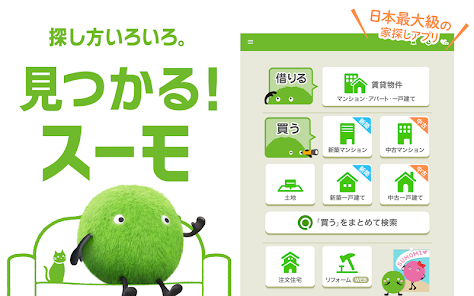
This app offers many apartment and house listings. While the interface is in Japanese, it’s fairly intuitive, and the pictures can help you understand the listings.
A renowned app for short-term renting, the price varies by place and offers a wide range of listings. You can also access it through their website!
Real Estate Company You Need To Know
They can translate documents, handle negotiations, and provide invaluable local knowledge.
Mitsui Fudosan Realty: One of the largest real estate developers in Japan, offering a wide range of apartments, houses, and commercial properties.
Sumitomo Realty: Another major player with a diverse portfolio of residential and commercial properties.
Nomura Real Estate: Known for its high-end developments and strong presence in urban areas.
Mitsubishi Estate Co.: Major developer responsible for large-scale projects like the Marunouchi district in Tokyo.
Useful Japanese Phrases
賃貸物件を探しています。Chintai bukken o sagashiteimasu. – I am looking for a place to rent.
家賃はいくらですか? Yachin wa ikuradesu ka? – How much is the rent?
敷金・礼金はいくらですか? Shikikin reikin wa ikuradesu ka? – How much is the deposit and key money?
いつから入居できますか? Itsu kara nyūkyo dekimasu ka? – When can I move in?
契約期間はどれくらいですか? Keiyaku kikan wa dorekuraidesu ka? – How long is the lease term?
ペットを飼ってもいいですか? Petto o katte mo īdesu ka? – Can I keep pets?
インターネットは付いていますか? intānetto wa tsuite imasu ka? – Is the internet included?
最寄り駅はどこですか? Moyorieki wa dokodesu ka? – Is there a station nearby?
近くにコンビニはありますか? Chikaku ni Konbini wa arimasu ka? – Is there a convenience store nearby?
電気・ガス・水道代はいくらですか? Denki, gasu, suidō-dai wa ikura desu ka? – How much are the utilities?
収納はありますか? Shūnō wa arimasu ka? – Is there storage space?
バルコニー/ベランダはありますか? Barukonii/Beranda wa arimasu ka? – Is there a balcony?
日当たりはいいですか? Hiatari wa īdesu ka? – Does it get good sunlight?
騒音はありますか? Sōon wa arimasu ka? – Is there any noise?
物件の写真を見せてください。 Bukken no shashin o misete kudasai. – Can you show me some sample photos?
もう少し安くできませんか? Mōsukoshi yasuku dekimasen ka? – Can you lower the rent a bit?
契約金は分割払いでお願いできませんか? Keiyaku-kin wa bunkatsubarai de onegai dekimasen ka? – Can I pay the deposit in installments?
入居日を遅らせることはできますか? Nyūkyo-bi o okuraseru koto wa dekimasu ka? – Can I move in later?
Essential Japanese Vocabulary
Accommodation Types
アパート Apāto – Apartment
一戸建て Ikkodate – Detached house
マンション Manshon – Condominium
シェアハウス Sheahausu – Sharehouse
ゲストハウス Gesutohausu – Guesthouse
旅館 ryokan – Traditional Japanese inn
Rent & Fees
家賃 yachin – Rent
敷金 shikikin -Deposit
礼金 reikin – Key money
保証金 hoshoukin – Guarantee deposit
更新料 koshinryo – Renewal fee
管理費 kanrihi – Management fee
Amenities
インターネット intanetto – Internet
エアコン eakon – Air conditioning
洗濯機 sentakuki – Washing machine
バルコニー/ベランダ barukonii/Beranda – Balcony
駐輪場 Chūrinjō – Bicycle parking
駐車場 Chūshajō – Car parking
ペット可 petto ka – Pets allowed
Utilities
電気 denki – Electricity
ガス gasu – Gas
水道 suidou – Water
Contract & Lease
契約書 keiyaku sho – Contract
契約期間 keiyaku kikan – Lease term
退去日 taikyoku bi – Move-out date
Additional Tips
Start your search early: The housing market in Japan can be very competitive, so it’s important to start your search early, especially if you’re moving to a popular city.
Be prepared to pay upfront costs: In Japan, paying a security deposit and key money equal to one or two months’ rent when you move into an apartment is common.
Consider using a real estate agent: A real estate agent can help you find an apartment and translate documents.
Learn some basic Japanese: Even just a few basic phrases can be helpful when communicating with landlords and real estate agents.
Cleanliness is paramount: Keep your living space spotless and respect communal areas.
Community matters: Be mindful of noise levels and respect your neighbors.
Remember: Finding a home in Japan is a journey. Be patient, ask questions, and don’t be afraid to bargain politely. With a little research and cultural sensitivity, you’ll unlock the door to your perfect Japanese living space!
You Might Be Wondering…
Are furnished apartments available?
It’s not as common, but some exist. Consider buying used furniture.
What are the initial costs?
Expect 敷金 “shiki-kin” (deposit) equal to 1-2 months’ rent, plus 礼金 “rei-kin” (key money) and agent fees.
Can I rent without a guarantor?
Some landlords accept alternative options like deposits or insurance.
Want to learn and study more about the Japanese language and culture?
Book a free level check consultation with us to join!
Go shopping anywhere in Japan, and the first thing they asked when you’re at the checkout will probably be: Do you have a point card? (ポイントカードはお持ちですか? Pointo kaado wa omochi desu ka?)
A lot of times, we might opt for an easy いいえ in hopes that it’s a good-enough reply cut the transaction short, and it’s obvious why: point cards take up a lot of space in your wallet.
However, the next time a staff asked “Pointo kaado wa mochi desu ka”, you might want to raise the question: should I get a point card in Japan? This is because point cards have become a great life hack to save some money and rack up major points at gas stations, restaurants, drug stores and supermarket — all with one card!
When you’ve lived in Japan long enough, these types of communication can be a common experience, but don’t be quick to dismiss point cards. In this article, we’ll guide you to a better understanding of what ポイントカードはよろしいですか (pointo kaado wa yoroshii desuu ka) means and how to reply to it, as well as why you might want to get one (or two) point cards.
Meaning of ポイントカードはよろしいですか (Pointo Kaado wa Yoroshii Desu Ka)
“ポイントカードはよろしいですか” (pointo kaado wa yoroshii desuu ka) literally translates to, “Do you have a point card?”
Pointo kaado is a loanword borrowed from English. In most cases, this is the first thing they will ask you at the cash register.
Other variations of ポイントカードはよろしいですか are:
ポイントカードはお持ちですか Pointo kaado wa omochi desu ka.
The word お持ち is a Japanese keigo derived from もつ (motsu), which means “to bring”. The お is a suffix, making the sentence even more polite. Sometimes, the store staff can also say:
ポイントカードわお持ちしますか. Pointo kaado wa omochi shimasu ka. Do you bring a point card?
How to Reply to ポイントカードはよろしいですか (Pointo Kaado wa Yoroshii Desu Ka)
When you’ve just arrived in Japan as a student or traveling the country short-term, you might not botter to get a point card. If you don’t have a point card, you can just say “ないで” (nai desu) which means “No.” People also often say:
大丈夫です. Daijoubu desu. It’s alright.
いいです. Ii desu. It’s okay.
It can be confusing, as these three are a mix of affirmative and negative replies. However, most staff in Japan are used to hearing these default answers, so they know all of them equal to, “No.”
As you adjust to your life in Japan, you might have a few common point cards in your wallet as it’s a great way to save some money in Japan.
If you have a point card, you can simply say “はい” (hai) and give it to the clerk, who will scan it so you can accumulate your points.
If you want to be more polite, you can also say:
はい、持っています。 Hai, motte imasu. Yes, I bring it.
What is a point card in Japan, anyway?
You might be wondering why point cards are always asked when making a purchase in Japan. That’s because the point card system is a popular culture in Japan. Point cards allow you to earn points every time you buy something from a store at certain amounts.
For example, some stores will add 1 point for every 100 yen purchase you make. Depending on the amount of money spent on shopping, you can accumulate points and use them without needing to reach a certain point.
Some point cards can be used for different stores: bookstores, convenience stores, drugstores and more. Some stores only use one particular chain.
If you are planning to stay in Japan for a while, it might be a good idea to apply for a card, especially if there’s a grocery store in Tokyo or a convenience store that you like to go to.
It might seem like a small thing to gain one point for every ¥100 or ¥200 purchase, but grocery bills and expenses for food can soar depending on how often you eat in and out. If you make a habit of using point cards for these purchases, you can collect hundreds of points! Simply put, you can treat it as a cashback system.
Different Types of Point Cards in Japan
The only problem is that most chain stores almost always have a point-card system. Does this mean you should get all the point cards offered?
The short answer is no. Our advice is to get point cards for a store that you frequently visit. This way, your wallets won’t get fat from all the accumulated cards you don’t use — which might end up being forgotten, too!
Of course, some point cards have an app version where you can simply show your account’s bar code. The staff will scan it, and your points will automatically be accumulated. This is great if you still want to save up some space.
If you are interested in obtaining a point card in Japan or looking to increase your rewards with your current point card, we’ll introduce five popular point card programs.
1. T-Point
The T-point card is used for Family Mart — and so many other stores in Japan. In fact, it’s probably one of the most popular (and used) point cards in Japan. T-Point card can be used (and redeemed) in a massive selection of stores from supermarkets and drug stores to shopping centers and electronic shops — even for travel purposes like Airbnb.
Stores that accept T-Point Card includes the drugstore Welcia, Tsutaya (one of the biggest bookstore chain in Japan), Gusto (a family restaurant), Camera Kitamura (electronic shops) and more.
The design of the T-Point card is pretty iconic: a big, bright “T” on a blue background.
Conversion: ¥200 = 1 point Redemption: 1 point = ¥1 (may vary for other exchange systems with establishments)
2. Nanaco
Saw a rainbow-looking card with a giraffe mascot? That’s probably Nanaco. Nanaco is used at 7-Eleven, but unlike regular point cards, it’s a bit like an electronic cash card or prepaid credit card. This means you will have to charge your Nanaco card and use it to pay at eligible stores to be able to accumulate points.
Of course, this can be a bit of a hassle if you’re not that much of a loyal customer at 7-11. On the brighter side, Nanaco can be used at other places besides the convenience store chain. Basically, any Seven&iHoldings-operated establishments accept Nanaco. This includes Ito-Yokoda (supermarket), and chain restaurants Denny’s, McDonald’s, and Coco Ichibanya.
Conversion: ¥100 = 1 point Redemption: 1 point = ¥1
3. Rakuten Point
You’ve probably heard of Rakuten to some degree, from credit cards, and e-commerce to banking. The company also has its own card, the Rakuten Point Card — or Edy. You can use it for shopping, dining, and services at various shops in Japan, and earn points by shopping through the Rakuten website.
Shops and stores that accept the Rakuten Point are almost endless: Sukiya, Mcdonald’s, Family Mart, Mister Donut, and more. You can check the full list of eligible stores here.
Conversion: ¥100 = 1 point Redemption: 1 point = ¥1
4. D-Point
The D-Point Card is a point scheme affiliated with Docomo, the giant mobile phone operator, but you don’t have to be a Docomo user to register. You can earn and use D-points in a variety of ways including in stores and when shopping online.
While D-Points are relatively new in the point card world (they started in December 2015), it’s widely popular due to their benefits that range from coupons to special bonuses. These bonuses are given based on your stage, which is determined by the number of points you earn in 6 months.
You can earn points through this card by shopping at popular stores, which includes the three famous convenience store, Matsumoto Kiyoshi, Welcia, and more.
To pick up a new D-Point card for free, head to the nearest Docomo shop or Lawson convenience store.
Conversion: Typically ¥100 = 1 point (may vary depending on the stores) Redemption: 1 point = ¥1
5. Ponta
The Ponta card from Lawson has an adorable orange raccoon as its mascot and offers various benefits such as accumulating points and saving money. When you use the Ponta card at any Lawson store, you can receive additional discounts by using your accumulated points to purchase items at a lower cost than the standard retail price.
Other accepted stores include Shell, KFC, Japan Airlines, 2nd Street, and more.
Conversion: Typically ¥100 Redemption: 1 point = ¥1
Redeeming Your Points in Japan
Now that you’ve collected your hard-earned points, don’t let it go to waste! Make sure that your points aren’t expired yet.
You can usually check your balance through the point card’s app. You can usually download T-Money, Edy, D-Point and other apps on iOS and Android. For local businesses like your nearby grocery stores that don’t use apps, you can confirm your balance somewhere on the receipt.
Locate the word 現在利用可能ポイント (genzai riyou kanou pointo) near the bottom of the receipt. This phrase means, “Current points available for use”. You can also check how many points you earned for your purchase by looking at the amount that’s labeled under 獲得 (kakutoku).
Points you’ve accumulated can’t be switched to cash. Generally, it’s converted to electronic money called 電子マネ (denshi manee).
Usually, your 1 point is equivalent to 1 yen per point, but be on the lookout for campaigns that give you a greater value for points.
Redeeming the points is easy. If you bring your point card and give it to the clerk, they’re inclined to ask if you would like to redeem your points. They’ll usually say:
ポイントはお使いになりますか? Pointo wa otsukai ni narimasu ka? Would you like to use your points?
From here, it can go three ways: you’d like to use a certain amount of points, all of the points — or, if you’re a loyal customer, pay for the entire item with just your points.
OO円分のポイントでお願いします。 OO en bun no pointo de onegai shimasu. I’d like to use OO points.
全部でお願いします。 Zenbu de onegai shimasu. Please use all of my points.
ポイントでお願いします。 Pointo de onegai shimasu. (I’d like to pay) with my points, please.
Conclusion
There you have it! Living in Japan can be expensive, but there is a lot of life hacks that people often ignore because of the notion that it’s complicated. Although earning one point for every ¥100 or ¥200 spent may appear insignificant, our suggestion is to develop the practice of using your point cards in Japan every time you go to your favorite store. Although you may lose track of the exact number of points you have accumulated, consider it as a gift to you from you when the time comes to use it!
Want to read more about Japanese culture and life in Japan? Follow our blog for more!
You can also get in touch us directly by filling out this contact form!
One of the best ways to get around major cities in Japan, like Tokyo, Osaka, and Kyoto, is by using public transportation. And having a prepaid IC card can make your travels so much easier than buying physical tickets for every ride.
Imagine buying a ticket for every destination you’re going to. Complicated, right? Prepaid IC cards such as Suica, Pasmo, and Icoca can be used to pay for trains, buses, and subways throughout Japan. Plus, navigating the complicated train system can be less scary when you can just tap in and out the ticket gate!
In this guide article, we will provide you with all the information you need to know about buying prepaid IC cards in Japan, including what the benefits are, how to purchase one, how to charge one, and how to use them.
A prepaid IC card in Japan is a rechargeable smart card that allows you to pay for fares on trains, subways, and buses throughout the country. However, do be aware that long-distance travel, such as shinkansen (bullet train) and highway buses, fares are not payable using IC card payments. For those, you need to purchase a separate ticket, which can be done online, or at the ticket counter.
Prepaid IC Card Types in Japan
There are several types of prepaid IC cards available in Japan, each for use in a region in Japan. Among them, there are 10 major card types that are part of the nationwide interoperability system which means they can be used all across Japan. And, among these 10, Pasco, Suica, and Icoca are the most popular ones.
Suica
Suica is issued by JR East. Its mascot, the Suica penguin, is very popular with merchandise that can be exchanged for using JR Points. Suica’s primary area of usage is Tokyo and Tohoku (expanded in 2023 to Akita, Aomori, and Morioka). Suica can be purchased from major JR East stations. Suica has smartphone compatibility.
Pasmo
Pasmo’s issuing company is Tokyo Metro, and therefore it can be purchased at major Tokyo Metro stations. Recently, Pasmo has started smartphone services. Pasmo’s primary area of service is Tokyo.
Icoca
Icoca is the most popular choice of IC card in the Kansai region which is its primary area of service. Icoca’s issuing company is JR West. Its mascot is a platypus, and the IC card’s name “icoca” is a play on the Japanese phrase “ikouka?” which means “shall we go?”. They also have smartphone compatibility.
Pitapa
Issued by Surutto Kansai, Pitapa is not a prepaid IC card, but a postpaid IC card. For that reason, it is not suitable for overseas tourists visiting Japan as a Japanese bank account is required. The application process is also a lot more complicated. The greatest benefit of Pitapa is that recharging is not needed as payments are automatically deducted from the registered bank account.
Kitaca
Kitaca is issued by JR Hokkaido with a primary area of service in Hokkaido. “Kita” means north (北) in Japanese, a reference to how Hokkaido is Japan’s northernmost island. The mascot for Kitaca is a flying squirrel; the Ezo-momonga and Nihon-momonga are two species of flying squirrels that are native to Hokkaido, better known in English as Japanese dwarf flying squirrels.
manaca
Manaca is an IC card that is widely used in Nagoya City, which is also its primary area of service. Manaca is issued by Meitetsu and is available at train stations in Nagoya. Its mascot is a round happy blob. ‘Manaca’ is a reference to ‘mannaka (真ん中)’, a reference to how Nagoya is located in the center of Japan.
SUGOCA
Sugoca is issued by JR Kyushu and is available to purchase at JR Kyushu stations. Their primary area of service is Fukuoka. The name “Sugoca” is actually an acronym for “Smart Urban GOing Card”. And, their mascot is a frog and clock.
nimoca
Nimoca is issued by Nishitetsu , and is available to purchase at Nishitetsu stations. Its primary area of service is also the Fukuoka area. Its mascot characters are ferrets.
Hayakaken
Haykaken is an IC card that is issued by Fukuoka City for the Fukuoka Subway, and yes, that makes 3 IC cards whose primary service area is Fukuoka. The mascot for Hayakaken is a prairie dog named Chikamaru.
Toica
Toica is issued by JR Tokai, and is available to purchase at JR Tokai stations. Their primary area of service is in the Chubu region, mainly the Greater Nagoya area. Their mascot is chubby chicks which is really cute since the ticket gates go “pi” which is the onomatopoeia for chick’s chirps in Japanese.
Benefits of Getting an IC Card in Japan
What are the benefits of getting an IC card in Japan? There are many.
Convenience
Hardly anybody buys a paper ticket for every ride anymore. With an IC card, you can simply touch the card to the reader at the ticket gate, and the fare is automatically deducted from your card’s balance. It saves time and is incredibly convenient.
Smartphone Compatibility
Suica, Pasmo, and Icoca are IC cards that have smartphone compatibility with ApplePay and GooglePay. This way you won’t even need to carry a physical IC card and can save space in your wallet. Additionally, recharging is done on your phone with a registered credit card so you can do it anytime, anywhere, and don’t need cash. It’s perfect for someone living a cashless lifestyle.
Note that some phone models and credit cards from outside Japan may not be compatible.
Cheaper Fares
Subway and train fares are discounted for IC cards, which can save you money in the long run. They also eliminate the need for small changes, making transactions quicker and easier.
Nationwide Compatibility
Most IC cards in Japan are registered in the nationwide compatibility system which means they are usable all over Japan. Note that some rural towns and buses do not support IC cards.
Multi-purpose Usage
In addition to public transportation, you can use your IC card at vending machines, convenience stores, and other shops, making it a versatile payment option. Some IC cards also have point systems, like Pasmo’s Metro Points and Suica’s JR Points. Points can be earned by using the IC card to make payments, and earned points can be used to exchange for items or to recharge the card balance.
Refundable Balance and Deposit
When you are done using your IC card, you can return it at a ticket counter or vending machine and receive a refund of your deposit fee and any remaining balance on the card.
First, decide on which IC card you are going to get, the major types of IC cards in Japan are Suica, Pasmo, and Icoca. You should choose one based on which is most widely accepted in the area you will be traveling in.
How to Buy an IC Card in Japan
IC cards can be purchased at vending machines or at ticket counters at issuing railway companies, usually major stations only. For example, Suica at Tokyo JR stations, Pasmo at Tokyo Metro stations, and Icoca at Kansai JR stations.
To purchase an IC card, you need to pay a deposit fee of usually 500 yen, which is refundable when you return the card. At the same time, you also need to top-up an initial balance of usually 1,000 to 2,000 yen.
To use your IC card, simply touch it to the card reader at the ticket gate of the train, subway or bus. The fare will be automatically deducted from your balance. If your balance is below the minimum fare, you won’t be able to pass through the ticket gate.
IC cards can be easily charged at ticket vending machines and fare adjustment machines that display the “IC” symbol. Simply select recharge and the amount you want to charge, and insert your IC card and money into the machine. You can also use the machine to check the remaining balance on your IC cards.
Refund your IC card
Maybe you’re just visiting Japan for a bit, or maybe you’re heading back to your country for good. Whatever it is, you’ve decided you don’t want to keep your Pasmo or Suica in your wallet. Thankfully, refunding them is easy!
When you are finished using your IC card, you can return it at a ticket counter or airport.
Remember the 500 yen deposit you put in? Well, it can be refunded — plus whatever money you’ve charged to the card!
Buying and charging an IC card in Japan is a quick and easy process, and can save you time and money when using public transportation. It is highly recommended for anyone traveling in Japan.
Student Discount Commuter Pass for International Students
In Japan, prepaid IC cards can be upgraded to commuter passes, called “teikiken (定期券)” in Japanese. For regular commuters that travel using public transport, the costs can add up.
The commuter pass offers a discount between the station nearest to your home and the station nearest to your workplace or school. The discounted lump sum fare is paid in advance for a certain period of time, from 1 month, 3 months to 6 months. During this period, you can use the commuter pass for unlimited travel between the 2 stations. The cost of the commuter pass depends on several factors: travel distance, passenger category, and route.
International students in Japan are eligible to get a student commuter pass provided they are enrolled full-time at a recognized educational institution. For your information, Japanese language school students are not eligible, but Japanese language courses at universities and vocational schools are. If in doubt, check with your school which can also advise you on the application procedure. Your student card, and other documentation, are required to apply for a student commuter pass.
And, since the commuter pass also works as a prepaid IC card, you can charge the card and use it to pay the fare for routes not covered by the commuter pass. If your entire route consists of commuter passes included and excluded stations, you only need to pay the balance fare for the excluded route.
As a final tip, extending your commute route by 1-2 stations may not impact the commuter fare fee. That means you get extra 1 or 2 stations for the same price as your commute route. Check beforehand and apply accordingly.
Conclusion
In Japan, an IC card is a prepaid smart card that can be used for public transportation. Many IC cards in Japan have joined the nationwide compatibility system so they can be used all over Japan. These prepaid IC cards can also be used to buy a can of coffee at a vending machine or food from the konbini!
In other words, you can make your life and travel in Japan more convenient by getting a prepaid IC card! And when you are done with it, simply return it to get a refund of the balance and your deposit. Make sure you get one as soon as you get to Japan!
Want to read more about Japanese culture and life in Japan? Follow our blog for more! If you’re interested in learning Japanese online, you can create a free account and browse lessons at Coto Academy, too!
What is a prepaid IC card?
An IC card is a prepaid smart card that can be used for public transportation and other services in Japan. The most popular IC cards are Suica, Pasmo, and Icoca.
Can I use my IC card in other cities in Japan?
Yes, you can. Many IC cards have nationwide compatibility and can be used all over Japan. Exceptions are in rural towns where IC cards are not supported and some bus systems.
Can I use my IC card to pay for long-distance train travel?
No, IC cards can only be used for local public transportation. For long-distance train travel, aka shinkansen, you need to purchase a separate ticket.
How much does an IC card cost?
The cost of an IC card varies by region and card type but typically ranges from 1,500 to 2,000 yen. This includes a refundable deposit fee and some initial stored value.
How do I return an IC card to get back my deposit?
You can return an IC card at a ticket counter or vending machine and receive a refund of your deposit fee and any remaining balance on the card.
If Japanese sake didn’t exist, where would Japanese society be today? Japanese sake, otherwise known in Japan as Nihonshu, is woven into the very fabric that makes Japan, well, Japan.
Drunk first thing on News Years Day, during traditional shinto wedding ceremonies and offered to the gods in ancient rituals, Nihonshu has shaped the history and culture of Japan into what we know it as today.
In this guide we will cover everything from what Japanese sake is, its history, how it’s made, the different types, how to drink it, all the way to breweries you ought to visit. Follow our blog for more guides on Japanese culture, life in Japan and learning Japanese!
Tip: Avoid this beginner mistake! Sake in Japanese means alcohol, so saying just sake in Japanese could mean anything from wine to beer or even vodka.
However, Nihonshu (日本酒) directly translates as Japanese alcohol. So when in Japan make sure when you want to refer to Japanese sake, say Nihonshu, it’ll save a lot of confusion!
For simplicity, in this article, we’ll use both sake and Nihonshu to refer to the Japanese alcohol.
What is Japanese Sake?
Japanese sake, or Nihonshu, is an alcoholic beverage made from fermented rice. It involves similar processes to the production of wine and beer, but rather than grapes or barley, the main ingredient is one so prevalent in Japan: rice.
Nihonshu is characteristically light in color, non-carbonated and can be drunk both hot and cold and usually contains between 14 to 16 percent alcohol1.
If you’ve only ever tried Nihonshu once or twice, it might be difficult to describe its taste. Compared to wine, Nihonshu is much lighter and far less acidic. Even Nihonshu, said to be high in acidity, will just be enough to make your mouth water rather than be sour to taste.
It can also be sweet however, very few are overly sweet and opposed to sweet, you can also have dry Nihonshu, which means it is without any sweetness. Most Nihonshu is medium-dry with just a subtle hint of sweetness, but is it the umami, savory taste, that is unique to Nihonshu that allows it to be paired with almost any food.
In Japanese izakaya — the Japanese version of pubs — and even at convenience stores, you’ll find a wide range of food to be paired with alcohol. In fact, there’s a word for side dishes that pair nicely with alcohol, called sake no tsumami (酒のつまみ), which can be anything from sashimi (raw fish) to edamame beans to yakitori (fried chicken).
The History of Japanese Sake
Until the 8th century
Although the exact origins of Japanese sake is a little ambiguous, most agree that Nihonshu was originally brought over from ancient China around 2500 years ago.
In these texts, they reference residents that would chew on rice and then spit it back out into a communal vat! The saliva would then aid fermentation to give rise to alcohol and the origin of Japanese sake. The brewing process has come a long way since.
It is thought that Nihonshu was at first reserved for the wealthy. They were chilled with ice cubes, being consumed by the emperor and aristocrats in the 8th century.
The 10th century
By the 10th century however, records reveal how Nihonshu is beginning to be incorporated into festivities and events. Today, the practice of drinking Nihonshu is set during New Year’s Day and at festivals and rituals after it is first offered to the gods.
A divide in the type of Nihonshu can also be seen in these records. Wealthy Japanese people would engorge on clear, refined Nihonshu, and the lower class have more murky, unrefined drinks.
Kazari-daru (飾り樽) is empty Sake barrels used as decorations in shrines
The 12th century
Between the 12th and the 14th century, as Japan saw the rise of the shogunate, the military government, the brewing of Nihonshu was transferred from the imperial court to shrines and temples.
At this point Nihonshu became a commodity, and brewing methods were refined to increase profit. In fact, the brewing methods that were developed here are similar to the methods used today.
Nihonshu gradually became more common among the public. Although it was still reserved for special occasions, the wealthy began to enjoy it in small groups or alone and the food served alongside Nihonshu grew in variety.
The 14th – 16th century
Then from the 14th to the 16th century, Nihonshu production saw a steady increase as brewing methods became more efficient and independent breweries with their own trade names popped up.
After 1603, when Japan was unified as a nation and saw a respite from civil war, Nihonshu production began to really flourish. Star producers began to emerge in Osaka, Itami and Kobe’s Nada.
Rankings, trademarks and brands began to appear which led the government to take control of sake brewing, controlling the supply and pricing of rice. Around this time, technological advancements such as the polishing of rice, known as morohaku, led to the development of Nihonshu curated from white rice.
To further developments, in Itam, a new practice was also being developed in the brewing process to prevent microbial contamination. And business was booming, Edo, today’s Tokyo, was at this time a very large city, home to over one million people and after work men would gather and drink together.
This resulted in copious amounts of alcohol flowing into Edo.
In fact sale records show that it was 10 times the amount of today! During this time, Nihonshu also became readily available at restaurants and bars.
The 20th century
The industry further grew in the 1970’s when Japan experienced economic growth and the invention of the bullet train made travel more accessible and in the 1980’s, as people began to value quality over quantity, companies made Nihonshu with different strains of yeast giving a fruity aroma.
Nihonshu is now enjoyed far and wide, across Japan and internationally with an increasing number of breweries opening up abroad.
Today, sake is still very much a part of Japanese culture, used to celebrate key life events and festivities throughout the year.
How is Japanese Sake Brewed?
Nihonshu is essentially made through the fermentation of rice in a process known as multiple barrel fermentation, in which rice is converted from a starch to sugar and then from a sugar to alcohol. The rice used for Nihonshu is called sake brewing rice, which is different from the variety that is eaten.
Sake rice is a bigger grain, containing less protein and is stickier and softer. This rice is heavily polished before the brewing process begins and can reduce the grain down to 50 to 70% of its original size. This process is essential to remove most of the protein so you are left with the starchy center good for making sake.
To begin with, rice, kome, is mixed with koji, a fungus, in a process called kome koji. Freshly steamed rice is mixed, traditionally by hand, with the koji and lukewarm water and then covered and incubated until it is crumbly and dry.
Once dry, it is then moved to a vat and mixed again with more rice and water and here it is left to ferment for approximately four weeks with a yeast.
After the four weeks have passed it is called moto, which has an alcoholic content of around 11%. Then more rice, koji and water are added to the vat and another seven days of fermentation begins. After a week is up, it is then filtered, pasteurized and bottled and there you have Nihonshu.
The Eight Different Types of Japanese Sake
Although Nihonshu is made with just a few select ingredients, mainly rice, water and koji, the artisans of Nihonshi have made a wide variety to choose from.
When faced with a menu, this choice can feel overwhelming but by knowing a few of the different varieties, you’ll know which flavors to look out for so you can make a more informed decision.
However, these categories by no means dictate the best tasting or the rank of Nihonshu as a lot of factors come into play, even right down to the water source used.
Officially, Nihonshu can be classed into eight different types depending on the amount of polished rice used. These eight types can be further divided into two categories, the first is called Junmaishu, which means pure rice sake and this is made from just rice, koji and water.
The second category is called “Honjozo processed sakes”.These have added sugarcane to enhance flavor and aroma. Daiginjo-shu and Ginjo-shu are made with bountiful amounts of rice and are the two most popular “Honjozo processed sakes”.
Volume of PolishedRice (%)
Junmaishu(pure rice sake)
Honjozo (rice sake with sugarcane)
50 or less
Junmai Daiginjo-shu (純米大吟醸酒)
Daiginjo-shu (大吟醸酒)
60 or less
Junmai Ginjo-shu (純米吟醸酒)
Ginjo-shu (吟醸酒)
Tokubetsu* Junmai-shu (特別純米酒)
Tokubetsu* Honjozo-shu (特別本醸造酒)
70 or less
Junmai-shu (純米酒)
Honjozo-shu (本醸造酒)
*Sometimes made with special production methods. Tokubetsu in Japanese means special or particular.
How to Drink Japanese Sake
Nihonshu can be served hot, cold and even in what’s called a “spill-over” style where a glass is placed in a square wooden box called a masu and filled to the very top until it spills over.
You may wonder how to drink from a masu. Well, first you take a few sips until it’s possible to pick up the glass then lift the glass out and wipe any excess alcohol from the bottom.
You can then drink directly from the glass and pour any remaining sake from the masu into the glass. Preferably, you can drink directly from the masu itself and enjoy the aroma of wood.
Around the world the Japanese are known for their etiquette. When it comes to drinking, there is no exception. Below we will cover some of the manners surrounding drinking Nihonshu.
When pouring Nihonshu
If pouring from a traditional sake jug, called an ochoko or sakazuki. Start with a trickle before letting the sake flow out more freely then end again in a trickle.
In other words, try to control the amount of sake flowing out at the beginning and end of the pour so it’s just a little. When you finish pouring, turn the mouth of the bottle towards you to avoid dripping.
If you are pouring from a jug with a spout, it is polite to turn the spout upwards when pouring so you are not pouring directly from the spout.
The reason behind this is because the spout is called en no kireme (円の切れ目) which is a homophone for cutting ties in Japanese — a bad taboo.
Even some Japanese people don’t know this manner so it’s a great way to impress your Japanese friends! Nihonshu when poured this way is also said to drip down like a jewel making it more pleasing on the eyes.
When Nihonshu is poured for you
When someone offers to pour you a drink, it is polite to bring your cup up to meet them, holding it with your right hand and supporting it with your left. Also before placing it back down on the table it is good manners to take a sip first.
Bad Manners to Avoid When Drinking Japanese Sake
1. Taking a peek inside the bottle or shaking the bottle.
You may be curious to see if there’s any Nihonshu left but it’s bad manners to hold it up to your eye to take a peek or to shake the bottle.
2. Combining drinks of Nihonshu.
Combining drinks even of the same variety can seem rude to the one who made the Nihonshuand it can also affect flavor and temperature.
3. Pouring to the brim.
If you want to offer a lot of Nihonshu then it is best done in “spillover” style using a masu box otherwise this can get messy and it’s considered rude to the recipient.
4. Placing your cup upside down.
If you are done drinking, it is best to hover your hand over the mouth of your cup when someone offers you a drink and politely refuse. But by turning your cup upside down you can damage the table.
5. Pouring with your palm upwards.
When pouring one hand, usually your left, supports the underneath of the jug and the other hand, your right, has a grip on top of the jug and this hand’s palm is face down.
If your right hand is facing up and you are showing the recipient your wrist it is a sign of misfortune in Japanese culture. So make sure you pour with your right hand, on top of the jug with your palm facing down.
Must Visit Breweries for Japanese Sake
Iinuma Honke
In Shisui City, Chiba, a brewery with over 300 years of history attracts 50,000 people every year. Iinuma Honke they tours teaching the basics behind Nihonshu brewing and you can sample some of their selection.
They are also a vendor so you can purchase and take home any sake that you like in particular. They further hold events where you can participate in the making of Nihonshu. Be sure to check out their website for more details.
Website: https://www.iinumahonke.co.jp/ Address: 106 Mabashi, Shisui-cho, Inba-gun, Chiba Prefecture Business hours: One tour a day from 13:30 Participation fee: Individual (10 people or less) 500 yen / Group (10 people or more) 300 yen
Application: Advance reservation is required at least 3 business days in advance *Reservations cannot be made on the day. You can make a reservation by phone (043-496-1001) or by email at kinoeneclub@iinumahonke.co.jp.
Ozawa Shuzo
One hour and 40 minutes from Shinjuku, this brewery on the outskirts of Tokyo is very accessible from the capital. Also just a 10 minute walk away, there is a barbeque place operated by the brewery and if you make a reservation in advance you can have a barbeque without needing to bring anything.
Website: https://www.sawanoi-sake.com/en Address: 2-770 Sawai, Ome City, Tokyo Business Hours: Four tours a day from 11:00, 13:00, 14:00 and 15:00 Participation fee: Free
Application: There is a capacity of 40 people so consultation is required for groups of 10 or more. You can make a reservation via their website, telephone (0428-78-8210) or at their reception at the store.
Gekkeikan (Gekkeikan Okura Memorial Hall)
Gekkeikan is a major sake brewery, founded in 1637, that was a pioneer in introducing science and technology to Nihonshu brewing. They are particularly well known for their release of bottled Nihonshi that does not use preservatives.
There is also a museum where you can see traditional brewing tools that were once used and bottles and posters from the Meiji and Taisho eras and of course there is an opportunity to taste their Nihonshu.
Application: Reservation by phone is required for groups of 15 or more, or if you wish to visit Gekkeikan Sake Kobo. (TEL: 075-623-2040)
Conclusion
Besides anime and manga, more foreigners are coming to Japan over their love of sake. Learning Japanese can be valuable for people who appreciate sake, and if you are interested in Japanese culture, Coto Academy could be an excellent place to start.
With online or in-person courses available in Tokyo or Yokohama, Coto Academy offers flexible options to help you deepen your knowledge of Japanese language, traditions, and sports.
So, whether you’re a sake enthusiast or just curious about Japan, why not explore the world of Japanese language and culture with Coto Academy?
How is Japanese sake made?
Japanese sake is made from rice, koji (microbes) and water, through a process called fermentation, where the starch from rice is turned into sugar and then to alcohol.
Is Japanese sake alcohol?
Yes, Japanese sake usually has an alcohol content of 14 to 16%.
Where can I buy Japanese sake?
Japanese sake can be purchased from specialized Nihonshu stores in Japan or liquor stores where you’ll find the best deals and of course, in supermarkets. Also many breweries sell their products onsite.
Sources 1. The Editors of Encyclopedia Britannica (2023). Sake. Britannica. Available at: https://www.britannica.com/topic/sake [Last Accessed on 2023/3/1] 2. Japan Sake and Shochu Makers Association (2023). The History of Japanese Sake. Available at: https://japansake.or.jp/sake/en/basic/japanese-sake-history/ [Last Accessed on 2023/2/28] 3. Gunma PrefecturalIndustrial Economics DepartmentRegional Enterprise Support Division. What is Sake? Gunma Sake. Available at: https://sake.pref.gunma.jp/en/about.html [Last Accessed on 2023/3/1] 4. Kyushu Tourism Information (2018). The Manners, Customs and Common Ways of Drinking Sake. Available at: https://www.welcomekyushu.jp/kampai/en/special/special04 [Last Accessed on 2023/3/1]
Being plant-based in Japan can be inconvenient. Central Tokyo does have a growing number of restaurants serving meals marked as vegan. Select health food stores do sell organic items and alternatives to animal products. In typical shops and supermarkets, however, it’s different.
Some supermarket chains are even referred to on social media as ‘vegan dead zones’. Is all really lost though? You definitely won’t find a dizzying array of mock meats or vegan ice cream in a standard Japanese supermarket. But if your desire is to eat plant-based at home, there are non-fancy ingredients in regular supermarkets that can go a long way.
The tofu section of most supermarkets is well-stocked, and probably one of the easiest vegan items you can find in Japan. Four of the main varieties of tofu you will find almost anywhere are silken tofu, firm tofu, deep-fried tofu and tofu pockets.
Silken tofu: 絹豆腐 (きぬどうふ)
絹 (kinu) actually means ‘silk’ in Japanese, and this kind of tofu is quite soft, as the name suggests. It is mildly flavored and does not require much cooking. It is a popular ingredient in miso soup (added close to the end). Silken tofu is also chilled and served in soy sauce as 冷やし豆腐 (hiyashidoufu), with a variety of toppings. Because of its texture, it can also be liquefied and used in other ways, such as in dips or dressings.
Firm tofu: 木綿豆腐 (もめんどうふ)
木綿 means ‘cotton’ in Japanese. This tofu is not dry, however, but contains less liquid than silken tofu. It is often used in dishes that require a bit more simmering or cooking. In winter, for example, a grilled form of firm tofu called 焼き豆腐, yakidoufu, is used in nabe hot pot dishes. Firm tofu can be coated, deep fried and served as 揚げ豆腐. In vegan cooking, frozen and defrosted firm tofu that has had the liquid pressed out is used in dishes such as ‘karaage’ fried chicken or as a filling in gyoza.
Deep-fried tofu pockets: 油揚げ (あぶらあげ)
One of the most common ways this is used is to make inarizushi, or seasoned rice stuffed in these pockets. Store-bought inarizushi might include seafood dashi, but you can always make your own at home. Otherwise, it is not necessary to stuff anything into these pockets. They can be chopped and added to miso soup or stir fries, for a little added flavor.
Deep-fried tofu 厚揚げ (あつあげ)
Unlike the pockets above, the inside of atsuage is not empty, but white and thick and only the outside appears brownish and deep-fried. Firm tofu is usually used to make atsuage. In cooking, atsuage is used in everything from miso soup to dishes where meat and vegetables are simmered in dashi soup stock. You might also find silken tofu atsuage in some stores. This is still thick-cut, deep-fried tofu, but is softer. It retains and soaks up a bit more flavor than regular atsuage. Both versions, however, can be used like ‘meat’ to make tofu steak or immersed in any kind of sauce using your desired combination of sake, mirin andshoyu.
Freeze-dired tofu: 高野豆腐 (こうやどうふ)
Found in the dry goods section instead of in the fridge, this tofu is like a sponge and needs to be rehydrated before it is used. It’s sold in cubes, strips or rectangular blocks. Because it soaks up anything, koya dofu is quite versatile. It can be used in soups or seasoned, battered, and deep-fried for a crispy snack.
Beans (豆)
Unlike the tofu section, there isn’t much going on in the dry beans section of standard supermarkets. Added to what you can find in the canned section, however, it’s altogether not too bad. Beans can be cooked in a variety of ways and added to almost anything from soups to tray bakes.
Soybeans : 大豆 (だいず)
Soy is big here, you’ve probably figured out. Most supermarkets stock raw soybeans (green and brown), canned soybeans, soybeans cooked in broth, and soybeans in pre-prepared side dishes. The first two options might be better for those steering clear of animal products. Young soybeans, edamame, are also often sold raw, in the frozen foods section (cooked), or ready-to-eat in the deli section. Hijiki seaweed and soybeans simmered in soy sauce and dashi is a popular dish, and not too hard to whip up at home.
黒豆 (くろまめ), black soybeans, are most commonly known as a sweet-simmered dish eaten at New Year’s. You can find the raw beans on shelves, as well as the pre-cooked version.
You’ve at least heard of 納豆 (natto), fermented soybeans. Now, this is the ultimate convenience food, if you can stomach it. The slimy texture and peculiar smell are not for everyone. Offerings vary depending on the supermarket, but you can typically find hikiwari natto, where the beans have been cut into small pieces, and tsubunattou, which uses whole beans. Natto can be mixed to maximize sliminess and eaten as-is, or used in a variety of recipes.
Azuki beans: 小豆
This tiny red bean is used to make sweet anko bean paste. Anko is a filling in many traditional Japanese sweets and is eaten as a spread on bread. The basic ingredients are azuki, sugar, water and salt. It takes a little cooking time, but it’s not too complicated. Anko can be bought pre-cooked in many stores, however. Azuki beans are the star ingredient in oshiruko, a sweet soup containing chewy mochi dumplings. Along with a similar-looking bean called ささげ (sasage) azuki is sometimes cooked with glutinous rice to make お赤飯, osekihan, eaten on celebratory occasions.
Canned beans and bean snacks
You might have to try specialty stores for the raw varieties of chickpeas or kidney beans, but canned versions are widely available. There are sometimes also mixed bean cans with soy, kidney and chickpeas. Sometimes, too, cooked beans are sold in little packets intended as a topping for salads. These packets might even contain lentils. Crunchy, roasted black beans and fava beans are marketed as snacks to go with alcohol, and are widely available,as well.
Grains
Types of grains in Japanese
Rice: 米 (kome)
People on plant-based diets sometimes also increase their intake of whole grains. In Japan, as you probably know, rice is life. For 白米 (hakumai, white rice) standard, as well as convenient 無洗米 (musenmai) or pre-washed rice, are available in various-sized packages. It’s the same for brown rice 玄米 (genmai). For when you’re really in a time crunch, there’s microwavable, brown and white rice and some supermarket stock is frozen rice balls. While most of the bentos in the deli section might not be vegan in Japan, some of the rice balls, such as 塩結び (shiomusubi, white rice and salt), or お赤飯 (osekihan, glutinous rice and red beans), might be.
Barley: 麦 (mugi)
Another common grain is barley or もち麦 (mochi mugi). There are different kinds of barley, and these can be found in the rice section. It can be cooked together with rice or boiled and sprinkled in soups or on salads. Other more exotic grains like quinoa, black rice or amaranth might be available, but in very tiny packages. They are sometimes found in topping mixes for salads, as well.
Oatmeal: オートミール (ooto miiru)
Oats have really taken off in Japan. In many supermarkets, you’ll find quick-cook and rolled varieties, and oat cereals. There’s also オートミールごはん, oats fashioned into rice-shaped grains, marketed to be eaten in place of rice.
Soy meat : 大豆ミート (daizu miito)
As you’ve gathered, soy is big. Soy meat is sold in some supermarkets, but maybe not most. If you do find it, it’s either as minced meat, chunks or in strips. These can either be dry or hydrated. For the dry products, instructions vary by manufacturer, but you usually rehydrate them by adding them to hot water. Products that are sold wet can be used as is out of the packet. Soy meat is used very much in the same way as meat. Some people find it has a distinctive smell, but others find it goes away when hydrated. Soy Meat can be used as an alternative in popular Japanese dishes like hamburg, omuraisu, karaage or shogayaki.
Seasonal Ingredients
This might be obvious when talking about eating plant-based, but the one thing many supermarkets have in common is a decent selection of vegetables. In Japan, emphasis is placed on the freshness of the ingredients that are in season, 旬の食材 (しゅんのしょくざい). They’re not always very affordable, but otherwise, these vegetables and fruits are pretty easy to come by.
Vegetables
In winter, root and cruciferous vegetable rule. These include daikon radish, kabu (turnip), cabbage, Chinese cabbage (hakusai), and a leafy green called komatsuna. Some winter vegetables tend to be quite sweet and can be enjoyed simply by steaming them. In spring, bamboo shoots (takenoko) and new potatoes (shinjaga) are quite popular and might often be found bearing a half-price (半額 hangaku) sticker. Summer means eggplant (nasu), corn (toumorokoshi), cucumber (kyuuri), pumpkin (kabocha) and if you like bitter food, goya. Fall is satsumaimo (sweet potato) season. Yes, other vegetables, like satoimo (taro root) and pumpkin are around, but sweet potatoes, most widely enjoyed baked as yakiimo, steal every autumn.
Bananas are pretty much the only fruit available year-round in most supermarkets. The top winter fruits include mikan oranges, apples, and strawberries with all their sweet varieties. In spring, strawberries are joined by melons, and summer makes way for a bounty. Watermelon, peaches, grapes, nashi pears, and plums are a few of the juicy fruits in season in summer. Fall only has one king, permissions (kaki).
The top plant milk available in most supermarkets is soy milk. You can usually find two varieties: 調整 (ちょうせい) and 無調整 (むちょうせい); processed or unprocessed. The processed milk is adjusted for taste, while the unprocessed version is just soybean juice. These come in multi-use or single-drink packs from a few different manufacturers. In addition to just plain soy milk, there are a number of flavored soy milk drinks. Kinako soybean powder, banana, coffee or strawberry are some common flavors.
Other milk
For a long time, soy milk was the only non-dairy milk in most supermarkets here. Sweetened, unsweetened, and flavored almond milk has become close to standard, and other milk, most notably oat milk, has established quite a presence. Depending on where you shop, you may find rice, pistachio or coconut milk, but soy is a safe bet everywhere.
Yogurts
As with milk, soy is the dominant alternative to dairy yogurt. But its presence in the yogurt section is not very strong. Big tubs of plain yogurt and smaller containers of desserts containing soy yogurt are available. Almond and oat milk haven’t quite made it to the yogurt section yet.
Desserts
You don’t have to stick to just fruit when shopping for vegan desserts in a typical Japanese supermarket. But do yourself a big favor and forget about ice cream. You might find one brand, maybe two, in some supermarkets, but it’s not commonplace. For hot summer days, there are a good number of sherbets and ice bars. The plant-based version of a popular pudding has also been making its way onto more shelves.
But to satisfy that sweet tooth in any supermarket, head to the Japanese sweets section. This can be the dry goods section, for things like simple peanut bars made with a sugar called おこし. Or the section with wagashi, traditional Japanese tea-time sweets. The ingredients in these often include rice flour, bean paste and some kind of sweetener. You can find だんご, dumplings on a stick coated in sweet bean paste or a sticky syrup, 豆大福 (mamedaifuku), a chewy mochi stuffed with anko, or わらび餅 (warabi mochi), a jelly-like mochi dusted with soybean powder.
If all fails and you cannot find anything to satisfy that sugar craving, Oreos are everywhere.
Where to Find Vegan Food in Tokyo
You might think that vegan food mostly exists in super fancy grocery stores in Tokyo, but you might be surprised to find them in convenience stores — aka the konbini. Among all the convenience stores, Natural Lawson stands out as the most accommodating to vegans. It belongs to the same company as Lawson, which is another major convenience store chain in Tokyo.
Natural Lawson offers a variety of imported products such as vegan chocolate and plant-based milk. It is not as widespread as other convenience stores, but if you’re in Tokyo, you can easily find Natural Lawson in major areas such as Shinjuku, Shibuya, and Ginza.
Luckily, if you happen to be in Tokyo, you can find several grocery stores that cater to vegans, offering a range of products like vegan cheese and meat alternatives. The only drawback is that many of these vegan products are imported and may generally be more expensive. Additionally, it is worth noting that although these stores are more accommodating to vegans, they may still carry meat products.
National Azabu houses a lot of imported products, catering to mostly ex-pats. Because of this, the market has what most supermarkets don’t often stock: vegan, gluten-free, halal, and plant-based items. We also recommend going to Natural House, a chain of grocery stores selling vegan-friendly products, sandwiches, and bento boxes.
Ultimately, many items in regular Japanese stores are vegan or plant-based — you just need to look at the food labels and understand them.
Conclusion: Staying Vegan and Plant-Based in Japan
When shopping for plant-based ingredients in a typical Japanese supermarket, forget convenience and embrace simplicity. You will not find vegan pizza or microwave dinners. Nor will you have your choice of vegan cheeses (a few soy-based options are available, however). What you will have are simple ingredients including tofu, beans, grains, fruits, vegetables, and non-dairy milk. You might not save much time, but with these basic ingredients, who knows what exotic feats (feasts) you can conquer?
If you’re planning to go vegan shopping in Japan, why not take the opportunity to learn some Japanese as well? Coto Academy offers Japanese language classes that can combine your interest in veganism with learning Japanese!
Fill out the form below for a quick level check and free course consultation.
Where can you find vegan shops in Tokyo?
Natural Lawson offers a variety of imported products such as vegan chocolate and plant-based milk. Besides that, grocery shops like National Azabu and Natural House are known for their vegan-friendly items and bentos.
What vegan products can I find in Japan?
Japan, you can find a range of local vegan products such as tofu, red beans, oats, natto and soybeans. There are also plant-based milk, soy meat, vegan cheese, and various plant-based snacks at several stores.
Are there any vegan restaurants in Tokyo?
Yes, Tokyo has several vegan and vegan-friendly restaurants, including Ain Soph Ripple, T’s Tantan, Mr. Farmer, and Nagi Shokudo, among others.
Are vegan products expensive in Japan?
Many vegan products in Japan are imported, which makes them more expensive than non-vegan products. However, there are still affordable vegan options available, especially if you choose locally produced products.
Is it difficult to find vegan products in Japan?
Japanese people mostly follow a plant-based diet. While vegan products are not as widely available in Japan as they are in some other countries, there are still many options available, especially in major cities like Tokyo.
What are some good resources for finding vegan food in Japan?
Social media groups and pages are a start. Some accounts offer restaurant reviews, others recipes and ingredient finds. Even if the accounts are in Japanese, you can get the main idea from the translated posts. A useful, comprehensive website is Is It Vegan Japan.