



20 Best Japanese Horror Fims to Watch
2026 Oct 27
Japanese horror are not just cheap thrills but are some of the most influential movies ever made from Godzilla to cinematic masterpieces.

Japanese horror are not just cheap thrills but are some of the most influential movies ever made from Godzilla to cinematic masterpieces.
Japanese horror are not just cheap thrills but are some of the most influential movies ever made from Godzilla to cinematic masterpieces.
While you might not believe in the otherworldly and mythology, it’s best to avoid going against Japanese superstitions.
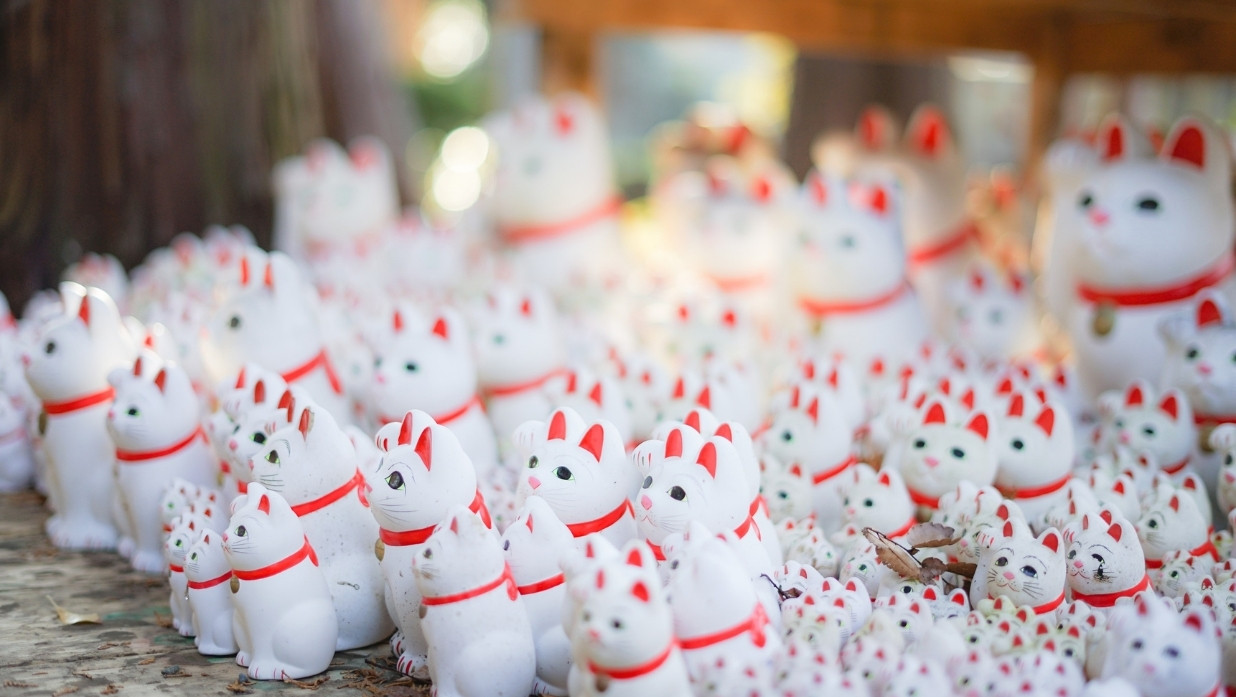
Halloween in Japan is just around the corner, and when is a better time to learn some Japanese Halloween vocabulary, if not now? How else can you describe some of the ghosts, monsters, and creepy crawlers that will spring up across the nation? Japan is no stranger to celebrating various occasions, and Halloween is quickly […]

Want to learn Japanese hiragana? In this blog, we share our own PDF learning Hiragana practice sheets and links to some popular apps for learning Japanese. Just started learning Japanese? Head to our main article about the Japanese writing system for a more comprehensive guide! Apps for Learning Hiragana If you are just getting started […]
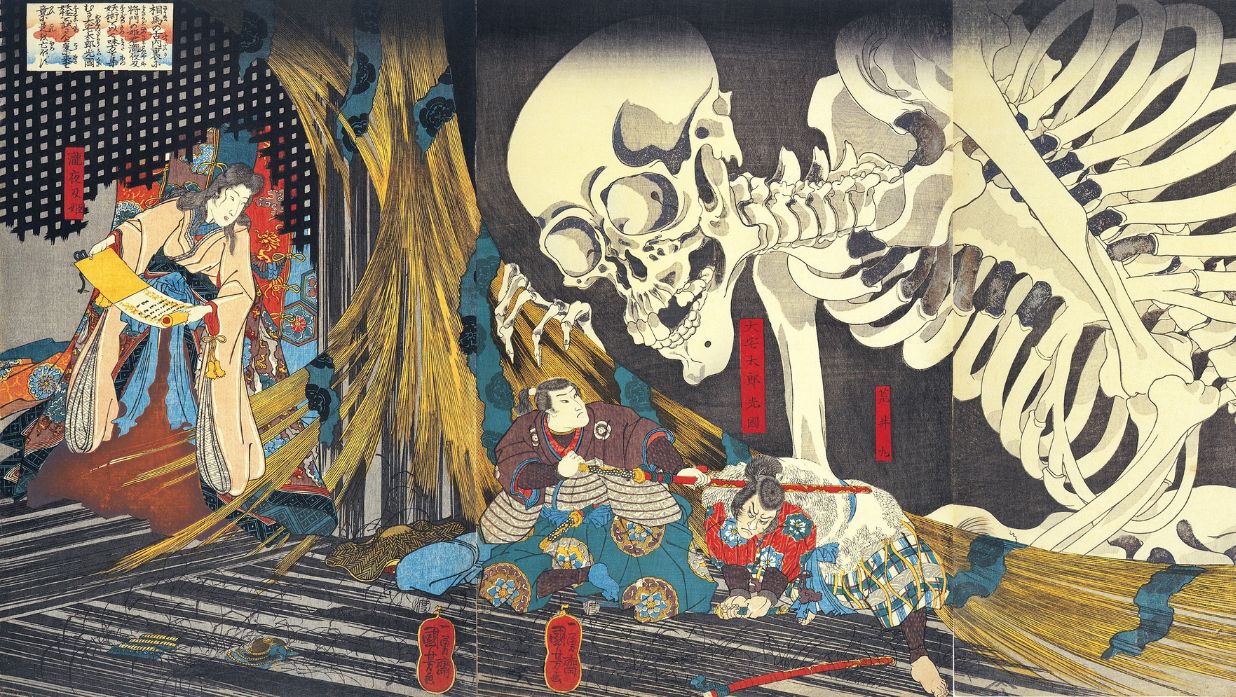
What ghosts or creatures chronicled in Japanese folklore are lurking among the shadows, or perhaps hidden in plain sight?
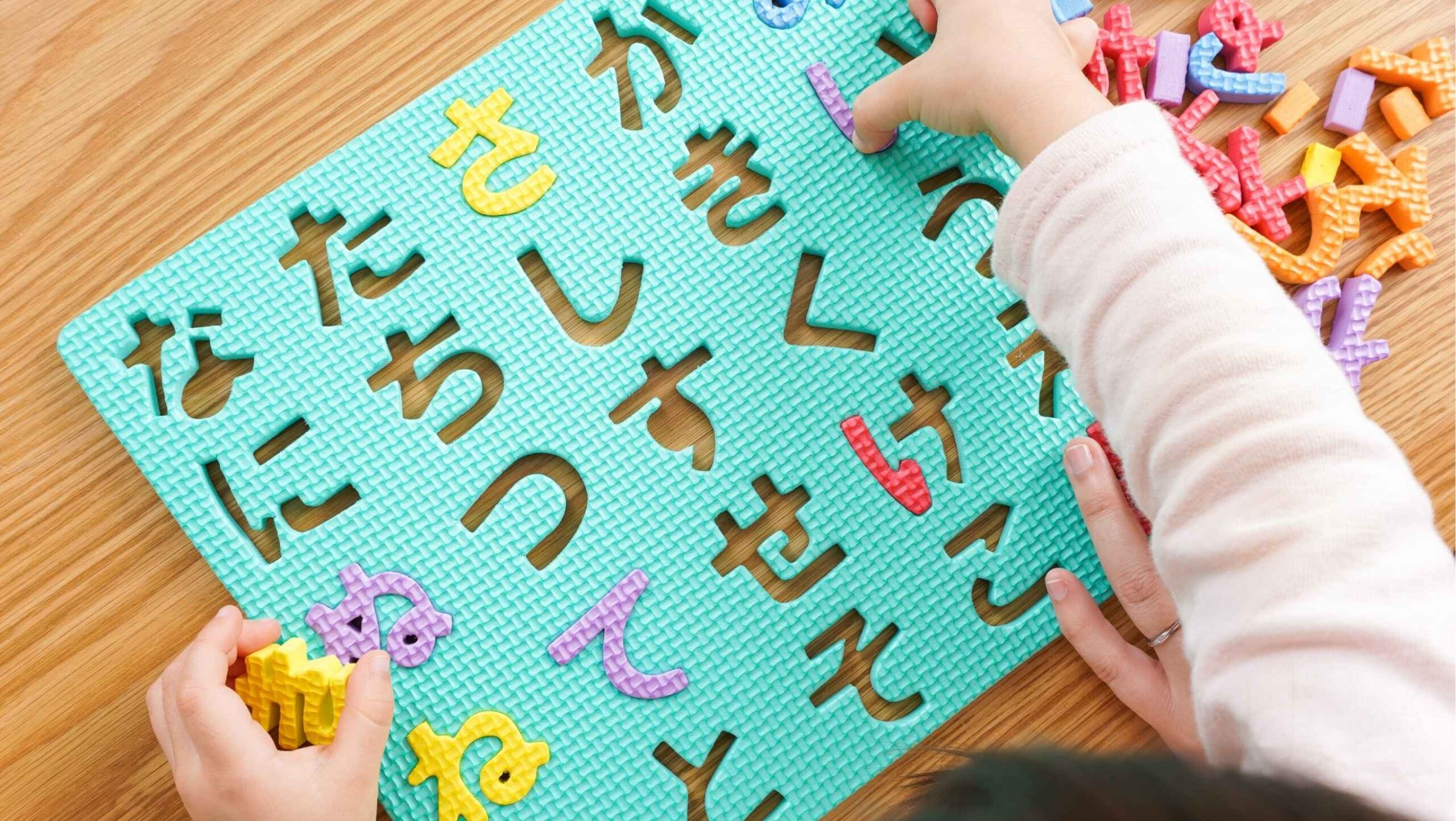
Whether you’re a beginner or an advanced learner, these apps are sure to help you achieve your language learning goals

If you’ve decided to finally make a deep dive into mastering your language learning in Japan, you might be considering moving to the capital, Tokyo, or its nearby neighbor, Yokohama. Tokyo is more suited for those who like living at a fast pace and desire to be at the heart of all the action with […]

Welcome to Japan! Along with your first steps in your new life in Tokyo, one of your first priorities is to start learning Japanese. Some of you might already have a certain level of Japanese ability, such as reading and writing hiragana and katakana. But what if you have never learned Japanese before? When you […]