



What is Showa Day? Remembering History in Japan
The intention of Showa Day is to encourage reflection upon the years 1929-1989, otherwise known as the Showa Era – an intense time in Japan.

The intention of Showa Day is to encourage reflection upon the years 1929-1989, otherwise known as the Showa Era – an intense time in Japan.
Golden Week is coming up! Learn more about each of the holidays and find out when it is.

The JLPT N4 phrase, 〜のに (~noni), is often used to contrast two opposing remarks, similar to saying “even though.” You can use this phrase to express dissatisfaction, surprise, or regret over something unexpected or disappointing. So, let’s learn how to use this JLPT N4 grammar point by breaking down its meaning, structure, and example sentences. […]
The JLPT N4 grammar 〜しよう closely translates to “let’s do!” The grammar is actually the volitional form of する, meaning “to do.” Volitional form is a verb conjugation that is used to express an invitation or suggestion. So let’s break down what the volitional form is, how it works, and how we can use it […]
The JLPT N4 grammar 〜させてください (~sasete kudasai), which closely translates to “please let me do…” It is often used as a polite way of asking for permission to do something. So, let’s learn how to use this JLPT N4 grammar point by breaking down its meaning, structure, and example sentences. Contact Us and Start Learning […]
The grammar pattern ~ていく (te iku) is used to express a change or action that begins now and continues moving forward in time. It combines the て-form of a verb with 行く (iku), which literally means “to go,” giving the overall meaning of something “going on” or “continuing from this point.” At some point, your […]
The Japanese particle に (ni) is one of the language’s most essential — and most versatile — building blocks. Used to mark location, destination, time, purpose, and more, に roughly corresponds to “in,” “at,” “to,” or “towards” in English, though its exact meaning always depends on context. If you’re a beginner trying to get a […]
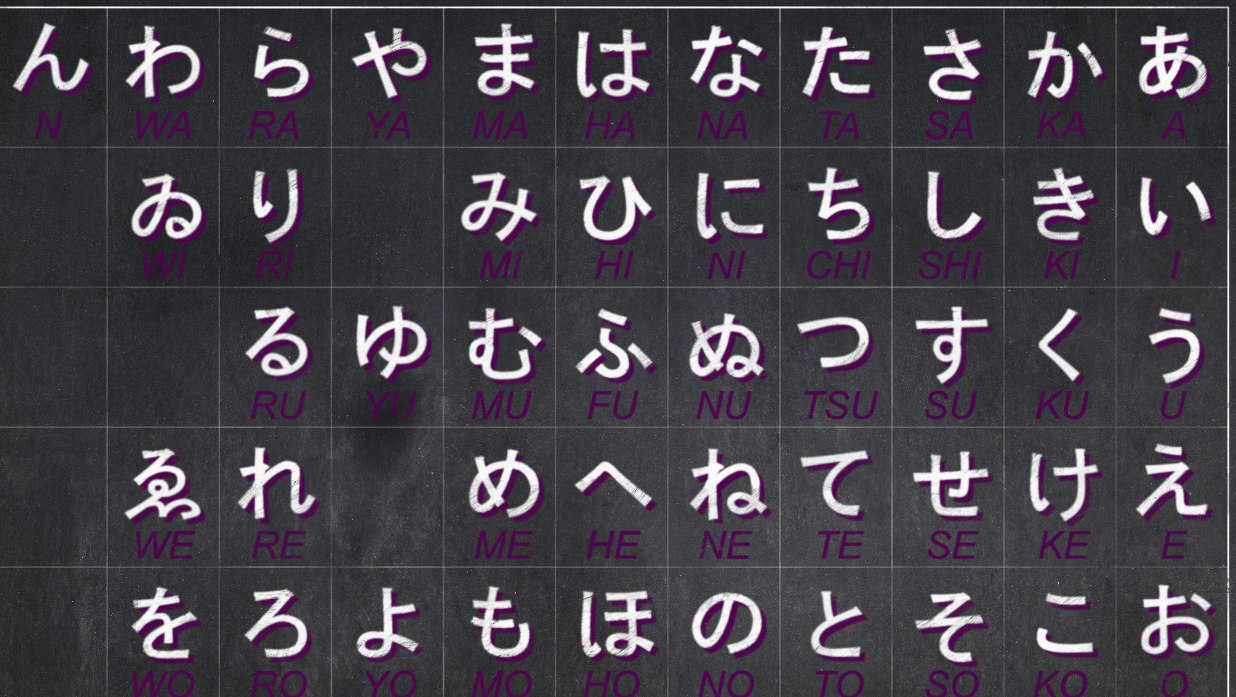
Welcome to your free JLPT N4 Kanji mock test! This test is designed to test your ability to use kanji in certain contexts, as well as build the skills necessary to take the actual JLPT N4 test with confidence. While we provide an online quiz version for those who want to get their results instantly, […]