
Introduction: 

If you’re planning a trip to Tokyo, you’ll likely be landing at either Haneda Airport or Narita Airport, the two main gateways to Japan’s bustling capital. Of the two of them, Haneda Airport is far more centrally located to Tokyo and is often the preferred choice for many travellers. Narita, on the other hand, is located quite far from central Tokyo, which can make navigating the city far more of a hassle, especially for visitors who are already combating the jet lag and fatigue from their flights. 

In this article, we will have an in-depth look at all the transportation options available to reach Tokyo from Haneda Airport, ranging from trains, shuttles, and taxis, so that you can determine which option is best for you and your needs. 

Overview of Haneda Airport   

Haneda Airport is located in the Ota Ward of Tokyo and is situated 15 kilometers from Central Tokyo, making it a far more convenient choice than Narita Airport, which is 66 kilometers away from the center. 

The only drawback to choosing Haneda Airport is that airplane tickets tend to be more expensive than those arriving at Narita. However, taking into account transportation costs, the total price of flying into the two airports can be quite comparable. Haneda is also situated almost perfectly in between Tokyo and Yokohama, allowing travellers easy access to both cities. 

Haneda Airport Terminals

There are three main terminals in Haneda Airport. Haneda Airport’s first terminal is used for domestic flights within Japan. The second terminal handles predominantly domestic flights with a few international flight exceptions. The third terminal is the main terminal for the vast majority of international flights. 

If you are flying to Japan from abroad, chances are you will most likely arrive and depart from Haneda Airport Terminal 3. 

If you need to connect to a different terminal, there is a free shuttle bus that connects all three terminals together and runs frequently. Terminal 1 and Terminal 2 are also directly connected via an underground walkway, making any connections hassle-free.

Travellers can also use the train to reach other terminals (either the Tokyo Monorail or the Keikyu Line). The trip takes approximately 4 minutes and is free for travellers who are in the process of transferring planes. All you have to do is show your passport and plane ticket to the information counter to get a free pass. 

How to Get to Tokyo from Haneda Airport by Train 
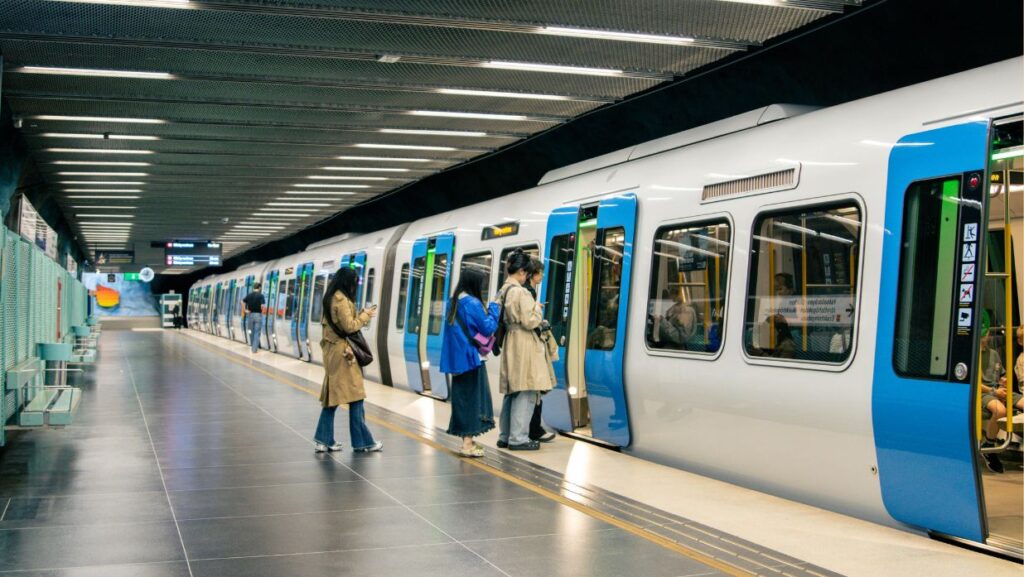
Image of the Tokyo train departing from a station
ProsCons
Affordable faresTravellers may not want to stress about station navigation immediately upon landing
Fast travel timeCan be difficult for travellers carrying a lot of luggage
Well-designed system that covers all of the Tokyo areaPotential accessibility issues in some locations
ConvenientCrowded during peak hours

To travel from Haneda Airport to the center of Tokyo, many people choose to take the train, which is a fast and convenient option for travellers. 

From Haneda Airport, it takes around 20 minutes to reach Tokyo Station, 40 minutes to reach Shinjuku, 38 minutes to reach Shibuya, 26 minutes to reach Akihabara, and a little over an hour to reach Tokyo DisneySea. 

Having a Suica card is essential when visiting Tokyo, regardless of whether or not you are entering the city via train from the airport. This card will allow you to navigate the Tokyo train with ease and make paying for train fare smooth and simple. You can choose to purchase a Suica card at their vending machines located at major stations, including Haneda Airport and JR East stations. However, you will see most locals simply use their phones to pay for their train tickets.

Downloading Your IC Card to Your Phone

If you have an iPhone, you can simply go to your Apple Wallet and select the Suica card under the “Express Transit Card” section. This will add your Suica card to Apple Wallet, eliminating the need for a physical card and making travel far more convenient. Additionally, you can add more funds to the card whenever you want and have them be directly deposited onto your card within seconds. 

If you are an Android user, the process is a little more complex. Users will have to download the Suica mobile app; however, this app is designed for those already living in Japan and who have a Japanese address and phone number. If you are an Android user, the easiest solution will be to purchase a physical card and periodically add funds to it at a ticket machine, a convenience store (7-Eleven, Lawson, Family Mart), or at an ATM that displays a Suica logo. 

Going to Different Areas in Tokyo by Train

Once you have successfully obtained your Suica card via one of these methods, the ride into Tokyo will be painless and efficient. However, there are still factors to consider before deciding whether or not using the train to get into Tokyo from Haneda is the right decision for you and your needs. 

It is worth noting that many train stations in Tokyo, particularly major hubs such as Shibuya and Shinjuku, are massive in terms of size and can initially be a challenge to navigate for new tourists. There are also many stairs in these stations, and while elevators are often available, they can be cramped, crowded, and not always conveniently located. 

For travellers carrying many pieces of luggage, bags, or who are simply fatigued from their long journey, taking the train may not be the best option. On the other hand, the efficiency of Tokyo’s train system is unparalleled, and it is very affordable. Fares from Haneda to major tourist destinations are as follows:

DestinationFare (¥)
Shibuya¥730
Shinjuku¥730
Tokyo Station¥505
Ueno¥700
Shinagawa¥330
Ginza¥550
Akihabara¥690
Tokyo DisneySea¥1,300

As you can see, using the train is a budget-friendly option and will ensure a fast trip to any destination within Tokyo due to the well-organized design of the train and its many lines that reach neighborhoods far and wide. 

Want to become a pro at navigating Japan’s vast public transport network before you arrive in the city? Check out our article detailing everything you need to know about Japanese transportation

Getting to Tokyo from Haneda Airport with Airport Limousine Bus

Image of an airport shuttle bus driving on the road
ProsCons
Affordable faresPotential traffic delays
Guaranteed seating optionsLimited seating capacity
Luggage storage and baggage assistanceLess destinations than trains, especially for less touristy areas
Complimentary Wi-FiLate-night services are not available
Restrooms available

Another option to travel from Haneda to Tokyo is via an Airport Limousine Bus. This option is great if you wish to avoid the potentially jam-packed trains during peak hours or if you want more personal space for yourself and your luggage. 

The bus routes cover many tourist areas in Tokyo, including Shibuya, Shinjuku, Ikebukuro, Tokyo, Asakusa, and Odaiba. Check out the full timetable for different areas here. 

Before booking tickets, ensure that your accommodation is within a reasonable distance of the locations covered by the airport limousine bus, as its reach is not as all-encompassing as the Tokyo metro. With that being said, if you are staying in a hot spot that is filled with hotels, it is guaranteed that the bus will make stops there. You can check the list of stops for the Airport Limousine Bus from Haneda Airport here. 

Tickets can be purchased at the Airport Limousine Bus counter at the airport. You can even pay them immediately on the bus if you use an IC card. The prices departing from Haneda Airport to popular tourist destinations are as follows: 

DestinationApprox. Fare (¥)
Shibuya¥1,300
Shinjuku¥1,400
Tokyo Station¥1,200
Ueno¥1,050
Shinagawa¥500–1,000
Ginza¥1,100
Akihabara¥1,100
Tokyo DisneySea¥1,300+

The airport bus limousine is a slightly more expensive option than the train, but the difference is definitely not a huge one. If you are staying at a popular hotel, the bus may very likely have that hotel on its route for an immediate drop-off that places guests directly in front of their accommodation.

There is also more leeway for those with larger luggage or with a greater quantity of baggage, as the storage areas are more accommodating than those on the train. In addition to the space, there is also the option for bus staff to assist you with your luggage, which is a helpful bonus for those lugging around more baggage. There is also complimentary Wi-Fi provided, as well as restrooms and sinks on board the bus.

Keep in mind that the bus is at the mercy of traffic flow, with the travel time it will take to reach your desired location potentially vary drastically depending on the time of day. Additionally, a reservation may be required as spots are limited on these buses. 

How to Get to Tokyo: Taxi/Ride Share 
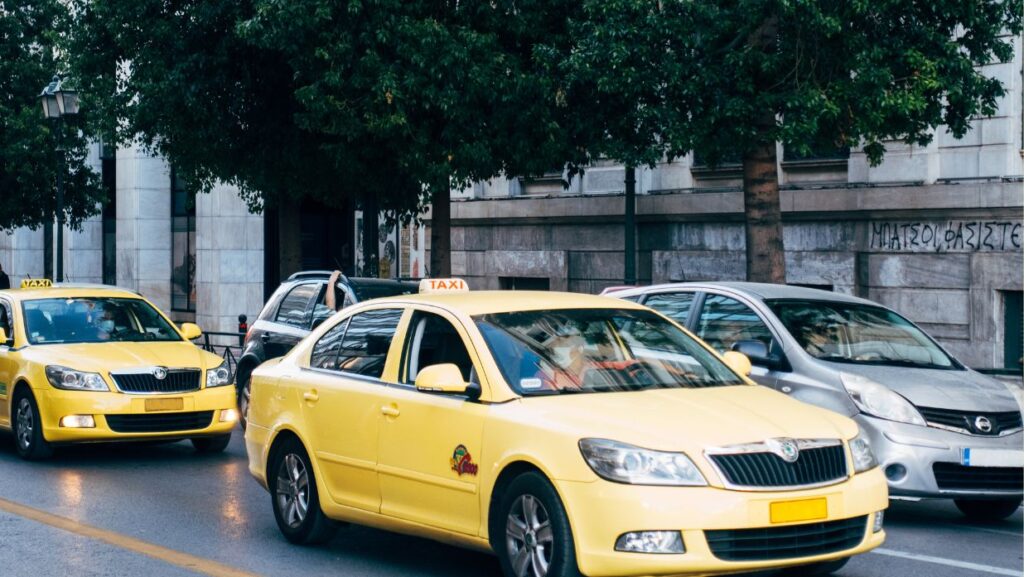
Image of a taxi cab driving on a road with others.
ProsCons
Best option in terms of comfort levelsMuch more expensive than the train and bus
Driver handles everything; no need for transfers or self-navigationTravel time depends heavily on traffic
Most area for legroom and luggage storageIt can take a while to receive one if called during peak times
Several apps to choose from, including set payment options

If comfort is priority above all else, then choosing a taxi or ride share service is your best bet when travelling from Haneda Airport to Tokyo. On average, here are the ride-share costs to reach major destinations in Tokyo from Haneda: 

DestinationApprox. Fare (¥)
Shibuya~¥9,000
Shinjuku~¥9,500
Tokyo Station~¥7,200
Ueno~¥9,700
Shinagawa~¥6,100
Ginza~¥8,300
Akihabara~¥8,200
Tokyo DisneySea~¥12,000

As you can see, the costs for hiring a ride share service are higher than taking the train or the airport limousine bus. However, the comfort factor is definitely the highest out of all the transport options available. 

Travellers have a variety of apps to choose from when calling a chauffeur, including traditional metered taxi cabs such as GO or DiDi, or calling an Uber.

  1. GO 

Of the two, GO typically has more availability across Japan, with the service being provided in 45 out of 47 prefectures across the country. GO also has English support and the ability to track a taxi’s live location.

  1. DiDi

DiDi has many of the same features as GO, including English support, a cashless payment system, and even upfront payment options, which resemble Uber’s model. However, DiDi is usually more limited to only major cities and can be less accessible outside of urban hubs. 

  1. Uber

Uberworks slightly differently in Japan. The company does not use everyday people’s personal vehicles to transport passengers; rather, these are official taxi services that operate in partnership with the Uber app. There is also an option to choose metered taxis through Uber, which can potentially save a little bit of money. Regardless, all transactions are handled via the Uber app. 

Tips for Getting From Haneda to Tokyo

There are a few tips and tricks that will make navigating Tokyo transportation options much easier and help you prepare for your time in Japan. 

1. Download your IC Card ahead of time

As mentioned previously in the train section, having a Suica card is a necessity when using Japanese transportation. There is also a PASMO card, which serves the same purpose as a Suica card and is equally effective in its purpose. PASMO can also be used to pay for train and bus fares, as well as in some convenience stores and vending machines for goods. Similar to Suica, it can be purchased at a ticket vending machine in a train station or can be loaded onto your Apple Wallet for iPhone users. 

2. Keep in mind of public transportation schedule

Public transportation in Tokyo is not available 24 hours. The Tokyo trains run roughly from 5 am to midnight every day, with most bus services operating within these hours as well. If you plan on staying out late at night, you will either have to rely on a ride share app, walk, or wait until the first train or bus to get back to your destination. 

During operating hours, transportation follows a strict schedule that very rarely sees any delays.   

3. Respect the cultural norms

It is also beneficial to learn some transportation etiquette when travelling in Japan. Most importantly, do not cut in line. This applies to waiting in line for a train car, the escalator, the elevator, or scanning your IC card. Allow passengers leaving the car to exit first before you make your way into the train. Additionally, speak quietly when using the train, as speaking too loudly is viewed as disrespectful and inconsiderate to fellow passengers. Moreover, do not discard trash on the train or in train stations. 

There are not many public trash cans in Japan, so be prepared to carry around your trash until you get back to your accommodation by either carrying a bag or ensuring you have enough space to put it on your person. Check out our article here at Coto detailing Japanese etiquette and cultural norms for an even deeper dive into this subject.

4. Use luggage delivery service

For those who do not want to carry around heavy luggage, take advantage of takkyubin, a luggage delivery service. This service can transport your bags to your hotel or from the hotel to the airport. 

In order to do the prior, there are counters for Yamato Transport and Sagawa Express, two couriers which offer this service, in all three terminals at Haneda. If you want to send luggage to the airport, you can let your hotel know at least 2 days in advance and they can assist you in filling out the necessary form.

 There are also options to fill out this form and drop off luggage at convenience stores, and your luggage can be picked up from there. Similarly, this should be completed at least a few days before your flight to ensure everything goes smoothly. 

Which One Should I Choose to Get from Haneda to Tokyo?

Now that we have covered each transportation option to get to Tokyo, it’s time to decide which one is best for you. The answer ultimately comes down to what you prioritize.

If affordability is what is most important, then the train is the winner. With its unbeatable fare prices and stations around almost every corner, it is not only affordable but incredibly efficient.

If you are staying somewhere centrally-located and are willing to spend a little bit more and enjoy some of the amenities, then choosing the airport limousine bus is the right option for you.

If comfort and convenience are at the top of your priorities, then opting for a taxi or ride share service is the way to go. Nothing beats sitting in a private, peaceful vehicle and having your baggage taken care of after a long flight; but of course, this is the most expensive option out of all of these. 

Ever wondered what all the road signs in Japan mean as you ride around in Tokyo? Feel free to check out our article about road signs in Japan to get a feel for what the driving scene here is like. 

Travel Easily Around Japan by Learning Japanese!

There are many options for getting into Tokyo from Haneda Airport, so choosing the one that best fits your needs is important when traveling around the city. At Coto Academy, we understand that navigating a new city can be daunting, especially when you don’t speak the language.

To make travel in Japan easier and more productive, study Japanese at Coto Academy in Tokyo and Yokohama. With our Japanese courses, you’ll be able to get around Tokyo with ease and communicate confidently! 

As a conversation-focused language school, Coto helps you build practical Japanese skills for real-life situations. Our friendly native teachers offer lessons that enable you to speak naturally and confidently while managing travel arrangements, sightseeing, and daily interactions.

Why join Coto Academy?

  • Small classrooms with only up to 8 students for personalized support
  • Professional native Japanese teachers, all trained to help you succeed
  • Over 60 different Japanese classes across 18 levels, tailored to your needs
  • School locations in Shibuya, Minato, Iidabashi, and Yokohama, plus a fully online Japanese language school, so that you can learn anywhere, anytime!

Ready to join? Contact us below, and our friendly staff will get back to you to help you get started!

FAQ:

How do I get from Haneda Airport to Tokyo?

There are several options people can choose from to reach Tokyo from Haneda. There is the metro option, which provides a quick and affordable way into nearly every part of the city. Another is the airport limousine bus, which allows for a more comfortable and stress-free experience that costs just a little bit more than the metro. You can also take a taxi or ride share service, which is by far the most relaxing and convenient option, but also the most expensive.

Is there a free shuttle at Haneda Airport?

Yes, there are free shuttles taking travellers between the three terminals at Haneda Airport. Additionally, hotels that are located nearby the airport usually offer complimentary shuttles for guests to reach the airport.

How much is the train from Haneda to Tokyo?

How much a train will cost to reach Tokyo from Haneda depends on where in Tokyo you will be staying. On average, the price usually falls in the ballpark of ¥300 to ¥1,500 depending on distance.

What metro line is Haneda Airport on?

Haneda Airport is on the Keikyu Line and the Tokyo Monorail Line.

Is it better to go to Narita or Haneda?

It is better to go to Haneda Airport due to the location being much closer to central Tokyo than Haneda. While tickets into Haneda are typically more expensive, the transportation costs from Narita can potentially even out the playing field. In general, most travellers find Haneda to be far more desirable to fly into than Narita.
How do you say “cabin” in Japanese? In this cheat sheet, we have a list of the most common Japanese vocabulary about airports to help you be ready to take off.

When travelling in airlines such as ANA or Japan airlines, it can be useful to know the Japanese terms for the various cabin-related terminology.

Flight travels might come to a halt because of COVID-19, but that doesn’t mean you don’t have to prepare yourself for the next time you’re traveling to and from Japan.

For example, knowing the Japanese term for “overhead storage compartment” (キャビン) can help you communicate with the person seating next to you if they’re Japanese.

Importantly, we want to make sure your journey goes smoothly by learning a few useful Japanese words before you depart!

In case you miss them, check out the first and second part of our Japanese airplane vocabulary series.

Japanese Airport Vocabulary –

JapanesePronunciationMeaning
キャビンKyabinCabin
にもつだなnimotsudanaOverhead storage compartment
まどmadoWindow
ざせきzasekiSeat
つうろtsūroAisle
シートベルトshītoberutoSeat Belt
テーブルtēburuTable
ひじょうぐちhijōguchiEmergency exit
ちゃくりくchakurikuLanding
のりつぎnoritsugiTransit
にゅうこくしんさnyūkoku shinsaImmigration
にゅうこくードnyūkoku kādoImmigration card
ぜいかんしんこくしょzeikan shinkokushoCustoms declaration
けんえきken’ekiQuarantine
てにもつうけとりしょtenimotsu uketorishoBaggage Claim
ぜいかんzeikanCustoms
とうちゃくロビーtōchaku robīArrival Lobby

If you wish to have a short-term study in Tokyo, Check out our 3-month intensive Japanese courses. And, feel free to send us an inquiry if you have any questions!

Start taking Japanese lessons and master these terminology today!

Want to learn more about Japanese vocabulary about airports? Find out more in this cheat sheet, where we cover the takeoff and in-flight procedures!

Pronunciation, meaning, and example sentences are all provided to help boost your spoken and written Japanese levels. Do check out the first part of our Japanese airport vocabulary cheat sheet if you have yet to do so!

As the airport follows a tight schedule to prevent delay, you need to always arrive at the boarding gate 搭乗口(とうじょうぐち tōjō guchi) early before the flight takes off!

If there is a long waiting time before your boarding time, feel free to shop around in the duty-free stores 免税店 (めんぜいてん menzeiten), which can be found all over the airport.

Head to part three if you’re curious to learn more Japanese airport vocabulary!

Take off 離陸 (りりく ririku)

Here are some take-off related vocabularies:

JapanesePronunciationMeaning
出発ロビーしゅっぱつ shuppatsu robīdeparture lobby
出国審査しゅっこくしんさ shukkoku shinsaimmigration (departure from a country)
外貨両替がいかりょうがえ gaika ryōgaecurrency exchange
免税店めんぜいてん menzeitenduty-free store
待合室まちあいしつ machiai shitsuwaiting room
搭乗口とうじょうぐち tōjō guchiboarding gate
優先搭乗ゆうせんとうじょう yūsen tōjōpriority boarding
離陸りりく ririkutaking off

In flight 飛行中 (ひこうちゅう hikō chū)

Here are some in flight related vocabulary:

JapanesePronunciationMeaning
客室乗務員きゃくしつじょうむいん kyakushitsu jōmuinflight attendant
機長(キャプテン)きちょう kichō (kyaputen)captain
機内食きないしょく kinaishokuin-flight meal
機内免税品販売きないめんぜいひんはんばい kinai menzeihin hanbaiduty free sales

Example Sentences

Here is how you apply the terms in sentences:

Example 1:

By saying: ‘搭乗口へは出発時刻の10分前までにお越しください。’

Pronunciation: tōjō guchi he wa shuppatsu jikoku no 10-bu mae made ni okoshi kudasai.

It means: ‘Please arrive at the boarding gate at least 10 minutes before departure time.’

Example 2:

By saying: ‘出発ロビーに行く前に免税店で家族のお土産を買いました。’

Pronunciation: shuppatsu robī ni iku mae ni menzei ten de kazoku no omiyage wo kaimashita.
It means: ‘I bought souvenirs at the duty-free store for my family before heading to the departure lobby.’

Visiting or traveling in Japan? Check out this cheat sheet of Japanese vocabulary about airports and the departure process!

Airports can become a stressful environment if you are not fully prepared with necessary items. Always make sure that you have your Passport (パスポート) and other documents before leaving for the airport!

In this cheat sheet we have included helpful vocabulary related to the airport with pronunciation, meaning and example sentences provided for you to successfully navigate your way through departure.

Japan has a total of 29 airports located all across the four main islands and other smaller islands, with 5 international airports and the rest being local airports that fly domestically.

The main international airports in Japan are the Narita International Airport and Haneda Airport, also known as Tokyo International Airport.

When flying in Japan, it is important to check the geographical location of the airport, and whether you are flying a domestic or international flight.

Departure 出発 (しゅっぱつ shuppatsu)

JapanesePronunciationMeaning
空港くうこう kūkouairport
飛行機ひこうき hikōkiairplane
国内線こくないせん kokunaisendomestic flights
国際線こくさいせん kokusaiseninternational flights
パスポートパスポート Pasu pōtopassport
航空券こうくうけん koukūkenplane tickets
カウンターkauntācounter
搭乗手続きとうじょうてつづ toujõ tetsuzukicheck in
自動チェックイン機じどう き jidō chekkuin kiself check-in machine
ターミナルtāminaruterminal
荷物にもつ ni motsuluggage/belongings
手荷物検査てにもつけんさ tenimotsu kensasecurity check

Example Sentences

Here are some example sentences utilising the vocabulary you just learnt:

Example 1:

By saying: ‘パスポート航空券は一緒にお持ちでしょうか?’

Pronunciation: pasupo-to to koukūken wa issho ni omochi deshouka

It means: ‘Do you have your passport and plane ticket with you?’

Example 2:

By saying: ‘羽田国際線ターミナルに行って、荷物をチェックインしました。’

Pronunciation: haneda kokusaisen tāminaru ni itte, nimotsu wo chekkuin shimashita.
It means: ‘I went to Haneda International Terminal and checked in my luggage.’

Travelers planning to visit Japan in the future may face a few changes: starting in 2026, Japan is set to increase its visa fees and departure tax, and will also introduce JESTA pre-screening.

Japan has quickly earned a reputation amongst travellers and expats as an affordable country to travel to, with daily costs being considerably lower than in many other tourist hot spots. Among these costs, the price for a visa and the departure tax is also noticeably lower than in other comparable nations. In fact, the country has not updated its visa prices for more than 40 years, since 1978. However, Japan is now en route to increasing the costs for visas and its departure tax to more closely resemble those of other G7 countries, which are, on average, higher than those of Japan and generate significantly more revenue as a result. 

What are the new visa fees? What is the departure tax? Who will be affected? Here’s everything you need to know about Japan’s increased visa fees and departure tax coming in 2026.

Current Visa Fees and Departure Tax in Japan

At present, a single-entry short-stay visa costs ¥3,000 (around $20 USD), a double or multiple-entry visa is ¥6,000, and a transit visa costs ¥700. These fees have remained unchanged since 1978, making them quite low compared to many other countries. The Japanese government has announced plans to increase these fees, with the additional revenue expected to fund infrastructure, security, and social programs, such as free high-school tuition, without placing a burden on domestic taxpayers. 

In addition to visa costs, Japan imposes a departure tax of ¥1,000 per person on all travellers leaving the country by air or other applicable transport, including Japanese nationals. Introduced on January 7, 2019, this tax is typically included in the airfare or transport ticket.

Current Visa Fee and Departure Tax in Japan

Type of FeeAmount (¥)Approx. USD
Single-Entry Visa3,000~$20
Double/Multi-Entry Visa6,000~$45
Transit Visa700~$5
Departure Tax1,000~$7

What is Changing in 2026 in Japan?

2026 will see changes to both visa fees and departure tax costs for those looking to visit Japan. Let’s break it down by each category so that we can understand these new policy changes together.

1. Visa Fee Increase

As stated above, the current visa fee is ¥3,000 for a single-entry and ¥6,000 for a multi-entry, while a transit visa is ¥700. These amounts will change in 2026; however, the exact costs for the updated price have yet to be determined by the Japanese Ministry of Foreign Affairs and the Ministry of Justice and Immigration. 

What we do know is that these price increases are set to mirror the visa costs of other G7 countries more closely, of which Japan is the outlier with its comparatively low visa costs when stacked up against other G7 countries:

CountryShort-Term VisaLong-Term Visa
Japan¥ 3,000 ¥ 6,000 
United States $185 (~ $28,324)$205-1000+ (~ ¥31,379 – ¥153,072)
United Kingdom£127 (~ ¥22,432)£475 (2 years)£848 (5 years)£1,059 (10 years)
(~ ¥95,394 – ¥218,863)
Germany€90 (~ ¥15,896)€ 99 (~ ¥17,481)
France€90 (~ ¥15,896)€ 75 (~ ¥13,243)
Italy€90 (~ ¥15,896)€ 116 (~ ¥20,483)
Canada(CAD) $100 (~ ¥10,837)(CAD) $ ~150 (~ ¥16,256)

For more up-to-date information on visa fees, visit the official website of the Ministry of Foreign Affairs in Japan. As you can see, the Japanese visa costs for both short and long-term stays are significantly lower than those of other countries. This has remained the case for 40 years, which is why the Japanese government has proposed a more up-to-date price that more closely resembles that of other countries.

2. Departure Tax Increase

The current departure tax of ¥1000 is also set to increase in 2026. The exact cost of the revised tax policy has also yet to be officially determined. However, the cost will likely follow trends that have already been established by the other G7 countries. 

As of current, the United States has a departure tax of $22.90 (¥3,513) for flights departing the country. The U.K. has a departure tax that can range anywhere from £14 to £224, depending on the ticket class and destination. France’s departure tax ranges from €7.40 for domestic flights in economy class all the way to €2,100 for long-distance flights on private jets, and so on. 

Moreover, unlike the U.K. and France, Japan’s departure tax of ¥1,000 is applied uniformly to each passenger, regardless of seat class, destination, and carrier type. This significantly reduces the revenue generated from these types of taxes and makes the revenue comparatively lower when stacked up against other G7 countries. 

What is the Departure Tax?

Departure taxes are a common form of taxation in which the country of departure charges a certain amount, often included in the cost of a flight ticket, upon leaving its borders. Domestic flight taxes are also accounted for in many countries, be it by an exact rate or an accumulation of fees,  such as the case in the other G7 countries. Unlike other countries, Japan does not currently impose any domestic departure taxes. 

3. JESTA: Digital Screening for Visa-Free Travelers

Japan is set to introduce a new system called JESTA (Japan Electronic System for Travel Authorization), similar to the U.S. ESTA program. This system will pre-screen travelers from visa-exempt countries before they enter Japan to prevent illegal immigration by identifying potential risks in advance.

Under JESTA, travelers from the 71 visa-exempt countries will need to submit their travel information online before departure, including their purpose of visit and intended place of stay. The Immigration Services Agency will review the submissions, and if any concerns arise, the traveler may be denied electronic travel authorization and advised to apply for a regular visa at a Japanese embassy.

Currently, JESTA is expected to be implemented in 2028. Nationals from visa-exempt countries, including the U.S., U.K., and Australia, will be required to register online with their passport and trip details before entering Japan. A small processing fee is expected, likely around ¥600.

 Why is Japan Raising its Visa Fees and Departure Tax?

The Japanese government is raising visa fees and the departure tax for several different reasons. Firstly, the growing need to address overtourism and generate funds to accommodate the massive number of tourists visiting the country every year, without financially burdening Japanese citizens. As a result, these increased costs are passed on to and paid for by tourists so that the Japanese people do not see their tax rates increase to cover these costs. 

Additionally, the funds generated from increased visa costs and departure taxes, which is speculated to bring in approximately ¥300 billion worth of revenue, will be redistributed across a variety of different sectors. In 2024, the amount of money generated from these same fees and taxes was around ¥48.1 billion, making the updated revenue around six times greater than before. 

These newly acquired funds would go back into a diverse range of projects and goals, including maintaining free high-school education for Japanese students, lowering passport renewal fees for Japanese citizens, and modernizing airports with more advanced operating systems and necessary expansions. 

Who is Affected by the Price Hike?

Category of TravellerVisa FeeDeparture TaxJESTA Fee
Visa-waiver countriesNot requiredAppliesWill apply (from 2028)
Non-visa-waiver countriesApplies (will increase in 2026)AppliesWill apply (from 2028)
Japanese nationalsNot requiredNot requiredNot required
Diplomatic/official passport holdersUsually exemptUsually exemptWill apply (from 2028)

Fortunately, travellers from the 71 visa-waiver countries will not need to pay visa fees, as they are already exempt. Common countries in this group include the U.S., U.K., Australia, Canada, most EU nations, and several Asian countries. 

On the other hand, travelers from countries that are not visa-exempt will notice a price hike during their application. The most common nationalities from non-exempt countries are tourists from China, South Korea, and Taiwan, so this price increase could potentially see a decrease in the number of visitors from these countries. 

However,  even visa-exempt countries will also see an increase in their costs due to the newly suggested JESTA fee. While this is not set to be implemented until 2028, this extra step before entering Japan will require visitors to document their passports and itineraries before arriving in the country. The estimated fee for JESTA is likely to be around ¥6,000. This new policy is designed to increase security, make the entrance process into Japan smoother, and generate revenue to accommodate tourism and travel infrastructure for the country. 

There are also talks of eliminating Japan’s tax-free policy for foreign visitors, in which certain stores provide the opportunity for travellers to show their passports in exchange for being exempt from the 10% consumption tax. To learn more, check out our article covering the consumption tax in Japan

As for the departure tax, this will affect every visitor coming to Japan, regardless of visa-exemption status. Each traveller will inevitably be required to pay the decided amount upon departure from the country. 

What Other Measures Has Japan Taken to Address Over-tourism? 

1. Blocking landmarks

Recently, Japan has taken quite a few measures in order to address the record-high number of visitors to the country. For example, some areas and landmarks that were once frequented by tourists no longer allow or have discouraged visitors from coming. The popular photo-op of the  Lawson convenience store with Mt. Fuji in the background, which attracted large numbers of visitors yearning to get the iconic shot, now has a barrier aimed at keeping tourists off the road for their shoot. 

The decision to install a barrier was not only for the safety of visitors, but was an attempt to decrease the amount of overall tourist traffic from visiting the site in order to appease locals. As it had become a viral photoshoot location, there were unfortunately negative impacts on traffic congestion and littering in the area. 
2. Limiting visitors 
Japan has also put into place limits on the number of allowed visitors in certain popular areas. The Yoshida Trail, the most frequented climbing route for Mt. Fuji, now has a daily cap for the number of visitors allowed to embark on the climb each day, which is currently set at 4,000. In addition to the visitor cap, climbers cannot simply decide to partake in a spontaneous visit to the mountain, as reservations must be made in advance, alongside a ¥4,000 hiking fee per person. 

Planning a trip to Mt. Fuji during your visit to Japan? Read our guide to climbing Mt. Fuji, which covers everything that you will need to know! 

Similarly, the popular Iriomote Island near Okinawa has limited the number of visitors to 1,200 per day to protect the island’s natural beauty and make certain parts of the island inaccessible. 

3. “Tourist” Price Gauge

One of the most well-known examples of a Japanese city combating overtourism can be seen in Kyoto. This historic city, known for its many temples, shrines, and nature, has seen an influx of tourists as the city gains more notoriety, especially in the online sphere. The quaint city’s infrastructure has struggled to accommodate the millions of tourists visiting per year, which has made daily life for locals quite difficult. 

Moreover, there have been many reports of tourists acting inappropriately and disrespectfully, such as harassing geisha in the Gion district or carving their initials into the Arashiyama Bamboo Forest, to name a few. 

In order to combat the effects of overtourism, the city of Kyoto has implemented several measures. For one, the city has the highest tax rates for hotel rooms across all of Japan, utilizing a tiered system based on room cost. Additionally, parts of the Gion district are now blocked off to tourists due to unruly behavior towards the buildings and the geisha. There have also been pricing changes in terms of residents vs. tourists, with tourists paying more for certain attractions and facilities than Kyoto residents. 

To understand this issue more deeply, feel free to check out our coverage of overtourism in Japan and its effects. 

Conclusion

Japan’s upcoming changes to visa fees, departure taxes, and the introduction of JESTA reflect multiple objectives: managing overtourism, generating revenue to support tourism infrastructure, and easing the financial burden on households. 

FAQ:

Is there a departure tax from Japan?

Yes, the current departure tax from Japan is ¥1,000 and is paid by every person departing from the country. 

Is Japan increasing the tourist tax?

Yes, Japan is set to increase departure taxes from the current cost of ¥1,000 to around ¥3,000, making the updated tax mirror the departure taxes of other G7 countries more closely.

What is departure tax?

Departure tax is the tax that people pay when departing from an area or country. Departure taxes can be solely for those travelling internationally, or also for domestic travel in many countries as well. Each country has its own policies regarding its departure tax costs and how they will be applied to each traveller. 

What is the new tourist tax in Japan in 2026?

In 2026, the departure tax is set to increase to around ¥3,000 yen and visa costs for entering the country are also in the process of increasing. Japan has had comparatively low “tourist taxes” when stacked up against other G7 countries, and the updated costs will more closely reflect those of other countries.

How much is the visa fee for Japan?

The current visa fee for Japan is ¥3,000 for a short-term visa and ¥6,000 yen for a long-term visa. However, these costs will be increasing in 2026, although the exact updated amount has yet to be announced by the Japanese government. 

You might be interested in reading more about:

    Have you ever wondered what the term “omiyage” in Japan actually means? Most of you would know the term “souvenir” in English. It’s usually a physical item you buy from overseas to be kept as a memory of a particular place or event. Souvenirs bought are typically kept for you or given to others as a gift.

    However, did you know that “omiyage” (おみやげ) in Japanese is a somewhat different thing? Although it translates to souvenirs, it does not actually refer to things you buy for yourself as mementos from overseas. In this case, omiyage refers to the act of giving gifts that you buy to your friends, families, relatives, and coworkers. These gifts are often snack-related, such as cookies, biscuits, sweets, cake, or mochi.

    Omiyage shops are widely available in most tourist places of every country. This is where you’ll find a large variety of local items such as snacks, ornaments, and toys. Wondering what to buy for your friends and family after your trip to Japan? Here are some of the best Japanese souvenirs you need to get before you leave Japan!

    Origin of Omiyage in Japan

    Although the origin of the term “Omiyage” is unclear, it is said that the beginning of the custom began in association with the long pilgrimages on foot to the Shinto shrine. Whenever the pilgrims traveled, they would bring back evidence of their pilgrimage to their families. This usually came in the form of charms, rice wine cups, or other religiously significant items.

    It was thought back then that bringing back gifts would grant them protection. The protection would also be transferred to whoever received the items that were brought back from the sacred trip. This was the beginning of the culture of “omiyage”.

    Today, in Japan, as a way to thank your colleagues for supporting your work during your paid leave, you’d bring an omiyage to the office. It is an important and widely practiced tradition for people who visit overseas to return with omiyage from that particular place of visit. For example, if you visit London as a Japanese person, more likely you bring back a gift related to London, such as locally produced chocolate, chips, or biscuits.

    Omiyage shops are widely available in most tourist places of every country. This is where you’ll find a large variety of local items such as snacks, ornaments, and toys.

    Meaning of omiyage

    omiyage meaning breakdown in English

    Omiyage (お土産) means “souvenir” or “gift,” especially one brought back from a trip for family, friends, or coworkers. 

    お土産 is made up of:

    • 土 – “earth” or “local” (pronounced tsuchi つち )
    • 産 – “product” or “delivery” (pronounced san さん)
    • お – Polite & honorific, a prefix used in formal Japanese.

    So literally, 土産 (miyage) means “local product of the land.” It refers to something from a specific place — a product of the area you visited.

    Best omiyage for Japanese snacks

    Japanese omiyage can be found almost everywhere, although it is more of what you want to present as gifts. You will be easily able to find omiyage in department stores, 100-yen stores, train stations, and tourist attractions. Picking out an omiyage often has its own rules as well.

    For example, you would purchase something that is nicely wrapped and represents the region you visited, and is usually food-related. Remember the thing we said about giving omiyage to your colleagues? This is the reason why you’ll see a lot of omiyage individually wrapped. Each region — or prefecture in Japan — has its specialty. In Tokyo, for example, there’s the iconic Tokyo Banana. In Hokkaido, you’ll find a lot of sweet snacks with Yubari melon flavor and Shiroi Koibito.

    Want to know more about the prefectures? We’ve made individual blog posts about prefectures in Japan, including features on Kanagawa, Osaka and Tochigi.

    1. Tokyo Banana

    Tokyo Banana is the ultimate Japanese confectionery that you can gift as an omiyage. Known for its delicious cream-filled sponge cakes and cute banana-looking design, it is easily available in all airports and major cities in Japan. It has a wide range of flavors, from its original banana flavor to coffee milk flavor. Some flavors are only available in certain cities. It is also beautifully wrapped in an eye-catching yellow gift box that features Tokyo Banana’s familiar logo.

    2. Kit Kat

    kitkat as a japanese souvenir

    The world of Kit Kat in Japan is never-ending. From original flavors to rare region-specific flavors (who knew sake Kit Kat is a thing?), Kit Kat is one of the most common gifts to give as an omiyage. With over 300 flavors, the most popular Japanese-flavored Kit Kat flavors are probably matcha and strawberry cheesecake. They are very easily found around Japan, with shops like Don Quijote having a wide variety of flavors ready for you and your colleagues to enjoy!

    3. Pocky

    pocky omiyage

    This delicious snack is long sticks of biscuits usually covered in different flavors of chocolate, and is one of the most popular Japanese childhood snacks in Asia. Their convenience and delicious taste make them an easy choice when it comes to deciding on an omiyage. There is even a Pocky Factory located in Saitama, Kitamoto city, that offers a free factory tour.

    Pocky sticks are so well loved, there is even a day made out for them! Falling on November 11 every year, “Pocky Day” is well known by kids all around Japan. This is because the long sticks of Pocky look like the number 1. 11/11 also signifies 4 Pocky sticks.

    4. Mochi

    mochi as a japanese souvenir

    Mochi is an old traditional Japanese confectionery that features a soft, sticky dough pounded from sweet rice and often filled with different types of fillings. The original mochi usually has red bean paste fillings. The style and flavor of mochi vary greatly among the different cities of Japan. Specially flavored mochi are also made to match the particular season. Mochi of all types can be easily found in most major train stations, department stores, and tourist attractions.

    5. Shiroi Koibito

    Hokkaido is well known for its Shiroi Koibito cookies. The “white lover” cookies have white chocolate sandwiched between two slices of its signature vanilla-flavored biscuits that simply melt in your mouth. Each cookie is individually wrapped in an attractive presentation wrapper featuring an image of Mount Rishiri, one of Japan’s most beautiful mountains. Hence, making it one of the best gifts you can give to someone.

    6. Royce

    nama chocolate from royce

    Royce’ is a premium chocolate maker from Hokkaido, Japan’s northernmost island, known for its rich dairy products and cold climate. This melt-in-your-mouth ganache-style chocolate, called Nama Chocolate, is made with fresh Hokkaido cream and dusted with cocoa powder. It’s rich, smooth, and slightly boozy in some flavors (like Champagne or Cognac).

    Royce’ Nama Chocolate needs to be kept cool, so it’s not ideal for long trips. Instead, try their chocolate-covered potato chips — an unexpected but delicious mix of salty and sweet that’s perfect for travel.

    7. Tokyo Milk Cheese Factory

    Tokyo Milk Cheese Factory makes these amazing cookies that mix creamy cheese and rich milk with just the right touch of salt. Their Salt & Camembert cookie is a fan favorite — it’s buttery and sweet, with a little salty kick that keeps you coming back for more. Get the buttery langue de chat-style cookie sandwiching creamy camembert cheese-flavored white chocolate. The balance of salty and sweet is incredibly addictive.

    8. Ichiran ramen

    Yes, you can actually bring home the uber-famous Ichiran ramen! They sell instant version, either in cups or packs, with their signature rich pork bone broth and spicy red sauce. Sometimes these instant noodles aren’t available inside the restaurants themselves, so if you want to grab some, check out Don Quijote stores instead.

    Japanese gift ideas besides confectionery 

    Although Japanese omiyage gifts are usually confectionery-related products, omiyage can also be just about anything. As long as the gift is special and represents the place visited, there are a lot of gift ideas to choose from. If you are not familiar with what to buy, you can ask the locals what the best omiyage item is.

    9. Japanese traditional crafts

    origami craft for japanese omiyage

    Japanese traditional crafts are one of the best omiyage gift ideas you can decide on. Known for its beauty and well-respected culture, Japanese traditional crafts are rich in history and of good quality. There is a wide range of Japanese traditional crafts you can choose from as gifts, such as origami paper, ceramics, traditional dolls, yukata, Japanese fans, and lanterns!

    One typical traditional Japanese gift most tourists get is the “omamori”. It is a beautiful amulet that is meant for protection from all kinds of harm and is easily available for purchase at temples across Japan. They are used to wishing for health, longevity, relationships and love, safe birth, and more. This charm often makes great lucky gifts for those back home.

    10. Cosmetics

    makeup in japan

    With Japan being known for its advances in technology, Japanese cosmetics have been gaining much popularity all around the world. Popular cosmetics options that you can purchase as omiyage are eye shadow, lipsticks, lip tints, foundation, and skincare. Many inexpensive cosmetic brands like CANMAKE, Kate, and CEZANNE offer trendy and useful makeup and skincare items. Drugstores like Matsumoto Kiyoshi or discount chain stores Don Quijote are usually the best places to buy affordable cosmetics.

    11. Accessories

    These can make one of the greatest gifts to give. Items such as necklaces, bracelets, earrings, and hairpieces have been becoming increasingly popular lately and Japan is also well-known for its beautiful accessories. These accessories need not be expensive, but rather nicely wrapped as a gift is more than enough.

    12. Stationery

    Known as the “world of stationery”, stationery shopping in Japan can often take up a whole day. There are multistory shops and shopping centers dedicated to selling all kinds of stationery. These are the types of gifts that you never knew you or your friend needed. If you are looking for more mature stationery options, you can try Itoya, Loft, and Tokyu Hands, where they have countless leather-bound diaries, planners, and notebooks that are stocked on their shelves.
    Muji is well known for its quality (albeit minimalistic) stationery. For child-friendly options, you can visit the Disney Store in Tokyo. The Pokémon Store is also another themed store that you can consider visiting with large collections of Pikachu-themed pens, notebooks, or bags.

    13. Matcha 

    matcha as a japanese souvenir

    Have you really been to Japan if you don’t get some Matcha powder to bring back home? Japan is well known for its variety of tea flavors, and many souvenir shops provide shoppers with the opportunity to either ship it home or have a sealed container to bring it back to loved ones. Even if matcha is not necessarily up your alley, bringing home sencha or hojicha for others to try would be a fun activity to indulge in when you go back! They can be found at tea counters in department stores, or head to the Ginza area for the most infamous matcha/tea shops!  

    14. Character merchandise

    Japan is known for its plethora of anime shows that are loved by many. In many shops, especially in areas like Akihabara or Ikebukuro, you’ll be able to find miniature versions of all of your favorite characters for relatively cheap prices. Bringing back your friend’s favorite Pokémon on a key chain would make them look that much cooler, while also being a special gift! 

    Japanese souvenirs to avoid

    While Japan offers countless unique and memorable souvenirs, not all of them are practical—or appropriate—to bring home. Here are a few items you may want to avoid when shopping for gifts.

    • Anything in a set of four: In Japanese, giving four or nine of anything is considered unlucky. This is because Four (四) and death (死) are both pronounced as shi while the number nine in Japanese is read as ku (九). Ku can be written as 苦, which means suffering and pain.
    • Personal items: Opt for something more general that everyone can enjoy. Avoid clothing, jewelry, or anything too personalized, as it might not be to the recipient’s taste.
    • Perishable items: Unless you know the recipient will consume them immediately, avoid fresh food or items with a short shelf life.
    • Anything offensive: Avoid culturally insensitive items, religious symbols, or anything that could be misconstrued as offensive.
    • Sharp objects: Scissors, knives, and other sharp objects are considered unlucky and should be avoided as omiyage.
    • Items with regional limitations: If you’re traveling within Japan, be mindful of regional specialties and avoid giving something they can easily find in their hometown.
    • Anything too bulky or heavy: Consider the recipient’s ability to carry the omiyage home. Choose something that’s manageable and won’t be a burden.
    • Expensive gifts: They are inappropriate as they create an uncomfortable obligation for the recipient.
    • Fake katanas or weapons: Replica katanas and other traditional weapons might seem like cool souvenirs, but they can cause serious trouble at airport security or customs. Even decorative versions may be classified as prohibited items in some countries. Instead, consider safer alternatives like mini katana letter openers or samurai-themed keychains.
    • Combs: Combs are considered inauspicious due to their pronunciation resembling “suffering and death.”

    Remember, the most important thing is to choose something that shows you were thinking of them and that represents your trip in a meaningful way.

    Where to get Japanese souvenirs in Tokyo

    where to buy japanese souvenirs in japan

    With Tokyo being the heart of Japan and welcoming over hundreds of millions of tourists each year, here is a list of the best places in Tokyo where you can find omiyage that will make the perfect gifts as a little taste of your Japan experience.

    1. Tokyo Station

    Besides airports, Train Stations are usually a jackpot to purchase omiyage. Being the largest train station in Tokyo and serving over 450,000 passengers a day across its 28 platforms, Tokyo Train Station itself is home to many shops that sell different kinds of omiyage. Just like any other major train station in Japan, Tokyo Train Station is linked by underground networks that merge with the next-door shopping centers and commercial spaces.

    Click here to download the e-map of Tokyo Train Station so you can plan your visit in advance.

    People often spend a considerable amount of time choosing what omiyage to purchase, so you can shop in the train station while waiting for your train to come. In fact, there is a new specialty store that sells cheese confectionery in Tokyo Station, called “Now On Cheese,” that might interest you.

    2. Harajuku

    Harajuku is possibly the most visited area in Tokyo by tourists, where it is known for its bright colors and trendy shops, making it the perfect place to purchase omiyage in Tokyo. It is also home to many popular tourist attractions such as the iconic Meiji Jingu Shrine, Yoyogi Park, and the Ota Memorial Museum of Art. All these places offer shops that sell a wide variety of Japanese omiyage that you can bring home.

    You can check out the Oriental Bazaar on your visit to Harajuku. The Oriental Bazaar is a huge shopping center dedicated to selling all kinds of Japanese omiyage related to authentic Japanese culture. You can easily find kimonos, ceramics, fans or accessories to purchase as gifts.

    3. Nakamise Street, Asakusa

    If you have already visited the Sensoji Temple, then visiting Nakamise Street should be your next itinerary. Located just next to Sensoji Temple, which is one of the most visited temples in Japan, Nakamise Street is filled with lots of Japanese omiyage gift shops. You will easily see many different shops selling Japanese snacks, traditional gifts, and accessories. All are perfect Japanese omiyage gifts. You can also venture into any of the covered shopping streets branching out from the main Nakamise street for more shopping options.

    4. 100-yen shops

    100-yen shops like DAISO, CanDo, and Seria should definitely be on the list for those looking to buy omiyage in Japan. These places are stocked with all kinds of omiyage at affordable prices and decent quality. They have items like fans, chopsticks, stationery, stickers, children’s toys, and cute ceramic pottery that would make good omiyage gifts.

    DAISO is the most popular 100 yen shop in Japan for both Japanese and tourists alike. The shop has tons of authentic and unique Japanese-themed products, which are perfect for souvenirs.

    Gift-giving etiquette in Japan

    Omiyage in Japan is not just as simple as giving souvenirs. In fact, there are some basic rules you should learn and follow when wanting to give omiyage to your friends and family. Here are a couple of tips you can follow :

    1. Make sure your gifts are nicely wrapped

    In Japan, wrapping is often as important as the gift itself. This is because the wrapping you use showcases your sincerity for the gift. You want the wrapping to be attractive and presentable, such as being placed in a special paper bag from the store where you bought it. Often when you are buying your omiyage in a Japanese shop, the retail workers will wrap your gifts for free.

    It is also important to keep in mind the colors that you should use for wrapping. You should avoid colors like red and black as they mean bad luck. Colors like green and purple are good choices to use as wrapping paper.

    You should avoid giving individual gifts at the office so as not to offend anyone. Individual gifts should be given privately instead. If you are giving gifts that have already been individually wrapped, you should instead place all the gifts on the communal table to allow everyone to see and choose from.

    3. Presenting the gift well

    You should present the gift using two hands (Not one!) to show respect. When presenting your gift, you should also not talk about how much the recipient is going to love it. In fact, people in Japan actually do the opposite by apologizing for the omiyage they are about to give. Just remember that giving of omiyage is a show of respect, appreciation, and good intentions to your friends and family when presenting the gift.

    Here are some things you can say when giving omiyage so that you do not sound arrogant or disrespectful.

    気に入っていただけると嬉しいです。
    Ki ni itte itadakeru to ureshii desu.
    “I hope you like it.”

    その地域でとても人気のあるお土産だそうです。
    Sono chiiki de totemo ninki no aru omiyage da sou desu.
    “It was said that it was a very popular gift in the area.”

    ほんの気持ちですが…
    Hon no kimochi desu ga…
    “It isn’t much, but…”

    Be Ready for Japan Before You Arrive!

    Are you getting ready to head out on your trip to Japan? Why not learn more to make the most of your visit? Or learn Japanese beforehand so you are ready to tackle Tokyo with your speaking skills? Coto Academy offers online classes or part-time classes based on what your schedule permits. Get ready to immerse yourself in Japanese culture and the language together! 

    Fill out the form below for a free level check and consultation!

    Japanese Omiyage FAQs

    What is Japanese omiyage?

    Omiyage” (おみやげ) in Japanese is somewhat different thing than just souvenirs. Although it translates to souvenirs, it does not actually refer to things you buy for yourself as mementos from overseas. In this case, omiyage actually refers to the act of giving gifts that you buy to your friends, families, relatives, and coworkers. These gifts are often snack-related, such as cookies, biscuits, sweets, cake, or mochi.

    What omiyage should you give in Japan?

    For example, you would purchase something that is nicely wrapped and represents the region you visited, and is usually food-related. Remember the thing we said about giving omiyage to your colleagues? This is the reason why you’ll see a lot of omiyage individually wrapped.

    How do you give omiyage?

    In Japan, wrapping is often as important as the gift itself. This is because the wrapping you use showcases your sincerity for the gift. You want the wrapping to be attractive and presentable, such as being placed in a special paper bag from the store where you bought it. Often when you are buying your omiyage in a Japanese shop, the retail workers will wrap your gifts for free.

    What is omiyage etiquette?

    You should present the gift using two hands (Not one!) to show respect. When presenting your gift, you should also not talk about how much the recipient is going to love it. In fact, people in Japan actually do the opposite by apologizing for the omiyage they are about to give.

    What is omiyage etiquette?

    You should present the gift using two hands (Not one!) to show respect. When presenting your gift, you should also not talk about how much the recipient is going to love it. In fact, people in Japan actually do the opposite by apologizing for the omiyage they are about to give.

    Like what you read? You might be interested in:

    For many of us, our love for Japan began with manga, whether it was action-packed cult classics like One Piece or something more niche in the shoujo (genre for young women) comics. So why not turn that passion into a way to learn Japanese? We get it—you might be thinking: Is that even possible? Don’t I need to know a ton of kanji to be able to read manga?

    Similar to using anime to learn Japanese, reading untranslated Japanese manga can be a great tool to aid your study. Like anime, it is packed with conversational Japanese while also providing visual aid. The visual artwork helps you understand the context without needing to know every word being said. But the best part about manga is you don’t have to worry about pausing when you miss something. 

    Whether you’re a fan of manga or looking for a place to start, we will provide recommendations of stories that you can sink into while learning Japanese. We will separate the categories from beginner, intermediate, to advanced. Two birds with one stone, right?

    Getting Started with Japanese Manga 

    Different from Western comic books, manga (漫画) refers to Japanese comic books or graphic novels. It’s a hugely popular form of entertainment in Japan and around the world, covering a wide range of genres, from action, romance, and fantasy to slice-of-life, horror, and even business or cooking.

    Can I Learn Japanese with Manga?

    Absolutely! Manga can be a fun and surprisingly effective way to learn Japanese, especially if you’re already a fan.

    One of the biggest advantages is that many manga include furigana: small hiragana characters written alongside kanji. This helps readers understand the pronunciation without constantly reaching for a dictionary, making it ideal for learners still building their kanji skills.

    Since most manga are driven by dialogue, the sentences are usually short and conversational. That means you’ll get exposed to natural Japanese in bite-sized, manageable chunks, unlike dense textbook passages. And unlike anime, there’s no need to pause and rewind. You can take your time, reread tricky lines, and even jot down new vocabulary as you go.

    Of course, manga is best used as a complement to your studies. It won’t replace structured learning, but it’s a great way to reinforce grammar, grow your vocabulary, and make studying feel more enjoyable.

    Here are a few ways you can learn and read manga:

    1. Start off with easier manga, such as slice of life manga

    This part is very important and is skipped more often than not. If you are starting from scratch, perhaps Naruto might not be the best starting point. It’s very easy to get excited and try to read your favorite titles, but not understanding any of the language will defeat the purpose of reading in Japanese and having fun doing it. But don’t worry! There are plenty of captivating manga you can read that contain more entry-level Japanese. 

    2. Find manga with furigana

    Most manga written for younger audiences will feature furigana or hiragana written above kanji and sometimes katakana. Since children still can’t read many kanji, manga written for them will have hiragana to help them read through the whole manga. 

    3. Use the artwork to understand context

    Rather than looking up every word you don’t understand, try seeing if you can understand the text based on the visual artwork. 

    4. Keep your phone handy to translate

    If the visuals aren’t enough to understand specific terms, keep your phone or translator handy while reading. There might be one word or so that you need to know to understand the whole context, so don’t be afraid to translate when needed. 

    The best manga are ones that are interesting and keep you coming back and reading consistently. So at the end of the day, choose based on your preferences. This is also why we tried to vary the genres on this list. 

    Where to Buy Japanese Manga

    Of course, we’re talking about manga in its untranslated form. If you’re living overseas, the most popular manga are likely already translated into your native language—or at least English!

    Don’t worry—the great news is that whether you’re in Japan or abroad, there are plenty of convenient ways to get your hands on manga. In general, if you live overseas, you can probably get manga through online stores like Amazon. 

    Where to buy manga online 

    • Amazon Japan: Ships internationally for many titles. Some manga also provide a digital version, which you can download on Kindle!
    • CDJapan: Specializes in Japanese media, including manga.
    • BookWalker: Official digital manga store, great for ebooks.
    • Kinokuniya: International bookstore chain with an online shop.

    Where to buy manga in Japan

    If you’re in Japan, it’s the opposite: most manga are naturally in Japanese, giving you the perfect chance to practice the language. Local bookshops and major department stores usually have manga sections.

    • Book Off:  Popular secondhand bookstore chain.
    • Tsutaya: Large bookstore with a good manga selection.
    • Kinokuniya:  Found in major cities and airports.

    Best Manga To Learn Japanese For Beginners

    1.  Blue Box (アオのハコ)

    blue box manga
    • Genre: Sports, Romance
    • JLPT Level: N5 – N4
    • Length: 20 volumes

    Blue Box is a beloved romantic-comedy sports manga by Koji Miura, serialized in Weekly Shonen Jump since April 2021. Blue Box follows Taiki, a high school badminton player, who develops feelings for Chinatsu, a basketball star.

    This manga is a blend of innocent romance and gripping sports genres, making a captivating read you can’t put down. The sports aspect of the manga is extremely inspiring and emotionally satisfying as you see the characters progress their skills and, of course, their relationships with each other. 

    The Japanese texts are easy to understand and do not dive too deep into sports-related terms. So, it makes for a fun, action-packed story that you can fly through while picking up practical Japanese.

    Buy Blue Box on Amazon.

    2. Shirokuma Cafe (しろくまカフェ)

    2. Shirokuma Cafe (しろくまカフェ)
    • Genre: Slice of Life, Comedy
    • JLPT Level: N4 & above
    • Length: 5

    This light-hearted manga follows a lazy panda who befriends a polar bear running a cafe. Filled with puns and a delightful atmosphere of anthropomorphic animals, this quirky manga is an amazing introduction to how to use Japanese with more humor and figurative speech.

    However, the puns do make references that some of us might not understand. So, keep your phone handy to look up certain words or puns that might fly over your head!

    Buy Shirokuma Cafe Volume 1 on Amazon

    3. Flying Witch (ふらいんぐうぃっち)

    3. Flying Witch (ふらいんぐうぃっち)
    • Genre: Comedy, Supernatural, Slice of Life
    • JLPT Level: N4 – N3
    • Length: 14 volumes

    This is a light-hearted, comedic, fantasy manga that follows the daily life of a witch who has just moved to rural Aomori Prefecture. This manga is essentially if Studio Ghibli’s Kiki’s Delivery Service meets more comedy. The Japanese language is pretty easy to read while still being quite fun, and will definitely make you giggle. 

    There’s just one character who might be tricky to understand because of his strong dialect, but don’t worry, even the main character struggles with him! Luckily, another character usually “translates” his lines into standard Japanese, so we can follow along easily.

    Buy Flying Witch Volume 1 on Amazon

    4. Yotsuba&! (よつばと!)

    4. Yotsuba&! (よつばと!)
    • Genre: Slice of life
    • JLPT Level: N5 – N4

    We couldn’t possibly exclude Yotsuba&! on this list. It’s one of the most popular manga for Japanese learners. The manga follows a 5-year-old girl whose curiosity takes her on different adventures and has her asking about everything. Through the lens of this child, we are able to pick up new vocabulary along with her. 

    There are a few things to keep in mind: the manga does sometimes have colloquial or even purposely incorrect grammar and words meant to be played for humor. A complete beginner might miss this or mistakenly believe everything written is correct. 

    Another thing to consider is that since the story follows a young child in her daily life, it won’t have any crazy action, drama or deep plots. It’s a very simple, light-hearted story. This may or may not be your cup of tea.

    Buy Yotsuba&! Volume 1 on Amazon

    5. Coro Coro Comics (コロコロコミく)

    5. Coro Coro Comics (コロコロコミく)
    • JLPT Level: N4 – N3
    • Length: Around 750 pages each, the magazine is ongoing

    This is not really a manga series but rather a manga magazine releasing new issues monthly. It features stories from popular franchises such as Doraemon, Pokemon, and Detective Conan. This magazine is intended for children mostly below junior high, so the Japanese is at a much easier level. You can find a variety of fun stories from titles you recognize, and they can be great Japanese reading practice.

    Buy Coro Coro Comics July 2025 Edition on Amazon

    Best Manga To Learn Japanese For Intermediate

    If you have a couple of years of Japanese learning experience and can read at around an N3 level, then you are probably ready for something a bit more challenging. The manga in this list still mostly have furigana but have more complex language and vocabulary.

    6. Hajime no Ippo (はじめの一歩)

    6. Hajime no Ippo (はじめの一歩)
    • Genre: Sports
    • JLPT Level: N3 & above
    • Length: 143 volumes

    Hajime no Ippo is about a small high school boy who was often bullied — until he discovered boxing. Even if you’re not a sports fan, this manga (and anime) is incredibly inspiring, with a passion that’s truly contagious. Like Slam Dunk or Haikyu!!, Hajime no Ippo will make you see a sport you knew little about in a whole new light.

    The manga is packed with sports and boxing terms, which can be helpful if you want to do combat sports in Japan. Overall, Japanese is not too complicated, and most of the kanji have furigana. It is still ongoing, and there is tons of material for Japanese practice.

    Get Hajime no Ippo Volume 1

    7.  One Piece (ワンピース)

    7.  One Piece (ワンピース)
    • Genre: Adventure, Comedy, Action
    • JLPT Level: N3 & above
    • Length: 112 volumes

    One Piece is a manga about the free-spirited Monkey D. Luffy with powers making him as elastic as rubber or ガムガム (gamu gamu). The series almost needs no introduction since anyone can recognize its unique and quirky art that immediately hooks you in. The series’ simple but character-driven plot allows for a story that connects you to everyone you meet and will keep you reading.

    The One Piece anime is one of the longest-running anime ever, but the manga is shorter and reads much faster. You will keep getting new material to immerse yourself in, with the added benefit of practicing your Japanese. 

    Get One Piece Volume 1

    8. Detective Conan (名探偵コナン)

    8. Detective Conan (名探偵コナン)
    • Genre: Crime, Detective, Mystery, Drama
    • JLPT Level: N3 & above
    • Length: 107 volumes

    Detective Conan is one of the most popular anime and manga series in Japan, and for good reason. The crime cases are riveting. It follows a brilliant high school detective who’s mysteriously turned into a child. As he solves cases in his younger form, he must keep his true identity a secret while chasing the biggest mystery of all.

    While manga has a lot of crime and detective-related vocabulary, there is plenty of useful Japanese to pick up for daily life. Even when cases get somewhat complicated, the visuals in the artwork provide enough context to understand what is being described. With the TV show being just as long, learning Japanese with the anime is also great for comprehension practice!

    Get Detective Conan Volume 1 on Amazon

    Best Manga To Learn Japanese For Advanced Learners

    Get ready to jump into stories that don’t hold back in terms of language and kanji. The manga in this list are primarily written for an adult audience, so don’t expect much furigana and expect language that dives into more complex themes.

    9. Akira (アキラ)

    • Genre: Sci-fi, Cyber-punk
    • Length: 6 volumes
    • JLPT Level: N2

    If you have seen and loved the movie, you should check out the manga since it expands on the world and plot substantially more. Set in a post-apocalyptic, futuristic Tokyo called “Neo-Tokyo”, the story set in the Akira universe plays with motifs of identity, economic inequality, and corruption within the backdrop of cyberpunk aesthetics. Some would argue that Akira is one of the most influential pioneers of the cyberpunk genre!  

    The story deals with heavy socio-economic, psychological, and philosophical themes, so expect rather high-level Japanese and mature topics. If you haven’t seen the movie, it’s all the more reason to read one of the most influential stories to have ever come from Japan.

    Get Akira Volume 1 on Amazon

    10.  Vagabond (バガボンド)

    10.  Vagabond (バガボンド)

    Genre: Period, Samurai, Martial arts

    Length: 37 volumes

    JLPT Level: N2 – N1

    In a fictionalized story about the real-life sword master, Musashi Miyamoto, we are taken along a gifted swordman’s journey of growth and self-realization. The artwork is not only beautiful, drawing you in on every panel, but there is a poetic nature to each page and profound lessons we learn through the lens of our protagonist. 

    The philosophy is just as intriguing as its action scenes since it doesn’t shy away from themes of life & death, morality, and humanity. With that being said, the Japanese will be more complex, using more figurative language and sometimes more archaic terms due to the period setting. This manga is a must-read if you’re an advanced Japanese learner who loves the samurai genre.

    Get Vagabond Volume 1 on Amazon

    Bonus Manga:  A History of Japan (コミック昭和史 Showa)

    Bonus Manga:  A History of Japan (コミック昭和史 Showa)
    • Genre: Historical
    • Length: 8 volumes
    • JLPT Level: N2

    This is one for the history buffs. This manga is an autobiography of the author’s experience living through the Showa period, which spans from 1936 to 1989. The author details the daily life of living through World War II, which he tries to show as normal and yet surreal. He highlights this surreal feeling by drawing the main characters in a very cartoonish style, which contrasts sharply with the hyper-realistic depictions of the environments, battleships, and everything related to the war.

    This manga is considered by many as a masterpiece in historical literature. It doesn’t hold back in showing the raw emotions and moods of the Japanese during the war. It does dive into rather heavy themes of military power and its implications. The reading level is not extremely complex, but there will be a lot of military, strategy, and political terminology that might be difficult to read. If you want to learn a ton of history and Japanese, this manga should be on your reading list.

    Showa: A History of Japan Volume 1

    Closing Thoughts On Manga For Learning Japanese

    At the end of the day, the best manga for you to learn Japanese is the one you’re the most interested in. Our list is just some of our top picks based on the language and how much we love these stories (in our humble opinion). However, we do recommend starting off at a reading level that matches your current abilities in Japanese. 

    To get more practice and perhaps reach the level needed to read your favorite manga, take a look at our Coto Academy’s courses. We offer part-time or intensive Japanese lessons!

    Want to study Japanese with us?

    FAQ

    Can you learn Japanese with manga?

    Yes, it is possible to learn Japanese with manga. It is normal to feel overwhelmed with the Japanese and to not know all of the language even if you’ve been studying for a while. With manga you can use the artwork to better understand the context of the text, which can actually help you ingrain new terminologies.

    Which manga is best for learning Japanese as a complete beginner?

    Manga that are written or geared towards children are best for total beginners to learn Japanese. For example, Yotsuba&!, Ao no Hako, Shirokuma Cafe, Flying Witch, and Coro Coro Manga magazine are great for beginners to pick up due to the simpler dialogue.

    What level of Japanese would be needed to read most manga?

    The level of Japanese would depend on the manga since some have more layered plots and complex themes. However, to read some of the most popular manga, such as One Piece, Naruto, or Bleach, being able to read and comprehend at an N3 level is most recommended to actually understand the story without looking up every other word.

    Does Manga have a lot of kanji? Do they have furigana?

    Many popular manga like One Piece are shonen, aimed at younger readers, so they include furigana: small hiragana that show how to read the kanji. In contrast, seinen manga for adults usually have little or no furigana, making them harder to read.


    Are you planning to live in Tokyo and wondering which area to choose? Finding the perfect apartment can be both exciting and stressful since you have to strike a delicate balance between the cost of rent, convenience, and, last but not least, your personal preferences. Choosing the right neighborhood can be just as challenging.

    Tokyo generally ranks as one of the most expensive cities to live in the world, but you might be surprised to see how affordable rent actually is here. Compared to the U.S., rent in Tokyo is cheaper than in most cities (not just the biggest cities). 

    So, let’s outline some key considerations and check out some of the best neighborhoods to live in Tokyo!

    Looking to live in Japan and want to learn Japanese for daily life? Join fun, flexible part-time lessons at Coto Academy and learn practical Japanese to get started! Contact us today!

    Things to Consider When Choosing Where to Live in Tokyo

    1. Cost of apartments in Tokyo wards 

    Tokyo’s 23 wards vary widely in apartment rent prices depending on location, accessibility, and neighborhood atmosphere. Central wards like Chiyoda, Minato, and Shibuya tend to have higher rents due to their proximity to business districts, entertainment, and shopping areas. For example, a one-bedroom apartment in Minato might cost between ¥150,000 to ¥250,000 per month or more.

    On the other hand, wards further from the city center, such as Edogawa, Adachi, or Nerima, typically offer more affordable rents.

    2. Safety & Cleanliness Of Neighborhoods In Tokyo

    Safety is a very reasonable concern and is likely one of your top priorities. Even though Japan is generally safe and clean, there are still neighborhoods that might fall short of Japan’s high standards. Areas such as Shibuya, Shinjuku, or Roppongi, while convenient, might not be the cleanest or the safest due to the closer proximity to larger crowds, bars, and late-night entertainment. Areas around major stations tend to have more crime (mostly petty, less serious offenses). 

    Tokyo is mostly safe, but some areas are safer than others. Quieter neighborhoods are often just one more transfer away from the major stations. They are only slightly less convenient but still very accessible to the entertainment hubs of Tokyo.

    3. Things To Do in Tokyo

    When it comes to things to do, certain areas will tailor to certain preferences. If you like being close to places to shop, you’ll need to find an area closer to shopping centers or malls. Shopping centers or malls are actually pretty common throughout, so you don’t need to go to the city center for shopping. 

    However, you might have particular tastes and niches that particular areas cater to, such as the youth fashion of Harajuku, the bohemian charm of Shimokitazawa for thrifting, or the Otaku culture of Ikebukuro. Apartment options in these types of districts will have higher rent, but there are plenty of neighborhoods with direct access that are much more affordable. 

    Want to explore one of Tokyo’s busiest districts? Check out 22 things to do in Shibuya and where else to go besides Shibuya.

    What is the Average Rent in Tokyo?

    The average monthly rent in Tokyo is around ¥80,000 to ¥150,000 for a one-room apartment. However, prices can rise significantly depending on the ward you live in. Keep in mind that moving into an apartment often comes with several initial fees, which can total two to three times the monthly rent!

    average rent infographic in tokyo

    For an interactive visualization with the option to toggle between different apartment room categories (1R, 1K/1DK, 1LDK/2K/2DK, etc.), check out: Average Rent Price (JPY) By Tokyo wards.

    Initial Fees

    While rent is lower in Tokyo, initial fees are usually the biggest burden when finding the perfect apartment in Japan. For an apartment whose rent is ¥70,000, this could be a typical breakdown:

    ItemCost
    Security deposit or shikikin (敷金)1 – 2 months’ rent: ¥70,000 – ¥140,000
    Key money or reikin (礼金)1 – 2 months’ rent: ¥70,000 – ¥140,000
    Brokerage fee 仲介手数料 chuukai tesuryoAt most 1 month’s rent: ¥70,000
    Advance feeAt most 1 month’s rent: ¥70,000 (depending on what time of the month you move in)
    Guarantor fee or hoshounin hiyou (保証人費用)Around 50% to 120% of rent: ¥35,000 – ¥84,000
    Fire insurance or kasai hoken (火災保険)Around ¥15,000
    Key exchange fee or kagikokan hiyou (カギ交換費用)¥10,000 – ¥20,000
    Cleaning fee or hausu kuriiningu hi (ハウスクリーニング費)¥10,000 – ¥40,000
    Total initial cost¥340,000 – ¥539,000 

    This is what a typical initial cost breakdown could look like. However, some of the fees may not apply to your apartment. There could also be other fees, such as the anshin hoken (安心保健) or safety insurance. Depending on the room, building features, and the contracting company, the initial fees could be a lot less. Also, keep in mind that the brokerage fee or chukai tesuuryouu (仲介手数料) is the amount you pay to the agency that helped you find the apartment. Most of the time, you would need an agent to help you find available apartments, but foreign-friendly ones tend to charge a higher rate.

    Actively finding an apartment? Check out our essential vocabulary for apartment hunting in Japan!

    Cost of rent in Tokyo and apartment types

    Rent will vary by location, room size, quality, and age of the apartment. Of course, due to the higher demand, rent tends to be higher the closer you are to a train station, especially major ones. However, the cost of rent is largely determined by areas that are in demand. Neighborhoods closer to central Tokyo would be pricier, whereas outer areas such as Nerima, Katsushika, and Adachi are cheaper. 

    Apartment room sizes are categorized from 1R to 4LDK (anything more than 4LDK is pretty uncommon), with the number representing the number of rooms and the letters representing the following:

    • R: Studio apartment (1R is the only available option)
    • K: Rooms with a separate kitchen (i.e. 1K)
    • D: Rooms with a separate dining and kitchen (i.e. 1DK)
    • L: Rooms with separate living, dining, and kitchen (i.e. 1LDK)

    The more rooms and features you have, such as living, dining rooms, and kitchens, the more expensive the apartment. Also, amenities such as air conditioning, balcony, parking, and lofts could also increase the cost of rent.

    Best Neighborhoods in Tokyo

    Of course, there’s no single “best” neighborhood that fits all criteria. That said, we’ve compiled some of the top areas in Tokyo favored by foreign residents, based on factors like affordability, popularity, and overall livability.

    Most Affordable Neighborhoods In Tokyo

    These neighborhoods may be a bit further from the central lines, such as the JR Yamanote, but you might be surprised by what other lines go through central Tokyo. Here are some neighborhoods where you could find the most affordable accommodations in Tokyo.

    1. Itabashi

    itabashi

    Itabashi is a suburban area that is pretty close to Ikebukuro, which is its main access point to the rest of Tokyo. The average rent in Itabashi for 1K/1DK apartments is around  ¥76,000, which is definitely on the lower scale. Even though it’s a very residential neighborhood, the area has decent access to transportation and local shops. 

    2. Adachi

    Boasting some of the lowest average rent prices in Tokyo at around ¥72,000 for 1K/1DK apartments, the area is very popular for budget-friendly accommodations. Specific neighborhoods such as Kita-senju are becoming a trendy spot to live in for their affordability, parks, and boutique shops. 

    Recently, transportation has been developing, allowing the neighborhoods to be more accessible. Kita-senju is relatively well connected to Tokyo and Ueno Station.

    Read More: Guide to Exploring Ueno

    3. Edogawa

    best neighborhoods to live in tokyo

    Edogawa is also one of the cheapest areas to live in Tokyo, with rent at around ¥71,000 on average for 1K/1DK apartments. The ward borders eastern Tokyo and Chiba, being relatively accessible to Tokyo Station. Edogawa is known for being close to Tokyo Disneyland and multicultural neighborhoods like Nishi-Kasai. 

    Most Convenient & Entertaining Neighborhoods In Tokyo

    These neighborhoods are perfect for those looking for excitement and easy access to everything. They also tend to be more English-friendly, but that usually comes with slightly higher rent.

    4. Asakusa (Taito Ward)

    asakusa

    Known for its mix of historical Japanese culture and its modern allure, Asakusa is a very convenient neighborhood due to its connections and closer proximity to major Tokyo hubs. Chalk full of well-preserved Edo-style shops, riverside views, and delightful eateries, you won’t be bored in Asakusa either. Additionally, the price of apartments tends to be significantly less than neighborhoods in Central Tokyo, such as Shibuya, Meguro, or Minato.

    The one drawback, however, is the rather high number of tourists, which can make the area busier and noisier.  stu

    5. Daikanyama & Yoyogi (Shibuya Ward)

    Daikanyama offers chic boutiques, upscale dining, and shopping right at your doorstep. To top it off, it’s around a 10-minute walking distance from Shibuya Station. You can expect apartments here to reflect Daikanyama’s stylish identity with modern designs and generally higher rental prices. The area is perfect for accessing all your entertainment needs while being quieter than central Shibuya.

    Yoyogi, on the other hand, is known for its access to nature, such as Yoyogi Park, international schools, and its collection of quaint residential areas. Rent here is also higher, but not the highest, and is very well connected to Central Tokyo. 

    6. Nakameguro (Meguro Ward)

    nakameguro

    Nakameguro is an iconic neighborhood known for its charming atmosphere filled with boutique cafes and chic shops. Nakameguro is also a wonderful residential area that can actually be quite peaceful if away from the more crowded areas. 

    The apartments tend to be on the higher side for rent and smaller side for size. Of course, the apartments closest to the iconic Meguro River will have higher rents. Meguro River is especially popular during spring, when the cherry blossoms lining the riversides burst into full bloom.

    Overall, the blend of modern and traditional Japanese experiences, as well as English services in essentials like healthcare, makes this eclectic neighborhood a very ideal location for foreigners.

    7. Jiyugaoka (Meguro Ward)

    jiyogaoka

    Populated with pastry shops, cafes, and boutiques, Jiyugaoka offers a calm yet trendy ambience. The neighborhood is quiet, safe, and clean, making it great for families while having direct train lines to Shibuya, Yokohama, and Central Tokyo. 

    Apartments tend to be more upscale in rent, but the convenience and access to fashion boutiques, artisan bakeries, and picture-esque streets are arguably well worth the price.

    8. Neighborhoods in Shinjuku Ward

    shinjuku

    Shinjuku is an eclectic collection of just about everything you can imagine: businesses, entertainment, and even nice residential areas. A lot of English-speaking services in healthcare, legal matters, and entertainment tend to congregate around Shinjuku. 

    Visiting the popular areas like Kabukicho doesn’t exactly display the most residential image, neighborhoods such as Takadanobaba, Nishi-Ochiai, Okubo, and Yotsuya are much calmer, greener, and family-friendly. Overall, Shinjuku is the most connected station in Tokyo with access to lines going everywhere you need to go. Keep in mind, some residential areas may be further away from Shinjuku Station.

    Read More: Shibuya vs Shinjuku: Which One is Better?

    Best Neighborhoods in Tokyo Overall

    Some Tokyo neighborhoods stand out for their unique mix of comfort, accessibility, charm, and community. Below are some of the best places to stay in the city.

    9. Ota

    Ota sits between Tokyo and Haneda Airport, as well as Kawasaki and Yokohama further south. Ota is strategically placed for accessing a variety of areas while maintaining a balanced cost. Neighborhoods in this area are great for families, especially if you plan to travel overseas often or have family who visit frequently. 

    There is plenty of entertainment around, especially if you live near Kamata. Most of Ota has nice boutiques, pockets of bars, while offering a quaint atmosphere ideal for families and younger adults alike. Ota walks the fine line between affordability and convenience.

    11. Koto

    Neighborhoods in Koto enjoy easy access to central Tokyo while being home to plenty of their own attractions. Odaiba is famous for being a high-tech entertainment hub with tons of entertainment, recreational activities (Fuji TV Building), and shopping centers (Diver City Tokyo). The best part is that this area is very well connected to most of Central Tokyo, but still relatively affordable. 

    Convenience of Living in Tokyo

    In terms of convenience, most areas in Tokyo will have access to basic needs, such as supermarkets, hospitals, clinics, convenience stores, and public facilities like parks or police stations. But what makes certain neighborhoods more convenient is their accessibility to major lines and their distance from business centers in Central Tokyo. 

    1. Access to major lines

    The most convenient neighborhoods would be located directly on major lines such as JR Yamanote, JR Saikyo, Metro Yurakucho, and Metro Marunouchi. Neighborhoods with direct access to major lines tend to be in busier areas and are more expensive. 

    2. Distance from major business and entertainment districts

    If you want to find a job in Japan, Tokyo is its economic hub. Many offices are located in Central Tokyo in districts such as Ginza, Shinjuku, Minato, and Shibuya, so living near these areas is in high demand. Living in neighborhoods in the central district will command a higher rent and will likely have smaller rooms. But these areas would be the most convenient for work commutes or access to vast amounts of services, especially English-speaking, you wouldn’t find in further districts.  

    Best Tokyo Neighborhoods: Trade-Offs? Or Can I Have It All?

    You may get lucky and find the perfect apartment in Tokyo that is in an affordable neighborhood, convenient, and full of entertainment. But realistically, you may have to face some trade-offs. So, we have separated the best neighborhoods based on the following criteria: Affordability, convenience, entertainment, and then best overall.

    Final Thoughts

    Finding your perfect home in Japan has many considerations, and the neighborhood is no exception. Your stomping ground is, in a way, an extension of your home. It’s important that you have what you need nearby, are comfortable, and feel safe in your neighborhood. Different neighborhoods in Tokyo will have their different charms and may bring new discoveries even after years of living in them. 

    Learn Practical Japanese for Daily Life at Coto Academy

    Whatever you do, consider what is most important for you, and you will find your home in Japan! Living in Japan becomes much easier if you can speak Japanese! So check out our intensive Japanese lessons or part-time courses and start learning today!

    Want to study Japanese with us?

    FAQ

    Which area is cheaper to live in Tokyo?

    Cheaper areas tend to be further from central Tokyo. Some budget-friendly neighborhoods include Adachi, Itabashi, Kita, Ota, and Tachikawa.

    Which neighborhoods do most expats live in?

    Expats often live in convenient, international areas with good English services, such as Minato, Meguro, Shibuya, and Setagaya.

    What neighborhoods are the nicest to live in Tokyo?

    The nicest neighborhoods to live in Tokyo are places like Kichijoji, Daikanyama, and Nakameguro, known for their charm, livability, and atmosphere.

    What are the most expensive areas in Tokyo?

    The most expensive areas in Tokyo include Aoyama, Hiroo, and Azabu-Juban, favored for their luxury housing and prestige. Most international residents in those areas are diplomats and expats.

    Studying for the JLPT N4 usually means two things: scribbling down flashcards for new kanji and flipping through loads of vocabulary. That is because to pass the N4, you’ll need to put in around 550 to 1,000 study hours and learn about 1,500 vocabulary words, including everything from the N5 level.

    But what exactly is the JLPT N4 vocabulary you need to master?

    This list features the most common and essential words, thoughtfully organized by topic to help you learn words in context. Each entry includes the word in kanji, its reading in kana, and its English meaning.  Let’s dive in!

    Before you go: Interested in studying for the JLPT? Take JLPT lessons at Coto Academy, specifically designed to teach the elements required for the test so you can pass with flying colors! Contact us today!

    Vocabulary for Noun (名詞)

    Did you know that nouns, called meishi (名詞) in Japanese, make up the largest portion of the N4 vocabulary?

    These words form the backbone of everyday conversations, covering topics like people, places, objects, time, and abstract ideas. For easy reference and learning, the list is organized alphabetically.

    KanjiKanaEnglish translation
    あいだa space
    あかちゃんinfant
    赤ん坊あかんぼうbaby
    アクセサリーaccessory
    あじflavour
    アジアAsia
    明日あすtomorrow
    遊びあそびplay
    アナウンサーannouncer
    アフリカAfrica
    アメリカAmerica
    アルコールalcohol
    アルバイトpart-time job
    安心あんしんrelief
    安全あんぜんsafety
    以下いかless than
    以外いがいwith the exception of
    医学いがくmedical science
    意見いけんopinion
    いしstone
    以上いじょうmore than, this is all
    一生懸命いっしょうけんめいwith utmost effort
    いっぱいfull
    いとthread
    以内いないwithin
    田舎いなかcountryside
    受付うけつけreceipt
    うそa lie
    うちwithin
    うでarm
    うらreverse side
    売り場うりばplace where things are sold
    運転手うんてんしゅdriver
    エスカレーターescalator
    えだbranch, twig
    オートバイmotorcycle
    お祝いおいわいcongratulation
    おくone hundred million
    屋上おくじょうrooftop
    贈り物おくりものgift
    押し入れおしいれcloset
    お嬢さんおじょうさんyoung lady
    おっとhusband
    おつりchange from purchase, balance
    おとsound, note
    踊りおどりa dance
    お祭りおまつりfestival
    お見舞いおみまいcalling on someone who is ill, enquiry
    お土産おみやげsouvenir
    おもちゃtoy
    おもてthe front
    おやparents
    泳ぎ方およぎかたway of swimming
    お礼おれいexpression of gratitude
    終わりおわりthe end
    カーテンcurtain
    海岸かいがんcoast
    会議かいぎmeeting
    会議室かいぎしつmeeting room
    会場かいじょうassembly hall or meeting place
    会話かいわconversation
    帰りかえりreturn
    科学かがくscience
    かがみmirror
    火事かじfire
    ガスpetrol
    ガソリンpetrol
    ガソリンスタンドpetrol station
    かたちshape
    課長かちょうsection manager
    かっこうappearance
    家内かないhousewife
    お・金持ちかねもち/おかねもちrich man
    かべwall
    かみhair
    ガラスa glass pane
    代わりかわりsubstitute, alternate
    関係かんけいrelationship
    看護婦かんごふfemale nurse
    spirit, mood
    機会きかいopportunity
    危険きけんdanger
    汽車きしゃsteam train
    技術ぎじゅつart, technology, skill
    季節きせつseason
    規則きそくregulations
    きぬsilk
    気分きぶんmood
    気持ちきもちfeeling, mood
    着物きものkimono
    きゃくguest, customer
    急行きゅうこうspeedy, express
    教育きょういくeducation
    教会きょうかいchurch
    競争きょうそうcompetition
    興味きょうみan interest
    近所きんじょneighbourhood
    具合ぐあいcondition, health
    空気くうきair, atmosphere
    空港くうこうairport
    くさgrass
    くびneck
    くもcloud
    hair or fur
    ケーキcake
    経済けいざいfinance, economy
    警察けいさつpolice
    景色けしきscene, landscape
    消しゴムけしゴムeraser
    下宿げしゅくlodging
    決してけっしてnever
    原因げんいんcause, source
    研究けんきゅうresearch
    研究室けんきゅうしつstudy room, laboratory
    見物けんぶつsightseeing
    child
    こうthis way
    郊外こうがいoutskirts
    講義こうぎlecture
    工業こうぎょうthe manufacturing industry
    高校こうこうhigh school
    高校生こうこうせいhigh school student
    工場こうじょうfactory
    校長こうちょうheadmaster
    交通こうつうtraffic, transportation
    講堂こうどうauditorium
    高等学校こうとうがっこうhigh school
    公務員こうむいんgovernment worker
    国際こくさいinternational
    こころcore, heart
    御主人ごしゅじん(honorable) your husband
    ご存じごぞんじknowing, acquaintance
    こたえresponse
    ごちそうa feast
    ことthing, matter
    小鳥ことりsmall bird
    ごみrubbish
    こめuncooked rice
    コンサートconcert
    今度こんどnow, next time
    コンピュータ/コンピューターcomputer
    最近さいきんlatest, nowadays
    最後さいごlast, end
    最初さいしょbeginning, first
    さかslope, hill
    盛んさかんpopularity, prosperous
    さ来月さらいげつthe month after next
    さ来週さらいしゅうthe week after next
    サラダsalad
    産業さんぎょうindustry
    サンダルsandal
    サンドイッチsandwich
    残念ざんねんdisappointment
    city
    character
    試合しあいmatch, game
    仕方しかたmethod
    試験しけんexamination
    事故じこaccident
    地震じしんearthquake
    時代じだいera
    下着したぎunderwear
    失敗しっぱいfailure, mistake
    辞典じてんdictionary
    品物しなものgoods
    しまisland
    市民しみんcitizen
    事務所じむしょoffice
    社会しゃかいsociety, public
    社長しゃちょうcompany president
    じゃまhindrance, intrusion
    ジャムjam
    自由じゆうfreedom
    習慣しゅうかんcustom, manners
    住所じゅうしょan address, a residence
    柔道じゅうどうjudo
    趣味しゅみhobby
    紹介しょうかいintroduction
    小学校しょうがっこうelementary school
    小説しょうせつnovel
    将来しょうらいfuture, prospects
    食料品しょくりょうひんgroceries
    女性じょせいwoman
    人口じんこうpopulation
    神社じんじゃShinto shrine
    新聞社しんぶんしゃnewspaper company
    スーツsuit
    スーツケースsuitcase
    水泳すいえいswimming
    水道すいどうwater supply
    数学すうがくmathematics, arithmetic
    スクリーンscreen
    ステーキsteak
    ステレオstereo
    すなsand
    すみcorner, nook
    すりpickpocket
    政治せいじpolitics, government
    西洋せいようwestern countries
    世界せかいthe world
    せきseat
    説明せつめいexplanation
    背中せなかback of the body
    せんline
    戦争せんそうwar
    先輩せんぱいsenior
    卒業そつぎょうgraduation
    祖父そふgrandfather
    ソフトsoft, software
    祖母そぼgrandmother
    大学生だいがくせいuniversity student
    タイプtype, style
    台風たいふうtyphoon
    たたみJapanese straw mat
    例えばたとえばfor example
    たなshelves
    楽しみたのしみjoy
    男性だんせいmale
    暖房だんぼうheating
    blood
    ちからstrength, power
    注意ちゅういcaution
    中学校ちゅうがっこうjunior high school, middle school
    注射ちゅうしゃinjection
    駐車場ちゅうしゃじょうparking lot
    地理ちりgeography
    つきmoon
    都合つごうcircumstances, convenience
    つま(humble) wife
    つもりintention
    丁寧ていねいpolite
    テキストtext, text book
    適当てきとうsuitability
    テニスtennis
    手袋てぶくろglove
    てらtemple
    てんpoint, dot
    店員てんいんshop assistant
    天気予報てんきよほうweather forecast
    電灯でんとうelectric light
    電報でんぽうtelegram
    展覧会てんらんかいexhibition
    metropolitan
    道具どうぐtool, means
    動物園どうぶつえんzoo
    とこやbarber
    途中とちゅうon the way
    特急とっきゅうlimited express train (faster than an express train)
    泥棒どろぼうthief
    においa smell
    二階建てにかいだてtwo storied
    日記にっきjournal
    人形にんぎょうdoll, figure
    ねだんprice
    ねつfever
    ねっしんenthusiasm
    寝坊ねぼうsleeping in late
    のどthroat
    乗り物のりものvehicle
    leaf
    パートpart time
    場合ばあいsituation
    ばいdouble
    歯医者はいしゃdentist
    場所ばしょlocation
    パソコンpersonal computer
    発音はつおんpronunciation
    花見はなみcherry-blossom viewing
    はやしwoods, forester
    番組ばんぐみtelevision or radio program
    反対はんたいopposition
    ハンドバッグhandbag
    fire
    day, sun
    ピアノpiano
    ひかりlight
    引き出しひきだしdrawer, drawing out
    ひげbeard
    飛行場ひこうじょうairport
    久しぶりひさしぶりafter a long time
    美術館びじゅつかんart gallery
    ビルbuilding or bill
    昼間ひるまdaytime, during the day
    昼休みひるやすみnoon break
    ファックスfax
    復習ふくしゅうrevision
    部長ぶちょうhead of a section
    ぶどうgrapes
    布団ふとんJapanese bedding, futon
    ふねship
    プレゼントpresent
    文化ぶんかculture
    文学ぶんがくliterature
    文法ぶんぽうgrammar
    ベルbell
    貿易ぼうえきtrade
    法律ほうりつlaw
    ほしstar
    ほどextent
    翻訳ほんやくtranslation
    周りまわりsurroundings
    漫画まんがcomic
    真中まんなかmiddle
    みずうみlake
    味噌みそbean paste
    みなeverybody
    みなとharbour
    むかしolden days, former
    むしinsect
    息子むすこ(humble) son
    むすめ(humble) daughter
    木綿もめんcotton
    もりforest
    約束やくそくpromise
    hot water
    ゆびfinger
    指輪ゆびわfinger ring
    ゆめdream
    ようuse
    用意よういpreparation
    用事ようじthings to do
    予習よしゅうpreparation for a lesson
    予定よていarrangement
    予約よやくreservation
    理由りゆうreason
    利用りようutilization
    両方りょうほうboth sides
    旅館りょかんJapanese hotel
    留守るすabsence
    冷房れいぼうair conditioning
    歴史れきしhistory
    レジregister
    レポート/リポートreport
    連絡れんらくcontact
    ワープロword processor
    わけmeaning, reason
    忘れ物わすれものlost article
    割合わりあいrate, ratio, percentage

    Tip: The list above is the additional words you need to study. 

    Read More: Top 100 Basic Japanese words

    JLPT N4 Vocabulary for Pronoun (代名詞)

    In Japanese, some pronouns like kare (he) and kanojo (she) can also be used as nouns, depending on the context. For example, kanojo can mean “girlfriend, ” not just “she”! Keep an eye out for how they’re used in real sentences!

    KanjiKanaEnglish translation
    彼女かのじょShe, girlfriend
    彼らかれらthey
    ぼくI (used by males)
    かれHe, boyfriend

    Need a refresher on Japanese pronouns? Make sure you already know how to refer to yourself in Japanese!

    Vocabulary forN4 Suffix (接尾語)

    Ever heard of suffixes, called setsubigo in Japanese? These small but mighty elements are attached to the ends of words to add politeness, show relationships, or indicate roles and titles.

    KanjiKanaEnglish translation
    くんsuffix for a familiar young male
    ちゃんsuffix for a familiar female person

    Read More: How to Use Japanese suffixes

    JLPT N4 Verb (動詞)

    Japanese verbs, or doushi, are at the heart of every sentence. To make the most of this section, be sure to check out how to conjugate verbs in Japanese. 

    KanjiKanaEnglish translation
    合うあうto match
    上るあがるto rise
    空くあくto open, to become empty
    あげるto give
    浅いあさいshallow, superficial
    集るあつまるto gather
    集めるあつめるto collect something
    謝るあやまるto apologize
    案内あんない・するto guide
    生きるいきるto live
    いじめるto tease
    急ぐいそぐto hurry
    致すいたす(humble) to do
    いただく(humble) to receive
    祈るいのるto pray
    いらっしゃる(respectful) to be, to come or to go
    植えるうえるto plant, to grow
    うかがうto visit
    受けるうけるto take a lesson or test
    動くうごくto move
    打つうつto hit
    写すうつすto copy or photograph
    移るうつるto move house or transfer
    運転うんてん・するto drive
    運動うんどう・するto exercise
    選ぶえらぶto choose
    遠慮えんりょ・するto be reserved, to be restrained
    おいでになる(respectful) to be
    おかげowing to
    送るおくるto send
    遅れるおくれるto be late
    起すおこすto wake
    行うおこなうto do
    怒るおこるto get angry, to be angry
    お宅おたく(polite) your house
    落るおちるto fall or drop
    おっしゃる(respectful) to say
    落すおとすto drop
    踊るおどるto dance
    驚くおどろくto be surprised
    思い出すおもいだすto remember
    思うおもうto think, to feel
    下りるおりるto get off
    折るおるto break or to fold
    折れるおれるto break or be folded
    変えるかえるto change
    掛けるかけるto hang something
    飾るかざるto decorate
    片付けるかたづけるto tidy up
    勝つかつto win
    かまうto mind
    噛むかむto bite, to chew
    通うかようto commute
    乾くかわくto get dry
    変わるかわるto change
    考えるかんがえるto consider
    聞こえるきこえるto be heard
    決るきまるto be decided
    きみ(informal) You (used by men towards women)
    決めるきめるto decide
    くださる(respectful) to give
    比べるくらべるto compare
    暮れるくれるto get dark, to come to an end
    くれるto give
    計画けいかく・するto plan
    経験けいけん・するto experience
    けが・するto injure
    けんか・するto quarrel
    故障こしょう・するto break-down
    込むこむto be crowded
    ごらんになる(respectful) to see
    壊すこわすto break
    壊れるこわれるto be broken
    今夜こんやtonight
    探すさがすto look for
    下るさがるto get down, to descend
    下げるさげるto hang, to lower, to move back
    差し上げるさしあげる(polite) to give
    騒ぐさわぐto make noise, to be excited
    触るさわるto touch
    しかるto scold
    支度したく・するto prepare
    出席しゅっせき・するto attend
    出発しゅっぱつ・するto depart
    準備じゅんび・するto prepare
    招待しょうたい・するto invite
    承知しょうち・するto consent
    食事しょくじ・するto have a meal
    知らせるしらせるto notify
    調べるしらべるto investigate
    心配しんぱい・するto worry
    過ぎるすぎるto exceed
    すくto become empty
    進むすすむto make progress
    捨てるすてるto throw away
    滑るすべるto slide, to slip
    済むすむto finish
    生活せいかつ・するto live
    生産せいさん・するto produce
    世話せわ・するto look after
    相談そうだん・するto discuss
    育てるそだてるto rear, to bring up
    それほどto that extent
    退院たいいん・するto leave hospital
    倒れるたおれるto break down
    足すたすto add a number
    尋ねるたずねるto ask
    訪ねるたずねるto visit
    建てるたてるto build
    立てるたてるto stand something up
    楽むたのしむto enjoy oneself
    ためin order to
    足りるたりるto be enough
    チェック・するto check
    捕まえるつかまえるto seize
    付くつくto be attached
    漬けるつけるto soak, to pickle
    伝えるつたえるto report
    続くつづくto be continued
    続けるつづけるto continue
    包むつつむto wrap
    釣るつるto fish
    連れるつれるto lead
    手伝うてつだうto assist
    通るとおるto go through
    届けるとどけるto reach
    泊まるとまるto lodge at
    止めるとめるto stop something
    取り替えるとりかえるto exchange
    直すなおすto fix, to repair
    直るなおるto be fixed, to be repaired
    治るなおるto be cured, to heal
    泣くなくto weep
    無くなるなくなるto disappear, to get lost
    亡くなるなくなるto die
    投げるなげるto throw or cast away
    なさる(respectful) to do
    鳴るなるto sound
    慣れるなれるto grow accustomed to
    逃げるにげるto escape
    入院にゅういん・するto hospitalise
    入学にゅうがく・するto enter school or university
    似るにるto be similar
    盗むぬすむto steal
    塗るぬるto paint, to plaster
    ぬれるto get wet
    眠るねむるto sleep
    残るのこるto remain
    乗り換えるのりかえるto change between buses or trains
    拝見はいけん・する(humble) to look at
    運ぶはこぶto transport
    始めるはじめるto begin
    払うはらうto pay
    冷えるひえるto grow cold
    光るひかるto shine, to glitter
    引き出すひきだすto withdraw
    びっくり・するto be surprised
    引っ越すひっこすto move house
    開くひらくto open an event
    拾うひろうto pick up, to gather
    増えるふえるto increase
    太るふとるto become fat
    踏むふむto step on
    降り出すふりだすto start to rain
    放送ほうそう・するto broadcast
    ほめるto praise
    参るまいる(humble) to go, to come
    負けるまけるto lose
    間違えるまちがえるto make a mistake
    間に合うまにあうto be in time for
    回るまわるto go around
    見えるみえるto be in sight
    見つかるみつかるto be discovered
    見つけるみつけるto discover
    向かうむかうto face
    迎えるむかえるto go out to meet
    召し上がるめしあがる(polite) to eat
    申し上げるもうしあげる(humble) to say, to tell
    申すもうす(humble) to be called, to say
    戻るもどるto turn back
    もらうto receive
    焼くやくto bake, to grill
    役に立つやくにたつto be helpful
    焼けるやけるto burn, to be roasted
    痩せるやせるto become thin
    止むやむto stop
    止めるやめるto stop
    輸出ゆしゅつ・するto export
    輸入ゆにゅう・するto import
    揺れるゆれるto shake, to sway
    汚れるよごれるto get dirty
    寄るよるto visit
    喜ぶよろこぶto be delighted
    沸かすわかすto boil, to heat
    別れるわかれるto separate
    沸くわくto boil, to grow hot, to get excited
    笑うわらうto laugh, to smile
    割れるわれるto break

    Read More: Top 100 Japanese Verbs You Need to Know

    JLPT N4 Adjective (形容詞・形容動詞)

    Be sure to check out Nami-sensei’s video on our YouTube channel, where she explains how to use Japanese adjectives clearly and with fun examples!

    How do you describe people, things, and situations?. Here you’ll find important JLPT N4 i-adjectives (keiyoushi) and na-adjectives (keiyoudoushi). Before that, make sure you already know the difference between the two Japanese adjectives and how to modify them.  

    KanjiKanaEnglish
    美しいうつくしいbeautiful
    うまいdelicious
    うれしいglad
    おかしいstrange or funny
    堅/硬/固いかたいhard
    悲しいかなしいsad
    簡単かんたんsimple
    厳しいきびしいstrict
    細かいこまかいsmall, fine
    怖いこわいfrightening
    寂しいさびしいlonely
    十分じゅうぶんenough
    親切しんせつkindness
    凄いすごいterrific
    すばらしいwonderful
    大事だいじimportant, valuable, serious matter
    確かたしかdefinite
    正しいただしいcorrect
    遠くとおくdistant
    特別とくべつspecial
    苦いにがいbitter
    眠いねむいsleepy
    恥ずかしいはずかしいembarrassed
    必要ひつようnecessary
    ひどいawful
    深いふかいdeep
    複雑ふくざつcomplexity, complication
    不便ふべんinconvenience
    べつdifferent
    へんstrange
    まじめserious
    無理むりimpossible
    珍しいめずらしいrare
    優しいやさしいkind
    柔らかいやわらかいsoft

    JLPT N4 Adverb (副詞)

    Adverbs, or fukushi, modify verbs, adjectives, or even other adverbs! This section introduces the most frequently used JLPT N4 vocabulary for adverbs. 

    KanjiKanaEnglish translation
    一度いちどonce
    必ずかならずcertainly, necessarily
    きっとsurely
    急にきゅうにsuddenly, quickly, adruptly
    このあいだthe other day, recently
    しっかりfirmly , steadily
    しばらくlittle while
    ずいぶんextremely
    すっかりcompletely
    すっとstraight, all of a sudden
    するとthen
    ぜひwithout fail
    ぜんぜんnot entirely (used in a negative sentence)
    そうreally
    そろそろgradually, soon
    大体だいたいgenerally
    たいていusually
    大分だいぶgreatly
    たまにoccasionally
    ちっともnot at all (used with a negative verb)
    できるだけas much as possible
    とうとうfinally, after all
    特にとくにparticularly, especially
    どんどんmore and more
    中々なかなかconsiderably
    なるべくas much as possible
    なるほどnow I understand
    はっきりclearly
    非常にひじょうにextremely
    普通ふつうusually, or a train that stops at every station
    返事へんじreply
    ほとんどmostly
    まずfirst of all
    もうすぐsoon
    もしif
    もちろんof course
    もっともextremely
    やっとat last
    やはり/やっぱりas I thought, absolutely

    Read More: Top 100 Common Japanese Adverbs

    JLPT N4 Expressions, Particles or Conjunctions 

    Finally, we’ve reached the last section! This list features a mix of common expressions and conjunctions that often pop up in conversations, vocabulary questions, or even casual reading passages. 

    KanaEnglish translation
    Ah
    ああlike that
    あんなsuch
    うん(informal) yes
    けれど/けれどもhowever
    このごろthese days, nowadays
    これからafter this
    さっきsome time ago
    それでbecause of that
    それにmoreover
    そんなthat sort of
    そんなにso much, like that
    だからso, therefore
    だめno good
    はずit should be so
    またはor, otherwise
    よろしい(respectful) OK , all right

    What’s Next After Learning JLPT N4 Vocabulary?

    Of course, studying for the test doesn’t stop at just memorizing JLPT N4 vocabulary. You’ll also need to tackle new N4 grammar points, practice reading, and get comfortable with listening to conversations and announcements in Japanese.

    Don’t miss our complete guide on how to study for the JLPT, along with our top picks for the best JLPT N4 textbooks to help you succeed!

    While the JLPT N4 is still considered upper-beginner level, many learners take it to gauge their progress and build confidence before moving on to higher levels. Good luck!

    Pass JLPT N4 with Coto Academy!

    The thought of taking the JLPT is stressful, but what about preparing for it? With so many things to learn,it can be scary. 

    Want to take your JLPT preparation to the next level? Why not take in-person and online JLPT courses at Coto Academy? You’ll be taught by our experienced Japanese instructors to help you ace your next exam! Contact us to discover the best course for you!

    Want to study Japanese with us?

    FAQ

    What is Coto’s JLPT exam course?

    Our JLPT Exam Prep Courses are designed to help people ace their JLPT exams. We offer short and long-term courses that focus on different targets. The short-term courses focus on exam practices, while the long-term courses focus on building grammar and reading foundations.

    Do I need to know all the N5 vocabulary for N4?

    Yes! The JLPT N4 builds on the N5 level, so it’s important to have a strong foundation in both N5 and N4 vocabulary to do well on the exam.

    How many vocabulary words are on the JLPT N4?

    The JLPT N4 includes approximately 1,500 vocabulary words, including all essential N5-level words. 

    How many kanji do I needt to learn for JLPT N4?

    Yes, you’re expected to recognize and understand about 300 basic kanji for the N4. 

    Check out our guides for the upcoming JLPT:

    Japanese proverbs, or ことわざ (kotowaza), are a great way to spice up and improve your language skills with more figurative speech. Exploring outside the typical methods of memorizing kanji and vocabulary, kotowaza can teach you how to use more nuanced phrases. 

    Plus, they can help you dive deeper into Japanese culture. Kotowaza paint a picture of different situations and reflect Japanese culture as well as hundreds of years of history. This is what makes them so interesting to read and hear.

    Ready to learn more words of wisdom? Here are 35 Inspiring Japanese proverbs that will inspire you to improve your life. We have included example sentences as well so you can understand how to use these sayings!

    For more Japanese practice, check our Intensive Japanese Classes at Coto Academy! Sign up for our courses and start practicing right away!

    What Does Kotowaza Mean in Japanese?

    The Japanese word ことわざ (kotowaza / 諺) means “proverb” or “saying.” It refers to a traditional phrase or expression that conveys a truth, piece of wisdom, or moral lesson.

    Kotowaza, given its long history, uses a lot of kanji, so read our blog to find the most effective apps to study them: Learning kanji from apps.

    Japanese proverbs can speed up your study process by exposing you to new vocabulary, figurative language, and metaphors — and maybe even gain valuable wisdom.

    Types of Japanese Proverbs

    Like anywhere else, there’s not one type of proverb in Japan. However, Japanese proverbs are boxed into three types, each heavy in history, culture, and traditional values.

    1. Iinarawashi (言い習わし)

    Iinarawashi is a short saying derived from the kanji 言 (say, speech) and 習 (learn). So, it basically means words of wisdom or short sayings. 

    2. Yojijukugo (四字熟語)

    True to its name (四字 meaning four letters), yojijukugo idioms consist of four kanji characters. A lot of Japanese proverbs are taken from Chinese proverbs. Because this particular type uses kanji, it can be hard for beginners to remember them.

    3. Kanyouku (慣用句 )

    You can think of kanyouku as the longest type of Japanese proverb. They are idiomatic words or phrases that are meant to be interpreted figuratively rather than literally. 

    For instance, 口が軽い (kuchi ga karui) literally means “light mouth”, but the implied meaning is “can’t keep a secret”.

    35 Japanese Proverbs and Their Meanings

    1. Jigoujitoku 自業自得

    Jigoujitoku 自業自得 or One's act, one's profit

    Pronunciation: jigoujitoku

    Translation: “One’s act, one’s profit”

    Meaning: You had it coming, or you reap what you sow.

    Example Sentence:

    • ばっかりついてるから総すかんを食うだ。自業自得だよ

    You’re always lying, which is why people don’t take you seriously. You get what you deserve.

    2. koketsu ni irazunba koji o ezu 虎穴に入らずんば虎子を得ず

    koketsu ni irazunba koji o ezu 虎穴に入らずんば虎子を得ず or the Japanese proverb saying, "if you do not enter the Tiger's cave, you will not catch its cub"

    Pronunciation: koketsu ni irazunba koji o ezu

    Translation: “If you do not enter the tiger’s cave, you will not catch its cub.”

    Meaning: You can’t do anything without risking something / Nothing ventured, nothing gained

    Example Sentence:

    • 諺にもある通り虎穴に入らずんば虎子を得ずだ。

    As the saying goes, “Nothing ventured, nothing gained.”

    Don’t forget to learn Japanese to understand more proverbs!

    Japanese proverbs aren’t just clever phrases — they reflect the wisdom, values, and humor of Japanese culture. So why not pick one or two that resonate with you and try using them in your next conversation or journal entry? The more you use them, the more natural they’ll feel. Practice Japanese with Coto Academy’s fun and flexible part-time Japanese lessons or intensive Japanese course!

    3. saru mo ki kara ochiru 猿も木から落ちる

    saru mo ki kara ochiru

    Pronunciation: Saru mo ki kara ochiru

    Translation: “Even monkeys fall from trees”

    Meaning: Even skilled experts can make a mistake / Nobody’s Perfect

    Example Sentence:

    • 諺にも猿も木から落ちるというけど、あんなに頭のいい国語の先生が、字を間違えたな んて信じられない。

    As they say, “Even monkeys fall from trees,” but it is hard to believe that such a brilliant Japanese teacher would mess up such a character.

    4. Kouin ya no gotoshi 光陰矢の如し

    Pronunciation: kouin ya no gotoshi

    Translation: “Time flies like an arrow.”

    Meaning: Life is short / Time and tide wait for no man

    Example Sentence:

    • 人々が光陰矢の如しと言うのをよく耳にする。

    We often hear people say that time flies.

    5. Fukusui bon ni kaerazu 覆水盆に返らず

    The proverb, Fukusui bon ni kaerazu 覆水盆に返らず or "spilt water does not go back into its tray"

    Pronunciation: fukusui bon ni kaerazu

    Translation: “Spilt water won’t go back into its tray”

    Meaning: What’s done is done / It is no use crying over spilled milk

    Example Sentence:

    • 諺に、覆水盆に返らずと言う。

    The proverb says that what is done cannot be undone.

    6. Ashita wa ashita no kaze ga fuku 明日は明日の風が吹く

    Pronunciation: ashita wa ashita no kaze ga fuku

    Translation: “The winds of tomorrow will blow tomorrow”

    Meaning: Do not be worried about your bad situation because things change over time

    Example Sentence:

    • 今日は今日の風が吹き、明日は明日の風が吹く

    Tomorrow is another day.

    7. Nana korobi ya oki 七転び八起き

    Japanese proverb, "nana kurobi, hachi oki" which means fall down 7 times, get up 8.

    Pronunciation: nana korobi ya oki

    Translation: “Fall down seven times but get up eight times”

    Meaning: If at first you don’t succeed, try and try again / Don’t give up

    Example Sentence:

    • 人生は七転び八起き。転んでもまた立ち上がる。くじけずに前を向いて歩いていこう。

    Tomorrow is another day. Even if you fall down, you will get up again. Don’t be discouraged, just keep walking forward.

    8. kiyomizuno butai kara tobioriru 清水の舞台から飛び降りる

    "kiyomizuno butaikara tobioriru" or Taking a leap from the stage of kiyomizu temple

    Pronunciation: kiyomizuno butaikara tobioriru

    Translation: “Take a leap from the stage of Kiyomizu”

    Meaning: Make a resolution/ To take the plunge

    Example Sentence:

    • 清水の舞台から飛び降りる気持ちでダイヤの指輪を買った

    I am going to take a big chance buying a diamond ring.

    9. ame futte ji katamaru 雨降って地固まる

    Japanese proverb, "ame futte ji katamaru", meaning "Earth hardens after the storm"

    Pronunciation: ame futte ji katamaru

    Translation: “After a storm comes a calm”

    Meaning: Adversity strengthens the foundations / A relationship often gets closer after a quarrel.

    Example Sentence:

    • いろいろトラブルもあったけど、雨降って地固まるってことになってほしいね。

    We’ve been through a rough patch but I hope it will have made us stronger.

    10. sannin yoreba monjuno chie 三人寄れば文殊の知恵

    "sannin yoreba monju no chie" which means "when 3 people get together, wisdom is exchanged".

    Pronunciation: sannin yoreba monju no chie

    Translation: “When three people meet, wisdom is exchanged”

    Meaning: The more people you have, the more ideas you will get through the discussion (same as “Two heads are better than one”).

    Example Sentence:

    • 三人寄れば文殊の知恵って言うだろ。みんなで考えれば、いい案が浮かぶかもしれないよ。

    Let’s all think on this together and we might be able to come up with some good ideas. They say two heads are better than one.

    11. ingaouhou 因果応報 

    Japanese proverb, "ingaouhou" which means "cause brings results".

    Pronunciation: ingaouhou

    Translation: “Cause brings result”

    Meaning: What goes around comes around

    Example Sentence:

    • 彼は昔ひどいイジメっ子だったので、今は困った時に助けてくれる本当の友達がいない。因果応報だね。

    He does not have real friends now to help when he’s in trouble because he was a terrible bully in the past. It is “what goes around comes around.

    12. onaji kama no meshi o kuu 同じ釜の飯を食う

    ”onajikama no meshi o kuu” meaning "eating from the same rice pot"

    Pronunciation: onajikama no meshi o kuu

    Translation: “Eating from the same rice pot” 

    Meaning: Strengthening the sense of belonging by eating the same meals

    Example Sentence:

    • たかしとケンタは同じ釜の飯を食った仲だ

    Takashi and Kenta have a very close friendship.

    13. neko ni koban 猫に小判

    neko ni koban, a Japanese proverb meaning " gold coins to a cat"

    Pronunciation: neko ni koban.

    Translation: “Gold coins to a cat” 

    Meaning: Don’t offer things to those who are incapable of appreciating them.

    Example Sentence:

    • 宝石に興味のない人にダイヤモンドをあげても、猫に小判

    For someone who has no interest in precious stones, even giving that person a diamond would be casting pearls before swine.

    14. nito o oumono wa itto mo ezu 二兎を追う者は一兎をも得ず

    "nito o oumono wa itto mo ezu" or "one who chases 2 rabbits will end up catching neither"

    Pronunciation: nito o oumono wa itto mo ezu

    Translation: “One who chases after 2 rabbits will not even catch one” 

    Meaning: You cannot do two things successfully at the same time.

    Example Sentence:

    • 二兎を追う者は一兎をも得ずだよ。一つずつ着実にやり遂げよう!

    It says, “Those who chase after two rabbits will not even catch one.” Let’s steadily accomplish one thing at a time!

    15. hito no furi mite wagafuri naose 人のふり見てわがふり直せ

    Japanese proverb, ”hito no furi mite waga furi naose" meaning "one man's mistake is another's lesson"

    Pronunciation: hito no furi mite waga furi naose

    Translation: “One man’s fault is another’s lesson” 

    Meaning: See other’s behavior and correct yours.

    Example Sentence:

    • 友達の言動を批判する暇があったら、人のふり見てわがふり直せだよ

    If you have time to criticize the behavior of your friend, watch his behavior and correct your own behavior.

    16. hana yori dango 花より団子

    "hana yori dango" or "dumplings over flowers"

    Pronunciation: hana yori dango

    Translation: “Dumplings over flowers” 

    Meaning: People are more interested in the practical than the aesthetic

    Example Sentence:

    • 我が家は花より団子なので、桜の名所よりおいしい店の方がいいんです

    Because our house is a “dumpling over flowers”, it’s more of a delicious restaurant than a place for sakura viewing.

    17. kuchi ha wazawai no moto 口は災いの元

    "kuchi wa wazawai no moto" which translates to "the mouth is the origin of disaster"

    Pronunciation: kuchi wa wazawai no moto

    Translation: “The mouth is the origin of disasters.” 

    Meaning: Careless remarks will invite trouble for yourself, so watch your mouth.

    Example Sentence:

    • 人の悪口を言うと良いことないよ。口は災いの元だよ!

    There’s nothing good about talking ill of someone. It says, “Out of the mouth comes evil!”

    18. shoshin wasuru bekarazu 初心忘るべからず 

    Japanese kotawaza, "shoshin wasuru bekarazu" which means "Don't forget our original intention"

    Pronunciation: shoshin wasuru bekarazu

    Translation: “Don’t forget our original intention.” 

    Meaning:  Never forget the original enthusiasm when you try new things

    Example Sentence:

    • 一度成功しても、初心忘るべからずで、気を抜かないように

    As it says, “Don’t forget beginner’s spirit,” don’t lose focus even if you once succeeded.

    19. en no shita no chikaramochi 縁の下の力持ち

    "en no shita no chikaramochi" which means "the strong under the veranda" or in other words unsung heroes.

    Pronunciation: en no shita no chikaramochi

    Translation: “The strong person under the veranda.” 

    Meaning:  Unsung hero / Someone who does a thankless task

    Example Sentence:

    • 彼は縁の下の力持ち

    He is an unsung hero.

    20. chiri mo tsumoreba yama to naru ちりも積もれば山となる

    "chiri mo tsumoreba yama to naru" which translates to "even dust when piled up becomes a mountain"

    Pronunciation: chiri mo tsumoreba yama to naru

    Translation: “Even dust, when piled up, can become a mountain.” 

    Meaning:  Many a little makes a mickle / Just small effort does make a difference

    Example Sentence:

    • ちりも積もれば、山となるというからね。

    As they say, even dust when piled up becomes a mountain.

    21. uogokoro areba mizugokoro 魚心あれば水心

    Pronunciation: uogokoroareba mizugokoro

    Translation: “If a fish cares for water, the water will care for the fish.” 

    Meaning:  If you do a favor for somebody, you will get a favor in return /  You scratch my back and I’ll scratch yours

    Example Sentence:

    • 魚心あれば水心あると言う通り、陽気な男の人があっと言う間に近所の人と仲良くなった

    As it is said, if the fish has a heart, the water will also have a heart. Thus the cheerful man was on good terms with the neighbors in the blink of an eye.

    22. toudai moto kurashi 灯台下暗し

    Pronunciation: toudai moto kurashi

    Translation: “The darkness at the foot of the light fixture.” 

    Meaning: It’s hard to see what is under your nose.

    Example Sentence:

    • 会社の金を盗んだのは社長の秘書だった。まさに灯台下暗しだ

    It was the president’s secretary who stole the company’s money. It’s hard to see what’s under their nose. .

    23. kachou fuugetsu 花鳥風月

    "kachou fuugetsu" is a Yojijukugo or 4 character Japanese proverb meaning "flower, bird, wind, moon"

    Pronunciation: kachou fuugetsu

    Translation: “Flower, Bird, Wind, Moon.” 

    Meaning: Experience the beauties of nature, and in doing so learn about yourself.

    Example Sentence:

    • 花鳥風月を楽しむために都会を離れた

    I’m leaving the city to enjoy the wonders of nature.

    24. ku areba raku ari 苦あれば楽あり

    The Japanese proverb, "ku areba raku ari" meaning "with hardship comes pleasure"

    Pronunciation: Ku areba raku ari

    Translation: “With hardships comes pleasure and pleasure comes hardships.” 

    Meaning: No Pain No Gain

    Example Sentence:

    • 人生、苦あれば楽あり! 若いうちは苦労をたくさんした方がいい。

    Life is “no pain, no gain”! You should work hard a lot when you are young.

    25. ichigo ichie 一期一会 

    The proverb "ichigo ichie" meaning "once in a lifetime encounter"

    Pronunciation: ichigo ichie

    Translation: “Once in a lifetime encounter.” 

    Meaning: Enjoy every encounter to the fullest

    Example Sentence:

    • 旅先での素敵な出会いは、まさ一期一会にだ。

    A wonderful encounter on a trip is truly a “once-in-a-lifetime meeting.”

    26. senri no michi mo ippo kara 千里の道も一歩から

    "senri no michi mo ippo kara", a Japanese proverb meaning "A journey of a thousand steps"

    Pronunciation: senri no michi mo ippo kara

    Translation: “A journey of a thousand miles begins with a single step.” 

    Meaning: It takes a series of steps to achieve success

    Example Sentence:

    • 語学の習得は簡単ではないけれど、千里の道も一歩から。小さな積み重ねが大切です。

    Mastering a language is not easy, but a journey of a thousand miles begins with a single step. The accumulation of small steps is important.

    27. warau kado niwa kitaru 笑う門には福来たる

    "warau kado niwa fuku kitaru" or "good fortune comes to the house of those who smile/laugh."

    Pronunciation: warau kado niwa fuku kitaru

    Meaning: Laughter and smiles will bring happiness and fortune

    Translation: “Good fortune and happiness will come into the house of those who smile.” 

    Example Sentence:

    • 日本に笑う門には来たるということわざがあるように、和やかにお正月の食卓を皆で囲むことが一番で、それで十分です。

    Remember the saying “Fortune comes to those who smile”; this means that the most important thing is that everyone comes together to the table for the New Year’s holidays.

    28. mizu ni nagasu 水に流す

    The Japanese proverb, "mizu ni nagasu", or "the water flows"

    Pronunciation: mizu-ni-nagasu

    Meaning: Forgive and forget

    Translation: “The water flows.” 

    Example Sentence:

    • スージーは物事を水に流すことができない性分だ

    Susie is so constituted that she cannot forgive and forget things.

    29. deru kui wa utareru 出る杭は打たれる

    Pronunciation: deru kui wa utareru

    Meaning: People who stick out too much get punished

    Translation: “The nail that sticks out gets hammered down.” 

    Example Sentence:

    • 出る杭が打たれる会社じゃ大きな成長は望めないね

    A company that stifles innovation can’t hope to grow very much.

    30. aita kuchi ga fusagaranai 開いた口が塞がらない 

    "aita kuchi ga fusagaranai" or "an open mouth does not close"

    Pronunciation: aita kuchi ga fusagaranai

    Meaning: Someone’s words or behavior are appalling and beyond understanding, and you’re lost for words

    Translation: “Open mouth does not close.” 

    Example Sentence:

    • 彼の失礼な返事には開いた口が塞がらなかった

    We were taken aback by his rude reply.

    31. I no naka no kawazu, taikai wo shirazu 井の中の蛙大海を知らず 

    The Japanese proverb: I no naka no kawazu, taikai wo shirazu 井の中の蛙大海を知らず or "a frog in a well, doesn't know the ocean"

    Pronunciation: i no naka kawazu, taikai wo shirazu

    Meaning: People who don’t expose themselves to a variety of experiences will have a narrow world view.

    Translation: “A frog in a well doesn’t know the vast greatness of the ocean.” 

    Example Sentence: 

    • 故郷から出たことがない人は、「井の中の蛙、大海を知らず」と言えるかもしれません。

    People who never left their hometown can be described as “frogs in a well who don’t know the vastness of the ocean.

    32. Anzuru yori umuga yasushi 案ずるより産むが易し

    Anzuru yori umuga yasushi 案ずるより産むが易し or "Giving birth is easier than thinking about it"

    Pronunciation: anzuru yori umuga yasushi

    Translation: “Giving birth is easier than worrying about it.” 

    Meaning: Doing the actual task is not as difficult as you might think. Don’t worry or stress about the future.

    Example Sentence: 

    • A:ここ最近ずっとテストのことが心配で眠れなかったけど、終わってみれば大したことじゃなかったかも。
    • B:それは、よかったじゃない!まさに、案ずるより産むが易し、だね!

    A: I was so worried about the test that I wasn’t able to sleep, however, when I finished, it didn’t seem like a big deal.

    B: That’s good isn’t it!? Doing is easier than worrying about it, right!

    33. Minu ga hana 見ぬが花

    Minu ga hana 見ぬが花 or "not seeing is a flower"

    Pronunciation: minu ga hana

    Meaning: Your imagination is often better than reality; ignorance is bliss

    Translation: “Not seeing is a flower” 

    Example Sentence: 

    • A:この前、偶然、芸能人を空港でみかけたんだけど。
    • B:で、どうだった?かっこよかった?
    • A:ううん。思ったより普通の人だった。
    • B:そうか。見ぬが花だね。

    A: I saw a famous celebrity at the airport..

    B: How was it? Were they cool?

    A: Not really, they were more normal than I thought.

    B: Is that so? Well nothing is ever as good as we imagine (not seeing is a flower).

    34. Uma no mimi ni nenbutsu 馬の耳に念仏

    The proverb uma no mimi ni nenbutsu 馬の耳に念仏 means "Preaching to a horse's ears".

    Pronunciation: uma no mimi ni nenbutsu

    Meaning: Giving advice or convincing someone who doesn’t listen or understand is futile.

    Translation: “Preaching to a horse’s ear” 

    Example Sentence: 

    • 私の息子は遊びたい盛りなんだから、いくら勉強しろったって、そんなの馬の耳に念仏だよ。

    My son is at an age where he just wants to play, so no matter how much I tell him to study, it’s like preaching to a horse’s ear.

    35. Tsuki to suppon 月とすっぽん

    The proverb 月とすっぽん tsuki to suppon translates literally to "the moon and the turtle". But its actual meaning is that 2 things can be incomparable despite their similarities.

    Pronunciation: tsuki to suppon

    Meaning: Despite the roundness of the turtle and moon, they are incomparable in every other way.

    Translation: “The moon and the turtle” 

    Example Sentence: 

    • 姉は美人で賢く社交的。それに比べて私は…月とスッポンですよ。

    My sister is pretty, intelligent, and sociable. Comparing me to her would be like the moon and the turtle.

    Conclusion: Try To Remember The Japanese Proverbs!

    Japanese proverbs are a great way to get exposed to traditional Japanese culture and how to use more figurative, dynamic, and even poetic language. Often when we study Japanese, we stick to a very literal way of speaking. So, kotowaza can actually teach you how metaphors, similes,or idioms are used in Japanese which helps you better understand humor and natural conversational Japanese. Challenge yourself by remembering at least 10 from this list of common proverbs and impress people with your wise words!

    Want to Learn Japanese?

    If you need a place to practice Japanese conversation, look no further than Coto Academy! We offer a wide variety of both in person and online classes that can match your needs and level.

    What are the most popular Japanese proverbs?

    There are many common proverbs, but some of the most popular include 「猿も木から落ちる」“sarumo ki kara ochiru”, 「二兎を追う者は一兎をも得ず」“nito o oumono wa itto mo ezu”, and much more, especially from the list above.

    What is a Japanese proverb for luck?

    The proverb, 「笑う門には福来たる」“warau kado niwa fuku kitaru” translates to “good fortune comes to the homes of those who laugh”. This saying means that good luck is drawn to people who are happy.

    What is a Japanese proverb for inspiration?

    There are a lot of proverbs for inspiration, but one of the most popular is 「ちりも積もれば山となる」“Dust accumulated will become a mountain”. The meaning is that small steps will lead to huge progress so in the end it’ll be worth it to not give up!

    How do you say proverbs in Japanese?

    In Japanese, a proverb is called ことわざ (kotowaza). It’s a short, memorable saying that conveys a message or wisdom, often based on cultural values or experiences.

    Are proverbs often used in Japanese?

    Yes, proverbs are often said in Japanese. Oftentimes, proverbs are shortened, since saying the whole thing is not always necessary. 

    For example, the Japanese often say “i no naka kawazu (a frog in a well)” instead of the whole idiom. It’s similar to when we simply say in English, “when in Rome”.

    Interested in learning more Japanese phrases? Check out our popular articles on: