
Wakaranai: 8 Ways Say “I Don’t Understand” in Japanese

2026 May 19

In Japan, you might run into plenty of situations where you will need to say “I don’t understand,” especially if you’re just starting to learn Japanese. The most common and straightforward way to say “I don’t understand” in Japanese is わからない (wakaranai) in casual speech, or わかりません (wakarimasen) in its polite form. But Japanese actually […]

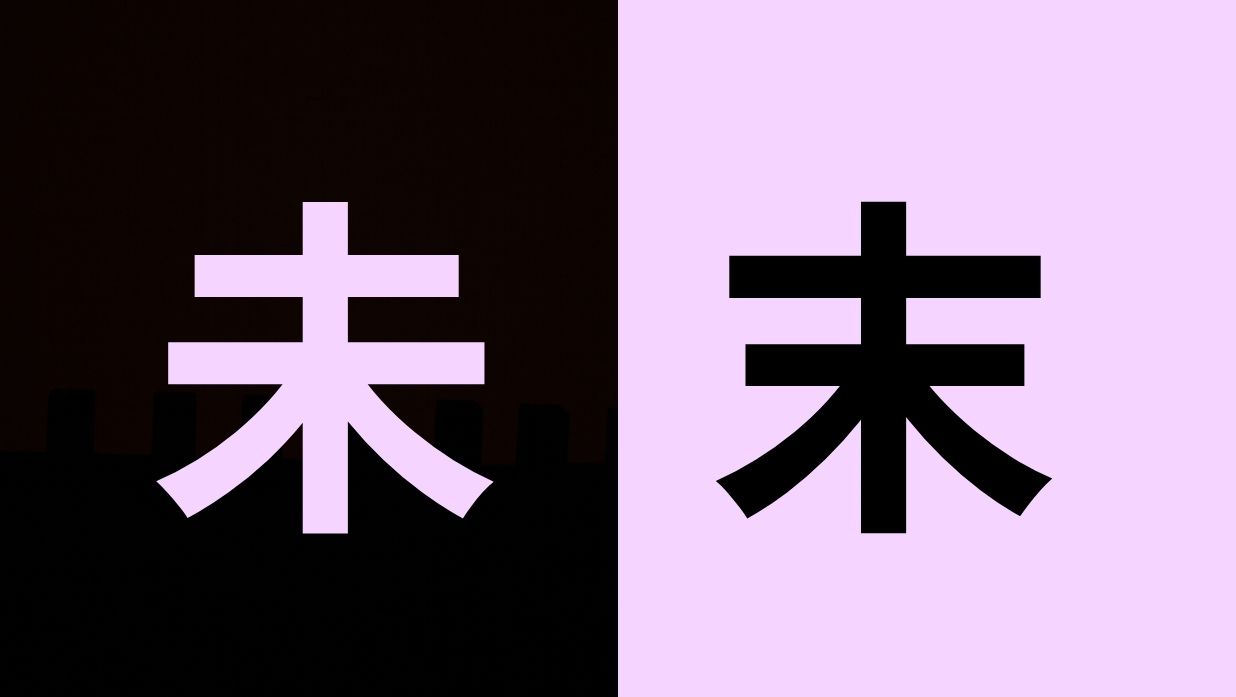
Feature image for "I don't understand" in Japanese or 分からない

News and resources

Wakaranai: 8 Ways Say “I Don’t Understand” in Japanese

In Japan, you might run into plenty of situations where you will need to say “I don’t understand,” especially if you’re just starting to learn Japanese. The most common and straightforward way to say “I don’t understand” in Japanese is わからない (wakaranai) in casual speech, or わかりません (wakarimasen) in its polite form. But Japanese actually […]

Feature image for "I don't understand" in Japanese or 分からない

How Many Hours Does it Take to Pass the JLPT?

Learn how many hours of study it will take you to pass each level of the JLPT. This illustrated guide compares how many hours of Japanese study per JLPT level. Did you know that it takes just as long to pass the N2 as it does to become a certified public accountant in the US?

Classic black alarm clock next to study books, symbolizing the time and effort needed to prepare for the JLPT exam.

Guide to Japanese Writing System: Hiragana, Katakana & Kanji

Did you know that the Japanese language has three types of writing systems? They are hiragana, katakana, and kanji. Hiragana is curvy, represents small syllables, and is used for grammatical information, particles, and native Japanese words! Katakana is straight, also represents small syllables, and is used for loanwords from other languages. Kanji are complex characters […]

Japanese Writing System Kanji, Hiragana, and Katakana Explained

What is Katakana? Free Katakana Chart & Online Learning Guide

After mastering hiragana, one of the three Japanese writing systems, the natural next step is to learn katakana, the second Japanese syllabary. Commonly used to write loanwords, katakana represent the same set of sounds as hiragana, but they look completely different. Katakana characters are typically boxier and more geometric, with sharp corners, in contrast to […]

person studying hiragana

Why Do Japanese Do Aizuchi? | Coto Radio

In English, an interjection is a word or expression meant to express sudden emotion or an immediate reaction. Have you ever heard your Japanese friend say things like “I see,” “Is that so,” or even “That’s amazing?” These interjections, or “aizuchi,” can be heard throughout their conversations, and they can be handy if you’re trying […]

What Are the Voices of Insects? | Coto Radio

Japanese people don’t just hear insect sounds, but “hear” insect voices. While most languages treat the chirping of crickets or the buzzing of cicadas as mere noise, Japanese culture has long considered these sounds to be koe (声), voices worthy of deep appreciation. Why do they perceive insect noises as “voices”? Read more to find […]