





Before we dive into how to say “Merry Christmas” in Japanese, you might be wondering how or even if Christmas is celebrated in Japan. Thankfully, Japan is no stranger to celebrating Western holidays, including Thanksgiving, and the good news is that the imported Christmas holiday is no exception. It might not be celebrated the same way as you would in the U.S. or Europe, but there are places that no doubt capture the “Christmas Spirit.”
So, whether you plan on introducing your Christmas traditions to your Japanese friends or plan to attend one of many winter-themed events in Tokyo or Japan, here are the phrases you can use to commemorate Christmas, New Year’s, and other winter traditions.
How is Christmas Celebrated in Japan?
So, how is Christmas celebrated in Japan? Christmas in Japan has its origins in the Christian and Western presence in the nation, but it didn’t become widespread until much later due to the influence of American media and pop culture. Christmas aesthetics and decorations have become quite popular, such as illuminations and decorations in public areas.
But when it comes to traditions common in the U.S. and other Western nations, such as attending Christmas Mass or having a Christmas tree in the house, these aren’t really observed in Japan. While there are many popular Christmas-related activities, such as Christmas markets, the customs tend to differ from those in the West.
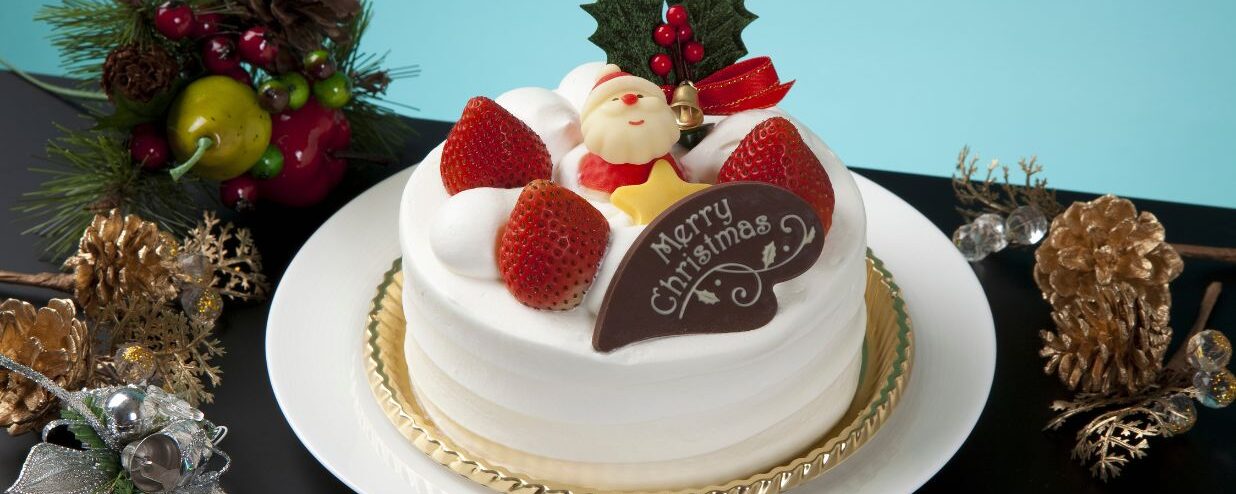
For example, in Japan, people actually eat KFC during Christmas! It may seem like a marketing gimmick — and that’s because it is. In the 1970s, KFC positioned itself as the perfect way to celebrate Christmas, filling a cultural gap and promoting fried chicken as a seasonal tradition. Fast-forward to today, and it has become a widely recognized custom. A typical Japanese Christmas celebration might include a white “Christmas cake,” usually topped with strawberries and other fruit, or the famous Christmas fried chicken — though the latter is still more of a clever marketing success than a universal holiday practice.
But the Christmas traditions do make for a great excuse, even for the Japanese population, to go out and see the illuminations, go to Christmas markets, or invite guests for dinner. Whatever you decide to do, here are some Christmas and other winter season phrases you can say.
Wondering about more things to do or other Christmas traditions in Japan? Check out our blog: A Sparkling Christmas in Japan: Traditions, Treats, and Twinkling Lights.
Basic Way to Say Merry Christmas in Japanese
The basic and most common way to say “Merry Christmas” in Japanese is メリークリスマス (Merii kurisumasu). It’s essentially the English phrase pronounced in Japanese. Since it is a loanword from English, you also write it in katakana. Just remember that メリー (Merii) has a long “ii” sound, so you’d stretch it a bit, like me-ri-i.
Other Phrases for Saying Merry Christmas in Japanese
Here are some common ways to wish someone a wonderful time, especially for celebrating Christmas.
| Japanese | Meaning |
|---|---|
| Japanese | Meaning |
| メリークリスマス | Merry Christmas |
| メリクリ | Merry Christmas (casual) |
| クリスマスおめでとう | Congratulations on Christmas |
| 良いクリスマスを | Have a good Christmas |
| 素敵なクリスマスを | Have a lovely Christmas |
| ハッピーホリデーズ | Happy Holidays! |
| 良いお年を | Have a good New Year! |
| クリぼっち | Spending Christmas alone |
1. メリークリスマス (Merii Kurisumasu): Merry Christmas
Reading: Merii Kurisumasu
Meaning: Merry Christmas
Borrowed directly from English, this is the most common way to say “Merry Christmas” in Japanese. It’s just the words transposed into Japanese katakana, メリークリスマス (merii kurisumasu).
On Christmas Day, you can use this phrase among your friends, especially if you’re participating in a Christmas event or party. While it’s not a traditional holiday in Japan, this expression is widely known. Since people generally engage in Christmas activities or events, the phrase is fitting to use during these occasions. So, try wishing someone メリークリスマス this Christmas season!
Example:
メリークリスマス!今日クリスマスマーケットに行きましょう!
Merii kurisumas! Kyou kurisumasu maaketto ni ikimashou!
Merry Christmas! Let’s go to the Christmas Market today!
2. メリクリ (Merii Kuri): Merry Christmas (Short-form)
Reading: Merii Kuri
Meaning: Merry Christmas (shortened)
More of a casual slang than a formal Christmas greeting, merikuri is just the shortened version of メリークリスマス (merii kurisumasu), or Merry Christmas. It’s similar to how some people in English say “Merry X-mas” since it’s simpler and has a light tone. You can use it for social media captions, DMs, or quick greetings during the Christmas season.
This phrase became widespread in Japan due to the pop artist BoA’s hit single めりくり. This is likely what led to the expression being widely used across the country, especially among younger people.
Example:
メリクリ!今日のイルミネーション、めっちゃ楽しみ!
Merikuri! Kyou no irumineeshon, meccha tanoshimi!
Merry Christmas! I’m really excited for the illuminations tonight!
2. 楽しいクリスマスを!(Tanoshii Kurisumasu O!): Have a Fun Christmas!
Reading: Tanoshii kurisumasu o!
Meaning: Have a fun Christmas!
This phrase is also quite common as a substitute for just saying “Merry Christmas” in Japanese. It implies the same meaning, wishing someone an excellent and enjoyable Christmas. Another common phrase that’s very similar is 良いクリスマスを! (yoi kurisumasu o!), meaning “have a good Christmas!”
In Japan, Christmas tends to be celebrated more as a festive winter event, often involving illuminations, dates, or small parties, so this phrase fits perfectly with the atmosphere of fun and celebration.
Example:
楽しいクリスマスを過ごしてください!
Tanoshii kurisumasu o sugoshite kudasai!
Have a wonderful Christmas!
3. 素敵なクリスマスを!(Suteki na Kurisumasu o): Have a Lovely Christmas!
Reading: Suteki na Kurisumasu o
Meaning: Have a lovely Christmas
This expression has a slightly more elegant and thoughtful feel than simply saying メリークリスマス. The word 素敵な (suteki-na) means “lovely,” “wonderful,” or “beautiful,” so this greeting conveys a warm, heartfelt wish for a special holiday.
It’s a perfect phrase for writing in Christmas cards, sending season’s greetings to coworkers, or messaging someone you care about. In Japan, where Christmas often has a romantic image, this phrase is especially fitting for couples or close friends.
Example:
素敵なクリスマスをお過ごしください!
Suteki na kurisumasu o osugoshi kudasai!
Please have a lovely Christmas!
4. ハッピー・ホリデーズ!(Happii Horideezu!): Happy Holidays!
Reading: Happii Holideezu
Meaning: Happy Holidays!
By now, we know the Japanese like to “Japanize” Western greetings. The catch-all phrase for the various winter celebrations — “Happy Holidays” — has also made its way into Japanese. ハッピーホリデーズ is simply the katakana version of the English expression, and you can use it in the same way.
It’s a handy phrase when you want to wish someone a nice holiday season, even if it’s not specifically Christmas Day. You can use it to talk about the winter holidays in general, or to cover both Christmas and New Year at once.
Example:
ハッピーホリデーズ!良い冬休みを!
Happii horideez! Yoi fuyu yasumi o!
Happy holidays! Have a great winter break!
5. クリスマスおめでとう!(Kurisumasu omedetou!): Happy/Merry Christmas
Reading: Kurisumasu Omedetou!
Meaning: Congratulations on Christmas! / Merry Christmas!
This is a casual phrase, meant to be cute and great to use with friends or family, and often used by kids. Basically, this expression is a more localized version of メリークリスマス (Merii Kurisumasu), by attaching the Japanese term, おめでとう (Omedetou), which is commonly used for congratulating or wishing well for special occasions.
Example:
クリスマスおめでとう!プレゼントありがとう。
Kurisumasu omedetou! Purezento arigatou.
Merry Christmas! Thanks for the present.
6. 良いお年を! (Yoi Otoshi O!)Happy New Year (Before New Year’s Day)
Reading: Yoi Otoshi O!
Meaning: Have a great new year!
Technically, 良いお年を is more of a New Year’s greeting than a Christmas one, but since the holidays fall so close together, people still say it around Christmas time, and it’s perfectly understood.
It’s something you use to wish someone a good New Year before New Year’s Day. From mid to late December, you’ll hear it a lot — especially when people are heading off for winter break or wrapping up work for the year. If you want to make it a bit more formal, you can say 良いお年を迎えてください! (yoi otoshi wo mukaete kudasai!), which means “Please have a wonderful New Year!.
7. クリぼっち (Merii Bocchi): Lonely Christmas
Reading: Merii Bocchi
Meaning: Spending Christmas alone
This isn’t really a phrase you would say to someone, but something you would say humorously to describe how you will be spending Christmas alone. This is a relatively new Japanese Gen Z phrase that has gained popularity on social media. It consists of クリ(kuri) from クリスマス (Christmas), and ぼっち (bocchi) from 人ぼっち (hitori bocchi), meaning alone.
Example:
今年クリぼっちだね。
Kotoshi kuri bocchi dane.
This year, I’ll be spending Christmas single 🥲.
Winter-Related Expressions in Japanese Beyond Merry Christmas
So, what other expressions can you use during the winter season? Christmas is exciting, of course, but we also have New Year’s and other cultural holidays packed into this time of year. If you want to keep your greeting more general, what kinds of phrases can you use?
| Japanese | Reading | Meaning |
| あけましておめでとうございます | Akemashite omedetou gozaimasu | Happy New Year |
| 冬休み楽しんでね | Fuyuyasumi tanoshinde ne | Enjoy your winter break |
| 良い冬を過ごしてね | Yoi fuyu o sugoshite ne | Have a nice winter season |
| ハヌーカおめでとう | Hanuuka omedetou | Happy Hanukkah |
| クワンザおめでとう | Kuwanza omedetou | Happy Kwanzaa |
8. あけましておめでとうございます!(Akemashite omedetou gozaimasu!): Happy New Year’s
Reading: Akemashite omedetou goziamsu
Meaning: Happy New Year’s
あげましておめでとうございます is the most common way to wish someone “Happy New Year!” from January 1st onward. This is one of the most important greetings in Japanese culture since, traditionally, New Year’s is considered an important event. It’s also formal, polite, and can be used in both personal and professional settings.
Pairs beautifully with Christmas greetings when writing holiday cards that span December and January.
Example:
あけましておめでとうございます!今年もよろしくお願いします。
Akemashite omedetou gozaimasu! Kotoshi mo yoroshiku onegaishimasu.
Happy New Year! I look forward to working with you this year.
9. 冬休み楽しんでね (Fuyu yasumi tanoshinde ne): Enjoy Your Winter Holiday!
Reading: Fuyuyasumi tanoshinde ne
Meaning: Enjoy your winter break
Christmas in Japan falls right in the middle of winter, one of the coldest times of the year. If you just want to say “Have a fun winter ” in a general way, this expression works well. It’s casual and friendly when you want to say goodbye to someone who is heading off for the holiday break. It’s warm, simple, and a standard end-of-year greeting.1
Example:
冬休み楽しんでね!旅行気を付けて。
Fuyu yasumi tanoshinde ne! Ryokou ki o tsukete.
Enjoy your winter break! Have a safe trip.
10. 良い冬を過ごしてね (Yoi fuyu o sugoshite ne): Have a Nice Winter!
Reading: Yoi fuyu o sugoshite ne
Meaning: Have a nice winter / Have a pleasant winter season
This phrase is a general well-wishing expression you can use anytime during winter. It works well in messages, cards, or casual conversations when parting ways before the cold season.
Example:
寒くなってきたね。良い冬を過ごしてね!
Samuku natte kita ne. Yoi fuyu o sugoshite ne!
It’s getting cold. Have a nice winter!
11. ハヌカーおめでとう!(Hanukaa Omedetou): Happy Hanukkah!
Reading: Hanukaa omedetou
Meaning: Happy Hanukkah
Hanukkah (also spelled Chanukah) is a Jewish holiday, often called the Festival of Lights. It lasts eight nights and usually takes place in November or December, depending on the Hebrew calendar. If you want to wish a friend in Japan a happy Hanukkah, you can simply say hanukaa omedetou! The おめでとう is a versatile greeting that can be paired with almost any Japanese holiday traditions. This is a great way to introduce Hanukkah to your Japanese friends and the 8-day Jewish tradition, and wish them a Happy Hanukkah!
Example:
ハヌカーおめでとう!ご家族と素敵な時間を過ごしてね。
Hanukaa omedetou! Gokazoku to suteki na jikan o sugoshite ne.
Happy Hanukkah! Enjoy the holiday with your family.
12. クワンザおめでとう!(Kuwanza Omedetou): Happy Kwanzaa!
Reading: Kuwanza omedetou
Meaning: Happy Kwanzaa
Japanese speakers are usually less familiar with Kwanzaa, but there is a growing awareness of different international holidays, and different international communities are also getting larger. Also, generally, people are quite curious about foreign traditions, so if you’re someone who celebrates Kwanza, you can introduce it to your Japanese friends and wish them a “Happy Kwanza” by saying, クワンザおめでとう!
Example:
クワンザおめでとう!伝統を大切にしてお祝いしてくださいね。
Kuwanza omedetou! Dentō o taisetsu ni shite oiwai shite kudasai ne.
Happy Kwanzaa! Celebrate your traditions proudly.
Conclusion: Say Merry Christmas to Wish Joy Over the Holidays in Japan!
People will still appreciate you wishing them a “Merry Christmas” whether you say メリークリスマス (Merii kurisumasu) or any of the other expressions on this list! So, try to gather some friends this season and avoid a クリぼっち! (kuri bocchi) or a “lonely Christmas.”
Want to learn when and how to use these Japanese expressions this winter season? Take your Japanese to the next level with Coto Academy, where professional instructors guide you through practical, real-life conversation practice. Learn what to say during Christmas and New Year’s, how to make winter plans in Japanese, and how to express yourself naturally in any seasonal situation.
Coto Academy specializes in fun, flexible, conversation-focused lessons that help you start speaking from day one. Whether you’re visiting for a short getaway or staying a little longer, our classes are designed with travelers in mind, making it easy to fit learning into your winter itinerary.
With campuses in Tokyo and Yokohama, you can choose from:
- Part-time or casual lessons for busy sightseeing schedules
- Intensive Japanese courses to jump-start your progress
Why join Coto Academy?
- Over 60+ different Japanese classes over 18 levels
- Small classroom of only up to 8 students for personalized support
- Professional, native Japanese teachers
Ready to get started? Fill out the form below to contact us.
FAQ:
How do you say “Merry Christmas” in Japanese?
The most common way is メリークリスマス (Merii Kurisumasu), which is simply the Japanese phonetic version of the English phrase. You’ll hear it at Christmas markets, in stores, and among friends on December 24–25. A shorter, casual version also exists: メリクリ (Merikuri).
What is the best way to write “Merry Christmas” in Japanese on a Christmas card?
For cards, you can choose either the casual or polite style depending on the recipient:
- メリークリスマス! Merry Christmas in a friendly, casual way.
- メリークリスマス。素敵なクリスマスをお過ごしください。Merry Christmas. Wishing you a wonderful holiday season. (polite and natural for cards)
Many people also add New Year’s greetings, such as:
良いお年をお迎えください。 (Wishing you a good New Year.)
Do Japanese people say “Merry Christmas”?
Yes, but mostly in casual, festive contexts. Because Christmas is not a religious or national holiday in Japan, the phrase メリークリスマス is used more like a cheerful greeting among friends, couples, and families enjoying Christmas events, rather than something tied to a religious celebration.
Is Christmas celebrated in Japan?
Yes, but very differently from Western countries. In Japan, Christmas is more of a seasonal, romantic, and commercial event rather than a religious or family-centred holiday. People typically enjoy: Christmas illuminations, Christmas markets, gift exchanges among couples, Christmas cake, festive dinners, and seasonal decorations
However, there is no national holiday, and most people work or attend school as usual on December 24–25.
Do Japanese people really eat KFC or Christmas Cake on Christmas?
While these are iconic traditions that are marketed quite a lot around Christmas, it largely depends on the family. While not everyone does celebrate Christmas in this way, it’s undeniably very popular with KFC bucket reservations being sold out weeks in advance of Christmas Day. It’s also very popular to reserve a Christmas cake, which consists of light whipped cream covering a fluffy sponge cake and usually consists of fruits such as strawberries. This cake is usually enjoyed on Christmas Eve.