Home | News and Resources | Japanese Study | Page 25
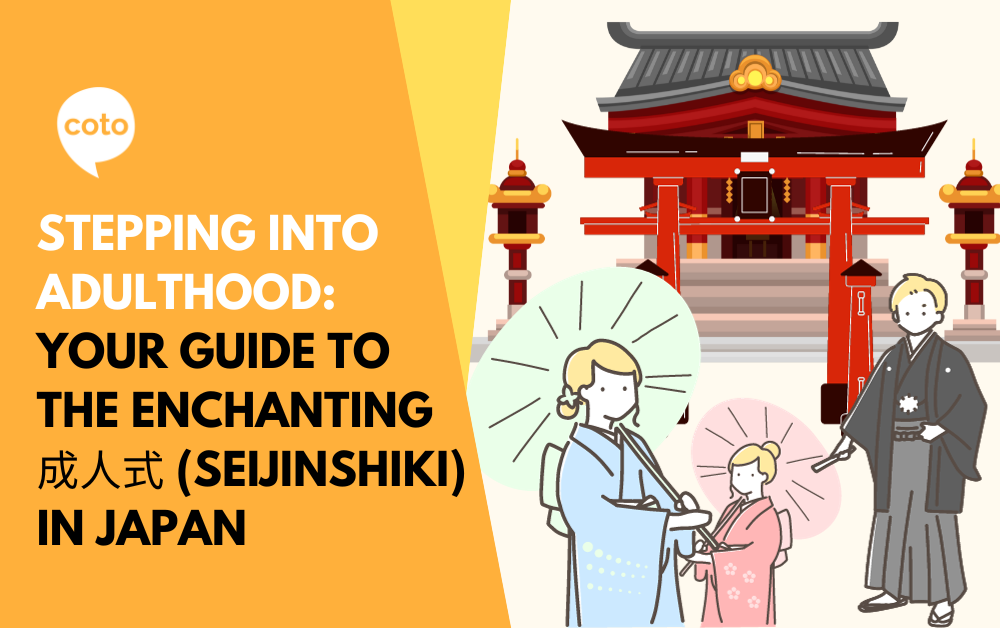
Ah, the 成人式 Seijinshiki, a vibrant ceremony marking the monumental transition into adulthood for young Japanese men and women turning 20. It’s a day draped in tradition, stunning attire, and the promise of exciting possibilities just around the corner. This blog will walk you through the Seijinshiki ceremony on the Coming of Age Day, where […]
Sorry” in English and “Sumimasen” in Japanese. Both expressions have the same function of apology, but there are cultural differences in the situations in which they are used. Here is an actual example from our Coto teacher. “When the teacher gives the instruction, 「この文を読んでください」Kono bun o yondekudasai (Please read this sentence), some learners often say, […]

The news of suspended sales of Pasmo and Suica cards in Japan has left many travelers wondering how to navigate the country’s efficient train system. But worry not! While IC cards offer convenience, 切符 kippu/乗車券 joushaken or paper tickets remain readily available and are still a viable option for getting around. Here’s a guide on […]

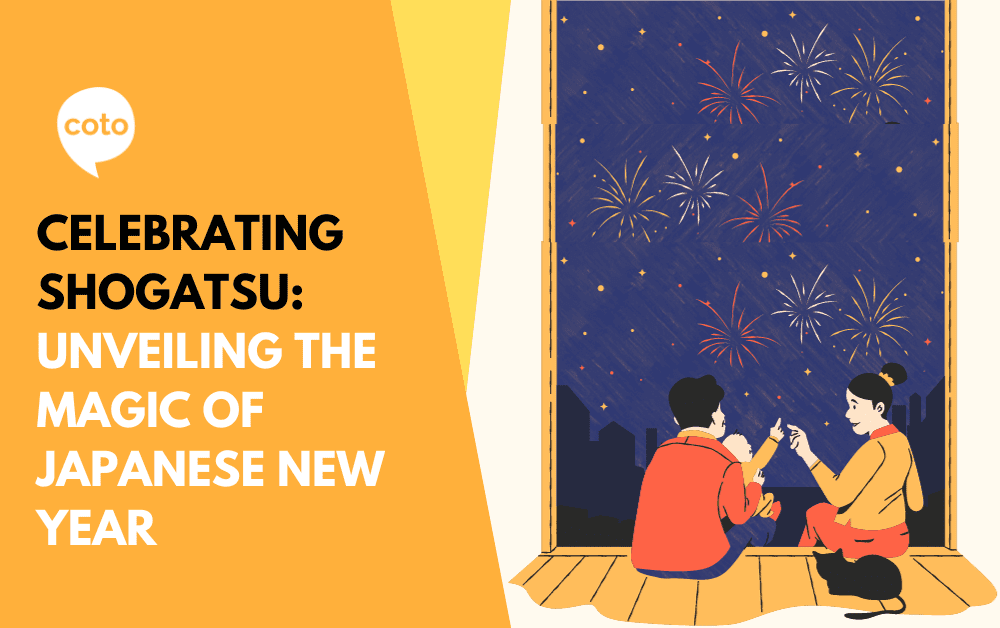
The Japanese New Year, also known as 正月 Shogatsu, is a vibrant and culturally rich celebration that stretches from December 28 to January 3. It’s a time for families to reunite, reflect on the past year, and welcome the new one with hope and joy. This guide will walk you through Japanese New Year traditions, […]
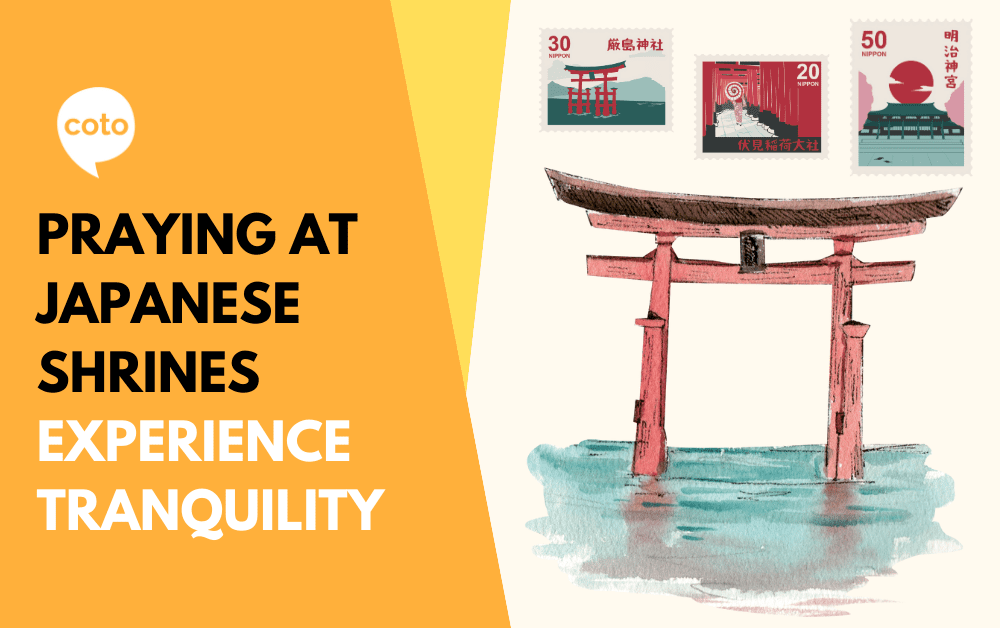
Japan’s spiritual landscape is dotted with thousands of 神道 Shinto shrines, each offering a unique and serene experience. One of the most captivating aspects of visiting these sacred places is the act of praying, a ritual that allows you to connect with the divine and immerse yourself in the rich tapestry of Japanese culture. In […]
Japan is renowned for its meticulous attention to detail and dedication to beauty. This extends beyond fashion and makeup to the world of nail art, where Japanese nail salons have become a global sensation. From intricate designs to impeccable service, these salons offer an experience unlike any other. This blog will guide you on what […]

Japan is a haven for fashionistas, and hair is no exception. Japanese hairstyles, from the iconic Hime cut to the trendy Wolf Cut, offer a unique blend of tradition and modern flair. Whether you’re here to work or planning your first visit, this guide will help you navigate the world of Japanese hair salons and […]

Whether you’re a seasoned resident of Japan or just visiting for a short stay, knowing your way around a pharmacy can be invaluable. Unlike many Western countries, pharmacies in Japan are categorized into two distinct types: drugstores and 薬局 yakkyoku. This guide will walk you to different places to get medicines and the vocabulary and […]