Home / Japanese Study / Page 14
Planning to take the JLPT N5? Although it is technically the lowest level a foreigner can take, the N5 can be a great milestone for those who want to see if they have made real progress. Understandably, the thought of taking the JLPT is stressful, with so many things to learn and consider. So, where […]

Using AC (eakon) in Japan? Learn how to use basic air conditioner remote control functions in Japan and understand common Japanese labels!

Are you preparing for the JLPT and learning the N2 grammar now? In total, there are around 200 grammar lessons that you need to know in order to pass the JLPT N2, including grammars you have learned from lower levels. This article explains 30 of the must-know grammar points for JLPT N2 that have been featured […]

Did you know that Japan has a rainy season called tsuyu (梅雨)? Typically lasting from early June to mid-July, this season brings frequent and often unpredictable showers or even rain that lasts all day. During this humid, soggy time, carrying an umbrella becomes an essential part of daily life. While it’s not typhoon season (yet), […]

Studying for the JLPT N4 usually means two things: scribbling down flashcards for new kanji and flipping through loads of vocabulary. That is because to pass the N4, you’ll need to put in around 550 to 1,000 study hours and learn about 1,500 vocabulary words, including everything from the N5 level. But what exactly is […]
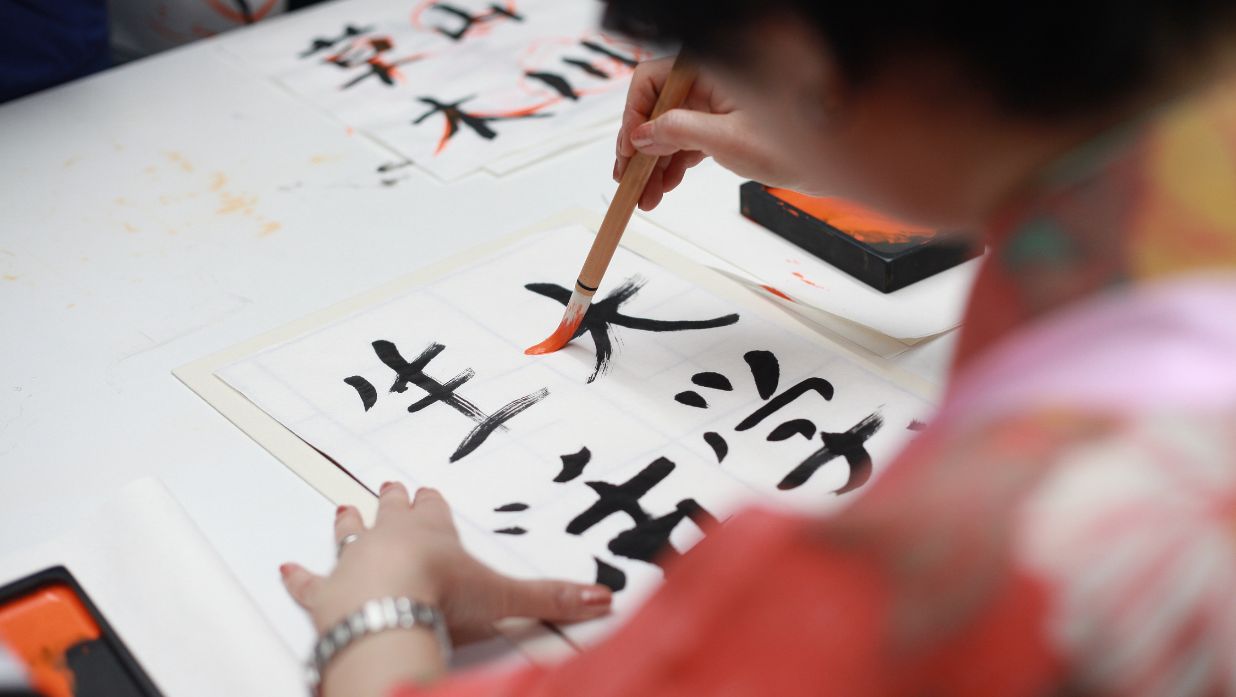
Japanese proverbs, or ことわざ (kotowaza), are a great way to spice up and improve your language skills with more figurative speech. Exploring outside the typical methods of memorizing kanji and vocabulary, kotowaza can teach you how to use more nuanced phrases. Plus, they can help you dive deeper into Japanese culture. Kotowaza paint a picture […]

Looking for a fun way to improve your Japanese enunciation? Japanese tongue twisters, or hayakuchi kotoba (早口言葉), are short, challenging phrases that help train your tongue, improve fluency, and boost confidence when speaking. Try one a day and make it part of your study routine — yes, even while performing your oral hygiene routine ! […]

When learning Japanese, “Yes” (はい – hai) and “No” (いいえ – iie) are among the first words you encounter. However, just like in English, there are many ways to say “yes” in Japanese, each with different levels of formality and nuances. If you want to build a strong foundation in everyday Japanese, check out 48 Useful and Basic […]