Home | News and Resources | Japanese Study | Page 16
The words rizz, no cap, and slay might be taking over Gen Z lingo in English, but did you know that Japanese Gen Z has its own unique set of slang and phrases? Language is fluid, constantly evolving with each generation, and Japan is no exception. Gen Z has developed a variety of expressions that […]

While China and Japan may be relatively close geographically and both shape today’s cultural, economic, business, and pop culture landscapes, the Chinese and Japanese languages have clear distinctions. The Chinese language is estimated to be spoken by more than one-fifth of the world’s population. Japanese, on the other hand, is primarily spoken in Japan. And […]
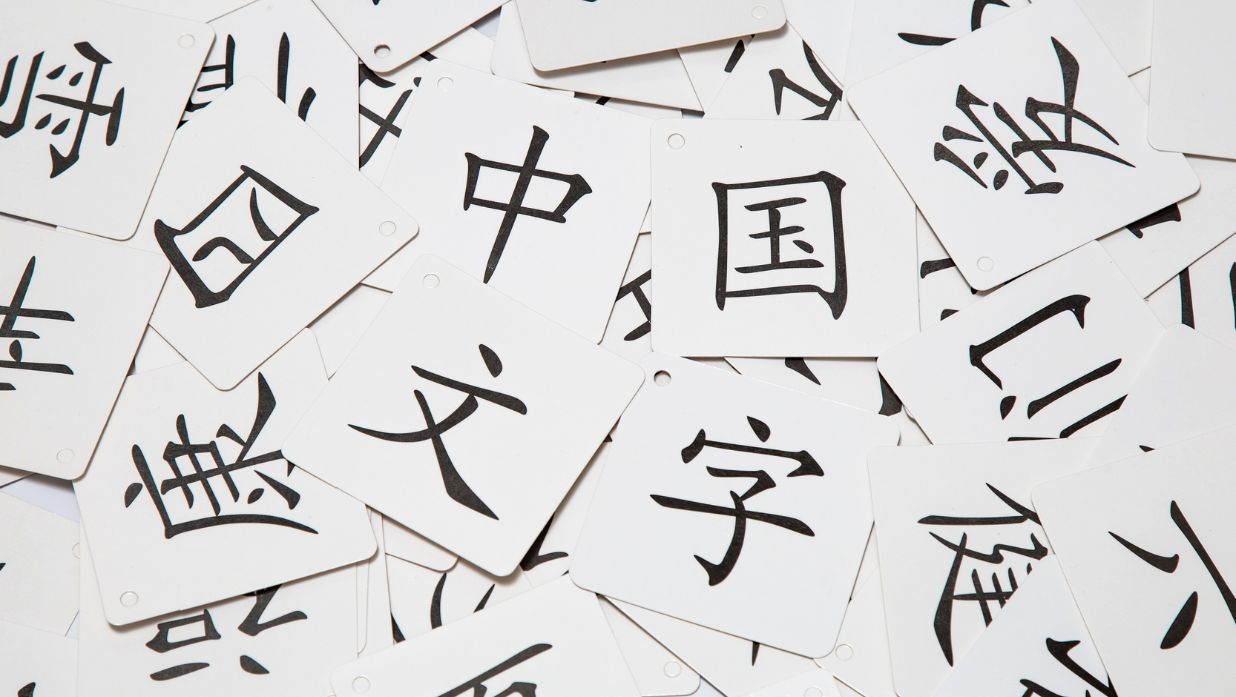
You’ve probably seen them before — tiny block symbols with Japanese characters that sneak into your Android or iPhone emoji keyboard. They look official, almost cryptic. These aren’t random at all. They’re part of the Japanese Kanji emoji series. But why do these even exist to begin with? Well, here’s something interesting: the word emoji […]
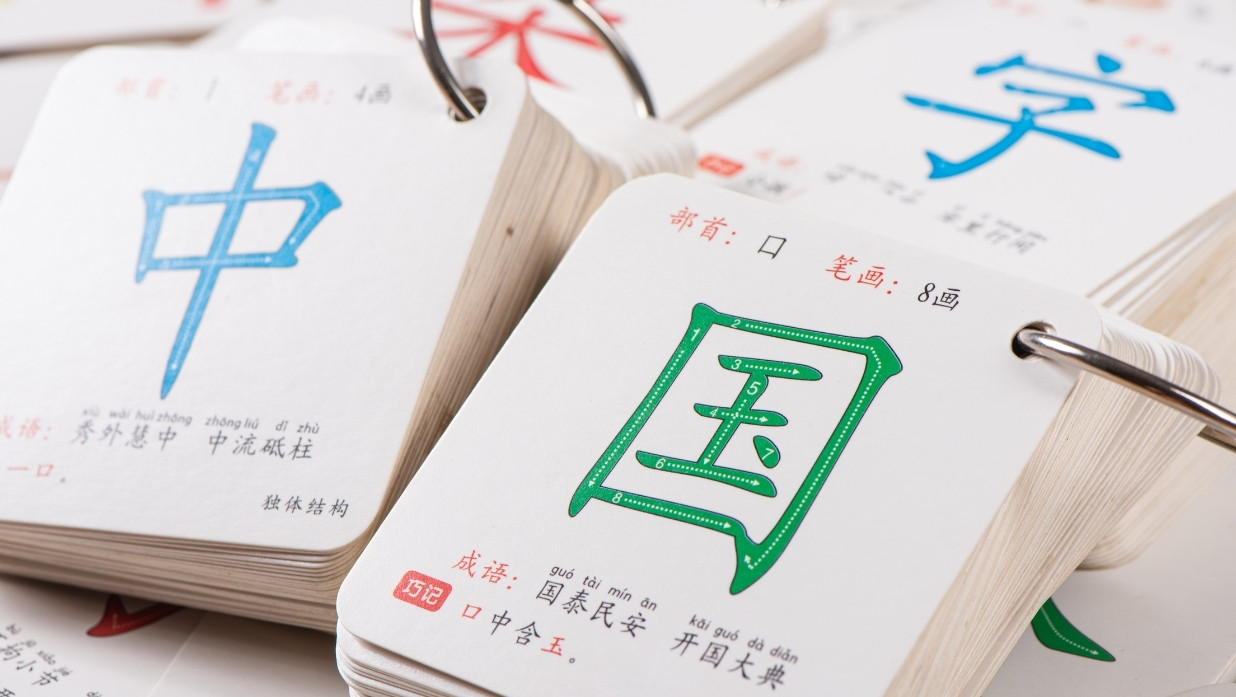
It is well-known that the Japanese language is considered one of the hardest languages to learn. According to the Foreign Service Institute (FSI), which trains U.S. diplomats and government officials in languages and cultures, Japanese is classified as a “Super-Hard” language. But there’s an important caveat: FSI’s rankings are based on how long it takes […]

Learn how to say the Japanese word for But or However in this blog!

If you’re planning on visiting Japan, you should make the trip twice! Once in the spring to experience the cherry blossoms, and again in autumn to witness the beautiful sight of the tree leaves turning red (momiji)! While cherry blossoms symbolize new life and fresh beginnings, momiji, written as 紅葉, marks the start of the […]

Did you know the Japanese language makes more use of passive language than English? Read about how to use the Japanese passive voice here!

Congratulations! Whether it’s something you’ve achieved or a win for someone you care about, celebrating life’s big and small moments is a universal experience. Acknowledging these moments verbally is just as important. The most common way to say “congratulations” in Japanese is おめでとう (omedetou). But just like in English, there are many other ways to […]