
Home / Archives for Coto Japanese Language School / Page 2
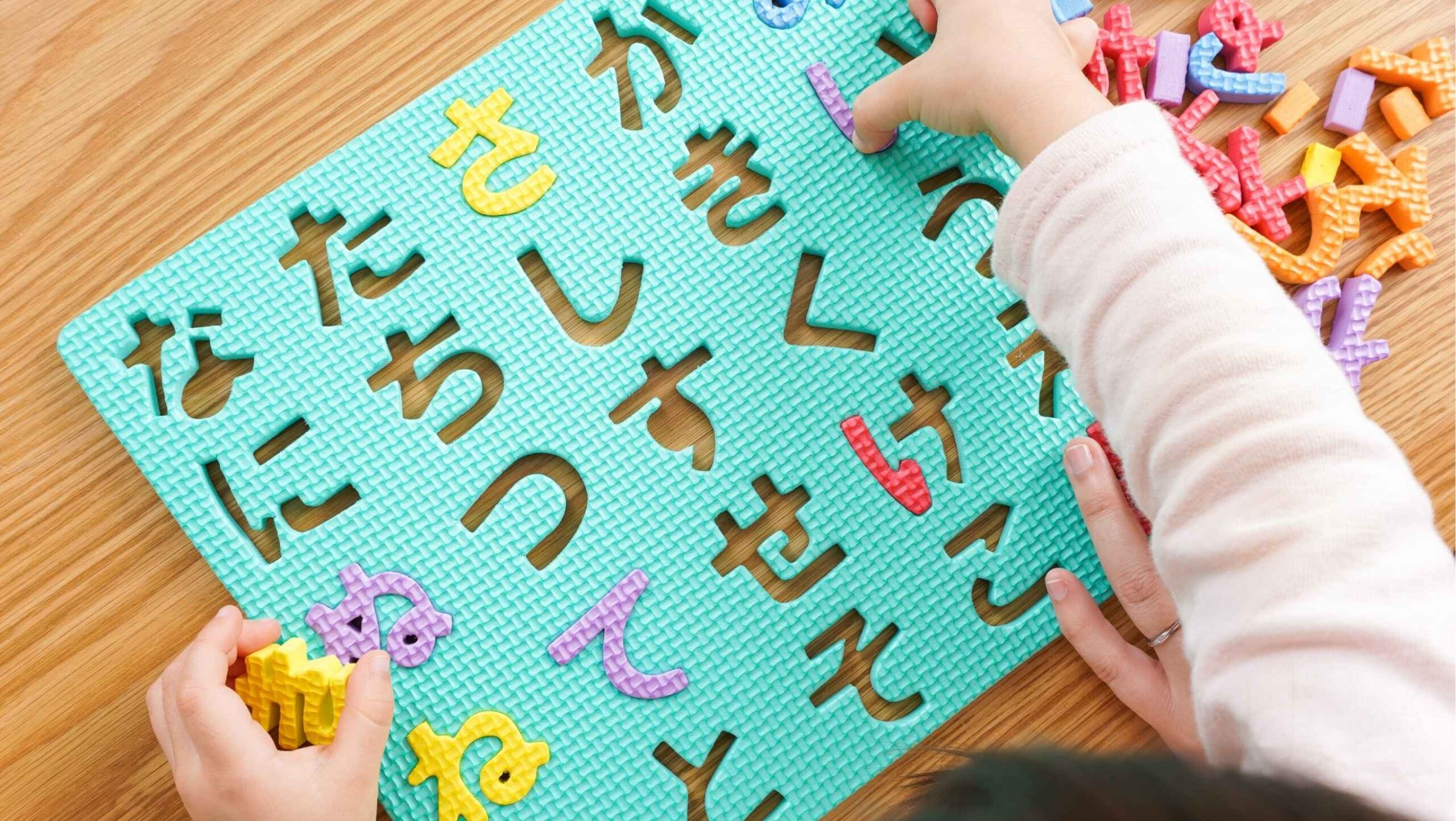
Want to learn Japanese hiragana? In this blog, we share our own PDF learning hiragana practice sheets and links to some popular apps for learning Japanese. Just started learning Japanese? Head to our main article about the Japanese writing system for a more comprehensive guide! What is hiragana? Hiragana (平仮名) is one of three writing […]
Downloading and using Anki decks can be one of the most effective and easiest ways to learn Japanese. Anki is a free, open-source flashcard program that uses a spaced repetition system (SRS), allowing you to revisit new vocabulary repeatedly but in a programmed time frame. Through this, you can spend more time on words you […]
When you’re just starting to learn Japanese, which kanji should you tackle first?
What are some unwritten rules and things you should not do in Japan? Japanese people are known for being well-mannered and following their strict, subtle etiquette. But while Japanese people are non-confrontational, there is a set of “unwritten rules” that people expect you to follow. These rules are considered common sense and are one of […]
Want to learn some of Japan’s no-no words? We’ll be going over some of Japan’s Swear Words that you probably should not be using. They can range from kind of insulting to you’ll get punched if you say this. Read on to learn more!
What is your name in Japanese? Use this Japanese name generator to find out how to say your name in Japanese.
Have you ever wondered how Valentine’s Day is celebrated in Japan? While we all associate Valentine’s Day with romantic dinners and roses, things take a unique turn in Japan! Forget men giving chocolates; in Japan, on February 14, women give chocolates to their loved ones. This does not always have to be their romantic partner. […]
The JLPT N3 grammar 〜がち (~gachi) is a phrase you can use to describe something that tends to happen easily or often, closely meaning “tend to,” “frequently,” or ”to do something easily.” The phrase is mostly used in a negative context. The most common situations you can use this phrase: Make Sure to Watch Coto […]