


What is Showa Day? Remembering History in Japan
The intention of Showa Day is to encourage reflection upon the years 1929-1989, otherwise known as the Showa Era – an intense time in Japan.
The intention of Showa Day is to encourage reflection upon the years 1929-1989, otherwise known as the Showa Era – an intense time in Japan.
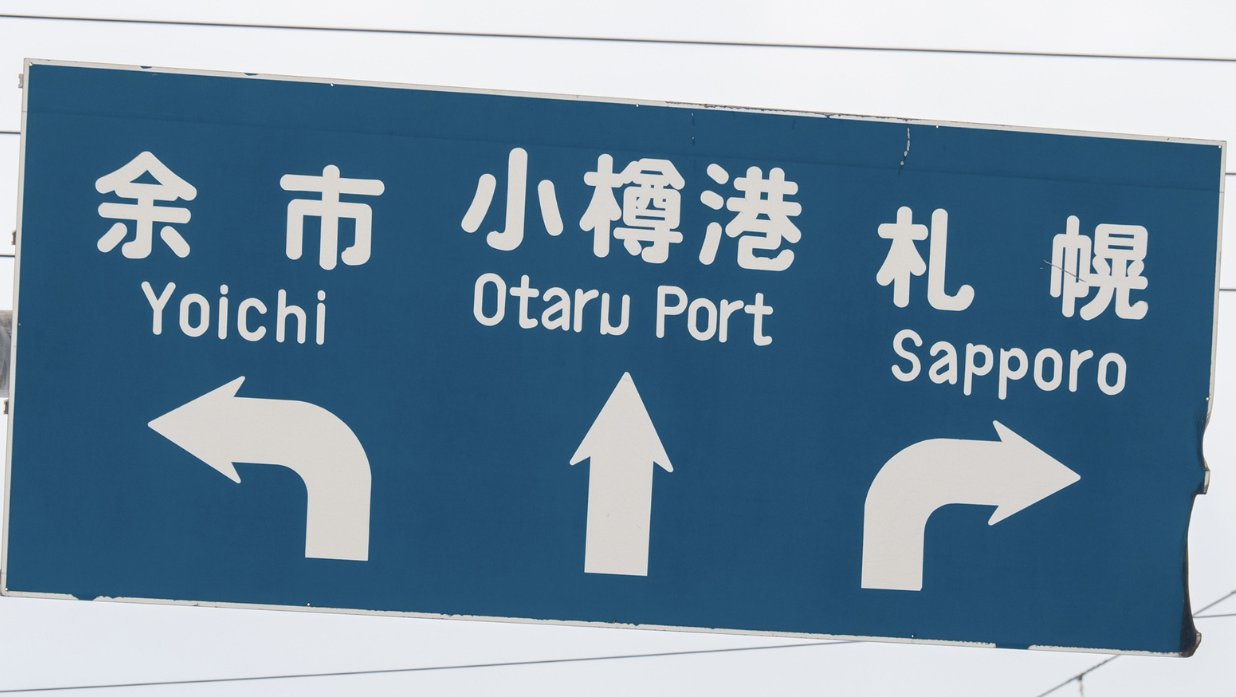
In Japan, streets are not named but have numbers – with the exception of the main roads. Thus, finding your way around the cities can be challenging.
Welcome to the ultimate guide to passing the JLPT N2! If you’re already studying for it — or at least considering it — chances are you’re ready for a change. JLPT N2 is widely recognized as the practical benchmark for Japanese fluency. Employers in Japan frequently list it as a minimum requirement, and for many […]

Vernal Equinox Day, also known as Shunbun no Hi (春分の日), is one of two Japanese public holidays that mark the times of the year when day and night are approximately equal in length. Shunbun no Hi is the first of two and typically falls between March 19 and March 22, hence it is often referred […]
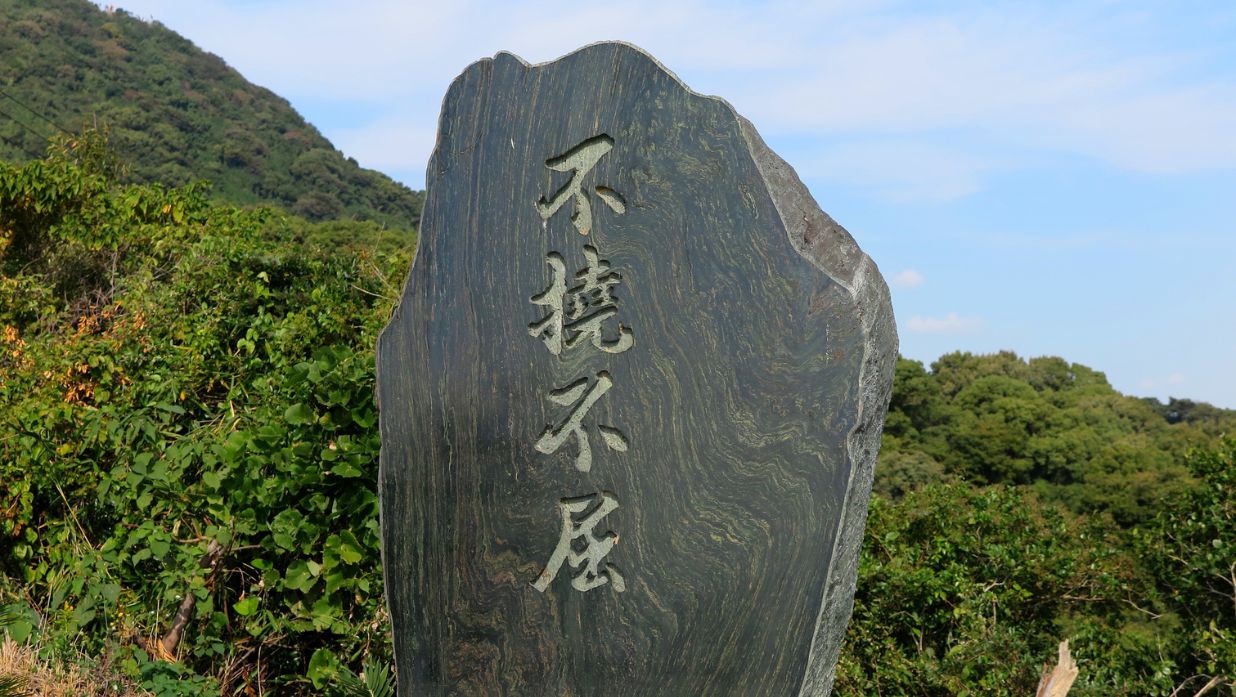
Have you heard of yoji jukugo? Piece of cake, break the ice, and cut corners – these are all short idioms we use all the time, and in Japan, they have something similar called 四字熟語 (yojijukugo). A yojijukugo is a Japanese phrase consisting of four kanji. Just like in English, yojijukugo are very popular since […]
Japanese honorifics are suffixes or prefixes used to show respect or familiarity when addressing other people. How do you use them?

Saying ‘no’ in Japan is a tricky subject. The Japanese will rarely give a direct no to an answer, preferring instead to give an indirect answer that conveys the message of no.

Although the Japanese monarchy still exists, its role today is largely symbolic—much like the royal family in the United Kingdom. Even so, the Imperial Household continues to observe important traditions, including the celebration of the reigning emperor’s birthday. This occasion is marked by a national holiday known as the Emperor’s Birthday (天皇誕生日, Tennō Tanjōbi). Under […]