



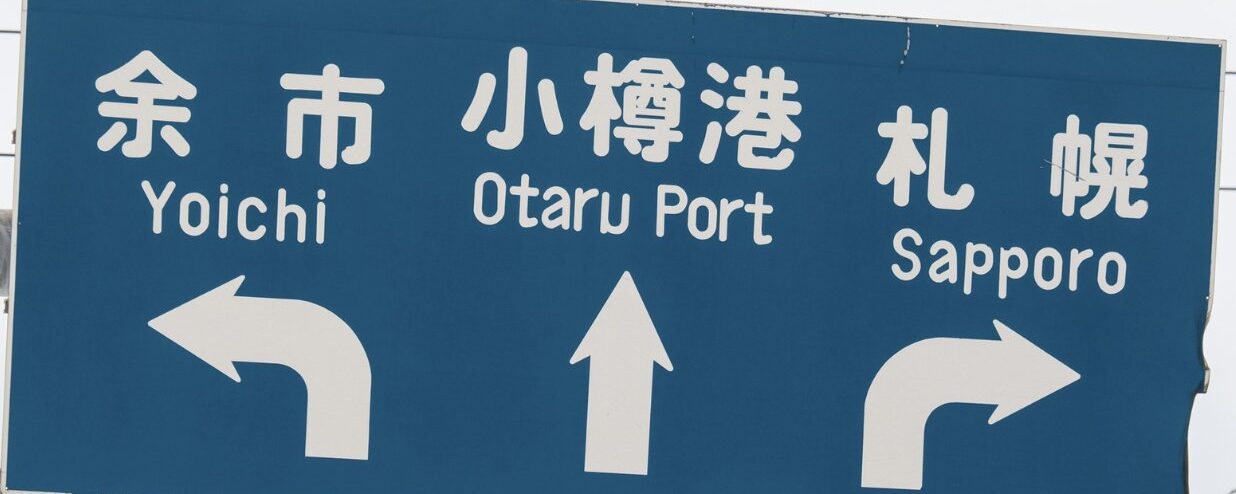


Knowing how to ask for directions in Japanese could end up being essential to ensure you don’t get lost and navigate Japan while staying safe! However, how do you ask for directions, especially when you can’t read street names or the kanji scattered across shops and buildings?
Navigating new places can be stressful and challenging, especially in a completely different language and in a city like Tokyo, one of the biggest and most densely populated cities in the world. Knowing how to ask for directions in Japanese will be vital in helping you get to your destination stress-free.
In this guide, we’ll walk you through the essential Japanese phrases for asking directions, break down what the responses actually mean, and share some practical tips for getting around confidently — even as a beginner. Let’s get into it.
Basic Phrases to Ask for Where Something is
So, let’s go over some essential “survival” Japanese phrases for asking where your destination is. But first, let’s go through some important words to know:
| English | Japanese | Furigana | Romaji |
| Where | どこ | どこ | doko |
| Do you know? | 知りませんか? | しりませんか? | shirimasenka? |
| To go | 行く | いく | iku |
| To come | 来る | くる | kuru |
| To arrive | 着く | つく | tsuku |
| To turn | 曲がる | まがる | magaru |
Want to know some more basic survival phrases? Check out our guide on 48 Basic Japanese Phrases You Need to Know!
1. 〜はどこですか? (~wa doko desuka?): Where is…?
When you want to ask where something is specifically, you can use this simple phrase using the word どこ (doko) meaning “where”, 〜はどこですか (~wa dokodesuka). The phrase translates directly to “where is…” So, whenever you feel you are getting lost or just having a hard time getting where you need to go, you can use this simple expression to ask locals where something is.
Example:
最寄り駅はどこですか?
Moyori eki wa dokodesuka?
Where is the nearest station?
2. 〜はどこにあるか知りませんか?(~wo doko ni shirimasenka?): Do you know where…?
This is a polite expression that asks if someone knows where something is. It’s a bit less direct than the first expression by asking if the listener knows where a certain destination is. This probably feels more natural to say since it might feel a bit bold to assume that the listener knows exactly where something is.
Example:
バス乗り場はどこにあるか知りませんか?
Basu Noriba wa doko ni aru ka shirimasenka?
Do you know where the bus stop is?
3. 〜にどうやて行けばいいですか? (~ni douyate ikeba iidesuka?): How do I go to…?
This is a common expression for asking how to get somewhere. It’s very useful for asking broadly what you need to do to get somewhere, such as the means (bus, train, or walking) and which direction you need to go.
Example:
渋谷駅にどうやて行けばいいですか?
Shibuya eki ni douyate ikeba iidesuka?
How can I get to Shibuya Station?
4. 〜行きたいんですが。。。(~ikitaindesuga…): I want to go… but…
This is another convenient expression when you want to know where a certain place is. You can say, “〜に行きたい” which translates to “I would like to go to…” or “I’m trying to get to…” The “〜んですが” often precedes a sentence requesting information, implying something like, “I don’t know the way, could you tell me the way?”
Since it’s obvious based on context that you don’t know how to get to your desired destination, you can omit the second part. In Japanese, communication tends to be very high context, so omissions or incomplete sentences are quite frequent.
Example:
すみません、富士病院にいきたいんですが、・・・。
Sumimasen, fuji-byouin ni ikitaindesuga…
Excuse me, I’m trying to get to Fuji Hospital but…
Even though the sentence feels incomplete, the listener will still understand based on context. They could respond with the following:
ここまっすぐですよ。
Koko massugu desuyo.
It’s straight down here.
To learn how the 〜たいです (~tai desu) form works, check out our blog: How to Say “I Want to…” in Japanese
Basic Japanese Directions
Now that you know how to ask where something is, you need to understand how to ask for directions. It’s important to go over some basic Japanese vocabulary surrounding directions (left, right, straight).
| English | Japanese | Furigana | Romaji |
| Left | 左 | ひだり | hidari |
| Right | 右 | みぎ | migi |
| Up | 上 | うえ | ue |
| Down | 下 | した | shita |
| Front | 前 | まえ | mae |
| Back | 後ろ | うしろ | ushiro |
| Straight | まっすぐ | まっすぐ | massugu |
These are basic words that would be good to know, especially when someone is giving you directions. So here are some example sentences that demonstrate how to use these words in actual conversation.
5. まっすぐ行って、右に曲がってください (massugu itte, migini magatte kudasai): Go Straight, Then Turn Right Please
This is one of many expressions you would probably hear when you’re asking where something is. This phrase gives clear directions using terms directing you where to go, such as “straight, left, or right.”
まっすぐ行って、右に曲がってください。
Massugu itte, migi ni magatte kudasai.
Go straight, then turn right.
Compass Directions in Japanese
It’s also important to know the cardinal directions (north, south, east, and west) in Japanese since most stations, buildings, and maps use these terms. Let’s go through some important words to know.
| English | Japanese | Furigana | Romaji |
|---|---|---|---|
| North | 北 | きた | kita |
| South | 南 | みなみ | minami |
| East | 東 | ひがし | higashi |
| West | 西 | にし | nishi |
| Northeast | 北東 | ほくとう | hokutou |
| Northwest | 北西 | ほくせい | hokusei |
| Southeast | 南東 | なんとう | natou |
| Southwest | 南西 | なんせい | nansei |
Cardinal directions are useful in Japan, especially in cities where streets and exits are often labeled by compass direction. Train station exits, for example, are frequently marked as 北口 (kita-guchi, north exit) or 南口 (minami-guchi, south exit).
6. 〜の北口はどこですか? (~no kitaguchi wa dou desuka?)
Since public buildings often label entrances and exits with compass directions, you can use this common phrase to ask where the north exit of a specific building is.
Example:
渋谷駅の北口はどこですか?
Shibuya eki no kita-guchi wa doko desuka?
Where is the north exit of Shibuya Station?
7. 〜南に進むと、目的地に着きます (~minami to susumu to, mokutekichi ni tsukimasu): If You…, You Will Reach Your Destination
This is a common expression people will say when giving you directions. They might use compass directions along with the phrase 目的地に着きます (mokutekini tsukimasu), meaning “you will reach your destination.”
Example:
この道を南に進むと、目的地に着きます。
Kono michi wo minami ni susumu to, mokutekichi ni tsukimasu.
If you head south along this road, you will reach your destination.
Phrases for Relative Distance and Time
Knowing words for relative distance and time is a core part of asking for directions in Japanese. Now, let’s go over some useful terminology around distance relative to where you are (is it close, is it far), and the time it would take to commute to different destinations.
| English | Japanese | Furigana | Romaji |
|---|---|---|---|
| Here | ここ | ここ | koko |
| There | そこ | そこ | soko |
| Over there | あそこ | あそこ | asoko |
| This way | こち | こち | kochi |
| That way | あっち | あっち | acchi |
| Over there/opposite side | 向こう | むこう | mukou |
| Next to | 隣 / そば | となり / そば | tonari / soba |
| Close | 近い | ちかい | chikai |
| Far | 遠い | とおい | Tooi |
| ~mins | 〜分 | 〜ふん | ~hun |
| ~meters | 〜メートル | 〜メートル | ~meters |
| Soon | すぐ | すぐ | sugu |
Here are some phrases that can help you understand how far away something is and roughly how long it will take to get there, which is very handy when a local is explaining the route to you.
8. 〜何分かかりますか? (~nanpun kakarimasuka): How Long Does it Take To Reach…?
So, if you want to know how close, or approximately, how long it will take to reach a certain destination, you can use this phrase. It closely translates to “how many minutes does it take to…” It uses the Japanese counter for minutes, 〜分 (~pun), along with the phrase かかる (kakaru), meaning “to take (time).”
Example:
駅まで歩いて何分かかりますか?
Eki made aruite nan-pun kakarimasu ka?
How many minutes does it take to walk to the station?
9. 〜はすぐそこですよ (~wa sugu soko desu yo): It is just right there
This is an expression when someone is telling you how close something is. This phrase is especially common when the place you are discussing is just around the corner, where you could even point in the direction it is. It’s similar to saying “it’s just right there” or “it’ll come up soon.”
Example:
コンビニはすぐそこですよ。
Konbini wa sugu soko desu yo.
The convenience store is just right there.
10. 〜はここから遠いですか? (~ wa koko kara tooi desu ka?): Is it far away?
This is a common expression if you want to know whether a specific destination is far relative to where you are at the moment. It is the same as asking “is… far from here?”
病院はここから遠いですか?
Byouin wa koko kara tooi desuka?
Is the hospital far from here?
Terms for Common Places and Landmarks
Knowing the names of common places and landmarks is crucial, not just for asking where they are, but for understanding the directions you receive. Here are some of the most useful ones to memorize:
| English | Japanese | Furigana | Romaji |
|---|---|---|---|
| Station | 駅 | えき | eki |
| Intersection / Crossroads | 交差点 | こうさてん | kousaten |
| Street/road | 道 | みち | michi |
| Apartment | アパート | アパート | apaato |
| Home / House | 家 | いえ | ie |
| Hospital | 病院 | びょういん | byouin |
| Museum | 博物館 / 美術館 | はくぶつかん / びじゅつかん | hakubutsukan / bijutsukan |
| Library | 図書館 | としょかん | toshokan |
| Restaurant | レストラン | レストラン | resutoran |
| City Hall | 市役所 | しやくしょ | shiyakusho |
| Airport | 空港 | くうこう | kuukou |
| Train Line | 路線 | ろせん | rosen |
| Convenience Store | コンビニ | コンビニ | konbini |
| Bus Stop | バス乗り場 | バスのりば | basu noriba |
| Traffic Light | 信号 | しんごう | shingou |
| Corner | 角 | かど | kado |
| Bank | 銀行 | ぎんこう | ginkou |
| Post Office | 郵便局 | ゆうびんきょく | yuubinkyoku |
| Right-side | 右側 | みぎがわ | migigawa |
| Left-side | 左側 | ひだりがわ | hidarigawa |
Just like in your native tongue, using landmarks or common street infrastructure is essential for describing or asking for directions in Japanese. Here are some example sentences using common landmarks and places to help you understand how it’s used in actual Japanese.
11. 交差点を左に曲がると〜 (kousaten o hidari ni magaruto~): If you turn right at the intersection
When you use common street terms such as 交差点 (kousaten), meaning intersection (often going 4 ways), you need to specify which direction you will be taking. So, to say “turn left at the intersection” in Japanese would be 交差点を左に曲がる (kousaten o hidari ni magaru). You use the particle を since you are turning at the intersection, and then the particle に indicates the direction you are heading, so you can use it with directional terms like “left” or “right.”
Example:
交差点を左に曲がると、図書館は右側にあります。
Kousaten wo hidari ni magaru to, toshokan wa migi-gawa ni arimasu.
Turn left at the intersection, and the library will be on your right.
You probably noticed how this sentence used the phrase 右側 (migi gawa), meaning “right-side.” Oftentimes, places are also indicated by which side of the street or general area they will be on relative to you. 側 (gawa), which translates closely to “side,” is often used with direction terms like 右 (migi), or right, and 左 (hidari), or left. To say something is on the right side, you can say 右側にあります (migi gawa ni arimasu).
12. 市役所は駅の隣にありますよ (shiyakusho wa eki no tonari ni arimasuyo): The city hall is next to the station
If you’re having a hard time finding a place, people will often use landmarks to help you find your destination relative to other landmarks. For instance, if something is next to the station, they can say something like 駅の隣 (eki no tonari). Just attaching the particle no along with a direction or distance, you can describe the location of something relative to something else. You can say 駅の右 (eki no migi) to say “to the right of the station” or 駅の近い (eki no chikai) to say close to eki.
Example:
市役所は駅の隣にありますよ。
Shiyakusho wa eki no tonari ni arimasu yo.
The city hall is right next to the station.
Words About Buildings and Public Structures
It will also be useful to know the words regarding different aspects of building, such as stairs, basements, and elevators.
| English | Japanese | Furigana | Romaji |
|---|---|---|---|
| Building | 建物 | たてもの | tatemono |
| ~floor (e.g. 1st floor) | 〜皆 | 〜かい | 〜かい |
| Basement | 地下 | ちか | chika |
| Stairs | 階段 | かいだん | kaidan |
| To climb up (stairs, mountain) | 上る | のぼる | noboru |
| To descend (stairs, mountain) | 降りる | おりる | oriru |
| Elevator | エレベーター | えれべーたー | erebeetaa |
13. 〜は地下にあります (~wa chika ni arimasu): …is in the Basement.
Often, public buildings have basements where they might have certain services or facilities like bathrooms. So, you’ll often hear staff say something like 〜は地下にあります (~wa chika ni arimasu), which means, “…is in the basement.”
Example:
お手洗いは地下にあります。
Otearai wa chika ni arimasu.
The bathroom is in the basement.
14. 階段を上ってから、〜になります。(kaidan o nobottekara, tai ~ni narimasu): Go up the stairs, and you will find..
Whenever you are describing walking up the stairs, you must use the verb 上る (noboru), which means to “go/walk up.” It’s often used to describe walking or climbing up the stairs. To descend something, you can say 下りる (oriru), meaning to “descend/go down.”
Example:
階段を上ってから、タイレストランになります。
Kaidan o nobotte kara, tai resutoran ni narimasu.
You will find a Thai restaurant once you climb up the stairs.
How Japanese Streets Work
In order to really understand how to discuss directions in Japanese, it would be good to know how Japanese streets actually work. Japanese streets are organized very differently from what most Westerners are used to. In most Western countries, most streets have names, and buildings are numbered sequentially along them. In Japan, the system is almost the opposite, and understanding that will save you a lot of confusion. So, let’s go over some key points to see how they work.
1. Streets Mostly Don’t Have Names
In Japan, most streets do not have names at all. Instead of thinking in terms of roads, the Japanese addressing system is built around areas and blocks. Only major roads and avenues, such as 国道 (kokudou, national highways) or large named boulevards like 御堂筋 (Midosuji) in Osaka, tend to have names. The smaller streets that make up the vast majority of urban Japan are simply unnamed.
This is why when you ask a local for directions, they will rarely bring up specific street names. Instead, they will use landmarks, intersections (交差点, kousaten), and relative directions to guide you.
2. The Block-Based Address System
Another aspect worth mentioning is that Japanese addresses work from large to small, which is opposite to how it works in a country like the United States. Here’s how it works:
Prefecture (都・道・府・県, to/do/fu/ken): e.g. 東京都 (Tokyo-to)
City or Ward (市・区, shi/ku): e.g. 渋谷区 (Shibuya-ku)
Neighbourhood (町・丁目, machi/chome): e.g. 神南一丁目 (Jinnan 1-chome)
Block number (番, ban): e.g. 5番
Building number (号, gou): e.g. 10号
So a full address might look like: 東京都渋谷区神南一丁目1番1号, which reads from the largest area down to the specific building. This is the opposite of how Western addresses are written, where you start with the building number and street and end with the country.
Within a neighbourhood, buildings are numbered not by their position along a street, but by the order in which they were registered, meaning building number 1 and building number 2 are not necessarily next to each other. This can make finding a specific address surprisingly tricky, even for locals.
Numbers are crucial for discussing Japanese addresses, so to learn how they work, read How to Count and Read Numbers in Japanese!
3. How People Actually Navigate
Because the address system is not intuitive for finding places on foot, Japanese people have traditionally relied heavily on landmarks and local knowledge for navigation. However, today in the age of the internet, apps like Google Maps and Yahoo! Maps are extremely popular in Japan and have largely solved the navigation problem for both locals and visitors.
If you have access to a smartphone, using a map app with the Japanese address or the name of your destination in Japanese is by far the most reliable way to get around.
4. Train Stations as Anchors
Because streets are hard to navigate by name, train stations (駅, eki) serve as the primary anchor points for location in Japanese cities. Addresses, businesses, and meeting spots are almost always described in relation to the nearest station and which exit to use. Generally, station exits (口, guchi) are written with the cardinal directions, often being written as:
北口 (kita-guchi): North Exit
南口 (minami-guchi): South Exit
東口 (higashi-guchi): East Exit
西口 (nishi-guchi): West Exit
Conclusion: Knowing How to Ask for Directions in Japanese is Essential!
Asking for directions in Japanese can be essential for survival, especially if you get lost and your phone ends up running out of power. Knowing how to ask where to go and understanding common terms for directions can really save you when you’re in a bind! So, try to remember some of these expressions, terms, and phrases to help you navigate Japanese cities and ask for help when needed!
If you want to sharpen your Japanese to ensure you know how to ask for directions, we highly recommend taking Japanese courses at Coto Academy. We focus on practical language skills you can start using right away, whether it’s to engage in conversation for asking for directions, reading maps or street signs, and writing your address.
At Coto Academy, we have a wide range of courses from comprehensive intensive classes to more focused programs, such as conversation or business courses. Fill out the form below to get started!
FAQ
How can you ask where something is in Japanese?
The simplest way is to use 〜はどこですか?(~wa dokodesuka?), placing the name of the place before は. For example, 駅はどこですか?(Eki wa dokodesuka?) means “Where is the station?” For a more polite option, use 〜はどこにあるか知りませんか?(~wa doko ni aru ka shirimasenka?), meaning “Do you know where… is?”
Can you use 行きたい (ikitai) to ask for directions in Japanese?
Yes, this term is very common when asking for directions. 行きたい (ikitai) means “I want to go” and is a natural way to open a request for directions. For example, 渋谷駅に行きたいのですが、どうやって行けばいいですか?(Shibuya eki ni ikitai no desuga, douyatte ikeba ii desuka?) means “I want to go to Shibuya Station, how do I get there?”
What are the compass directions in Japanese?
The four cardinal directions are 北 (kita, North), 南 (minami, South), 東 (higashi, East), and 西 (nishi, West). The intercardinal directions are 北東 (hokutou, Northeast), 北西 (hokusei, Northwest), 南東 (nantou, Southeast), and 南西 (nansei, Southwest).
How do you say different directions in Japanese?
The most common direction words are 左 (hidari, left), 右 (migi, right), まっすぐ (massugu, straight ahead), 前 (mae, front), and 後ろ (ushiro, behind). These are paired with verbs like 曲がる (magaru, to turn) or 進む (susumu, to go forward), for example, 右に曲がってください (migi ni magatte kudasai), “please turn right.”