


Autumnal Equinox Day (秋分の日): When & What to Do
Far from being a new practice, the foundations of Autumnal Equinox Day were actually laid out centuries ago. But, many moons later, are the origins of this holiday still relevant today?
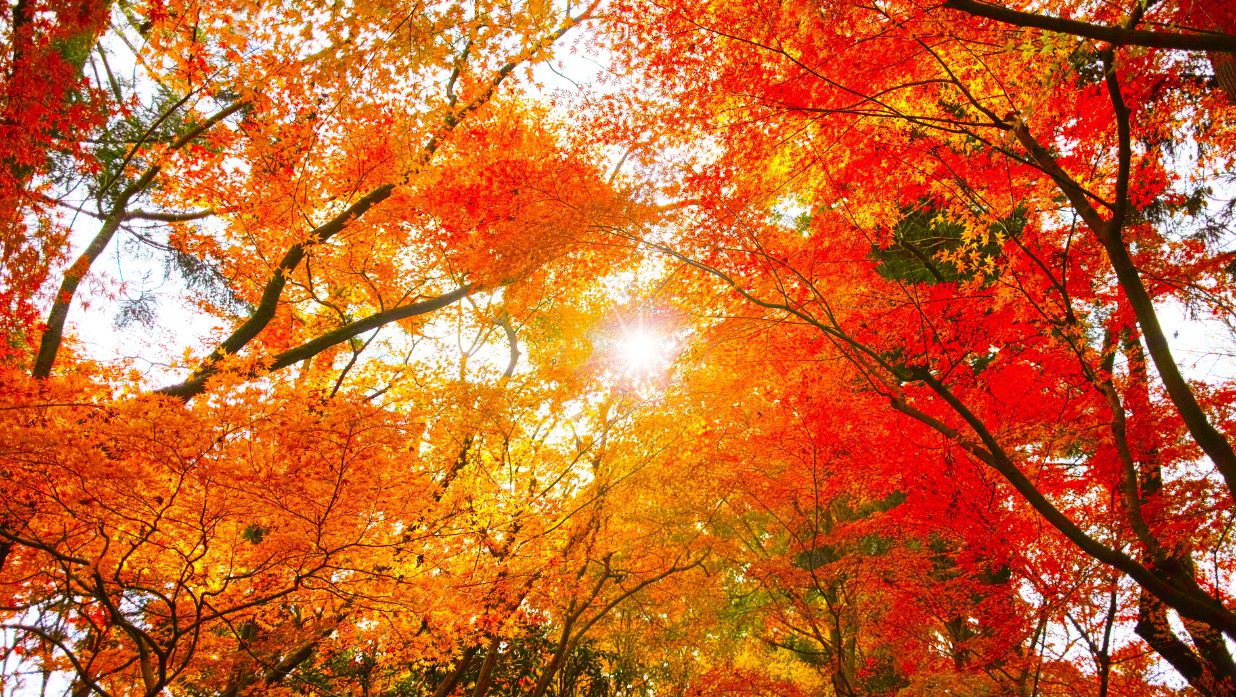
Far from being a new practice, the foundations of Autumnal Equinox Day were actually laid out centuries ago. But, many moons later, are the origins of this holiday still relevant today?
Japan is the only nation to have a public holiday dedicated to the oceans. So, why is Marine Day important and how can we all celebrate it together?
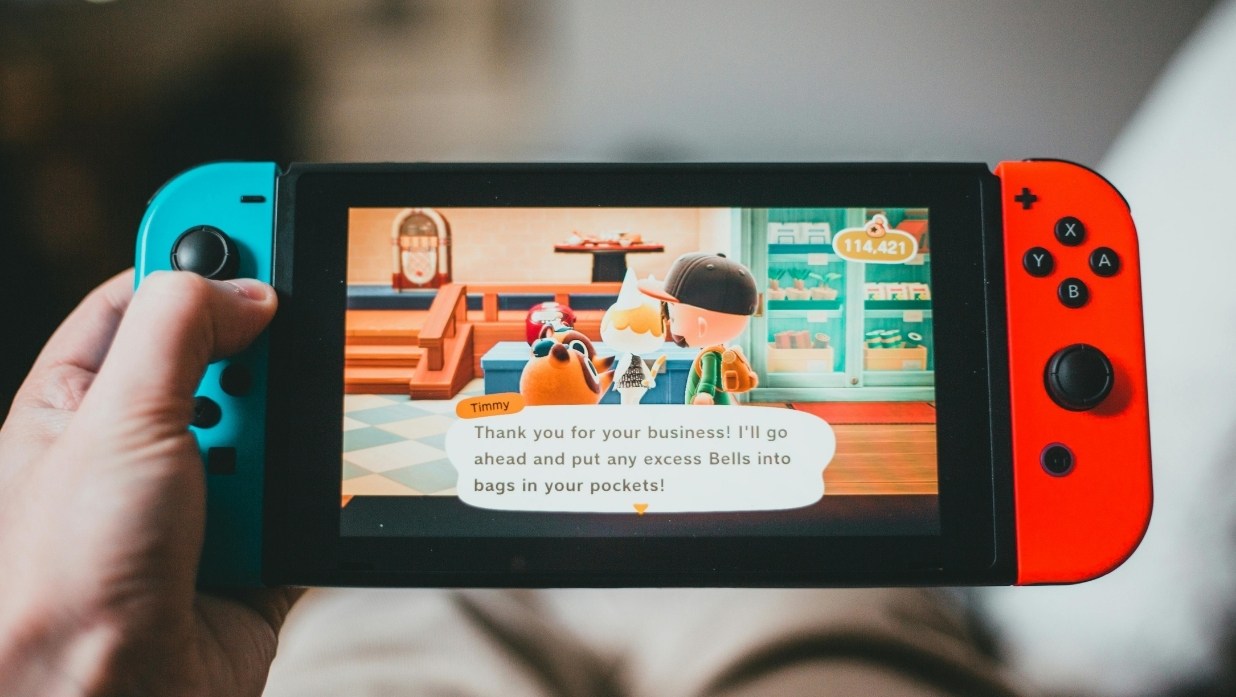
Many of us grew up playing Japanese video games, some of the most popular including Legend of Zelda, Mario, and Pokémon, but did you ever consider using them to learn Japanese? Generally, people think of anime for learning Japanese, but video games might have some of the same benefits, if not more! Video games can […]
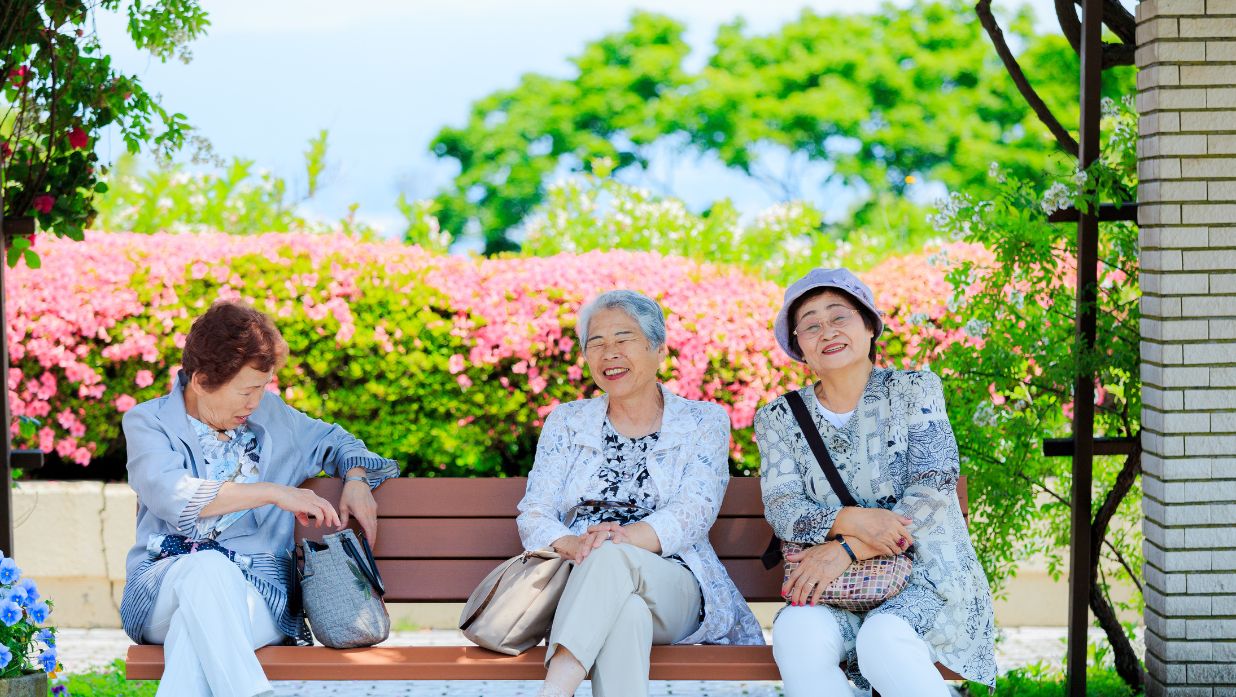
The values behind Respect-for-the-Aged Day are important reminders for all of us. But why?
Otsukaresama desu is a key phrase that you will need to master if you plan to work in a Japanese office.

You might have heard of Golden Week, Japan’s highly anticipated holiday period, when a series of often consecutive holidays occurs from the end of April to early May, allowing many Japanese people to take a week off. But have you heard of Silver Week (シルバーウィーク)? Coined in 2009, Silver Week refers to a cluster of […]
There’s only “me”, “myself” and “I” in English, but when it comes to Japanese first-person pronouns, the options are seemingly endless.

The bonodori is a spiritual dance to welcome the spirits. Every region has a local dance and a different music.