



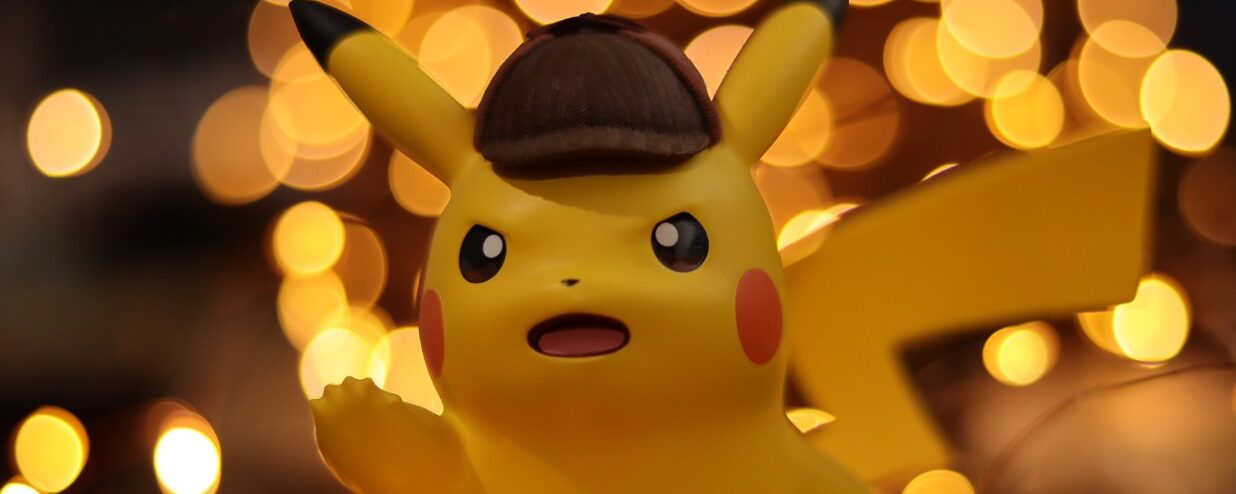


Pokémon is undoubtedly one of our favorite franchises ever; however, you may have noticed that many of the names of the Pokémon we know and love in English are completely different in Japanese. So, why is that? Turns out Pokémon names are not translated directly from Japanese to English, since the names wouldn’t make much sense if they were.
So, let’s find out how the names for your favorite Pokémon are actually translated into English and, of course, how to actually say your favorite Pokémon in Japanese! Since there are over 1000 Pokémon, we will just go over some of the most popular pokémon!
Why are Pokémon Names Different in Japanese vs English
While all pokémon names are written in katakana, the Japanese writing system often used for foreign words, most names do not translate directly to English, even if they borrow some English words. The Japanese language is inherently structured differently from English, so to make the names more culturally relevant to English speakers, they had to localize them extensively. Let’s explore how literal Japanese descriptions and wordplays make it essentially impossible to simply translate the names into English.
1. Pokémon Names are Literal Descriptions in Japanese
Most Japanese pokémon names are literal descriptions of their personality, characteristics, abilities, or origin, which often might not make sense or won’t roll off the tongue as well in an English context. For instance, the pokémon Snorlax’s Japanese name is actually カビゴン (kabigon) with カビ (kabi) being the Japanese word for “mold.” This is referring to the fact that Snorlax will eat just about anything, even moldy food.
The name also comes from the Pokémon’s original nickname, “Kirby” (not a Pokémon!), after another Nintendo video game character, for the way it eats. The name English Snorlax focuses more on its sleepy characteristics and sounds much better than something to do with mold.
2. Pokémon Names are Based on Japanese Play-on-Words
Many original Japanese pokémon names are also based on specific Japanese wordplays, which you probably can guess don’t translate to English very well. The popular pokémon, Bulbasaur, is actually called フシギダネ (fushigidane) with fushigi meaning “mysterious” or “strange” and dane or tane meaning “seed.” Together, the name literally translates to “mysterious seed.” However, it’s actually a double entendre, where “dane” is a verb ending that attaches to “fushigi” to make the phrase “strange, isn’t it?”
The name of this Pokémon plays on its unknown origin, evoking a sense of wonder and mystery. In English, the name Bulbasaur focuses on its physical characteristics, with bulb referring to the plant bulb that forms the back of Bulbasaur. In Japanese, フシギダネ makes sense given the language’s structure, but it would need to be localized to a completely different name for English speakers.
3. Direct Translation Exceptions
Some pokémon names are directly transposed from Japanese to English, which may be an exception rather than the standard. Likely the most popular example would be Pikachu, ピカチュウ, who, despite having a name that doesn’t mean anything in English, has become one of the popular icons for pokémon around the world. The name actually comes from the Japanese onomatopoeia ピカピカ (pika pika), which means “shiny” or “sparkly”, referencing Pikachu’s electric powers. It also comes from another onomatopoeia, チューチュー (chuu chuu), which is a sound that mice make.
In Japanese, you could say Pikachu’s name means “sparkly mouse,” but really, it was just made up specifically for the character. The creators actually put a lot of thought into creating a name that would sound cute even to an American audience. They also wanted the character to be memorable and unique so it could be the mascot of pokémon. In fact, the name was actually created before the character was even designed. For these reasons, Pikachu is one of the few pokémon that have the same name all over the world.
How Are Pokémon Names Adapted into English
Rather than using literal translations of pokémon names, they are adapted into English and other languages as well. As we mentioned, Pokémon names in Japanese consist of wordplays, cultural references, and word blends that really only make sense in Japanese. As a result, most localization occurs in different regional Nintendo locations. Nintendo of America and the Pokémon Company International handle most of the English localization and often work closely with Nintendo’s headquarters in Kyoto.
This allows the pokémon names, moves, powers, and dialogue to adapt to a context that makes sense to English speakers. Most Pokémon names are localized portmanteaus, a fancy word for word blends. For instance, the name Charmander comes from the word char (as in to burn), referencing its fire powers, as well as salamander, since it essentially looks like a big salamander/lizard-like creature. In Japanese, the name is quite similar: ヒトカゲ (hitokage), which literally translates to “fire lizard,” with ヒ (hi) meaning “fire” and トカゲ (tokage) meaning “lizard.”
They aren’t direct translations, but the localized English name makes Charmander sound like an actual species unique to the Pokémon world. Much of the localization involves creating memorable, unique names that fit the in-game universe.
However, certain things like pokémon categories tend to align more closely to the original; for instance, ネズミポケモン (nezumi Pokémon) was directly translated to “mouse pokémon” in English. But the word ネズミ can mean either “mouse” or “rat,” so the localization team likely chose “mouse” because it carries more positive associations in English.
Localization has to consider a variety of factors to ensure that Pokémon names capture the spirit of the original while drawing on culturally relevant English expressions to describe something recognizable yet unique to English speakers.
List of Pokémon Names in Japanese
Below is a list of some of the most popular pokémon’s official English and Japanese names, so you can find out how to say your favorite pokémon in Japanese! We also wrote each Japanese name in Romaji.
| Number | English Name | Japanese Name | Romaji |
|---|---|---|---|
| 1 | Bulbasaur | フシギダネ | Fushigidane |
| 2 | Ivysaur | フシギソウ | Fushigisou |
| 3 | Venusaur | フシギバナ | Fushigibana |
| 4 | Charmander | ヒトカゲ | Hitokage |
| 5 | Charmeleon | リザード | Rizādo |
| 6 | Charizard | リザードン | Rizādon |
| 7 | Squirtle | ゼニガメ | Zenigame |
| 8 | Wartortle | カメール | Kameeru |
| 9 | Blastoise | カメックス | Kamekkusu |
| 10 | Caterpie | キャタピー | Kyatapī |
| 11 | Metapod | トランセル | Toranseru |
| 12 | Butterfree | バタフリー | Batafurii |
| 13 | Weedle | ビードル | Biidoru |
| 14 | Kakuna | コクーン | Kokuun |
| 15 | Beedrill | スピアー | Supiaa |
| 16 | Pidgey | ポッポ | Poppo |
| 17 | Pidgeotto | ピジョン | Pijon |
| 18 | Pidgeot | ピジョット | Pijotto |
| 19 | Rattata | コラッタ | Koratta |
| 20 | Raticate | ラッタ | Ratta |
| 21 | Spearow | オニスズメ | Onisuzume |
| 22 | Fearow | オニドリル | Onidoriru |
| 23 | Ekans | アーボ | Aabo |
| 24 | Arbok | アーボック | Aabokku |
| 25 | Pikachu | ピカチュウ | Pikachuu |
| 26 | Raichu | ライチュウ | Raichuu |
| 27 | Sandshrew | サンド | Sando |
| 28 | Sandslash | サンドパン | Sandopan |
| 29 | Nidoran♀ | ニドラン♀(メス) | Nidoran mesu |
| 30 | Nidorina | 二ドリーナ | Nidoriina |
| 31 | Nidoqueen | ニドクイン | Nidokuin |
| 32 | Nidoran♂ | ニドラン♂(オス) | Nidoran osu |
| 33 | Nidorino | 二ドリーノ | Nidoriino |
| 34 | Nidoking | ニドキング | Nidokingu |
| 35 | Clefairy | ピッピ | Pippi |
| 36 | Clefable | ピクシー | Pikushii |
| 37 | Vulpix | ロコン | Rokon |
| 38 | Ninetales | キュウコン | Kyuukon |
| 39 | Jigglypuff | プリン | Purin |
| 40 | Wigglytuff | プクリン | Pukurin |
| 41 | Zubat | ズバット | Zubatto |
| 42 | Golbat | ゴルバット | Gorubatto |
| 43 | Oddish | ナゾノクサ | Nazonokusa |
| 44 | Gloom | クサイハナ | Kusaihana |
| 45 | Vileplume | ラフレシア | Rafureshia |
| 46 | Paras | パラス | Parasu |
| 47 | Parasect | パラセクト | Parasekuto |
| 48 | Venonat | コンパン | Konpan |
| 49 | Venomoth | モルフォン | Morufon |
| 50 | Diglett | ディグダ | Diguda |
| 51 | Dugtrio | ダグトリオ | Dagutorio |
| 52 | Meowth | ニャース | Nyaasu |
| 53 | Persian | ペルシアン | Perushian |
| 54 | Psyduck | コダック | Kodakku |
| 55 | Golduck | ゴルダック | Gorudakku |
| 56 | Mankey | マンキー | Mankii |
| 57 | Primeape | オコリザル | Okorizaru |
| 58 | Growlithe | ガーディ | Gaadi |
| 59 | Arcanine | ウインディ | Uindi |
| 60 | Poliwag | ニョロモ | Nyoromo |
| 61 | Poliwhirl | ニョロゾ | Nyorozo |
| 62 | Poliwrath | ニョロボン | Nyorobon |
| 63 | Abra | ケーシィ | Keeshii |
| 64 | Kadabra | ユンゲラー | Yungeraa |
| 65 | Alakazam | フーディン | Fuudin |
| 66 | Machop | ワンリキー | Wanrikii |
| 67 | Machoke | ゴーリキー | Goorikii |
| 68 | Machamp | カイリキー | Kairikii |
| 69 | Bellsprout | マダツボミ | Madatsubomi |
| 70 | Weepinbell | ウツドン | Utsudon |
| 71 | Victreebel | ウツボット | Utsubotto |
| 72 | Tentacool | メノクラゲ | Menokurage |
| 73 | Tentacruel | ドククラゲ | Dokukurage |
| 74 | Geodude | イシツブテ | Ishitsubute |
| 75 | Graveler | ゴローン | Goroon |
| 76 | Golem | ゴローニャ | Goroonya |
| 77 | Ponyta | ポニータ | Poniita |
| 78 | Rapidash | ギャロップ | Gyaroppu |
| 79 | Slowpoke | ヤドン | Yadon |
| 80 | Slowbro | ヤドラン | Yadoran |
| 81 | Magnemite | コイル | Koiru |
| 82 | Magneton | レアコイル | Reakoiru |
| 83 | Farfetch’d | カモネギ | Kamonegi |
| 84 | Doduo | ドードー | Doodoo |
| 85 | Dodrio | ドードリオ | Doodorio |
| 86 | Seel | パウワウ | Pauwau |
| 87 | Dewgong | ジュゴン | Jyugon |
| 88 | Grimer | ベトベター | Betobetaa |
| 89 | Muk | ベトベトン | Betobeton |
| 90 | Shellder | シェルダー | Sherudaa |
| 91 | Cloyster | パルシェン | Parushen |
| 92 | Gastly | ゴース | Goosu |
| 93 | Haunter | ゴースト | Goosuto |
| 94 | Gengar | ゲンガー | Gengaa |
| 95 | Onix | イワーク | Iwaaku |
| 96 | Drowzee | スリープ | Suriipu |
| 97 | Hypno | スリーパー | Supriipaa |
| 98 | Krabby | クラブ | Kurabu |
| 99 | Kingler | キングラー | Kinguraa |
| 100 | Voltorb | ビリリダマ | Biriridama |
| 101 | Electrode | マルマイン | Marumain |
| 102 | Exeggcute | タマタマ | Tamatama |
| 103 | Exeggutor | ナッシー | Nasshii |
| 104 | Cubone | カラカラ | Karakara |
| 105 | Marowak | ガラガラ | Garagara |
| 106 | Hitmonlee | サワムラー | Sawamuraa |
| 107 | Hitmonchan | エビワラー | Ebiwaraa |
| 108 | Lickitung | ベロリンガ | Beroringa |
| 109 | Koffing | ドガース | Dogaasu |
| 110 | Weezing | マタドガス | Matadogasu |
| 111 | Rhyhorn | サイホーン | Saihoon |
| 112 | Rhydon | サイドン | Saidon |
| 113 | Chansey | ラッキー | Rakkii |
| 114 | Tangela | モンジャラ | Monjyara |
| 115 | Kangaskhan | ガルーラ | Garuura |
| 116 | Horsea | タッツー | Tattsuu |
| 117 | Seadra | シードラ | Shiidora |
| 118 | Goldeen | トサキント | Tosakinto |
| 119 | Seaking | アズマオウ | Azumaou |
| 120 | Staryu | ヒトデマン | Hitodeman |
| 121 | Starmie | スターミー | Sutaamii |
| 122 | Mr. Mime | バリヤード | Bariyaado |
| 123 | Scyther | ストライク | Sutoraiku |
| 124 | Jynx | ルージュラ | Ruujyura |
| 125 | Electabuzz | エレブー | Erebuu |
| 126 | Magmar | ブーバー | Buubaa |
| 127 | Pinsir | カイロス | Kairosu |
| 128 | Tauros | ケンタロス | Kentarosu |
| 129 | Magikarp | コイキング | Koikingu |
| 130 | Gyarados | ギャラドス | Gyaradosu |
| 131 | Lapras | ラプラス | Rapurasu |
| 132 | Ditto | メタモン | Metamon |
| 133 | Eevee | イーブイ | Iibui |
| 134 | Vaporeon | シャワーズ | Shawaazu |
| 135 | Jolteon | サンダース | Sandaasu |
| 136 | Flareon | ブースター | Buusutaa |
| 137 | Porygon | ポリゴン | Porigon |
| 138 | Omanyte | オムナイト | Omunaito |
| 139 | Omastar | オムスター | Omusutaa |
| 140 | Kabuto | カブト | Kabuto |
| 141 | Kabutops | カブトプス | Kabutopusu |
| 142 | Aerodactyl | プテラ | Puten |
| 143 | Snorlax | カビゴン | Kabigon |
| 144 | Articuno | フリーザー | Furiizaa |
| 145 | Zapdos | サンダー | Sandaa |
| 146 | Molotres | ファイヤー | Faiyaa |
| 147 | Dratini | ミニリュウ | Miniryuu |
| 148 | Dragonair | ハクリュー | Hakuryuu |
| 149 | Dragonite | カイリュー | Kairyuu |
| 150 | Mewtwo | ミュウツー | Myuutsuu |
| 151 | Mew | ミュウ | Myuu |
The full list of all the Pokémon names in English and Japanese can be found on Bulbapedia here!
Conclusion: Pokémon Names were Adapted for an English Context
The localization teams adapted the Pokémon names to be more culturally relevant and capture the spirit of the original Japanese names for English speakers. Translating the names directly into English actually wouldn’t communicate the same intended purpose of their originals, and wouldn’t even make the Pokémon feel the same as we know it. This is why there was so much effort into localizing the pokémon names into English. Even when the names weren’t changed from the originals, as in the case of Pikachu, they were created to be palatable to a global audience. Try to remember some of these pokémon’s Japanese names, and see what it’s like to play the video games in Japanese!
Learn Japanese at Coto Academy to Play Pokémon in Japanese!
If you want to learn enough Japanese to play Pokémon in its original language, join our Japanese classes at Coto Academy! We offer courses to improve your reading, listening, writing, and, of course, speaking. Our small classes allow for the courses to be tailored to each student, ensuring their needs are met. If you’re coming to Japan short or long-term, join one of our campuses in Shibuya, Shinjuku, Iidabashi, Minato, or Yokohama! Or you can join us online from anywhere around the world! Ready to join or want to have a free consultation? Fill out the form below!
FAQ:
Why are Pokémon names different in Japanese and English?
Pokémon names are not directly translated from Japanese to English because most Japanese names are literal descriptions, wordplays, or cultural references that simply would not make sense to an English-speaking audience. Instead, the names are localized, adapted into English in a way that captures the spirit of the original while feeling natural and memorable to English speakers.
Are Pokémon names written in katakana in Japanese?
Yes, all Pokémon names in Japanese are written in katakana, the writing system most commonly used for foreign words, loanwords, and onomatopoeia. This gives Pokémon names a distinctive, slightly exotic feel in Japanese, which suits the franchise’s fantastical nature. Even names with Japanese origins are written in katakana rather than kanji or hiragana.
What does Pikachu mean in Japanese?
Pikachu’s name comes from two Japanese onomatopoeia, ピカピカ (pika pika), meaning “shiny” or “sparkly,” referencing its electric powers, and チューチュー (chuu chuu), the sound mice make in Japanese. Together, the name loosely translates to “sparkly mouse.” Pikachu is one of the rare exceptions where the Japanese and English names are identical, largely because the creators deliberately designed the name to sound cute and appealing to international audiences.
Who is responsible for localising Pokémon names into English?
English localization is handled primarily by Nintendo of America and the Pokémon Company International, who work closely with Nintendo’s headquarters in Kyoto. Their job is to adapt not just Pokémon names but also moves, powers, and dialogue into versions that feel culturally relevant and natural to English speakers, while still capturing the spirit and personality of the original Japanese names.
You may be interested in our other blogs:
Learning Japanese with Anime: Does it actually work?
Learning Japanese with Anime – Naruto
Learning Japanese With Anime – Detective Conan 名探偵コナン
15 Best J-Pop Songs to Learn in Japanese
10 Best Manga to Learn Japanese