



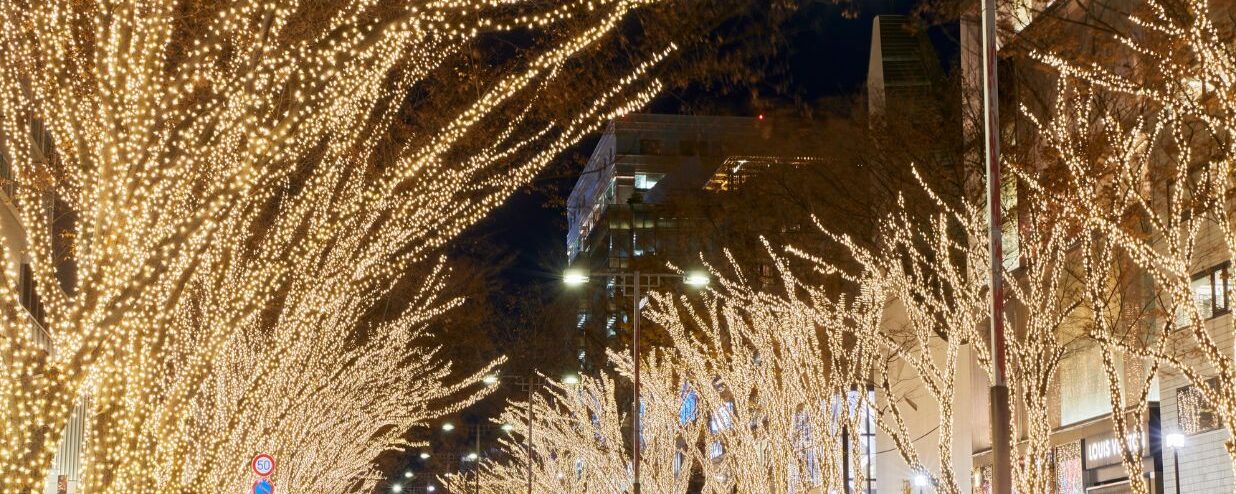


When people imagine Japan, the first mental image is likely of the bright pink cherry blossoms lining the streets during the spring. But our association with springtime in Japan often overshadows the beauty and serenity of Japan during the winter months, where bustling cities and quiet temples alike are blanketed in snow. Come November, and the vibrant autumnal leaves of the fall will soon be replaced with snowflakes and icicles.
There are plenty of activities to enjoy in Japan during the colder months, but winter in Tokyo especially captures a festive Christmas vibe. In this guide, we’ll take you through what winter is like in Tokyo and share our top recommendations for making the most of the season. So bundle up warm, grab a hot drink, and get ready to explore the city’s winter charm!
When is Winter in Tokyo?
Winter in Tokyo typically runs from December to February. Officially, it lasts from December 1 to February 28.
How Cold Does it Get During Winter in Tokyo?
| Month | High (°C) | Low (°C) |
| December | 12°C | 5°C |
| January | 10°C | 2°C |
| February | 11°C | 3°C |
In the wintertime, Tokyo can get rather chilly, and it is definitely recommended that you bundle up and wear warm and comfortable clothing. The average daytime temperatures during the winter typically range from 6°-13°C (42-55°F); at nighttime, temperatures usually range from 0°-7°C (32-45°F). The Kanto region of Japan, which includes Tokyo, rarely gets extreme cold during the winter, unlike Japan’s northernmost region of Hokkaido, which can experience much colder temperatures of -12°-2°C (10°-35°F) on average and more severe snowstorms and stronger winds.
On the contrary, Japan’s southernmost region of Okinawa, located 1,996 km from the mainland, has the mildest winter out of anywhere in Japan, with the average low only being around 14°C (57°F). When it comes to winter weather, this sandwich is between these two regions, meaning that the Tokyo area will get to experience all the enjoyable aspects of the winter season without the threats of extreme weather. So if you want to experience a mild winter with plenty of activities to do this year, Tokyo is the ideal balance. Now, let’s cover the best things to do in Tokyo this winter season!
Does it Snow During Winter in Tokyo?
Yes, but not much. Winters in Tokyo are generally dry, with low humidity and few precipitation days. Snowfall occasionally occurs in January and February, the coldest months, but it rarely accumulates and usually melts by the next day. While Japan has many destinations famous for snow, Tokyo is not the best place to experience it.
If you’re hoping to see a winter wonderland, Japan has plenty of options outside Tokyo. Northern regions like Hokkaido or the Japanese Alps get heavy, lasting snow and are perfect for skiing, snowboarding, or simply enjoying snowy scenery. They are also known for their snow quality — smooth, powder-like snow. Tokyo, in contrast, is better known for its crisp winter air, bright blue skies, and festive lights!
Activities in Tokyo During December
1. Visit a Christmas Market
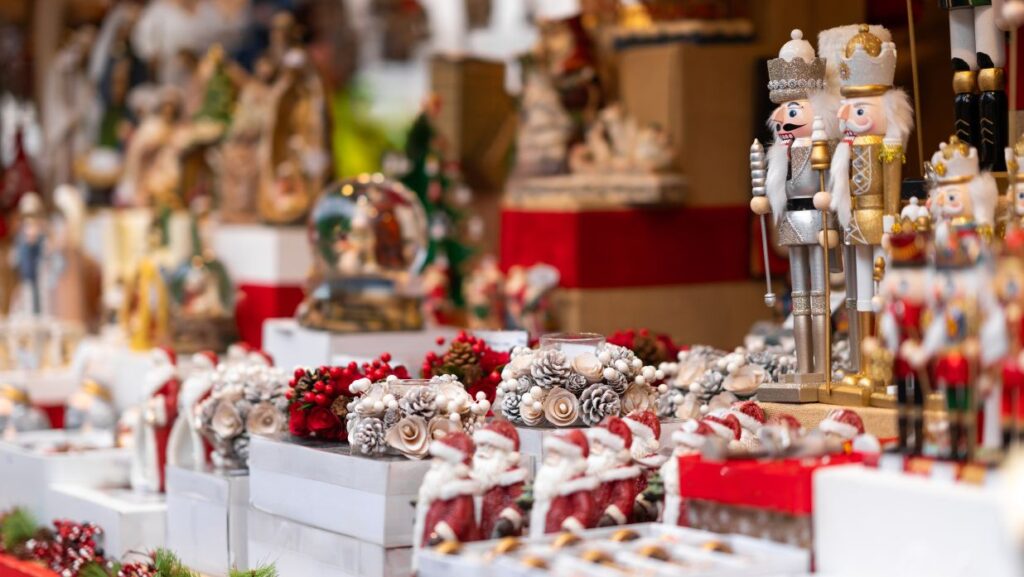
When you envision a traditional Christmas market, your mind likely goes to countries such as Germany, Austria, or France, which have become famous for these annual winter events. However, did you know that there are Christmas markets in Japan as well that rival those in Europe? These markets simultaneously combine a lively atmosphere with a sense of peace as they set the tone and excitement for Christmas. Enjoy a hot cup of cocoa next to cozy lights and cheerful holiday decorations, or savor some traditional winter foods such as sausages and warm soups. In addition to the comforting food options at these markets, there is also plenty of shopping and photo opportunities to be had.
Here is a list of all the Christmas markets taking place in Tokyo this year:
- Meiji Jingu Gaien Christmas Market (Nov 21 – December 25)
- Shiba Park Christmas Market (December 5 – 25)
- Azabudai Christmas Market (November 22 – December 25)
- Roppongi Hills Christmas Market (November 4 – December 25)
- Tokyo Skytree Christmas (November 1 – December 25)
- Yebisu Garden Place Christmas Market (November 9 – December 25)
- Yokohama Redbrick Warehouse Christmas Market (November 21 – December 25)
2. Admire the Winter Illuminations
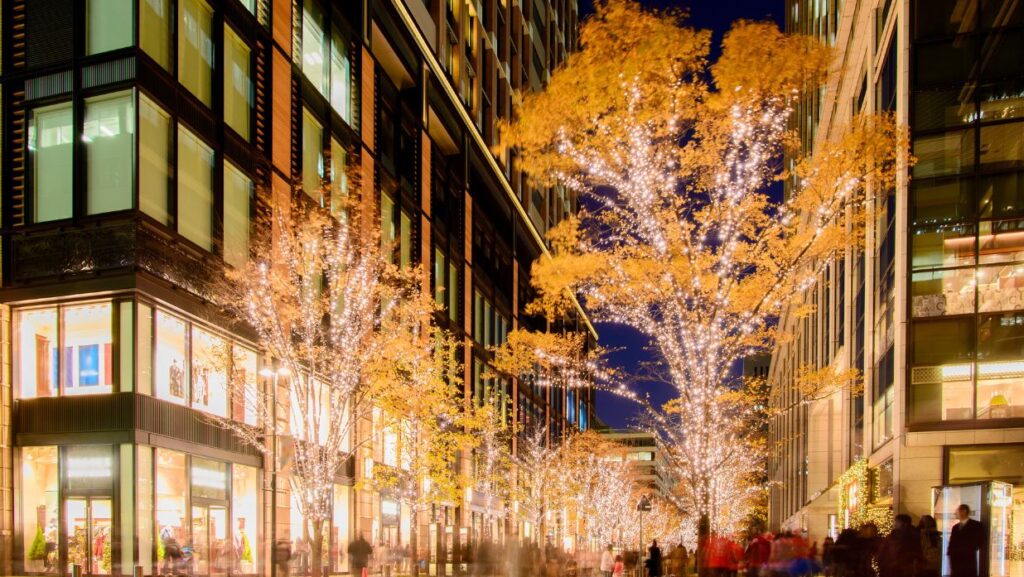
Every year in Tokyo, there is a wide range of breathtaking and extravagant light shows and illuminations happening all across the city. Witness the city sparkle in a way that you won’t get to see any other time of the year. There are several illuminations happening this December in Tokyo:
- Marunouchi Illumination (November 13 – February 15)
- Midtown Christmas (November 13 – December 25)
- Roppongi Hills Christmas (November 4 – December 25)
- Tokyo Dome City Winter Illuminations (November 17 – March 1)
- Shibuya Blue Cave (December 4 – 25)
- Meguro River Minna no Illumination (December 5 – January 31)
- Tokyo Mega Illumination (November 1 – January 11)
Check out our guide on the best winter illuminations in Tokyo for more details.
3. Other Must-dos for Your December Trip in Tokyo
With temperatures dropping in December, this is the perfect opportunity to partake in some Tokyo seasonal specialities. What better way to warm up than to eat some delicious and comforting food?
There are plenty of Japanese dishes in winter that will keep you nice and toasty: ramen, nabe (hot pot stew), yakiimo (roasted sweet potatoes), nikuman (steamed meat buns), and tonjiru (pork and vegetable soup) are just a few savory foods to enjoy. Foods such as nabe are best enjoyed with friends and loved ones in a communal setting, adding an extra feeling of comfort as you cook your food. Snacks such as yakiimo and nikuman are great for a quick, warm treat and are easily accessible, often being sold at most supermarkets and convenience stores during the winter.
Given that Christmas is in December, this makes it the perfect month to go shopping in one of Tokyo’s many world-class shopping areas and numerous stores and malls. Take a visit to Shibuya 109, the iconic building located just a stone’s throw away from Shibuya Scramble Square. Inside, you will find countless small stores tailoring to every need; from makeup and cosmetics to mainstream and niche fashion stores, the perfect gift is waiting to be found.
If you are looking for a more luxurious and high-end shopping experience, check out Ginza or Omotesando. These districts are renowned for their unparalleled shopping experiences, with designer stores across a wide variety of specialties (clothing, fragrances, household goods, jewelry) lining every street. This is the ideal spot to shop if you are searching for a one-of-a-kind gift that will turn heads. Omotesando Hills, Tokyu Plaza, Ginza Six, and Ginza Place are all wonderful shopping destinations to visit, even if you just want to window-shop.
Activities in Tokyo During January
1. Learn some Japanese and take Japanese class during your trip
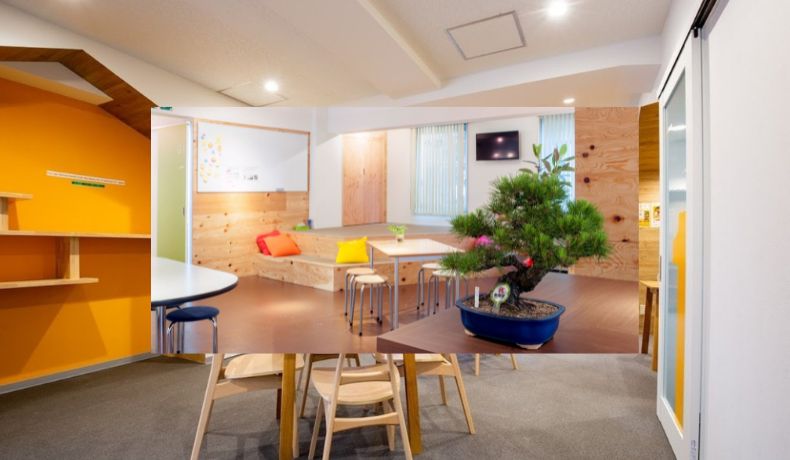
January, with its New Year’s energy, is the perfect time to set goals. And if your resolution is to pick up a new language, why not start while you’re in Japan? Winter is a great season to focus on learning, cozy indoors, or exploring the city while practicing your new skills.
Schools like Coto Academy offer flexible, beginner-friendly lessons that can fit even into a short winter trip. Their approach emphasizes real-life situations, practical communication, and cultural insights, making it easy to start understanding signs, asking questions, and having simple conversations. What makes it especially convenient is that you can join for as little as one week, unlike most schools that require months-long commitments.
2. Participate in Hatsumode
Hatsumode refers to the first visit to a temple or shrine for the new year. This is typically during New Year’s Day, and many people will visit these sacred spaces to reflect on the previous year and pray for good health, prosperity, and good fortune for the new year. During Hatsumode, many people purchase omamori, or good luck amulets. These are often sold at shrines, and there are wide varieties to choose from, each with its own specific purpose. Some omamoris are for protection, for health and safety, and others for love and relationships, to name a few. Omamoris are often colorful and feature vibrant, beautiful designs as well.
Many people also write their wishes on ema (wooden plaques) during Hatsumode. The wish is entirely dependent on what you desire, be it anything from good health, love, or academic and career success. There is a designated area to hang these plaques at shrines, and they are designed so that the gods can see and answer your wishes.
There are many temples and shrines across Tokyo where you can participate in Hatsumode, with Meiji Shrine, Senso-ji Temple, and Kanda Shrine likely to draw in the biggest crowds. There are hundreds of smaller yet equally beautiful shrines located across Tokyo that you can visit as well, such as the Hie-jinja Shrine, Koami Shrine, or the Nezu Shrine.
3. Attend the Furusato Matsuri
The Furusato Festival takes place in the massive Tokyo Dome City from January 10 – 19 and celebrates all aspects of Japanese culture across each of its distinct regions. Each year, over 400,000 people attend the 9-day festival, making it a massive celebration that offers visitors plenty to do (and eat). There are hundreds of food vendors offering unique regional delicacies from all over Japan, which would be difficult to otherwise find in Tokyo.
Additionally, there are various performances that visitors can enjoy, many of which replicate traditional festivals and parades from more remote regions of Japan so that the urban audience in Tokyo can still witness them without having to travel long distances. Among those which the festival has replicated are the Aomori Nebuta Festival, Okinawa Zento Eisa Matsuri, Bon Odori, Akita Kanto Matsuri, and traditional Taiko drum performances. This festival is a must-do if you want to experience a wide variety of Japanese regional cultures all conveniently located under one roof.
4. Other Must-dos For Your January in Tokyo
With January being the coldest overall month in Tokyo, with temperatures sometimes dropping below freezing, it is important to stay warm in the chilly weather. This makes January an ideal month to visit a hot spring. Hot springs, or onsen, are natural bodies of water that have been warmed by geothermal energy from the Earth’s internal heat, and Japan has tens of thousands of these hot springs. While many are in more isolated regions of the country, there are plenty nearby Tokyo that make for a perfect day trip to rest and rejuvenate away from the hustle and bustle of the city.
Hakone, just a short distance from Tokyo and nearby Mt. Fuji, is an area of picturesque natural beauty that is still relatively close to Tokyo. The area is home to many onsens that will keep you warm and cozy during the January cold. Among the most popular are Hakone Yumoto Onsen, Ubako Hot Spring Shumeikan, Tenzan Tohji-Kyo, Hakone Yuryo, and Hakone Gora-Byakudan.
While farther away from Tokyo and requiring a train ride that is approximately 2.5 hours, Kusatsu is another area that is well-known for its onsens. The most famous onsen in this quaint and tranquil little town is the Sai-no-Kawara Outdoor Bath which is known for its large size and its gradually increasing temperatures. Other great onsens in Kusatsu include Goza-no-yu, Jizo-no-yu, and Shirahata-no-yu. Check out our recommendations for the best onsen destinations in Japan.
Activities in Tokyo During February
1. Attend a Plum Blossom Festival
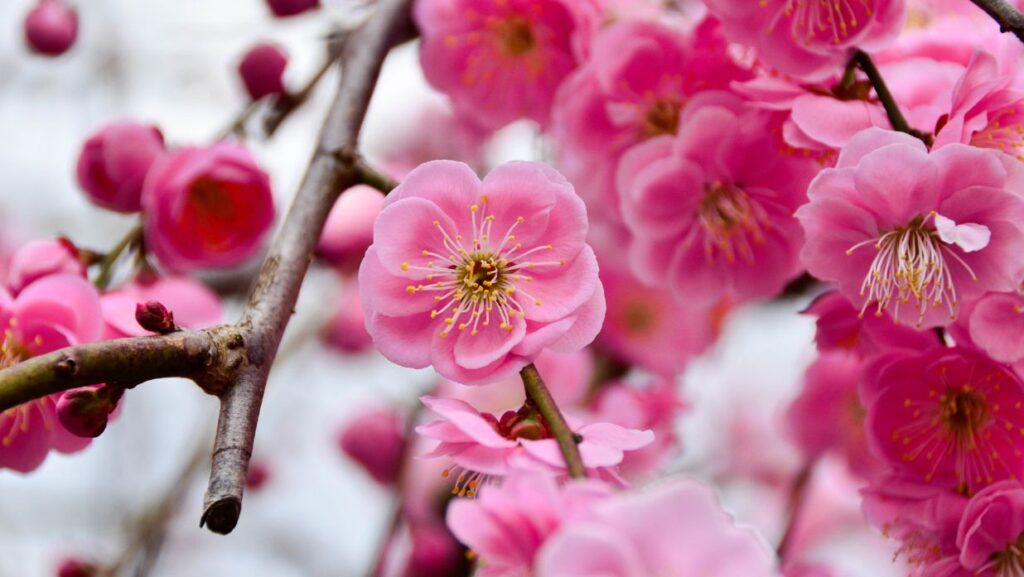
Ume matsuri, or plum blossom festivals, are festivals that celebrate the first blossoming of the year. These beautiful trees are among some of the first to blossom before the springtime, and these festivals are a great way to see these gorgeous trees while participating in some fun festivities. These festivals also offer plenty to eat and drink, with many of the treats provided at these festivals taking inspiration from the plum blossoms in terms of aesthetics and flavors. Umeshu is a staple drink at plum blossom festivals, which is a delicious plum wine. There are also cultural performances and activities at these festivals for visitors to engage in. Here is a list of plum blossom festivals happening in Tokyo for 2026:
- Setagaya Plum Blossom Festival (early February to early March)
- Yushima Tenjin Shrine Plum Blossom Festival (February 7 – March 8)
- Koishikawa Plum Festival (February 1 – March 10)
- Koubai Red Plum Blossom Festival (February 1 – March 25)
2. Attend a Setsubun
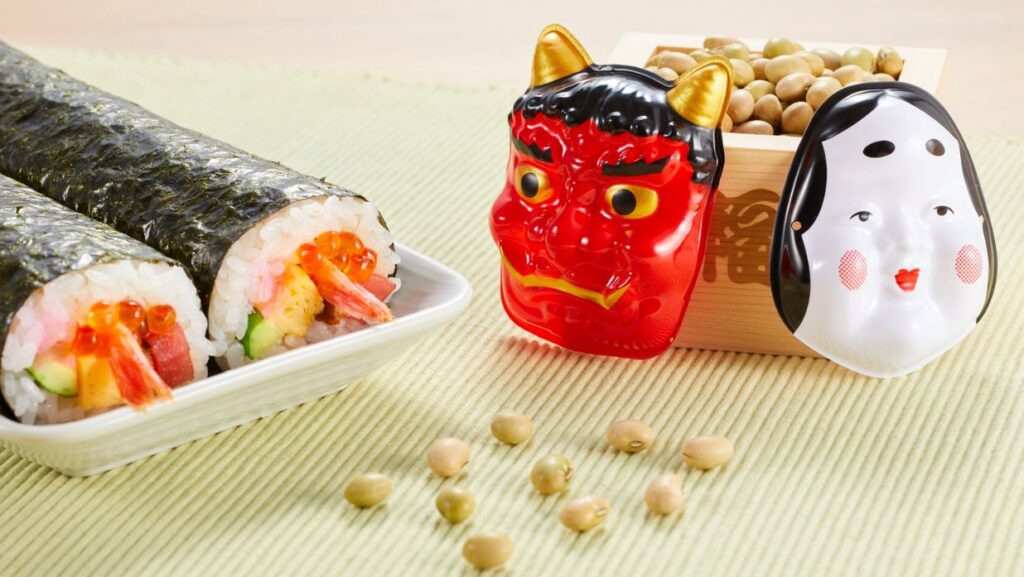
Setsubun takes place on February 3 and is a Japanese festival that marks the end of winter and the beginning of spring. Zojoji Temple and Senso-ji Temple will both be hosting a Setsubun on this date, and the festivities will provide a unique cultural experience. Mamemaki, or the throwing of roasted soybeans to ward off evil spirits, is a common practice during Setsubun.
Additionally, it is tradition to eat an amount of soybeans that corresponds to your age during Setsubun for good luck. It is also common practice to eat an ehomaki, or a large, uncut sushi roll, while facing the lucky direction (eho) of the year to make your wishes come true. It is also recommended to drink fukucha during the festival, which is considered a lucky drink and consists of kelp, pickled plums, and three beans.
4. Other Must-dos For Your February in Tokyo
Since February follows January’s trend as being one of the coldest months in Tokyo, take this opportunity to participate in a winter classic: ice skating. There are several rinks located throughout Tokyo where you can glide across the ice, including Kosé Midtown Ice Rink in Roppongi and the Tokyo Skytree Town Ice Skating Park. Not only will ice skating provide a fun and exciting experience for those participating, but the locations of the ice rinks are in well-known areas of Tokyo with plenty to do, including restaurants, shopping, events, and nightlife.
Make Your Winter Japan Trip More Productive with Japanese Lessons!
Winter is a magical time to visit Tokyo, with crisp air, festive lights, and cozy seasonal vibes. While exploring the city, why not make your trip even more rewarding by learning something new? Take this as the perfect opportunity to join Japanese lessons at Coto Academy while you’re in Tokyo!
Study Japanese at Coto Academy!
Coto Academy specializes in fun, flexible, conversation-focused lessons that help you start speaking from day one. Whether you’re visiting for a short getaway or staying a little longer, our classes are designed with travelers in mind, making it easy to fit learning into your winter itinerary.
With campuses in Tokyo and Yokohama, you can choose from:
- Part-time or casual lessons for busy sightseeing schedules
- Intensive Japanese courses to jump-start your progress
Why join Coto Academy?
- Over 60+ different Japanese classes over 18 levels
- Small classroom of only up to 8 students for personalized support
- Professional, native Japanese teachers
Ready to get started? Fill out the form below to contact us!
FAQ
What months does Tokyo have winter?
Winter in Tokyo lasts from December to February.
Is it worth visiting Tokyo in winter?
Yes, it is absolutely worth visiting Tokyo in the winter. There are various festivals, cultural events, Christmas markets, and other fun activities to do during the winter months.
Which is colder in Tokyo, December or February?
February is typically colder than December in Tokyo. The average high in December is 13.2°C (55.8°F), and the average low is 3.8°C (38.8°F). In February, the average high is 10°C (50°F), and the average low is 2°C (35°F).
Does it snow in Tokyo in February?
While it can snow in Tokyo during February, it is not common, as Tokyo tends to have far milder winters than the northern regions. Tokyo is typically dry during the winter as well, meaning little rainfall and fewer chances of heavy snow.
Can you ice skate in Tokyo?
Yes, you can ice skate in Tokyo during the winter. The Kosé Midtown Ice Rink and the Tokyo Skytree Town Ice Skating Park are open during the winter and are great places to practice your skating.
Love our content? Read more:
- Ways to Spend Christmas in Japan
- Where to Enjoy an American Thanksgiving Dinner in Tokyo
- Must-Try Winter Foods in Japan: Nabe, Fugu, Crab & More
- Best Places to See Snow in Japan