


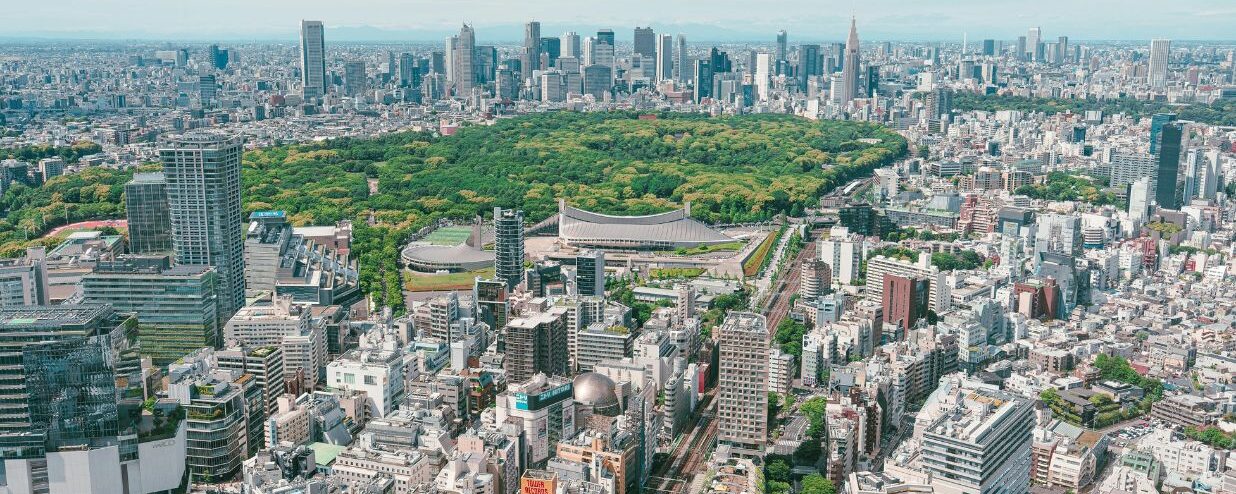


Shinjuku is a great place in general, but is it a good place to study Japanese? As of 2025, around 360,000 people live in this densely populated ward, which serves as one of Tokyo’s major commercial, administrative, and transportation hubs. At first glance, all of this activity might make Shinjuku seem like an unlikely choice for students who want to come to Japan and focus on learning the language.
So, you might be surprised to learn why so many international students love studying in Shinjuku. For all of its high-energy, fast-paced environment, Shinjuku offers something most suburban residential areas cannot: a wider range of schools, greater career and networking opportunities, and excellent transportation access.
So what is the trade-off? And is Shinjuku truly a great place to study Japanese? As a Japanese language school in Shinjuku, we’ve evaluated the reasons and share our insights below.
Is Shinjuku a Really Great Place for Students?
When Coto Japanese Academy decided to open a school in Shinjuku, we carefully considered whether the area would truly be a good place to study Japanese from a student’s perspective.
We think Shinjuku can be an amazing place to study Japanese, especially if you enjoy an energetic environment and lots of real-world language exposure. That is because studying in Shinjuku means being right in the middle of everyday life in Tokyo. You hear, see, and use Japanese constantly, whether you’re ordering food, commuting, or just walking down the street. That kind of immersion can be a huge plus. Still, it’s not necessarily the perfect fit for everyone.
One of the biggest things students consider when choosing where to study Japanese in Japan is whether the area feels student-friendly and affordable. Cost, in particular, comes up a lot. According to data from Wise, the average rent for a studio apartment in Shinjuku is around 134,000 JPY as of December 2025, which is almost 50% higher than in parts of western Tokyo.
That said, cost is only one part of the picture, and it’s worth looking at what you get in return. If you are interested in studying Japanese in Shinjuku, you can also check out Coto Japanese Academy Shinjuku and contact us to get started!
Reasons Why Shinjuku is a Great Place to Study Japanese
1. Great access and connections
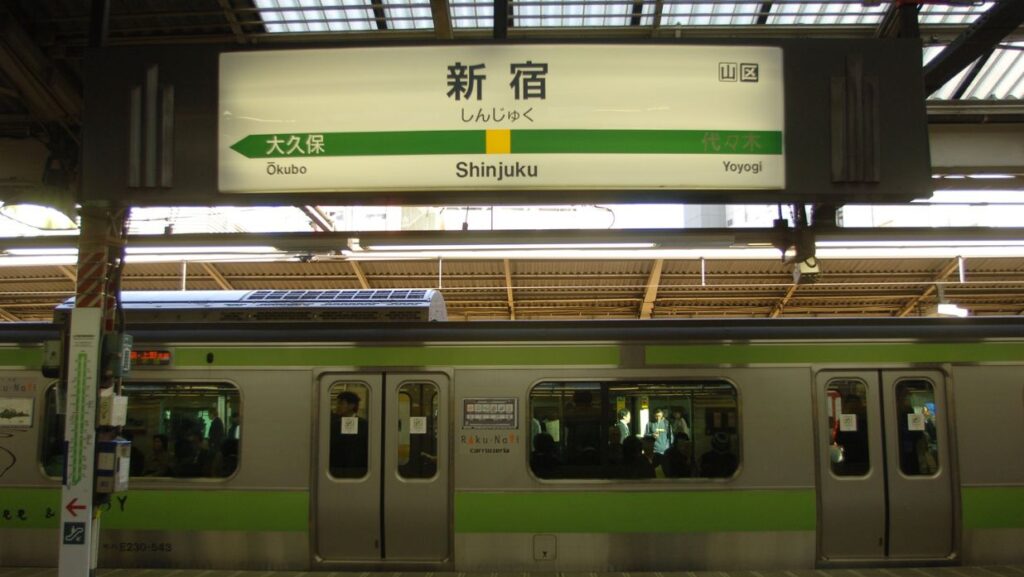
Shinjuku Station is one of the most important transportation hubs in Tokyo, and the busiest railway station in the world. According to Guinness World Records, the station serves an average of around 2.7 million passengers per day. In 2025, JR East reported that approximately 3,34 million passengers boarded JR lines at Shinjuku Station each day.
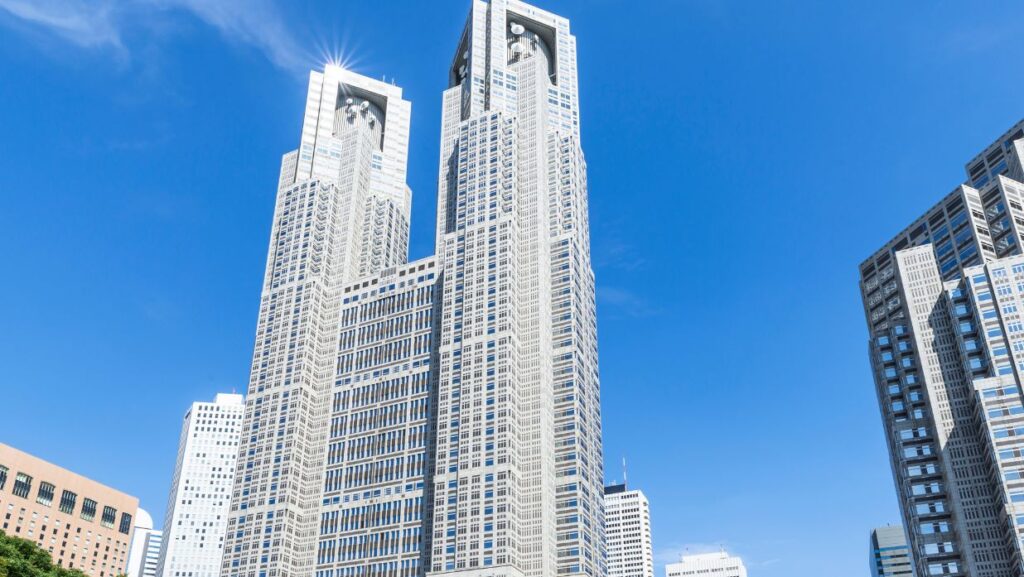
To the west lies the Shinjuku subcenter, home to the Tokyo Metropolitan Government Building and many corporate offices. At the same time, Shinjuku connects to a wide range of urban and suburban train lines. Major lines such as the Odakyu Line run southwest through suburban neighborhoods toward Odawara and the Hakone area, while the Keio Line links Shinjuku directly to Hachioji in western Tokyo.
This is why, even if affordability is a concern, Shinjuku can still be a practical choice. Because it is such a well-connected and exciting area, students can live in more affordable neighborhoods elsewhere in Tokyo and commute easily. You can travel to school, part-time work, or home outside central Tokyo.
2. You can find plenty of opportunities for practical language use
If you’re learning Japanese, one of your main goals is probably to use what you learn in the classroom in real-life situations — something Coto Japanese Academy strongly emphasizes. In Shinjuku, there’s no better place to do exactly that.
If you study Japanese in Shinjuku, you’re exposed to Japanese the moment you step out of class, from hearing conversations of passersby and ordering coffee to reading the road signs and train announcements.
3. Study, life, and free time balance
While studying may be the top priority, living in Japan also means experiencing the culture and enjoying everyday life. In Shinjuku, you can get that nice balance between focused study time and opportunities to relax and explore the city as you want.
From morning to afternoon and into the night, there is always something to do and explore in Shinjuku. Firstly, Shinjuku does not lack cozy, student-friendly cafes, which we define as coffee shops equipped with Wi-Fi and power outlets. On weekend mornings, students can visit Shinjuku Gyoen National Garden, one of Tokyo’s most popular spots for cherry blossom viewing, though the garden remains breathtaking year-round.
Shinjuku’s nightlife is comparable to that of Roppongi and Shibuya, though it is generally more casual and less club-focused. Students can enjoy bar-hopping at local watering holes in Shinjuku Golden Gai or explore Omoide Yokocho — literally translated as “Memory Lane”. This winding network of narrow alleys is filled with izakayas and local restaurants that evoke the atmosphere of Japan’s Showa era.
You might want to read: Fun Things to Do in Shinjuku
4. Shinjuku is not all about the crowd
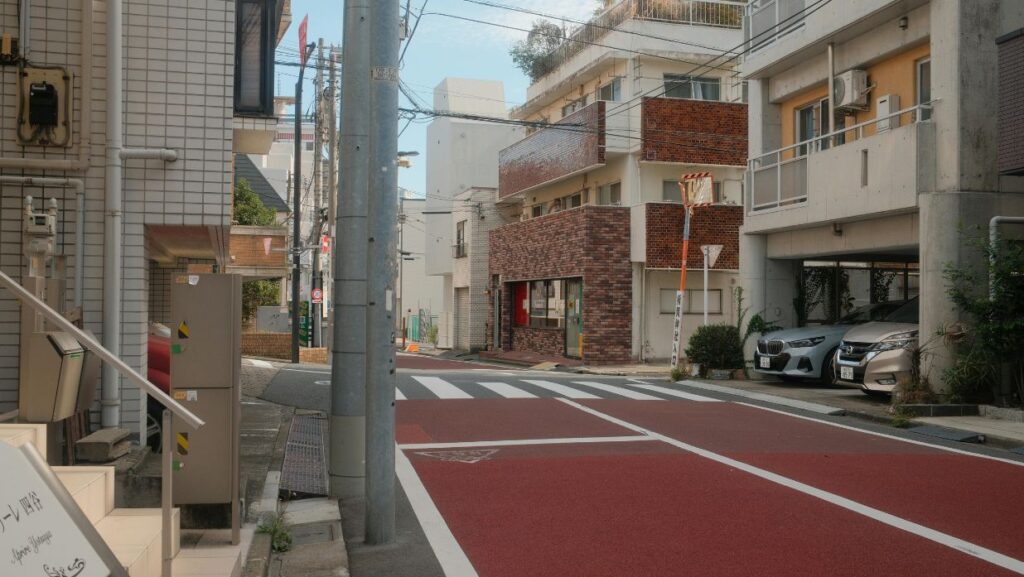
Despite its reputation as one of the most densely populated areas in Tokyo, Shinjuku is far more diverse than you would expect. Beyond the skyscrapers and station, the wider Shinjuku Ward is home to many quaint, charming, and local neighborhoods that feel more like the city’s outskirts than its urban core.
One such area our students like to explore is Arakicho, a small, slightly off-the-beaten-path neighborhood located in the southeastern part of Shinjuku. The area sits in a quiet ravine between Akebonobashi Station and Yotsuya-sanchome Station. The area keeps traces of its past as a geisha district. Today, Arakicho is home to many Michelin-featured restaurants specializing in yakitori, kaiseki, and yakiniku, as well as local bars called izakaya.
5. Some of the best universities are in Shinjuku
Did you know that some of Japan’s top universities are located in Shinjuku? We think that its strong academic presence brings youthful energy that you might want if you are looking to study Japanese here.
Yotsuya, located in the southeastern corner of Shinjuku Ward, is a peaceful, student-friendly area best known as the home of Sophia University. This private research institution consistently ranks among the top private universities in Japan. The area itself has a residential atmosphere, with small cafes and local shrines dotted throughout.
On the other side of Shinjuku is Waseda, particularly Nishi-Waseda, located between Kagurazaka and Takadanobaba. This area is home to Waseda University, one of Japan’s most prestigious universities, which also offers a range of English-taught programs. There are also other amazing institutions, including Kogakuin University, one of Japan’s oldest private engineering schools, and Tokyo University of Science, which has alumni that include Nobel Prize–winning scholars.
Want to study Japanese with us?
6. Shinjuku can be affordable
Rent near Shinjuku Station can be eye-watering. If you’re budgeting your stay in Japan as a student, those price tags might be enough to make you look elsewhere. However, “Shinjuku” is a massive ward, and if you know where to look, you can absolutely find a budget-friendly spot.
Areas like Nishi-Waseda are geared toward university life, meaning the apartments are priced for tighter budgets. Takadanobaba is another favorite for the same reason, and many students at Waseda University also live here. For a quieter, more residential feel, you can check Ochiai or Shimoochiai. These neighborhoods are well-connected to the main hubs but offer a much more affordable “neighborhood” pace of life.
As one of Tokyo’s most densely populated districts, Shinjuku is also a goldmine for cheap eats. You don’t have to survive on convenience store rice balls (unless you want to!). The area is packed with family restaurants like Saizeriya, eateries selling bentos for around 500 yen, and budget-friendly supermarkets.
You might want to check out: Best Neighborhoods in Tokyo to Live for Expats
What to Consider When Studying Japanese in Shinjuku
1. School type
If you are planning to study Japanese in Japan, most schools fall into two camps: long-term and short-term schools. Long-term Japanese language schools are typically visa-sponsored programs that run for 1-2 years. Long-term Japanese language schools are typically visa-sponsored programs that run for one to two years. These are the most intensive options and offers student visa, but they are also the most straightforward path if you want to establish deep roots in Japan. For example, Coto Japanese Institute offers one-year, extendable programs specifically designed for students who want to transition into the Japanese workforce.
A more flexible, though rarer, option is a short-term Japanese language school. These programs allow you to join at almost any time, though it is important to note that they do not sponsor student visas. This path is ideal if you are already in Japan on a working holiday or spouse visa, or if you are simply visiting for a few months. Because these schools are geared toward residents and travelers, you have a much better chance of finding part-time lessons or a schedule that fits around your work and travel plans in Shinjuku.
We highly recommend looking for a school that prioritizes practical communication. Coto Academy, for instance, focuses on real-world conversation rather than just rote memorization. They offer flexible weekly enrollments and part-time schedules that allow you to actually enjoy Shinjuku life while you study. The goal is to move beyond passing a paper test and gain the genuine confidence needed for daily life!
2. Immersion
Shinjuku serves as a massive, living textbook, but it is surprisingly easy to get trapped in a “foreigner bubble.” Because the area caters to so many tourists, you’ll find that English menus and English-speaking staff are the norm, which can make it a bit too comfortable for a language learner. However, studying here also gives you the unique advantage of immediate application.
To find true immersion, you need to actively engage in genuine conversations in Japanese. A quality school, like Coto Academy, will also equip you with the survival phrases necessary to keep a conversation moving in Japanese, even when well-meaning locals try to switch to English to help you out!
Conclusion: Study in Shinjuku When You Can!
If you thrive on high-energy communities and a constant stream of things to do, Shinjuku is easily the best place to begin your Japanese language journey. While the central hub might seem expensive at first glance, the surrounding neighborhoods offer a perfect balance of affordability and authentic local life. The most important thing is to choose a school that prioritizes practical conversation and stepping outside of your comfort zone!
If you’re looking for practical, conversational lessons, join Coto Academy at our brand-new Shinjuku campus! We offer beginner-friendly, flexible courses taught by native Japanese tutors that let you connect with a diverse community of students from all over the world.
If you are ready to start your language learning journey in Shinjuku, you can contact us and get a free level check!
FAQ on Studying Japanese in Shinjuku
Is it expensive to live in Shinjuku as a student?
While areas near Shinjuku Station are pricey, neighborhoods like Nishi-Waseda and Takadanobaba offer affordable housing tailored to student budgets. Choosing these nearby residential pockets allows you to enjoy the perks of central Tokyo without the high cost of living.
What is the best way to learn Japanese in Shinjuku?
The best way is to combine structured lessons with real-world immersion. Schools like Coto Academy focus on practical conversation, helping you use what you learn immediately outside of class.
What is the difference between long-term and short-term Japanese language schools?
Long-term schools typically offer 1–2 year visa-sponsored programs for those seeking careers in Japan. Short-term schools like Coto Academy provide more flexibility with weekly enrollments, making them ideal for travelers or those already living in Japan on other visas.
Why is Shinjuku better for language students than other Tokyo areas?
Shinjuku offers an unmatched mix of diverse language schools, convenient transportation, and endless opportunities for immersion. Its high density of businesses and international community makes it the perfect “living textbook” for practicing Japanese in real-life situations.