





Christmas is celebrated on December 25 across the globe, and while each country adds its own cultural flair to the holiday, Japan has a tradition that often surprises visitors: eating KFC. As Christmas Eve approaches, it’s common to see long lines outside KFC (Kentucky Fried Chicken) locations of people demanding iconic buckets of crispy, batter-fried chicken from the American fast-food chain hailing from Utah. Known for its secret recipe seasoning and its mascot, Colonel Sanders, KFC has become an unexpected part of Japan’s modern Christmas festivities.
It’s now widely known that Japan enjoys KFC for Christmas, but why did this unusual custom take hold? And how did a simple marketing campaign turn into a nationwide holiday tradition? Let’s dive into the surprisingly fascinating story behind Japan’s Christmas fried-chicken craze.
What is KFC?
KFC originated in 1930 in the United States by Harland Sanders, who is the inspiration behind the Colonel Sanders mascot for the restaurant. The future chain had humble beginnings, with Sanders starting his first restaurant in Kentucky, selling fried chicken. Originally, it was called Sanders Court and Cafe before it evolved into Kentucky Fried Chicken in 1952. To this day, KFC is known for its “11 herbs” chicken recipe that has been the standard for the restaurant chain since Sanders perfected his recipe back in the 1930s.
Currently, there are over 4,000 KFC restaurants in the United States alone, and over 30,000 worldwide. Of those 30,000, more than 10,000 are located in various countries around Asia, and 1,277 are located in Japan. So, that begs the question, how did this fried chicken franchise from the United States become such a hit in the Japanese market? And more, why has it become an unofficial tradition for Japanese people to eat KFC on Christmas?
Japan’s Relationship With Christmas
Firstly, it is important to understand Japan’s original relationship with Christmas, which is to say, historically almost non-existent.
In Japan, Christian followers actually make up a very small portion of the country’s population at an estimated 1%. The religious beliefs and followings of the Japanese people can be a complex topic, as many Japanese people participate in traditions and rituals originating from the Shinto and Buddhist religions, even though approximately 60-80% of Japan’s population are atheists who follow more secular beliefs in their daily lives.
Because of the country’s unique views and practices that cannot be fully classified as “religious” or “non-religious”, Christmas in Japan was treated as a holiday that was separate from its Christian origins and was celebrated differently from how it is in countries that have a higher percentage of Christian followers.
Unlike in Western countries, Christmas is a predominantly commercial holiday in Japan and not a national holiday, so it is a regular working day for Japanese people, and these activities are typically done after working hours and in the late evening (similar to Valentine’s Day).
How Did KFC Create a Christmas Tradition in Japan?
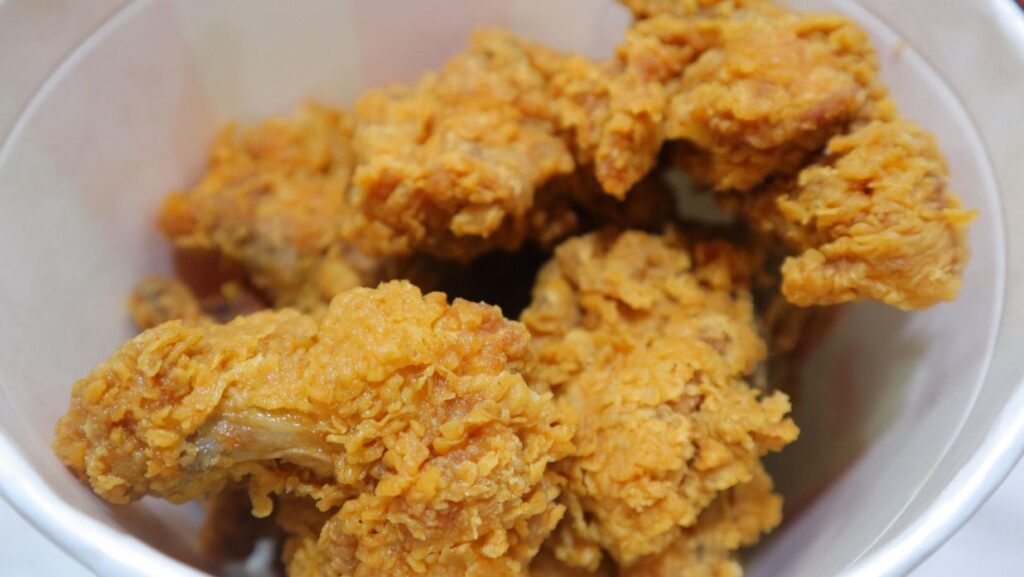
The tradition of eating KFC for Christmas in Japan dates back to the franchise’s 1974 Christmas campaign, which was a great success among the Japanese population. In 1970, KFC partnered with Mitsubishi and opened its first temporary store at the Osaka World Expo. People were initially intrigued by the brand because American pop culture was expanding overseas, and the restaurant was viewed as trendy among Japanese people. Soon after, a few locations were opened across urban hubs in Japan, but its success remained comparatively minimal, and the chain was nowhere near its peak popularity in the American market.
In 1974, the manager of Japan’s first KFC store, Takeshi Okawara, came up with the brand’s Christmas campaign. Allegedly, he overheard foreign customers say that they missed having turkey during the holiday season in Japan, but that getting it is pretty hard. He deduced that many people wanted to eat this traditional Christmas dinner staple for their holiday get-togethers.
As such, he launched a festive campaign that promoted their fried chicken as a worthy, tasty substitute for the traditional Christmas turkey. The campaign’s slogan, “Kurisumasu ni wa Kentakkii” or “Kentucky for Christmas,” became widespread in Japan, and KFC became intrinsically associated with the holiday nationwide. This expert-level campaign identified a gap in the market for Japanese Christmas, as there were very few annual celebratory traditions before this point.
When the franchise launched its Christmas campaign, it marked a turning point in KFC’s brand appeal and influence not just in Japan but also in multiple Asian countries, including the Philippines, China, and Singapore.
Why the KFC Campaign Became a Huge Success and Cultural Phenomenon
The KFC Christmas campaign in Japan became a huge success because the need for a holiday-specific activity was missing, and KFC successfully filled that gap. Japan didn’t have established Christmas food traditions, so KFC offered a Western-inspired option. Clever marketing in the 1970s, especially the “Kentucky for Christmas” slogan, positioned KFC as the holiday meal. Limited-time Christmas buckets and pre-order systems helped build excitement and exclusivity. Over time, the tradition became so widespread that it evolved from a marketing idea into a national custom.
Another reason KFC’s Christmas campaign was successful is its phrasing and framing. Instead of focusing on the holiday’s Christian focal points, this campaign emphasized the importance of spending time with loved ones and sharing a cozy meal. This marketing angle appealed more to the Japanese audience since Christianity is not common, and the appeal to emotion landed more effectively.
In addition, Japan already has a fried chicken dish called karaage that is both delicious and savory, so the idea of having an already-established, beloved food at the forefront of holiday meals was less of a culture shock and easily adapted by many. KFC’s famous “party barrels” that were being advertised also came with shareable sides such as salads and Christmas cakes, allowing for a communal spread that can be enjoyed by larger parties as well.
Looking for some bucket-list ideas for Christmas in Japan this year? Check out our Tokyo winter guide.
What is KFC’s Christmas Menu for 2025?
KFC Japan’s annual “Party Barrel” or “Christmas Bucket” is a limited-time meal designed explicitly for the Christmas feast. Each year, the special menu offers much more than the usual fried chicken, featuring a combination of KFC’s signature crispy pieces alongside premium options like rotisserie-style or herb-roasted chicken to evoke a more traditional holiday feel. The set typically includes several sides, such as mashed potatoes, corn, or seasonal salads, along with a Christmas cake.
To keep the excitement fresh, KFC introduces limited-edition items and seasonal variations every year, from cheese-topped chicken and premium roasts to exclusive desserts and collectible holiday-themed packaging.
Looking for some non-KFC alternatives to try over the holidays? Check out our article on the must-try winter foods in Japan.
How to Snag a KFC Chicken Bucket for Christmas in Japan
Now, it’s important to note that getting a KFC chicken bucket to celebrate Christmas is not a spur-of-the-moment affair. You can’t just decide to grab KFC on Christmas Eve and expect it to be readily available. In fact, many people pre-order their KFC a month in advance, and if you try to buy it on the day of, it will almost always be sold out!
Reservations usually open in late November, and the most popular sets tend to sell out quickly. For those who don’t pre-order, the days leading up to December 25 can be famously intense: long lines wrap around KFC stores, with some people waiting over an hour to pick up their chicken. The demand is so massive that many branches run special holiday schedules, dedicating staff solely to handling pre-order pickups. KFC’s Christmas sales consistently rank among the company’s most significant annual revenue spikes in Japan, with millions of meals sold nationwide during Christmas week.
A tip from us: other brands, restaurants, and even convenience stores have jumped on the Christmas chicken trend! Starting from late November to early December, you’ll see shops promoting pre-orders for their own holiday fried chicken sets. If you’re not strictly committed to getting KFC — if any festive fried chicken will do — these alternatives are usually much easier to secure.
Conclusion
Indulging in a hot, crispy bucket of KFC’s fried chicken with friends, family, and loved ones is a great way to spend Christmas time in Japan. If you would also like to improve your language learning skills this holiday, feel free to take one of our intensive language courses here at Coto Academy and take your Japanese skills to the next level!
FAQ
Why do people eat KFC for Christmas in Japan?
Many Japanese people eat KFC for Christmas to this day because of the longstanding cultural impact of Takeshi Okawara’s Christmas advertisement campaign, who was the manager of Japan’s KFCs in the 1970s. Okawara’s campaign introduced the idea of eating fried chicken as a substitute for the relatively inaccessible turkey dishes in Japan, as well as marketed the holiday in a more secular way to appeal to the Japanese audience.
Why is KFC so popular in Japan?
KFC currently has 1,277 physical locations in Japan, and gained significant popularity in the 1970s following its introduction to Japan in 1970 in Osaka and the 1974 Christmas campaign. KFC has been viewed as a trendy Western-style fried chicken meal, which fascinated many Japanese people, as Western food in Japan was not as common at the time. Since then, KFC’s legacy has spread throughout Japan and has been hallmarked as a Christmas staple across the country as well.
How much money does KFC make on Christmas Day in Japan?
During the weekend of Christmas in Japan, KFC earned an average of ¥6 billion across a span of only three days. This is a testament to just how influential KFC has become during the holiday season and how it has established itself as a holiday staple.
What is the KFC myth in Japan?
The KFC myth, or the “Curse of Colonel Sanders”, is a superstition in Japan that has an interesting origin story. In 1985, the Hanshin Tigers baseball team celebrated an uncommon win at the Dotonbori River in Osaka. One of the players who resembled Colonel Sanders, Randy Bass, was cheered by fans so much that the crowds stole a Colonel Sanders statue from a KFC and tossed it into the river. Since then, the Hanshin Tigers have yet to win another game, and many attribute this to the “Curse of Colonel Sanders”.
Planning to visit Japan during Christmas? You might want to read: