



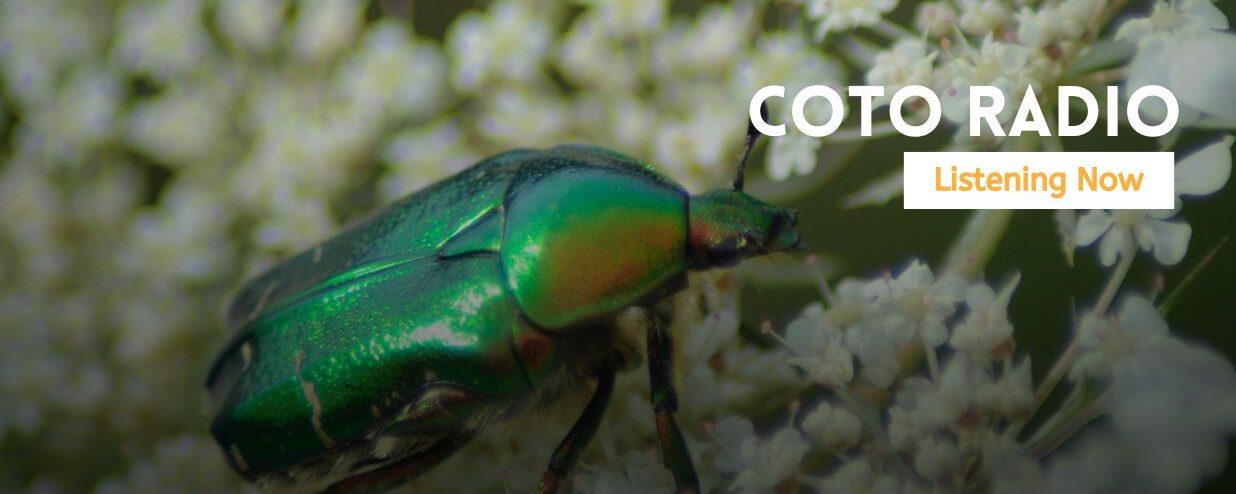


Japanese people don’t just hear insect sounds, but “hear” insect voices. While most languages treat the chirping of crickets or the buzzing of cicadas as mere noise, Japanese culture has long considered these sounds to be koe (声), voices worthy of deep appreciation.
Why do they perceive insect noises as “voices”? Read more to find out!
Welcome to Coto Radio, a Japanese learning podcast by Coto Japanese Academy, Japan’s No. 1 Japanese language school. Each episode, our host combines captivating storytelling with engaging conversations, all delivered in clear, natural Japanese.
Japanese people consider the sounds of insects to be “voices.”
In Japan, especially during the summer and the beginning of autumn, you can hear various insects in grassy areas, including cicadas. Japanese people do not consider these sounds to be just sounds; rather, they are the “voices of insects.” However, you might be wondering, why do Japanese people consider the sounds of insects to be “voices?”
There’s an interesting discovery behind this phenomenon.
A university lecturer conducted some research into this phenomenon, where they got Japanese and foreign participants to listen to insect sounds. They found that compared to foreign participants, Japanese participants heard sounds differently. They found that Japanese participants heard these sounds with their left brain, which processes language. On the other hand, foreign participants in the study were listening to these insect sounds with their right brain, which processes sounds.
These “voices” have contributed to Japanese onomatopoeia.
In addition, the researcher found that Japanese people were able to distinguish which insect’s “voice” belonged to what insect just from listening alone. Because Japanese people hear “voices” rather than “sounds”, these have contributed to Japanese onomatopoetic words as well. For example, the pitter-patter of rain, the rustling of leaves, and even the crashing of waves, according to Japanese people, have their own “voices,” and that contributed greatly to Japanese onomatopoeia.
Ready to listen to the full transcript? Brush up your listening skills with Coto Academy!
If you want to start speaking Japanese and get better at listening, this is your sign to join conversation-focused, practical lessons at Coto Academy, Tokyo and Yokohama’s top-rated Japanese language school.
Interested in learning more about Coto Academy and joining? Contact us by clicking the button below!
Podcast Transcript
The following is a transcript from an episode of Coto Radio, a podcast produced by Coto Academy and available on Apple Podcasts and Spotify. For the complete experience, we recommend listening to the original audio. This transcript has been slightly edited for clarity and brevity.
A-san:
みなさん、こんにちは!お元気ですか。
Minna san, konnichiwa! Ogenki desu ka.
Hello everyone! How are you?
今日も「これって、どういう意味?」が始まりました。
Kyou mo “korette, doiu imi?” ga hajimarimashita. Kyou mo “korette, doiu imi?” ga hajimarimashita.
It’s time for another episode of “What does that mean?”
この番組ではテキストには書いていない、レッスンでは出てこない、でもネイティブが毎日普通に使っている日本語をお届けします
Kono bangumi de wa tekisuto ni kaiteinai, ressun de wa detekonai, demo neitibu ga mainichi futsuu ni tsukatteiru nihongo wo otodokeshimasu.
In this program, we’ll introduce Japanese expressions that aren’t found in textbooks or covered in lessons, but are used by native speakers in everyday conversation.
A-san:
皆さんは日本で秋を過ごしたことがありますか。
Minasan wa nihon de aki o sugoshita koto ga arimasu ka.
Have any of you ever spent autumn in Japan?
夏の終わりごろから、夕方になると草むらのあちこちから「チン、チン、チン」とか「リーン、リーン」という音がするのを聞いたことがありますか。
Natsu no owari goro kara, yuugata ni naru to kusamura no achi kochi kara “chin, chin, chin” toka “riin, riin” toiu oto ga suru no wo kiita koto ga arimasu ka.
Starting around the end of summer, have you ever heard sounds like “ching, ching, ching” or “leen, leen” coming from all over the grassy areas in the evening?
これが何の音か知っていますか。実はこれ、全部「虫の声」なんです。
Kore ga nano oto ga shitteimasu ka. Jitsu wa kore, zenbu “mushi no koe” nandesu.
Do you know what these sounds are? Actually, all of these are “the voices of insects.”
このラジオを聞いている皆さんは「いいえ、声(voice)じゃないです。音(sound)です。虫は話しませんから。」と思うかもしれませんが、日本人は「声」だと思っているんです。
Kono rajio wo kiiteiru minasan wa “iie, koe janai desu. Oto desu. Mushi wa hanashimasen kara.” to omou kamoshiremasen ga, nihon wa “koe” dato omotteirundesu.
You listeners might be thinking, “No, that’s not a ‘voice.’ It’s a ‘sound.’ Insects don’t talk,” but Japanese people consider them to be “voices.”
今日は「虫の声って何?」を紹介します。
Kyou wa “mushi no kotette nani?” wo shoukai shimasu.
Today I will be introducing “What are the voices of insects?”
A-san:
では皆さん、もう一つ質問です。
Dewa minasan, mou hitotsu shitsumon desu.
Alright everyone, here’s another question.
日本で夏を過ごしたことがありますか。
Nihon de natsu wo sugoshita koto ga arimasu ka.
Have you ever spent a summer in Japan?
日本では夏はどこに行ってもセミがたくさんいます。朝から日中セミの声が聞こえます。東京でも大きな木の近くに行くと、セミの大合唱を聞くことができます。
Nihon de wa natsu wa doko ni ittemo semi ga takusan imasu. Asa kara nicchu semi no koe ga kikoemasu. Toukyou de mo ookina ki no chikaku ni ikuto, semi no daigasshou wo kiku koto ga dekimasu.
In Japan, no matter where you go in the summer, there are lots of cicadas. You can hear their voices all day long, starting from the morning. Even in Tokyo, if you go near a large tree, you can hear a big chorus of cicadas.
セミも日本人は音ではなく、声だと思って聞いているんです。
Semi mo nihonjin wa oto dewa naku, koe dato omotte kiiteirundesu.
Japanese people don’t hear cicadas as “sounds”; they hear them as “voices.”
これはどうしてなんでしょう。
Kore wa doushite nandeshou.
Why is that, perhaps?
ある大学の先生が国際会議に行った時、同じ「虫の音」を聞いても他の国の人には聞こえていないことに気付きました。
Aru daigaku no sensei ga kokusai kaigi ni itta toki, onaji “mushi no oto” wo kiitemo hoka no kuni no hito ni wa kikoeteinai koto ni kizukimashita.
When a university professor attended an international conference, they noticed that even though they were hearing the same “sound of insects,” people from other countries couldn’t hear it.
このことを不思議に思った先生が「日本人の耳と外国人の耳には何か違いがあるのではないか」と気になり、研究をしました。
Kono koto wo fushigi ni omotta sensei ga “nihonsjin no mimim to gaikokujin no mimi ni wa nani ka chigai ga aru no dewa nai ka” to ki ni nari, kenkyuu wo shimashita.
Finding this curious, the professor thought to themselves, “Could there be a difference between Japanese ears and foreign ears?” and conducted research.
人間の脳は右脳(right brain)と左脳(left brain)に分かれていて、右脳は「音」を、左脳は「ことば」を担当しています。
Ningen no nou wa unou to sanou ni wakareteite, unou wa “oto” wo, sanou wa “kotoba” wo tantou shiteimasu.
The human brain is divided into the right brain and the left brain; the right brain handles “sound,” while the left brain handles “language.”
先生が色々な国の人に色々な音やことばを聞いてもらい、脳のどの部分が反応するのか調べたところ、日本人は「虫の音」を左脳で、つまり「ことば」として聞いていることが分かりました。
Sensei ga iroiro na kuni no hito ni iroiro na oto ya kotoba wo kiite morai, nou nodo no bubun ga hannou suru no ka shirabeta tokoro, nihonjin wa “mushi no oto” wo sanou de, tsumari “kotoba” toshite kiiteiru koto ga wakarimashita.
The professor had people from various countries listen to different sounds and words to see which part of the brain reacted. They discovered that Japanese people hear “the sound of insects” with their left brain—in other words, as “language.”
そしてさらに、虫だけでなくそのほかの動物の鳴き声、雨や風や波の音、葉っぱの揺れる音や小川のせせらぎなど自然の音、ほかにも日常のたくさんの色々な音を、日本人は「左脳―ことばの脳」で聞いていることが分かりました。
Soshite sara ni, mushi dake de naku sono hoka no doubutsu no nakigoe, ame ya, kaze ya nami no oto, happa no yureru oto ya ogawa no seseragi nado shizen no oto, hoka ni mo nichijou no takusan no iroiro na oto wo, nihonjin wa “sanou – kotoba no nou” de kiiteiru koto ga wakarimashita.”
Furthermore, it was discovered that Japanese people hear not only insect sounds but also the calls of other animals, the sounds of rain, wind, and waves, the rustling of leaves, the babbling of streams, and many other everyday sounds with their “left brain—the language brain.”
本当に「虫の声」として聞いていたのです。
Hontou ni “mushi no koe” toshite kiiteita no desu.
They were truly hearing them as the “voice of insects.”
反対に日本人以外のほとんどの外国の人は「虫の音」を機械の音や車の音や雑音と同じように「右脳―音の脳」で聞いていたことが分かったのです。
Hantai ni nihonjin igai no hotondo no gaikoku no hito wa “mushi no koe” wo kikai no oto ya kuruma no oto ya zatsuon to onaji you ni “unou – oto no nou” de kiiteita koto ga wakatta no desu.
Conversely, it was found that most people from other countries hear the “sounds of insects” with their “right brain—the sound brain,” just as they do with the sounds of machines, cars, or background noise.
とてもおもしろい研究結果ですね。
Totemo omoshiroi kenkyuukekka desu ne.
These are very interesting research findings.
そしてもっと面白いことに、秋の虫もセミも種類がたくさんありますが、日本人は聞いただけでどの虫やセミの「声」か聞き分けることができるんです。まるで誰が話しているのか、声を聞いて分かるみたいな感じです。
Soshite motto omoshiroi koto ni, aki no mushi mo semi mo shurui ga takusan arimasuga, nihonshin wa kiita dake de dono mushi ya semi no “koe” ka kikiwakeru koto ga dekirundesu. Maru de dare ga hanashiteiru no ka, koe wo kiite wakaru mitai na kanji desu.
And what’s even more fascinating is that while there are many different types of autumn insects and cicadas, Japanese people can distinguish which specific insect or cicada is making the “sound” just by listening. It’s almost as if they can tell who is speaking just by hearing the voice.
日本にはオノマトペがたくさんありますが、たくさんある理由はもしかしたら、雨の音や風の音、そして波の音などの自然の音をただの「音」として聞くのではなく、色々な音を「声」として聞く日本人の耳が生み出したことばなのかもしれませんね。
Nihon ni wa onomatope ga takusan arimasu ga, takusan aru riyuu wa moshikashitara, ame no oto ya kaze no oto, soshite nami no oto nado no shizen no oto wo tada no “oto” toshite kiku no de wa naku, iroirona oto wo “koe” toshite kiku nihonjin no mimi ga umidashita kotoba nanoka kamoshiremasen ne.
There are many onomatopoeic words in Japanese, and perhaps the reason for this abundance is that the Japanese ear—which hears natural sounds like the sound of rain, wind, and waves not merely as “sounds” but as “voices”—has given birth to these words.
A-san:
今日ご紹介した「虫の声って何?」はいかがでしたでしょうか。
Kyou goshoukaishita “mushi no koette nani?” wa ikagadeshou ka.
What did you think of today’s topic, “What are the voices of insects?”
同じ音を聞いても、それを「音」として聞いているのか、「声」として聞いているのか、その違いは脳のどこで反応しているかということが分かってとても面白かったですね。
Onaji oto wo kiitemo, sore wo “oto” toshite kiiteiru no ka, “koe” toshite kiiteiru no ka, sono chigai wa nou no doko de hannou shiteiru ka toiu koto ga wakatte totemo omoshirokatta desu ne.
今度日本の街で虫が鳴いているのを聞いたり、雨の音を聞いた時は、どんな「声」か気を付けて聞いてみてください。いつもの毎日が違う一日になって、きっととても楽しいジャパンライフを過ごせますよ!
Kondo nihon no gai de mushi ga naiteiru no wo kiitari, ame no oto wo kiita toki wa, donna “koe” ka ki wo tsukete kiite mite kudasai. Itsumo no mainichi ga chigau ichinichi ni natte, kitto totemo tanoshii japan raifu wo sugosemasu yo!
最後まで聞いてくださり、ありがとうございました。
Saigo made kiite kudasari, arigatou gozaimashita.
Thank you very much for listening all the way until the end.
それでは、次回もどうぞお楽しみに!また聞いてくださいね!さようなら~。
Sore dewa, jikai mo douzo tanoshimi ni! Mata kiite kudasai ne! Sayonara~
Well then, please look forward to the next episode! Please tune in again! Goodbye~!
Ready to learn Japanese? Fill out the form below to get started!
Start speaking Japanese confidently from day one with Coto Academy’s conversation-focused lessons. With campuses in Tokyo and Yokohama, we provide engaging, flexible classes that focus on practical, everyday Japanese. Whether you prefer intensive or part-time courses, you can find a schedule that works for you and begin using Japanese in real-life situations immediately. To get started, simply complete the inquiry form below, and our team will reach out to you shortly!
Want to study Japanese with us?
FAQ
Where can I hear cicadas in Japan?
They can mostly be heard during the summer, and they can be heard everywhere, including large city centers like Tokyo. Cicada season usually runs from late June to September.
Why do Japanese people hear the “voices of insects?”
When research was conducted into this phenomenon, they found that Japanese people processed sounds with the left brain, which processes “language.” This is a possible reason why Japanese people can hear the “voices of insects.”
What onomatopoeia is used to describe insect sounds?
Words such as 「リーン、リーン」 and 「チン、チン、チン」have been used to describe the “voices of insects,” but there are so many words that can be used because each insect has their own “voice.”
Did you find this content interesting? Read (or listen) to more Coto Radio episodes, where our teacher dives deep into some unique questions about Japan.
- Why Do Japanese People Hang Their Laundry in the Balcony?
- Why Are Japanese People So Quiet?
- What is The 5 O’Clock Chime in Japan?
- Why Does Japan Love Point Cards So Much?