
Hello, everyone! Just when I thought that I had gotten sick of the heat, the blanket season came in before I knew it. I already have a set of trusty Japanese UNIQLO Heat Tech, and am ready for the winter!

Now, onto today’s theme! Speaking of “Ya”… that’s right! Yamanashi prefecture! (I can just picture your dubious faces. Haha!) Although it was the place where I was born, not many people know much about it, even though it’s right next to Tokyo and Mt. Fuji (though, technically, the mountain is shared by Shizuoka Prefecture)! So, I would like to take this opportunity to tell everyone about the charm of Yamanashi Prefecture and contribute to the revitalization of my hometown.

Food in Yamanashi?

Image result for houtou

Well, first of all, let’s start with the food! From this season onwards, no matter what they say, “Houtou” is a huge recommendation of mine. Houtou consists of noodles made by kneading flour, which are then boiled in miso together with pumpkin, mushrooms, and meat, etc. It is a nutritious cuisine which is said to have been chosen by military generals during the Age of Warring States (Sengoku Period) for their rations. Even now, I always visit my favourite Houtou shop whenever I’m in Yamanashi. I really hope that you try it!

Drinks in Yamanashi

Next, let’s talk about drinks. Yamanashi is a prefecture so abundant in the variety of fruits it has to offer that it is often called “Fruit Kingdom”, among which grapes boast the best harvest in Japan. And from that, it is also the birthplace of domestic wine! There are about 80 wineries in the prefecture, and there are also restaurants where one can enjoy wine-tasting, as well as hotels and hot springs that serve cuisine using local ingredients and wine. It is impossible not to relax one’s mind and body when one can enjoy delicious food and wine in wineries that are surrounded by beautiful mountains! By the way, I have been to a huge cellar where I was able to sample over 180 different wines. Ahhh, I drank and drank ~ ~!
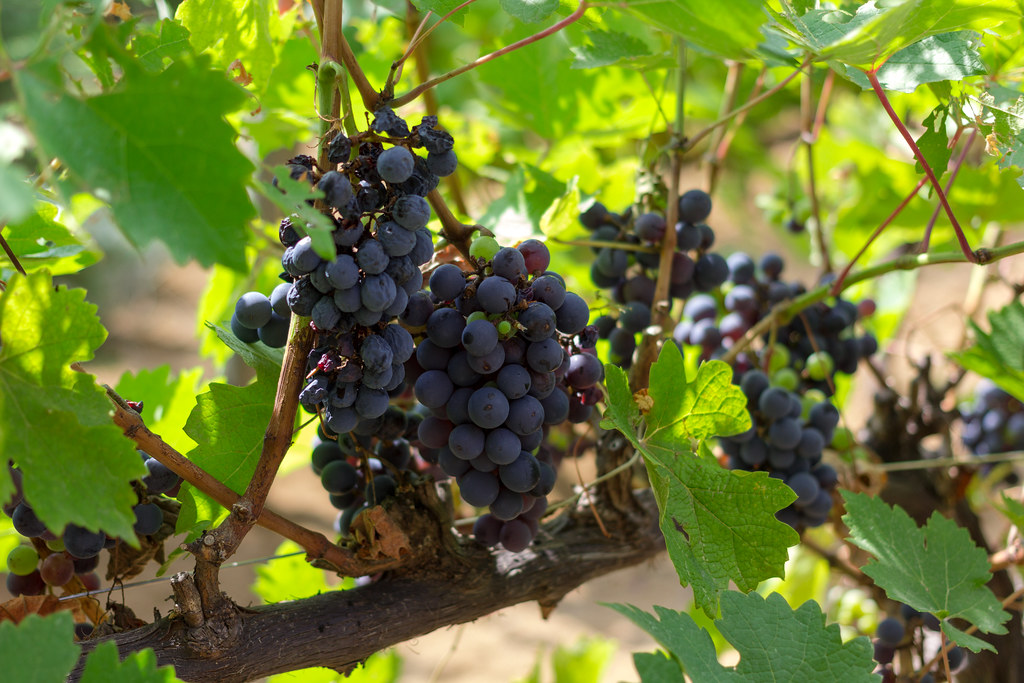
 
Image result for yamanashi winery

Festivities around Yamanashi

And, here’s one final piece that I think you’ll find to be of particular interest. “Mt. Fuji” + “Lake Kawaguchiko” (one of the “Five Great Lakes” which gathers at the base of Mt. Fuji”) + “Autumn Leaves”, along with the beautiful scenery of Yamanashi prefecture, are celebrated together in one extravagant festival called the “Fuji Kawaguchiko Autumn Leaves Festival!” Live stage events, eating and drinking establishments, as well as souvenir shops, are opened all around a promenade called “Momiji Corridor” along the banks of Lake Kawaguchiko. One stage event that I recommend in particular is a light show which goes on until 10pm. The illuminated autumn leaves against the backdrop of Mt. Fuji make for a spectacular view! This year, it will be held between the 1st and 23rd of November, so please go and check it out!
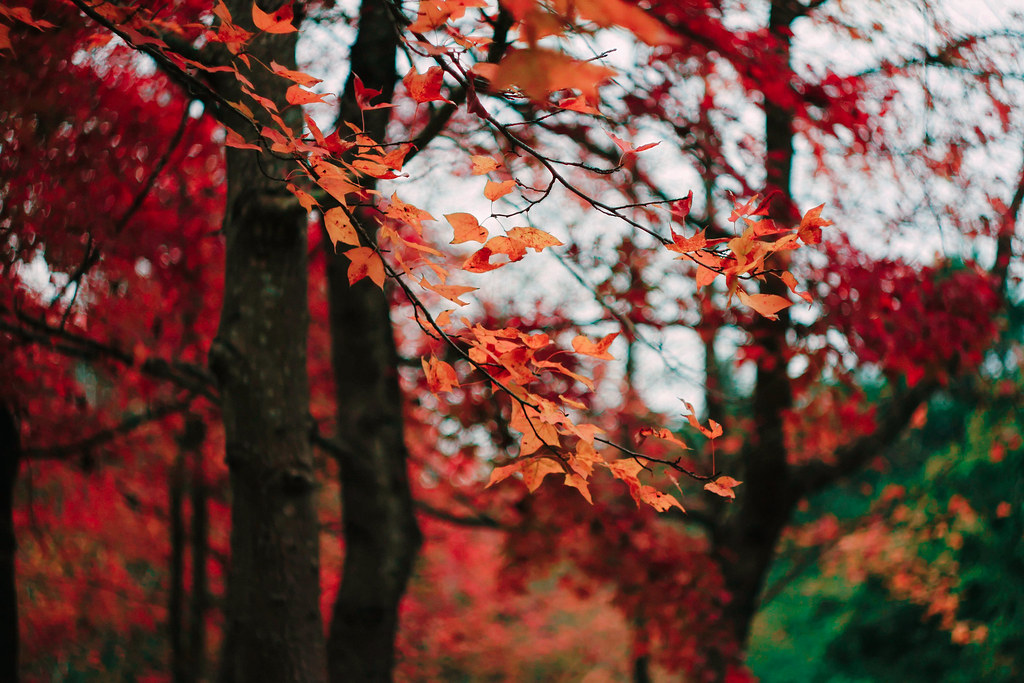
 
Image result for 富士河口湖紅葉まつり

Quiz Time!

Well, then. I will now conclude with an annual quiz!
The dialect of Yamanashi is called “Koshu dialect,” but it is a word that is destructive enough to have been called on TV as a “Japan’s most buzzy dialect” (Haha!) So, what do you think it means when we say “Chobi Chobi Shichoushi!”?
Have a moment to think about it…
Alright, time’s up!
Here are the answers!
“Chobichobi suru” = “ To fool around with or kid someone” + “Shichoshi” = “Do not do (insert noun) “ = “Chobichobi shichoushi!” = “Don’t fool around with me! Stop playing games with me!” or “Stop messing with me!”
Let’s try to remember that, okay? It’s going to be on your next test! If your Japanese teacher says “chobichobi shichoushi!” when you forgot to do your homework, you’ll know that they are definitely from Yamanashi prefecture!

About the Author:  

Ayana Nezu has a long history in education and training. In 2017, she joined Coto Language Academy – her first time in a Japanese Language School. She currently is based at our Azabu Coto Japanese Club location and is recently obsessed with Rakugo.

(more…)
A little about Nara’s Geography…
Sites across the Prefecture
Behind the Name “Nara”


Would it be possible to unfold Japan’s extensive history without encountering Nara Prefecture (奈良県(ならけん))? Most certainly not. It is here that many of the country’s ancient capitals were built. Where some of the oldest constructions in the world and some of the earliest artifacts of Japan’s cultural heritage stand.
 

A little about Nara’s Geography…

Positioned between five prefectures, including Osaka and Kyoto, Nara Prefecture comprises of 12 cities with Nara-shi (奈良市) as its capital.
Much of the prefecture is covered by mountains and forests, leaving 23% of the prefecture inhabitable. In fact, the total inhabitable area (855.53km²) is one of the lowest amongst all of Japan’s prefectures. This means that a civilisation could have potentially developed in the north of the region, resulting in many of the historic sites being in close proximity to one another.T abundance of ancient cultural sites in Nara is quite staggering given its size. When compared to other prefectures, Nara had significantly more temples designated as National Treasures as well as UNESCO World Heritage listings. The most popular locations in the prefecture include Nara City – Japan’s first permanent capital. Mount Yoshino – One of Japan’s most famous 花見 (Hanami, Cherry Blossom viewing) spots.  Lastly, Sakurai City and Asuka Village – often referred to as “Cradles of Japanese Civilisation” due to the number of ancient artifacts they hold.
 

Nara City (奈良市(ならし))

Nara City is most renowned for combining two seemingly unrelated things, namely religious sites and deers.
Right in the middle of the city lies Nara Park (奈良公園(ならこうえん)). Here, there are over 1,000 wild sika deer who lead the optimal deer-lifestyle. This includes sleeping, roaming and eating recently purchased deer-crackers from the hands of obliging tourists, all to their heart’s content. The 502-hectare space of Nara Park is designated as a “Place of Scenic Beauty” and also contains another one of Nara’s biggest draws, the Buddhist temple, Todai-ji (東大寺(とうだいじ)).

With the world’s biggest bronze statue of Buddha Vairocana, the world’s largest wooden building and almost 1400 years of history behind it, it would be no shock that Todai-ji is listed as an UNESCO World Heritage Site. When it was first constructed, it served as the head of all provincial Buddhist Temples. Therefore, this gave them the natural right to acquire a substantial amount of power. Although it remains a significant religious site today, much of its power had dissipated. over the yearsTaking a 10-minute train journey from Nara City’s centre is yet another World Heritage Site and Buddhist Temple, Horyu-ji (法隆寺ほうりゅうじ). With its completion from over 1400 years ago, this makes it one of the oldest wooden buildings still in existence! 

Sakurai City (桜井市(さくらいし))

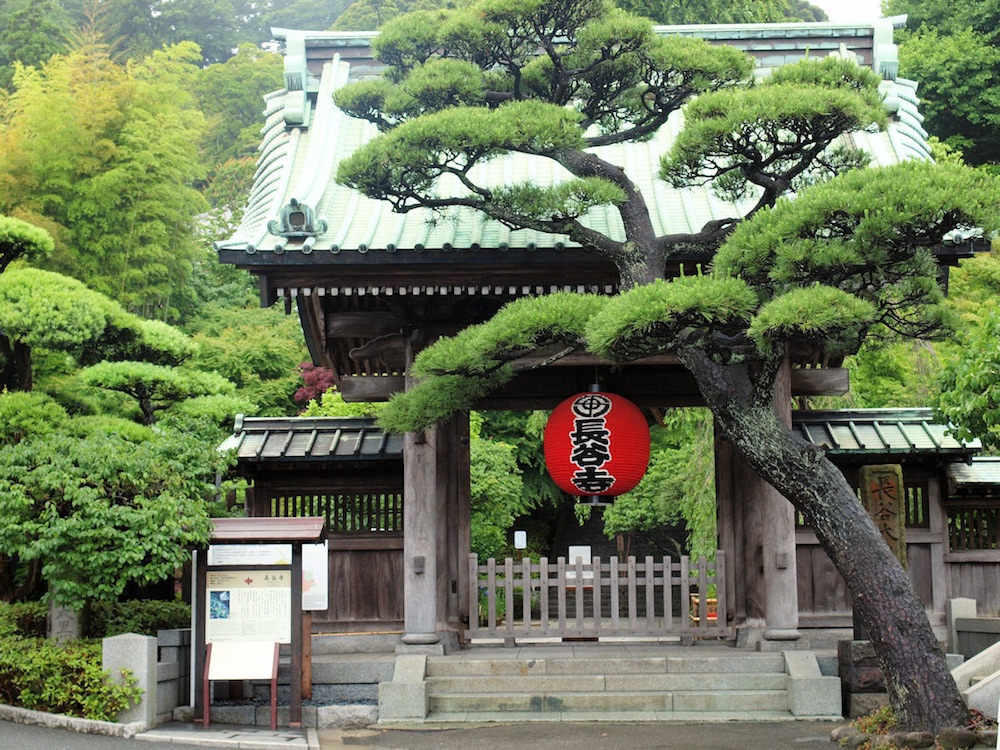
Sakurai City is a 30-minute train ride south of Nara City and is most renowned for Hasedera Temple (長谷寺(はせでら)). As with many of the attractions in Nara-ken, Hasedera’s history extends back over many centuries. It was first constructed in the year 686 and wad meant to be dedicated to the Japanese Emperor at that time. The temple grounds include over 30 buildings which extend up until a hillside, with the main hall taking pride in its place at the top of the hill.
hasedera temple


Asuka Village (明日香村(あすかむら))

Just 7 kilometres south of Sakurai City lies Asuka Village. A small village consisting of approximately 6000 people. It was here that Empress Gensho, Japan’s 44th monarch, was born. This is also where many of Japan’s oldest artifacts lie. These include Asukudera (飛鳥寺(あすかでら)), where Japan’s oldest Buddha statue sits. Imaicho (今井町(いまいまち)), a well-preserved historic town.
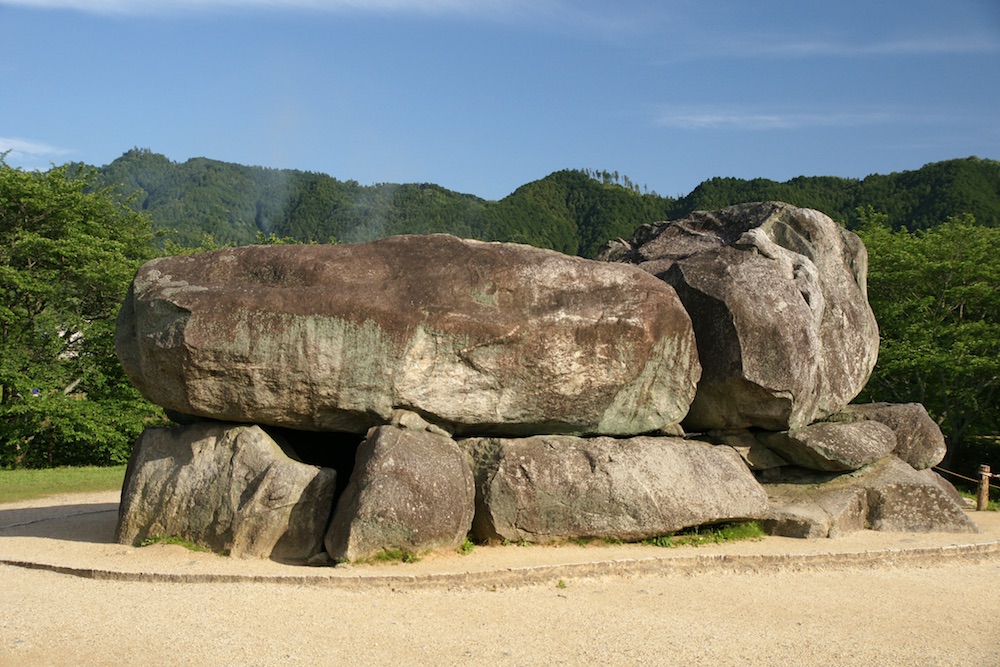
Last but not least, Ishibutai Tomb (石舞台(いしぶたい)), an ancient stone tomb. Asuka was first designated as a historic town in 1966. This has therefore brough about strict laws prohibiting construction work that could potentially impact its cultural heritage.
ishibutai_tomb


Mount Yoshino (吉野山(よしのやま))

Admittedly, Mount Yoshino appears to be a bit of a wildcard on this list, but it had to be mentioned.


If your favourite thing about winter is when it finishes, then Yoshinoyama should be on your spring itinerary. During sakura season, Mount Yoshino is overrun with 30,000 different cherry blossom trees. This in turn creates a captivating sea of pink, making it one of Japan’s best 花見 (Hanami, Cherry Blossom viewing) spots.
 

Behind the Name “Nara”

Considering the significance of Nara during ancient Japan, and that the second oldest book of Japanese classical history (日本書紀) was dedicated to one of the Nara Period’s empresses, what do we know about the origins of the name “Nara”?
Unfortunately, nothing much can be concluded from the current kanji. This was since the representative kanji for Nara (奈良) had been changed for over a dozen times already. Yet, there are two prevailing ideas, one from 日本書紀, and another from author Kunio Yanagita. Both of which are linked to the verb ならす (to flatten, to level). What do you think?
 

If you are interested in studying Japanese in Tokyo, find out more about our school by filling out the form below.

[contact-form-7 id=”12634″ title=”Inquiry Form_copy”]
Coto Japanese Academy is a unique Japanese Language School in Iidabashi Tokyo, we offer relaxed and fun conversational lessons for all levels of Japanese learner. Coto Japanese Academy prides itself on its community atmosphere and fun lessons that focus on creation of opportunities to speak and learn Japanese. If you are interested in studying Japanese in Tokyo – please visit our contact page here.


Tochigi Prefecture (栃木県(とちぎけん)) is a medium-sized prefecture, occupying an area of approximately 6,500km2 in the largest open plain in Kanto Region.
Accessible within a few hours from the densely-populated prefectures of Tokyo, Saitama and Kanagawa, Tochigi has become an increasingly popular weekend destination. It’s most distinguished by its 1200-year history and UNESCO World Heritage sites inside Nikko National Park (日光国立公園(にっこうこくりつこうえん)).

Utsunomiya City (宇都宮市(うつのみやし))

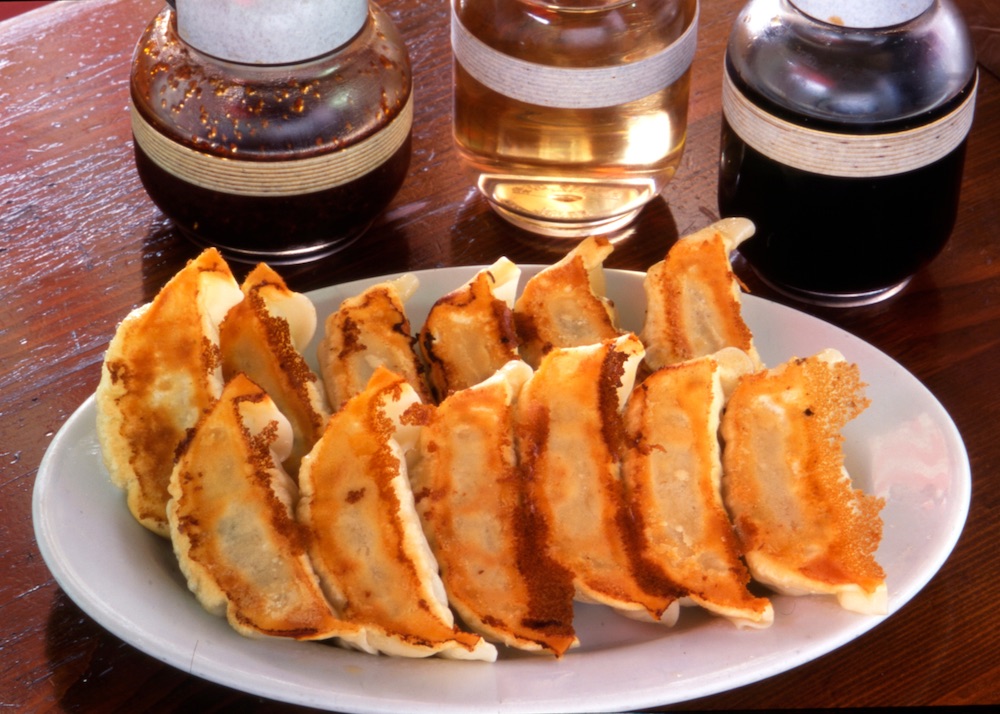
Tochigi Prefecture is formed of five districts, 14 cities and around 2 million inhabitants. Its prefectural capital is Utsunomiya City (宇都宮市). And although Utsunomiya doesn’t have any UNESCO World Heritage Sites to boast of – at least not yet – it can be thought of as Japan’s gyoza capital. Utsunomiya-shi is the nation’s biggest gyoza consumer, has more than 200 gyoza resturants and even has a gyoza festival held every November!
gyoza
Utsunomiya’s gyoza-affair started shortly after World Ward II, when soldiers returned from Manchuria with gyoza recipes and began opening gyoza restaurants across the city.

Nikko City (日光市(にっこうし))

Having such an extensive history means that Nikko is often compared to the historical hotbeds of Nara and Kyoto. Admittedly, these areas offer completely different experiences, but if you’re staying in the Kanto region it is far cheaper and easier to learn about Japan’s history within the Kanto Region. And anyway, Nikko is absolutely worth the short journey.
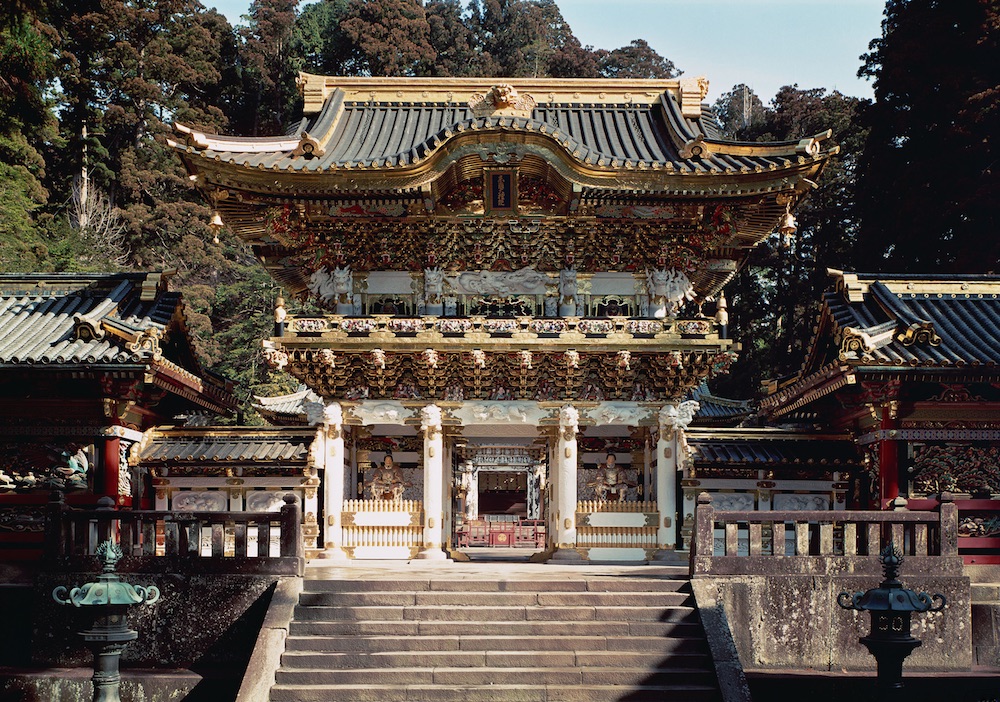
Nikko, which could be literally translated to “sunlight” – has been at the centre of Buddhist and Shinto mountain worship for centuries. It is Japan’s third largest city and one of the least densely populated – with less than 100,000 inhabitants. The area’s number one destination is Toshugu Shrine (東照宮(とうしょうぐう)): the Shrine of Eastern Shining Light. Here, the founder of the Tokugawa Shogunate, Tokugawa Ieyasu, is enshrined as deity Tosho Daigongen.
toshugu
The area of 東照宮 comprises of eye-catching, extravagant buildings adorned with gold-leaf and meticulously-crafted wooden carvings. Have you heard of one of the most famous ones? “Hear no evil, speak no evil, see no evil.”
One of the best ways to see Nikko’s spectacular scenery is to hike through the Senjogahara Marshlands (戦場ヶ原(せんじょうがはら)) of inner Nikko (奥日光(おくにっこう)) and up Hangetsuyama (半月山(はんつきやま)) to get a view across Lake Chuzenji (中禅寺湖(ちゅうぜんじこ)).
This walking route is especially popular during the autumn months when the landscape bursts with all shades of red, gold, and green.

Nasu Onsen (那須温泉(なすおんせん))

The hot spring resort of Nasu Onsen lies on the ascent to Mount Nasudake’s summit. It falls within the realm of Nikko National Park – making it a favoured rest place
Nasu Onsen has seven hot spring, but its main one – Nasu Yumoto Onsen tells an interesting story. Here there is a stone called Sessho-seki, believed to have been the transformation of a きつね (fox) with nine tails.
fox
In Japanese mythology, きつね possessed magical powers, and as they grew older and wiser, they acquired more tails – with a maximum of nine. This means Sessho-seki would have been transformed from the wisest, smartest and strongest fox!

If you are interested in studying Japanese in Tokyo, find out more about our school by filling out the form below.

[contact-form-7 id=”12634″ title=”Inquiry Form_copy”]


Coto Japanese Academy is a unique Japanese Language School in Iidabashi Tokyo, we offer relaxed and fun conversational lessons for all levels of Japanese learner. Coto Japanese Academy prides itself on its community atmosphere and fun lessons that focus on creation of opportunities to speak and learn Japanese. If you are interested in studying Japanese in Tokyo – please visit our contact page here.


The kanji representing Aichi Prefecture (愛知県(あいちけん)) don’t get much better than this do they? (あい)– love and () – wisdom.
Aichi regards itself as the heart of Japan by virtue of its location in Japan’s main island of Honshu. And its reputation for innovation in technology, automotive engineering and robotics have helped it to acquire the brain title too.
Aichi is Japan’s fourth most populous prefecture with over seven million inhabitants and 38 cities. Its prefectural capital, Nagoya City (名古屋市(なごやし)) is also the centre of the Chukyo Metropolitan Area (中京圏(ちゅうきょうけん)), the most-industrialised area of the Tokai Region. This is probably unsurprising when we consider that Aichi is the home of the world’s leading vehicle manufacturer, Toyota Motor Corporation.
The most noted cities within the prefecture are: Nagoya-shi most commonly known for its industry related sites and Nagoya Castle. And Inuyama-shi (犬山市) a small castle town less than one hour north of Nagoya.

Nagoya City (名古屋市(なごやし))

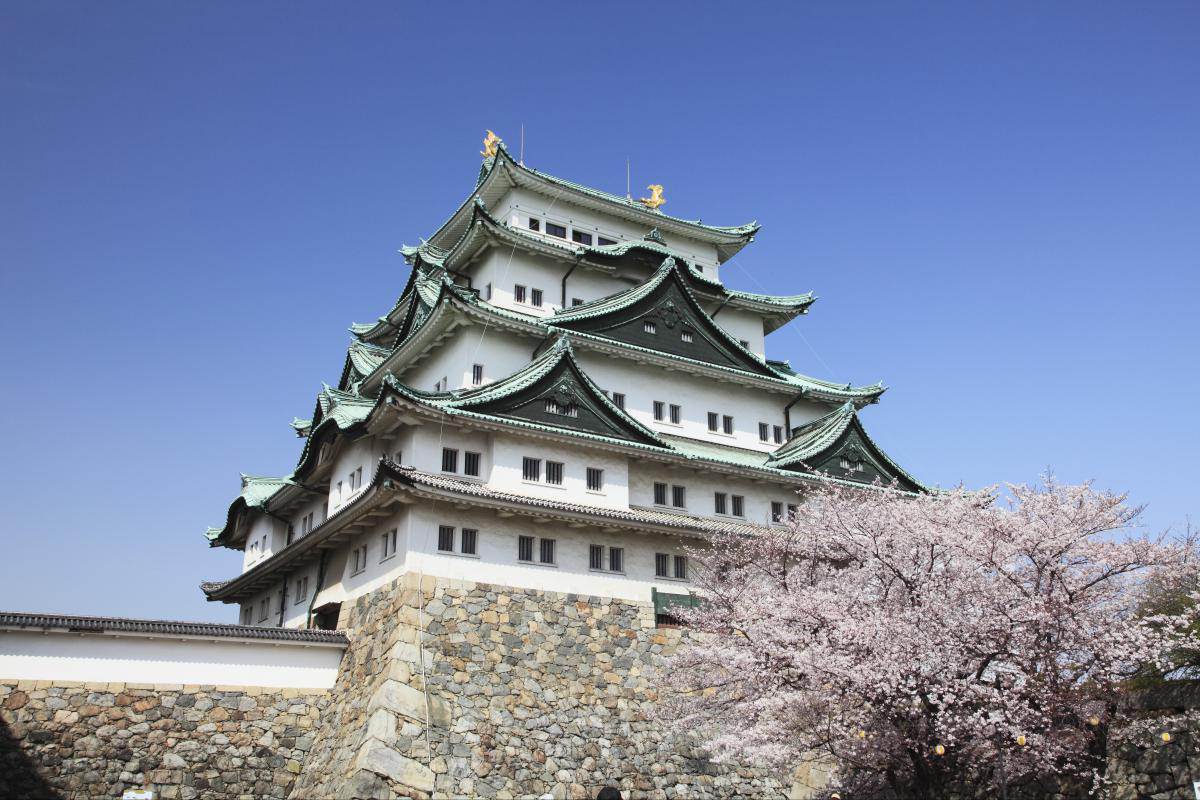
Nagoya is based on the Nobi Plain, an extremely fertile area of land, approximately 1,800 km2 , that extends down from Gifu Prefecture. The city was targeted during the air raids of WWII and consequently almost 25% of it was destroyed, including 300-year-old Nagoya Castle (名古屋城(なごやじょう)).
nagoya-castle Aichi Prefecture Japan
Fortunately, the decision was made to rebuild the castle and it was reopened to the public in October 1959. Despite no longer holding the physical age within its walls, it remains a significant landmark and tourist attraction for the city.
Astronomy, train or automotive geek? Nagoya has got you covered. The Nagoya City Science Museum (名古屋市科学館(なごやしかがくかん)) has the world’s largest planetarium. The Toyota Automobile Museum (トヨタ博物館(はくぶつかん)) – just outside of Nagoya – lets you to get up close and personal with Toyota’s newest and oldest models, and the manufacturing processes behind them. And the simulators in the SCMaglev and Railway Park allow you to be a temporary bullet-train (新幹線(しんかんせん) driver.
You may already know that Tokyo’s Shinjuku Station is the busiest station in the world. But did you know that Nagoya has the world’s largest train station in terms of floor space? This is just one more reason why Nagoya has become a top destination for rail buffs!
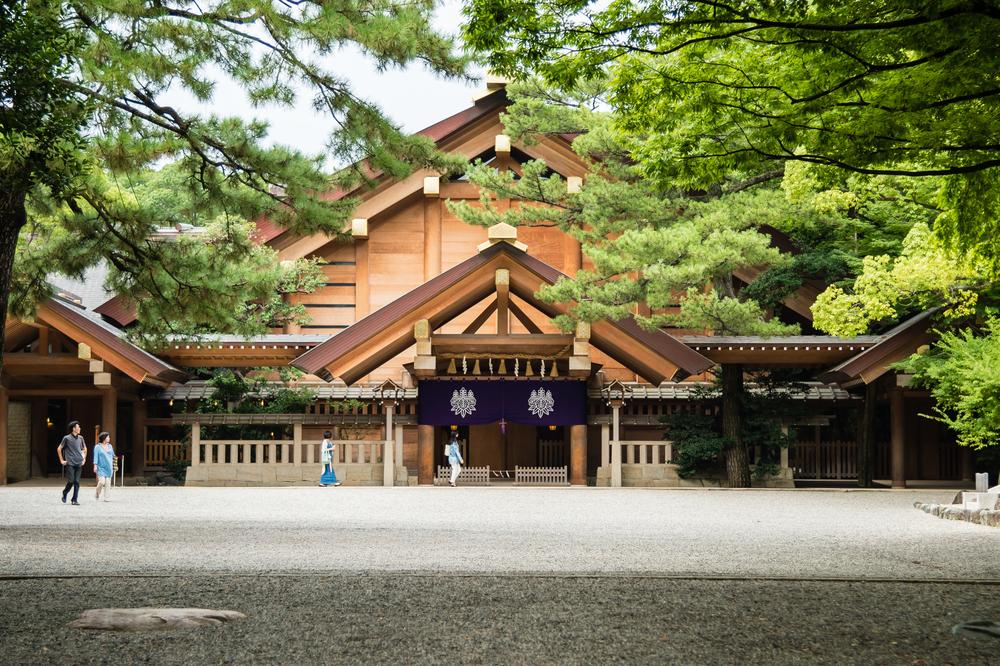
Are you familiar with the Japanese deity Amaratesu (天照(てんあきら))? She is also known as Amaterasu-omikami – “the great August god who shines in heaven” – or the “Sun Goddess”. Her legend is significant because according to Japanese mythology, Japan’s Emperors and Empresses were believed to be her direct descendants. This is especially relevant to Nagoya City because it contains the shrine believed to be her resting place – Atsuta Shrine (熱田神宮(あつたじんぐう)).
atsuta shrine Aichi Prefecture Japan

Inuyama City (犬山市)

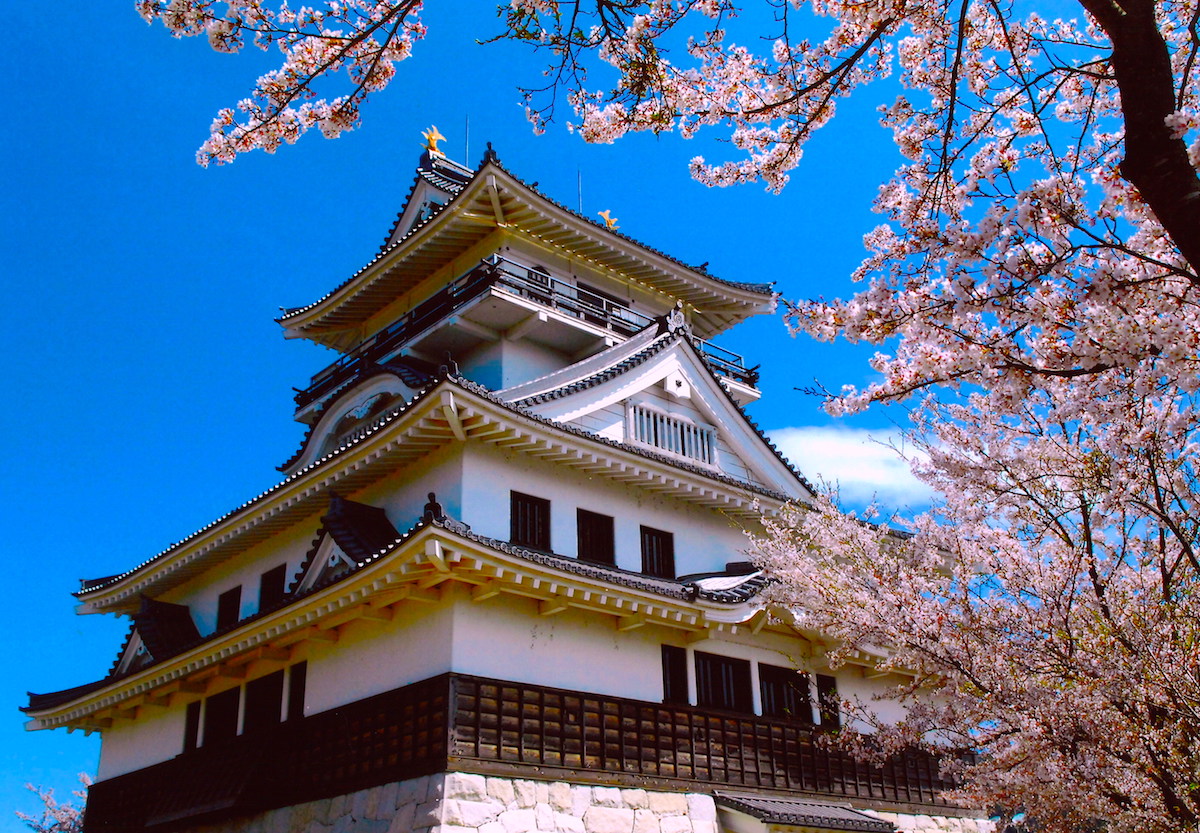
Just outside of Nagoya, is Inuyama – which literally means “Dog Mountain”. Contrary to what the name may suggest – Inuyama isn’t undesirable, or filled with (いぬ). In fact, Inuyama is a beautiful city famous for its wooden castle, Inuyama-jo (犬山城(いぬやましろ)).
Inuyama Castle is one of Japan’s 12 castles that has survived in its current state. Completed in 1440, and overlooking the Kiso River, it is Japan’s only privately owned castle.
dog castle Aichi Prefecture Japan
Some other relics that have survived wars and city re-developments, can be found in Inuyama’s open air museum, Meiji Village (明治村(めいじむら)). Meiji-mura showcases buildings that were constructed during the Meiji Era (1868-1912) and have now been relocated to make a Meiji-style village. It takes the best part of a day and costs 1700 yen to explore the vast grounds of Meiji-mura.

If you are interested in studying Japanese in Tokyo, find out more about our school by filling out the form below.

[contact-form-7 id=”12634″ title=”Inquiry Form_copy”]


Coto Japanese Academy is a unique Japanese Language School in Iidabashi Tokyo, we offer relaxed and fun conversational lessons for all levels of Japanese learner. Coto Japanese Academy prides itself on its community atmosphere and fun lessons that focus on creation of opportunities to speak and learn Japanese. If you are interested in studying Japanese in Tokyo – please visit our contact page here.


Hiroshima Prefecture (広島県(ひろしまけん)) in Chugoku Region is formed of 14 cities, with Hiroshima City 広島市 as its capital.
It’s common knowledge that the prefecture’s recent history is harrowing, heartbreaking and everything in between. What makes the prefecture so symbolic – not just Japan, but for the whole world – is what it stands for today: peace and hope.
Hiroshima City (広島市(ひろしまし))
A-Bomb Dome
Miyajima (宮島(みやじま))
 
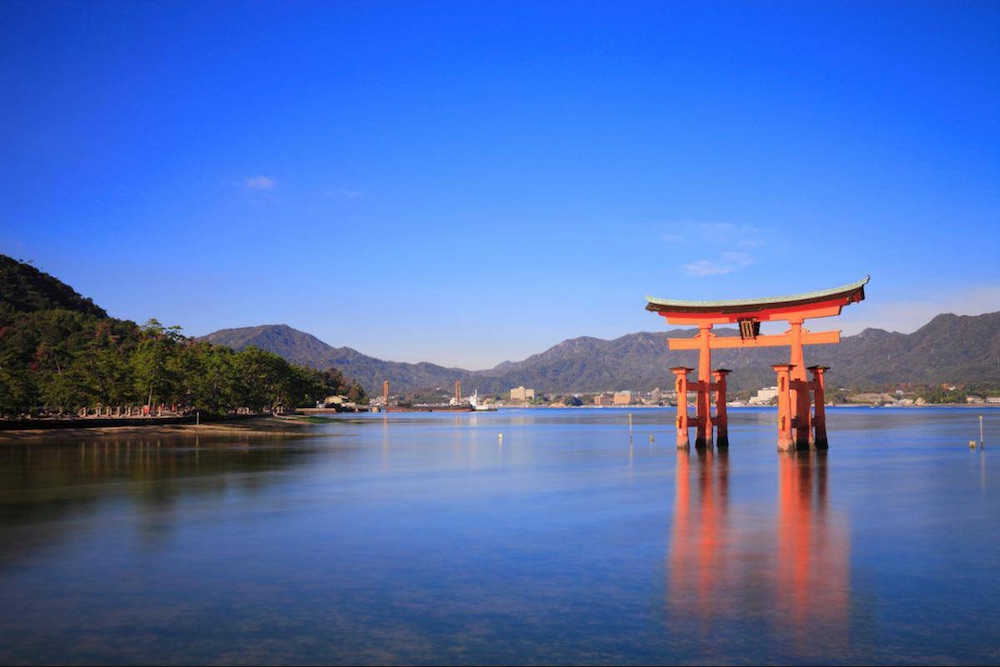
Hiroshima is a place that anyone who gets the opportunity to visit, should. Because what you will find is, despite its tragic past, the prefecture is inspirational beyond words. The most frequented destinations within the prefecture are Hiroshima City and Miyajama (宮島) less than one hour away. Miyama – the “shrine island” – has become a huge tourist attraction because of its beautiful “floating” tori gates immersed in the waters of the Onoseto Strait.
shrine island Hiroshima Prefecture Japan

Hiroshima City (広島市(ひろしまし))

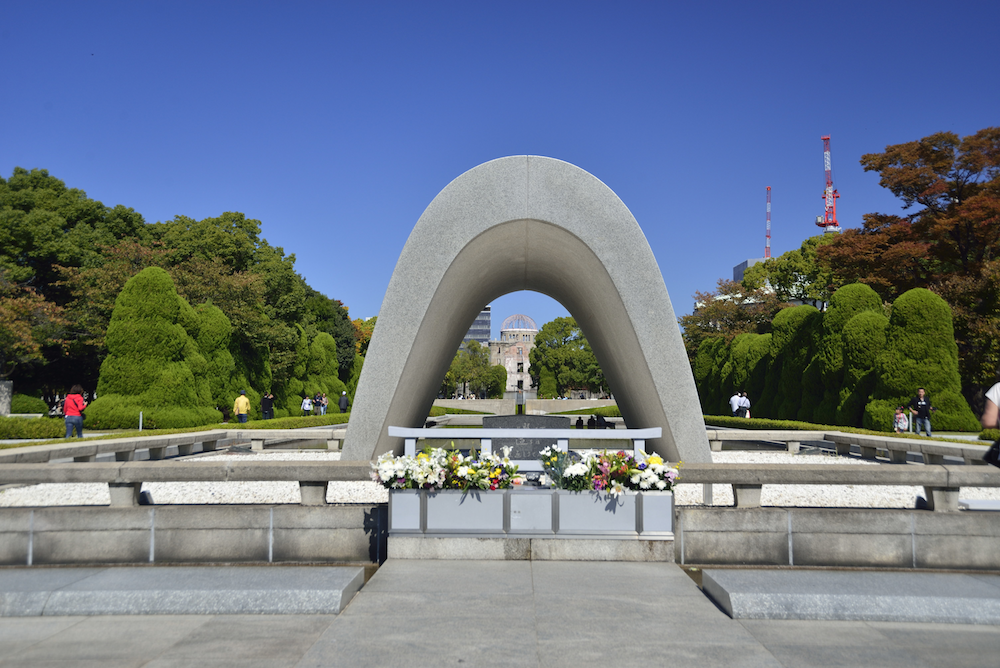
During the Imperial period (1871-1939) the construction of Ujina Port helped Hiroshima to establish itself as an important port city, and the Army Marine Headquarters were even situated there during World War II. Today the city’s most famous locations are in the city center, around the Hiroshima Peace Memorial Park (広島平和記念公園(ひろしまへいわきねんこうえん)).
The Hiroshima Peace Memorial Park is dedicated to the victims of the Hiroshima bombing and the countless people who were affected by it. It is based in the open plain that was formed during the explosion and has an array of remembrance places, each of them strongly connected to the desire for peace and nuclear disarmament.
Hiroshima was the first place in the history of the world, to have been targeted by with nuclear weapons. And it, unfortunately, wasn’t the last. The atomic bombing of Hiroshima on 6th August 1945 killed tens of thousands of people instantaneously, and only three days later the atomic bombing of Nagasaki took 35,000 more lives.
war-museum Hiroshima Prefecture Japan

A-Bomb Dome

The most visually impactful part of Hiroshima Peace Memorial Park would be the area around the A-Bomb Dome (原爆(げんばく)ドーム) – a site which is haunting. It was the closest building to the center of the explosion and its skeletal ruins have remained mostly untouched since.
Designated as a UNESCO World Heritage Site in 1996, it serves as an unforgettable reminder of why we need peace. It is really worth making a day trip to the memorial park and to spend some time and uncover the meaningfulness behind this historical site. The best place to learn about the events of the Second Sino-Japanese War and WWII, and their after-effects it is at the Hiroshima Peace Memorial Museum (島平和記念資料館(しまへいわきねんしりょうかん)).

If you can plan your visit to Hiroshima in advance, there is a peace memorial ceremony held at 08:00 on 6th August every year. The ceremony is held to console victims and reinforce the importance the prefecture’s message. In the evening, thousands of people send paper lanterns inscribed with their wishes along the Motoyasu River (元安川(もとやすがわ)).
 

Miyajima (宮島(みやじま))

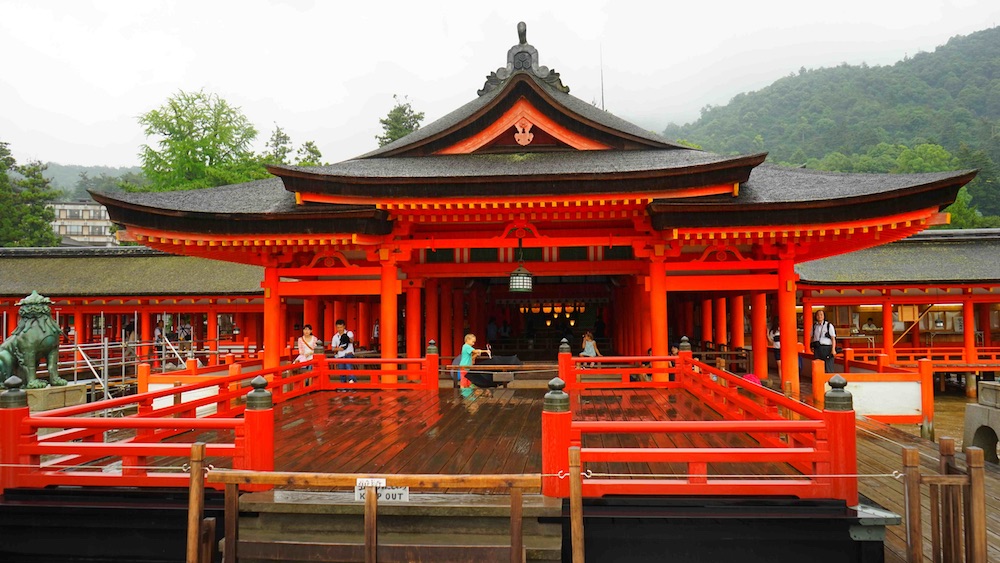
Miyajima is incredibly popular for foreign and domestic tourists alike. Scattered around Miyajima are stunning temples and shrines, accompanied by scenic walking trails and romantic ryokan.
The island’s key attraction is Itsukushima Shrine (厳島神社(いつくしまじんじゃ)), and as you may have guessed, the giant floating torii gate that Miyajima is renowned for, belongs to this shrine. You can get a closer look of the torii by taking a boat cruise at high tide or walking across the shore at low tide.
red shrine Hiroshima Prefecture Japan
Either way, this view of Itsukushima Shrine towards the island’s Mount Misen (弥山(みせん)) is listed as one of Japan’s “Three Best Views”. After that, you can scale 535 m Mount Misen to breathe in the view, and reflect upon wonderful Hiroshima.

If you are interested in studying Japanese in Tokyo, find out more about our school by filling out the form below.

[contact-form-7 id=”12634″ title=”Inquiry Form_copy”]


Coto Japanese Academy is a unique Japanese Language School in Iidabashi Tokyo, we offer relaxed and fun conversational lessons for all levels of Japanese learner. Coto Japanese Academy prides itself on its community atmosphere and fun lessons that focus on creation of opportunities to speak and learn Japanese. If you are interested in studying Japanese in Tokyo – please visit our contact page here.


Introduction
Kobe City (神戸市こうべし)
Himeji Castle (姫路城ひめじじょう)
Arima Onsen (有馬温泉ありま おんせん)
Kinosaki Onsen (城崎温泉きのさきおんせん)

Introduction

Hyogo Prefecture (兵庫県(ひょうごけん)) is located on the main island of Honshu, with Okayama-ken and Tottori-ken on the west, and Osaka-ken and Kyoto-ken on the east. It is the only prefecture fortunate enough to have coastlines on both the Sea of Japan and the Seto Island Sea, and some of its most beloved, and beautiful locations, are located on the shore.
There are 29 cities within Hyogo-ken, and the two most populous are Kobe (神戸(こうべ)) and Himeji (姫路(ひめじ)). Kobe City is the prefectural capital and is universally renowned for its wagyu (Japanese cow) beef. Himeji City, on the other hand, is notorious for its castle – commonly regarded as the finest castle in Japan. Other popular locations are Arima Onsen and Kinosaki Onsen which are near the Seto Inland Sea and the Sea of Japan respectively.
Hyogo Prefecture is often remembered for the devastating earthquake which struck the Hanshin Area (the region between Osaka-ken and Hyogo-ken) on 17th January 1995, claiming up to 6,434 lives and leaving hundreds of thousands of people homeless.

With Kobe City being so close to the earthquake’s epicentre at the time (only 20 km away) it is has become a beacon of hope for future generations, as well as a remembrance place for those who were lost.

Kobe City (神戸市(こうべし))

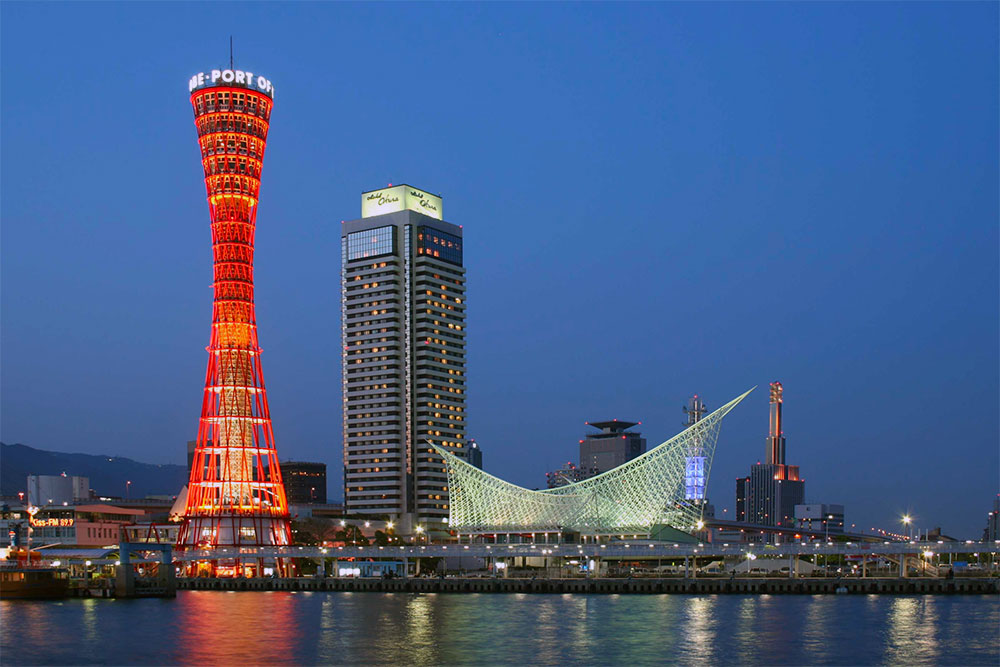
With Osaka Bay in the foreground and the Rokko Mountain Range as a backdrop, Kobe City could easily be regarded as Japan’s most attractive major city. The city’s modern skyline is distinguished by the unconventionally-shaped buildings within Meriken Park (メリケンパーク) – a waterfront park which got its name from an adaptation of the word “American”.
Kobe City Hyogo Prefecture Japan
The regional speciality and delicacy, Kobe beef (神戸ビーフ), is the result of centuries of cultivation. Cattle were introduced to Japan almost 2000 years ago but they were originally only used for agriculture work. It was only after the 1940’s that beef consumption and farming grew.
Yet, because Japan has a relatively low proportion of both inhabitable and agricultural land, Japanese cattle (和牛) were bred in concentrated areas, giving rise to their unique features. Today, 神戸ビーフ is distinguished by its tenderness, flavour and marbled texture. The high price tag is linked to the low percentage of wagyu able to meet the strict requirements needed to meet the “Kobe standard”.
Every year, for two weeks in December, millions of people come together for the Kobe Luminarie (神戸ルミナリエ) – a light festival held in remembrance of the victims of the Great Hanshin Earthquake. The illumination consists of over 200,000 hand-painted lights organised into a spectacular construction. Originally, the lights were donated by the Italian government in 1995 for one festival but due to high demand the Luminaire has been held every year since.

There is also a permanent remembrance fixture located within Merikan Park as well as an Earthquake Memorial Museum in the east of the city.

Himeji Castle (姫路城(ひめじじょう))

Himeji Castle Hyogo Prefecture Japan

Himeji Castle can be found in the heart of Himeji-shi (姫路市) – a coastal city only a short distance from Kobe. The castle was constructed in 1333 and is Japan’s largest, most frequented castle.It was registered as a UNESCO World Heritage Site in 1993, has five structures listed as National Treasures and is deemed to be one Japan’s three premier castles. Its bright white exterior and sloping grey roofs, have granted it the titles 白露城(しらつゆじょう) (White Egret Castle) and 白鷺城(しらさぎじょう) (White Heron Castle), based upon the resemblance of its form to a white-coloured bird taking flight.

Arima Onsen (有馬温泉(ありま おんせん))

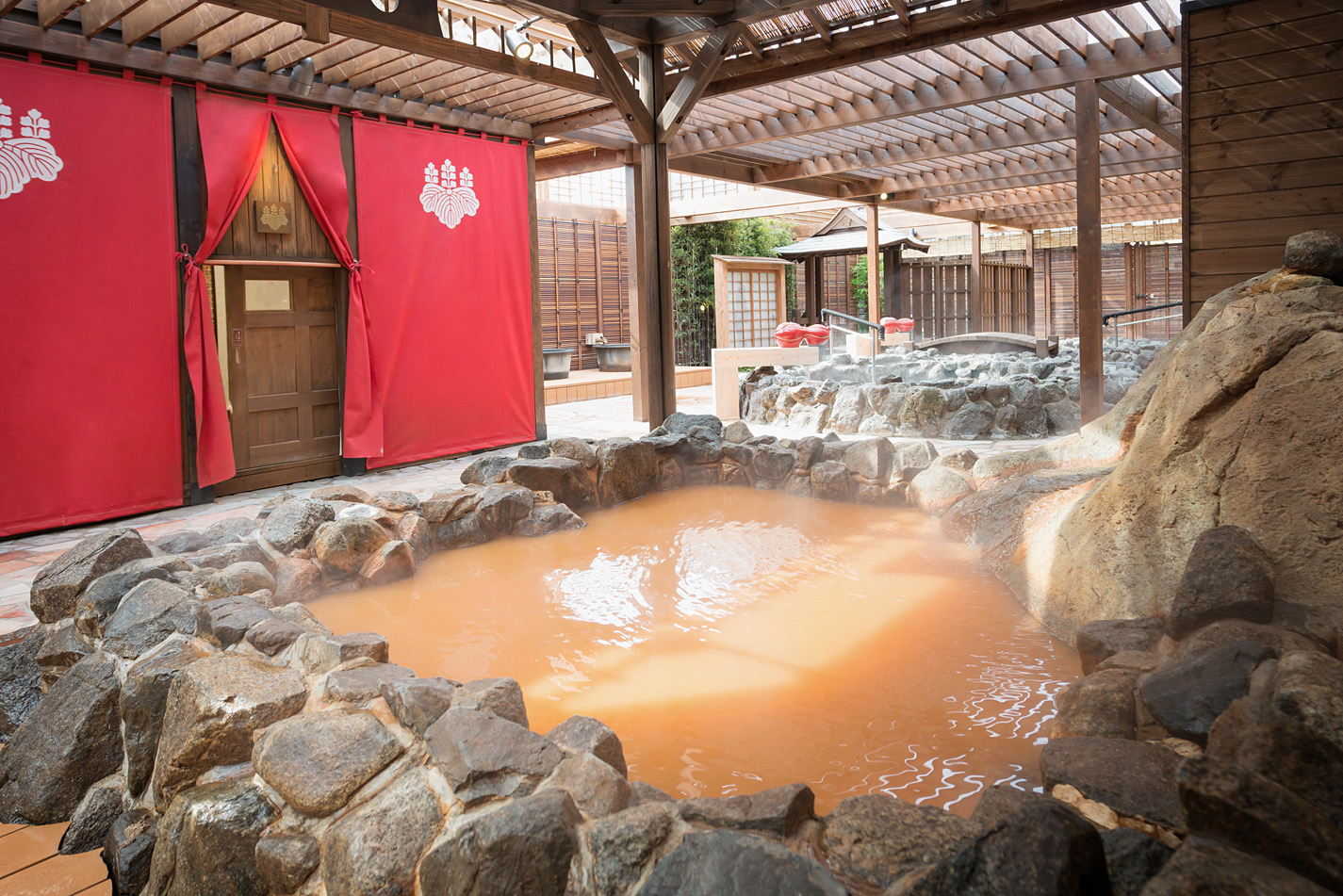
Around 20km from central Kobe, but still within the confines of the city is Arima Onsen (有馬温泉(ありまおんせん)), a small onsen resort with over 1000 years of history, making it one of Japan’s oldest. There are two different kinds of hot spring water present in Arima Onsen – “gold spring” (金銭(きんせん)) and “silver spring” (銀線(ぎんせん)). 金銭 contains iron and salt, and is believed to help alleviate muscle pain and improve the appearance of skin. Whilst 銀線 contains radium and carbonate and is believed to help with muscle pain and joint issues.
Arima onsen Hyogo Prefecture Japan

Kinosaki Onsen (城崎温泉(きのさきおんせん))

The quaint hot spring resort of Kinosaki is based along the the Maruyama River only minutes away from the Sea of the Japan. What makes Kinosaki so popular and so wonderful is that is has avoided overdevelopment. It offers a traditional 温泉(おんせん) experience by allowing you to explore the ryokans, seven public bathhouses and various attractions in your yukata. This traditional atmosphere makes it one of the most famous onsen resorts in the whole of Kansai Region.

If you are interested in studying Japanese in Tokyo, find out more about our school by filling out the form below.

[contact-form-7 id=”12634″ title=”Inquiry Form_copy”]


Coto Japanese Academy is a unique Japanese Language School in Iidabashi Tokyo, we offer relaxed and fun conversational lessons for all levels of Japanese learner. Coto Japanese Academy prides itself on its community atmosphere and fun lessons that focus on creation of opportunities to speak and learn Japanese. If you are interested in studying Japanese in Tokyo – please visit our contact page here.


Yamanashi-ken (山梨県(やまなしけん)) is a land-locked prefecture consisting of 13 cities, with Kofu City as its capital. It is the home of Japan’s tallest and second tallest mountains – Mount Fuji and Mount Kita respectively, making it the King and the Queen of the mountains.
Around a quarter of Yamanashi is designated as National Parks, and 78% designated as forests, making it one of Japan’s most densely wooded prefectures. Being amongst some of Japan’s highly-populated areas – namely Tokyo, Kanagawa and Saitama – Yamanashi always makes for a convenient city escape.
The key industries of Yamanashi are jewellery making, robotics and also fruit. The topography of this prefecture have helped Yamanashi to become Japan’s leading producer of peaches, grapes, plums and wine. Or as they say in Japanese momo (桃), budou (ぶどう), ume (梅) and wain (ワイン)!

Kofu City (甲府市(こうふし))

A major airstrike in 1945, left much of Kofu damaged unfortunately. But after agricultural land reforms were later introduced, and the number of independent farms increased, the area began to prosper. Today Kofu is the economic centre of Yamanashi-ken with numerous shrines around the city dedicated to Takeda Shingen – a powerful feudal lord who resided here in the 1500’s.

National Parks (国立公園(こくりつこうえん))

The largest national parks that cover parts of Yamanashi are The Fuji-Hakone-Izu National Park (富士箱根伊豆国立公園(ふじはこねいずこくりつこうえん)), The Minami Alps National Park ((みなみ)アルプス国立公園(こくりつこうえん)), and The Chichibu-Tama-Kai National Park (秩父多摩甲斐国立公園(ちちぶたまかいこくりつこうえん)).
Mt Kimpu Yamanashi Prefecture Japan
With numerous peaks over 3,000 meters, The Minami Alps National Park is a favourite amongst avid hikers, and is noted as one of Japan’s major mountain parks. The park was established in 1964 – which also makes it one of the oldest – and spans areas around Yamanashi, Shizuoka and Nagano Prefectures.
The Chichibu-Tama-Kai National Park lies between Saitama, Yamanashi, Nagano and Tokyo Prefectures. It it the source of several major rivers including the River Arakawa, where one of Japan’s most magnificent gorges, Mitake Shosenkyo (御岳昇仙峡(みたけのぼりせんかい)), can be found.
The Fuji-Hakone-Izu National Park is vast and covers land in Yamanashi, Shizuoka and Kanagawa Prefectures. Unsurprisingly though, it is most famous for its inclusion of Fuji-san and the surrounding scenic area known as Fuji Five Lakes.

Fuji Five Lakes (富士五湖(ふじごこ))

Fuji Five 5 Lakes Yamanashi Prefecture Japan
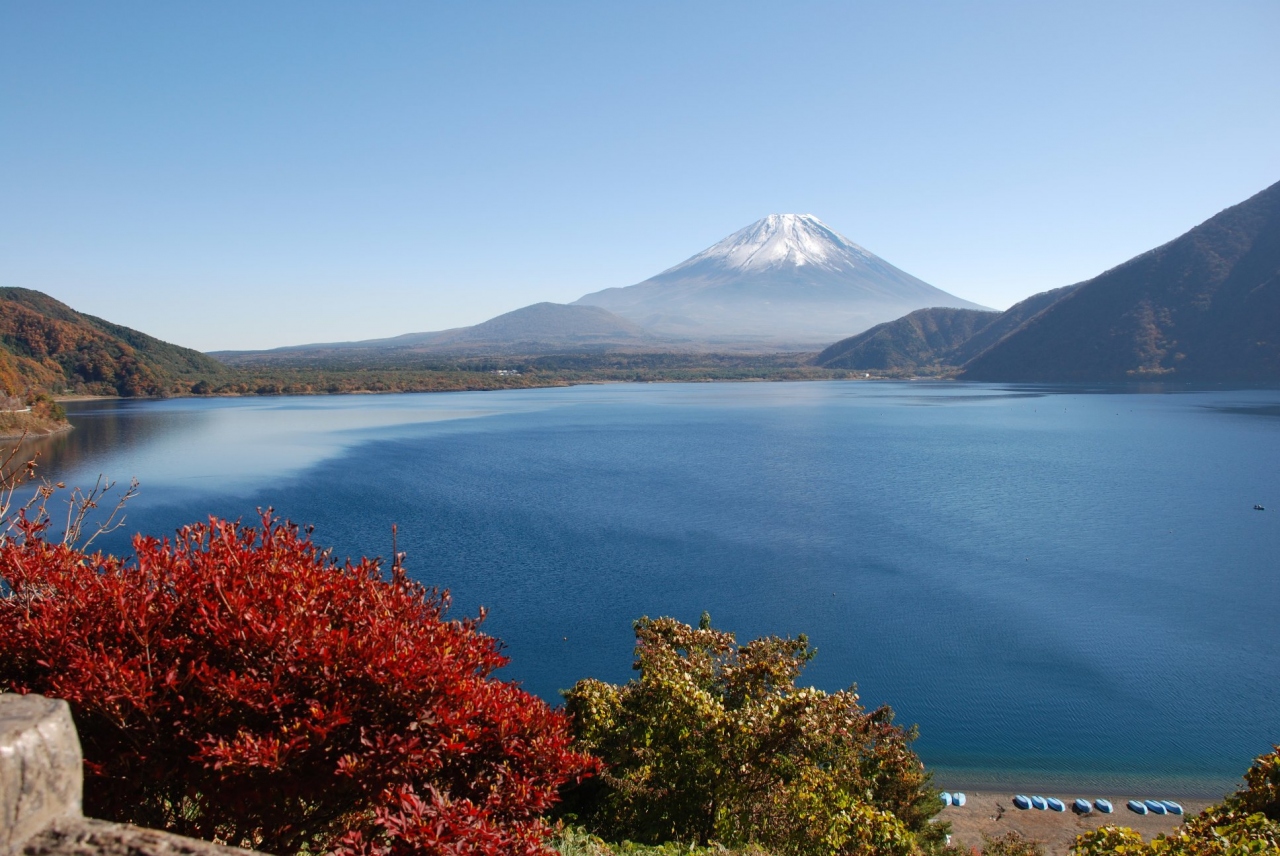
Often used a resting place for those basking in the magnificence of Fuji-san, Fuji Five Lakes consists of the lakes Kawaguchiko, Yamanakako, Saiko, Shojiko and Motosuko. Of the five, Yamanakako is the largest, Shojiko is the smallest and Kawaguchiko is the most popular and most developed. Kawaguchiko is particularly favoured because it offers fantastic views of Mount Fuji, and has the greatest range of tourist attractions.

Mount Fuji (富士山(ふじさん))

Whether you call it Fuji-san, Fujiyama or Mount Fuji doesn’t matter. What matters is that Yamanashi is its official home, and as Japan’s highest mountain – at 3776 meters – it would be tough to think of another landmark more significant. As such, it has been named as “One of Japan’s Three Holy Mountains”, a UNESCO World Heritage Site, “One of Japan’s Historic Sites” and a “Special Place of Scenic Beauty”.
Mt Fuji Yamanashi Prefecture Japan
The first ascent of 富士山 is believed to have been around 1400 years ago but these days, thousands of visitors attempt to reach the summit every year. The official hiking season for Fuji is from early July to mid-September although experienced climbers may visit during off-season. Hiking between September and July doesn’t come highly recommended due to the extreme weather conditions and risks of avalanches. The busiest period is during Obon Week – one of the nation’s three major holiday weeks. If you prefer camaraderie, this is the hiking week for you!

If you are interested in studying Japanese in Tokyo, find out more about our school by filling out the form below.

[contact-form-7 id=”12634″ title=”Inquiry Form_copy”]


Coto Japanese Academy is a unique Japanese Language School in Iidabashi Tokyo, we offer relaxed and fun conversational lessons for all levels of Japanese learner. Coto Japanese Academy prides itself on its community atmosphere and fun lessons that focus on creation of opportunities to speak and learn Japanese. If you are interested in studying Japanese in Tokyo – please visit our contact page here.


Hokkaido (北海道(ほっかいどう)) is Japan’s northernmost, least-crowded prefecture – and at around 83,000 km², it the also most considerable. The expansive area it covers is revered for its cold climate and extensive wildlife – much of which is undisturbed. Because of its vastness, the region is split into 15 Subprefectures, with its capital, Sapporo (札幌(さっぽろ)), belonging to the Ishikara Subprefecture.
Sapporo became internationally recognised after hosting the Olympic Winter Games in 1972, nowadays however, it is more notorious for its world-class ski resorts, Yuki Matsuri (snow festivals) and Sapporo Beer.
The direct meaning of “北海道” is “North Sea Circuit”, with the kanji “道” acting much like the term “県” (prefecture). This makes the name “Hokkaido Prefecture” somewhat illogical – not that it really matters too much. Japan’s “North Sea Circuit” is separated from the mainland by the Tsugaru Strait, with its only land-link being an underground train tunnel. Access is still relatively easy though because there are frequent flights available all-year-round.

Sapporo City (札幌市(さっぽろし))

If we take the town of Furano as Hokkaido’s centre, then Sapporo City lies around 120km to the West. The city started to dramatically develop after 1868, when the government decided that Hokkaido’s existing administrative centre, Hakodate, couldn’t accommodate the future needs of the island.
Sapporo is Japan’s fifth largest city and the birthplace of Japan’s oldest beer brand, Sapporo Brewery. Two of Sapporo’s most popular parks are Odori (大通公園(おおどおりこうえん)), and Moerenuma (モエレ沼公園(ぬまこうえん)). Whilst Sapporo Beer Museum on the other hand, provides a nice alternative for beer enthusiasts.
odori-park Sapporo City Hokkaido Prefecture Japan
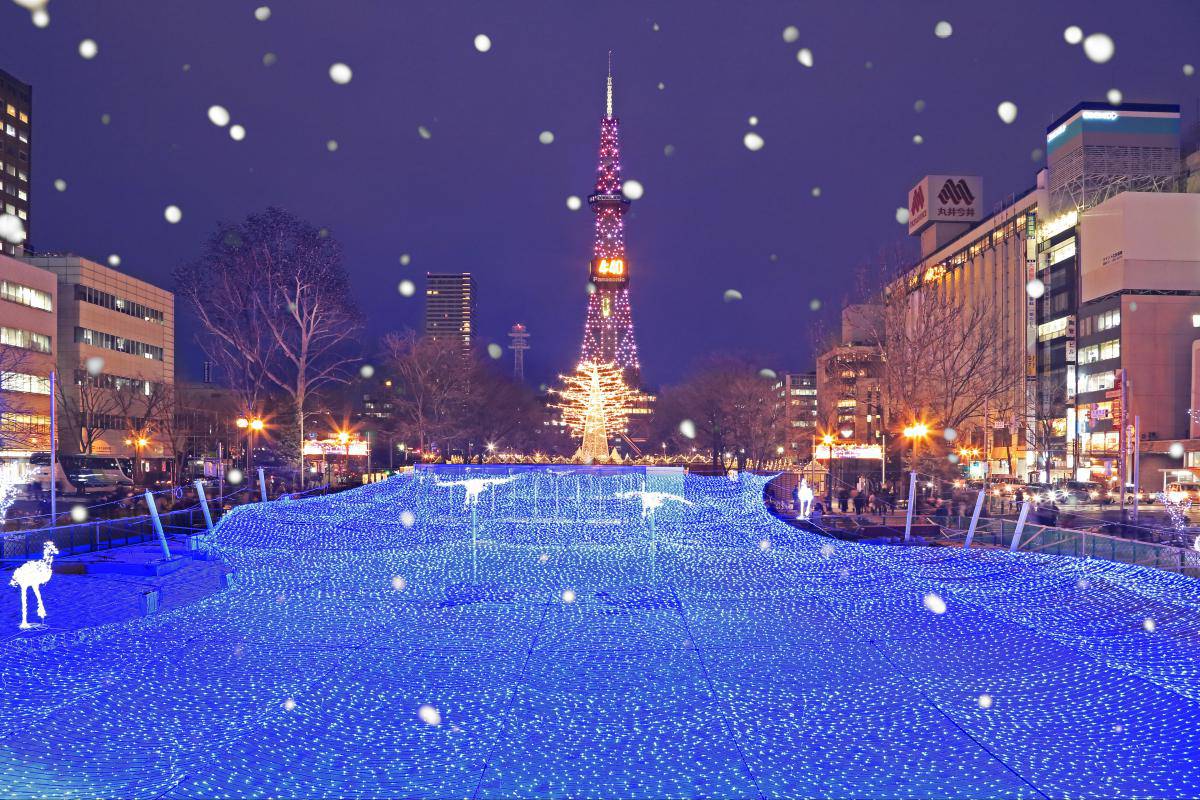
Odori Park is located in the heart of the city and stretches across twelve blocks, making it an easy green-escape for the city’s residents and employees. It is open throughout the year and turns into a beer garden for the Sapporo Summer Festival (札幌夏祭(さっぽろなつまつ)り).
Moerenuma Park lies on the north outskirts of the city. Its contemporary design is thanks to Japanese-American sculptor, Isamu Noguchi. One of its key features is an eccentric glass pyramid building called Hidamari.
Sapporo Beer Museum (サッポロビール博物館) is open most days of the year and offers both free and paid tours. If you fancy staying a bit longer, there are also beer halls which offer which offer 飲み放題 (all you can drink), and restaurants to ensure that you drink beer the right way – with food!

National Parks

With six national parks, five quasi-national parks and 12 prefectural national parks totalling around 147,000 hectares (more than any other prefecture), it’s no wonder that Hokkaido is a favourite amongst nature addicts.
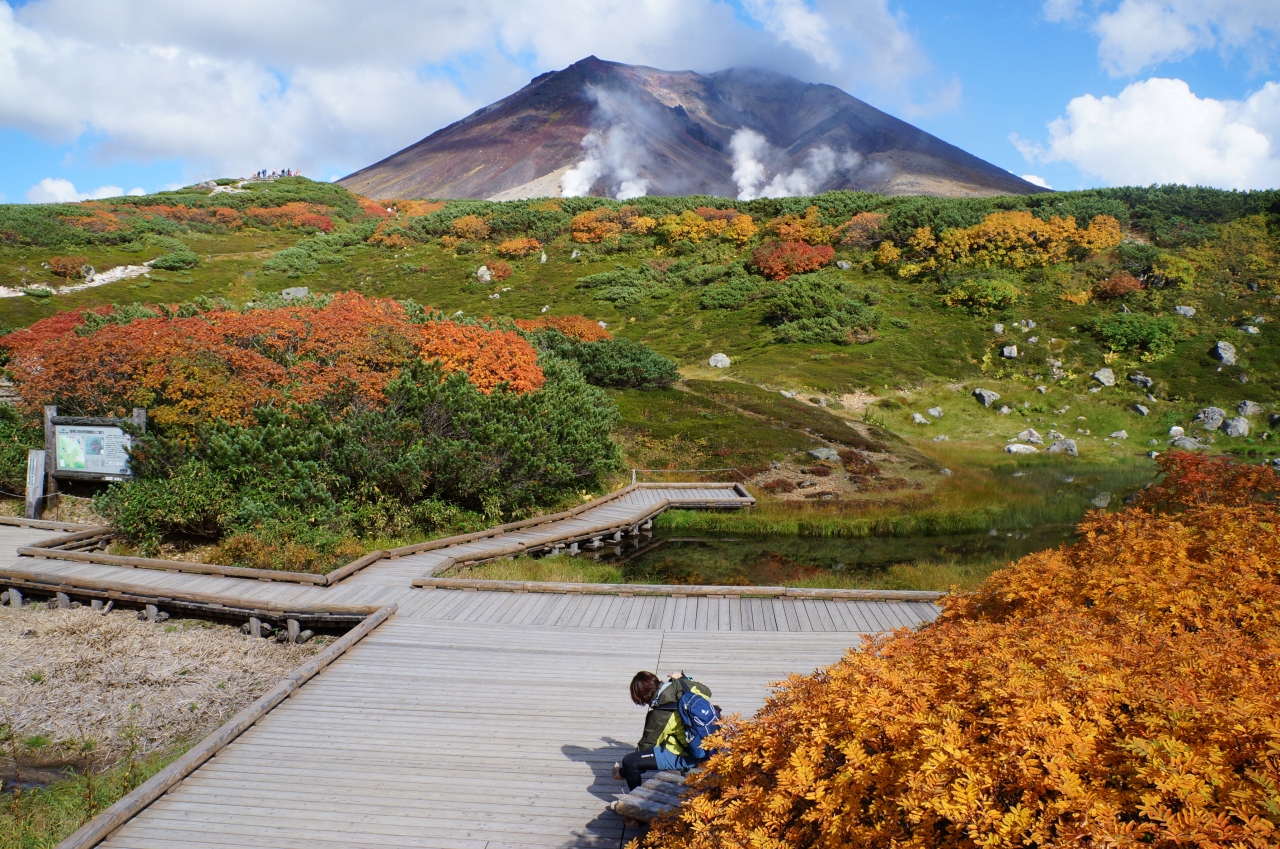
Located roughly in the centre of Hokkaido is Daisetsuzan (大雪山(たいせつざん)) – Japan’s largest national park. Spanning around 2,270 square kilometres, it’s a similar size to Kanagawa Prefecture. Unlike Kanagawa though, the region is mostly mountainous consisting of 16 peaks from three volcanic mountain groups. Essentially this means two things, onsen and panoramic views!
Hokkaido Prefecture Japan - Shiretoko National Park
Shiretoko National Park (知床国立公園(しれとここくりつこうえん)) is another popular place to experience nature at its finest. It sits on the Shiretoko Peninsula in eastern Hokkaido, and is often said to be one of Japan’s most stunning parks. Some of its areas are so remote that they are only accessible by boat or foot!

Winter Wonderlands

There is plenty to experience in 北海道(ほっかいどう) throughout the year, but this prefecture is really in its element during the snowy season. Winter sports, snow festivals and drift ice tours are just a few of the ways that Hokkaido will win you over …
Drift ice is a common phenomenon observed on the northern coasts in Hokkaido along the Sea of Okhotsk. You can experience the beauty of this through a sightseeing boat from Abashiri (網走(あばしり)) or an ice walking tour from Shiretoko.
Ice Festival Hokkaido Prefecture Japan
If you prefer snow to ice, then descending down the powdery snow in one of Hokkaido’s top ski resorts seems 100% necessary. Hokkaido is Japan’s skiing and snowboarding heaven. Insatiable slope-lovers, can feed their snow-related appetites with scenic routes and off-trail skiing at Niseko (ニセコ) – Japan’s most renowned ski resort
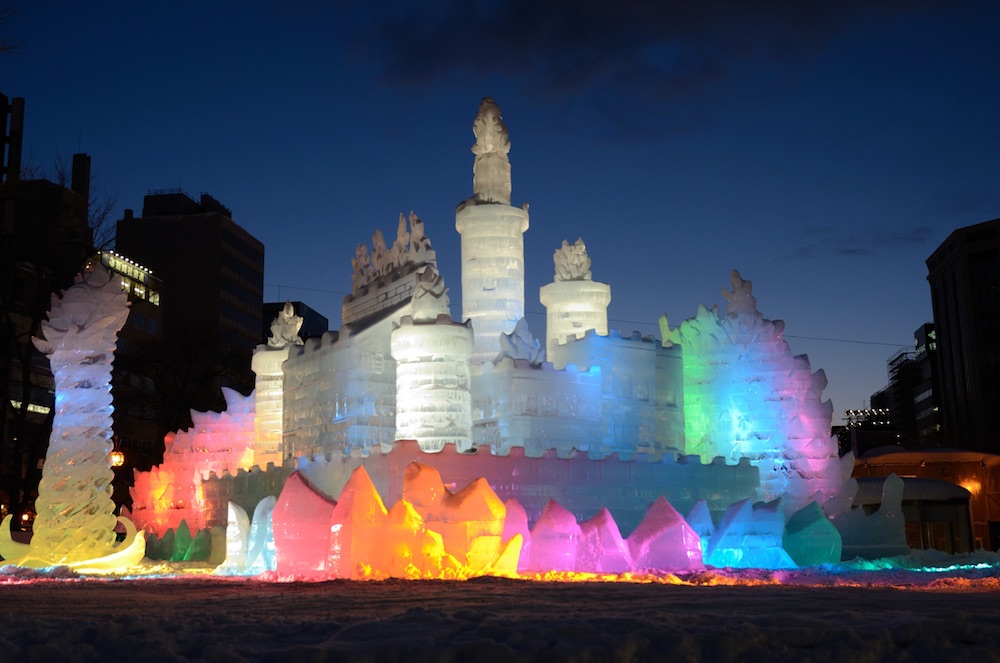
There are numerous snow festivals between January and April throughout Hokkaido, but the two million annual visitors to Sapporo’s Yuki Matsuri indicate that this is prefecture’s most celebrated. Dozens of fantastical ice structures – some of which stand at almost 30 meters high – make this festival like no other. The main site for Sapporo’s Yuki Matsuri is at Odori Park.

If you are interested in studying Japanese in Tokyo, find out more about our school by filling out the form below.

[contact-form-7 id=”12634″ title=”Inquiry Form_copy”]


Coto Japanese Academy is a unique Japanese Language School in Iidabashi Tokyo, we offer relaxed and fun conversational lessons for all levels of Japanese learner. Coto Japanese Academy prides itself on its community atmosphere and fun lessons that focus on creation of opportunities to speak and learn Japanese. If you are interested in studying Japanese in Tokyo – please visit our contact page here.