




If you’re spending New Year’s in Japan, you’re in luck. It is one of the most fascinating times to visit. While some areas, such as Shibuya, have restricted or canceled large countdown events, that doesn’t mean the celebrations are any less special. Japanese people have many unique and heartfelt ways to mark the end of one year and the beginning of another. Just like anywhere else, welcoming the New Year is an important tradition, and knowing how to say Happy New Year in Japanese can make your experience altogether even more special.
When it comes to saying “Happy New Year” in Japanese, things are a bit more nuanced than you might expect. Depending on when you use the greeting — before or after January 1 — there are several different expressions you can use. In this guide, we’ll explore all the ways to say “Happy New Year!” in Japanese and when to use each one correctly. Wishing a happy new year in Japanese: before January 1st
In Japan, there are two steps when it comes to new year wishes. Thus, it is common to hear “良いお年をお迎えください” (yoi otoshi wo omukaekudasai) before January 1st (but not after December 31st!). It translates as “Have a good year” and is often shortened to “良いお年を” (yoi otoshi wo).
What is The Common Way to Say Happy New Year in Japanese?
The easiest and most common way to say “Happy New Year” in Japanese is あけましておめでとうございます (akemashite omedetou gozaimasu). You may have heard this phrase before, as it is one of the most basic and important Japanese greetings. It is widely used in both spoken and written Japanese during the New Year period.
However, it’s important to know that あけましておめでとうございます is only used on or after January 1, never before. Before January 1, Japanese people use a different expression, which we will explain later.
If you’re late to give your wishes, you’ll have to politely apologize.
遅おくればせながら、明あけましておめでとうございます。
Okurebasenagara, akemashite omedetou gozaimasu.
It is a little late, but Happy New Year.
The phrase あけまして (akemashite) comes from the verb 明ける (akeru), meaning “to open” or “to begin.” The word 明あけまして is based on the ideogram “明あ“, composed of the sun (日) and the moon (月). This kanji has many meanings, among which you’ll find ‘bright’, ‘dawn’, and ‘changing’.
In this context, it refers to the opening or beginning of the New Year. The word おめでとう (omedetou) means “congratulations” and comes from めでたい (medetai), which describes something joyful or auspicious. Finally, ございます (gozaimasu) is a polite ending that adds formality and respect, making the phrase appropriate for coworkers, elders, and formal situations.
These are some ways in which you can use おめでとうございます:
ご結婚けっこんおめでとうございます。
Gokekkon omedetou gozaimasu.
Congratulations on your marriage.
合格ごうかくおめでとうございます。
Goukaku omedetou gozaimasu.
Congratulations on passing the exam.
お誕生日たんじょうびおめでとうございます。
Otanjoubi omedetou gozaimasu.
Happy birthday.
Taken together, あけましておめでとうございます literally means “Congratulations on the opening of the New Year,” which is naturally translated as “Happy New Year.”
How to Say “Happy New Year” in Japanese Before January 1
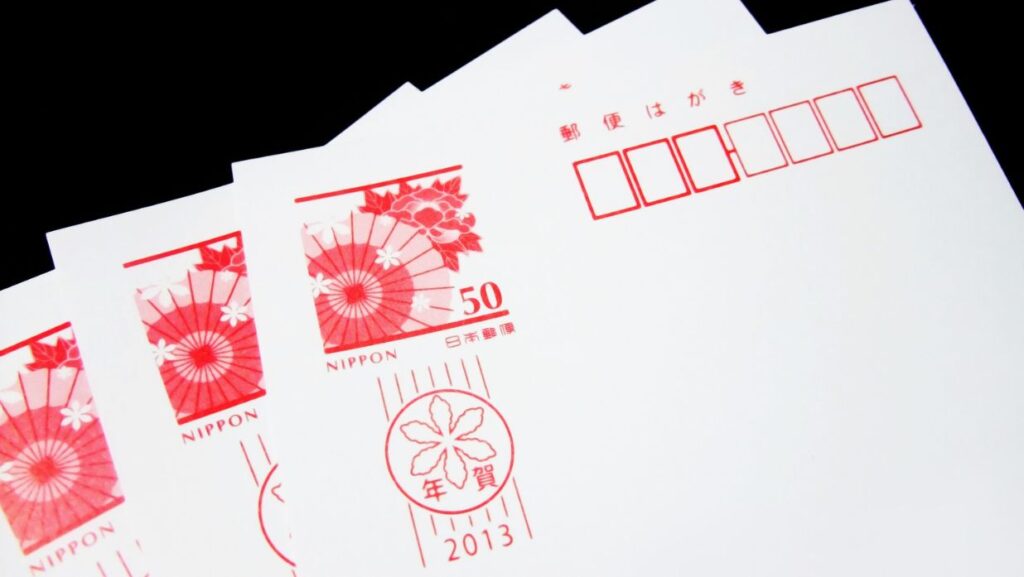
1. よいお年をお迎えください (Yoi otoshi o omukae kudasai)
This is the most polite and formal way to wish someone well before the New Year arrives, and it is only used before January 1. You will most often hear this phrase toward the end of December, especially when people say goodbye for the last time before the year changes.
The reason this expression cannot be used after January 1st lies in its structure and meaning. お迎えください (omukae kudasai) is a polite request meaning “please welcome” or “please receive.” Meanwhile, 良いお年 (yoi otoshi) means “a good year.” Together, the phrase literally means “please welcome a good New Year.” Because it refers to welcoming the New Year before it arrives, it only makes sense to use this expression before January 1
2.良いお年を (Yoi otoshi o)
The phrase we introduced above might be too formal and long if you are saying it to your friends and family. The best way to make it more casual is by shortening it into 良いお年を (read as yoi otoshi o). Sometimes, even store clerks and restaurant staff can say this as you part ways before the New Year.
3. 来年もよろしくお願いします (Rainen mo yoroshiku onegaishimasu)
If you’ve ever learned the phrase よろしくお願いします (yoroshiku onegaishimasu), you probably know how versatile it is. Depending on the context, it can mean “I look forward to working with you,” “please take care of me,” “thank you in advance,” and much more.
If you want to express goodwill to a coworker before leaving the office for the holiday break, you can say 来年もよろしくお願いいたします. This phrase means “I look forward to your continued support next year” and is typically said right before the year ends. It is especially common in workplaces, business emails, and formal relationships. You can even pair it with 良いお年を.
4. また来年 (Mata rainen)
So, what if you just want to say “See you next year” in a relaxed, natural way? While 来年もよろしくお願いします works perfectly in polite or work-related situations, it can feel a bit too formal when you’re talking to close friends—like when you’re wrapping up a 忘年会 (bōnenkai), a year-end party.
In those cases, また来年 is exactly what you want. It’s short, casual, and sounds very natural. また (mata) means “again,” and 来年 (rainen) means “next year,” so together it’s basically saying, “See you next year.”
This phrase is best saved for friends, family, or people you’re comfortable with, but it’s perfect for ending the year on a light, friendly note.
Want to study Japanese with us?
How to Say “Happy New Year” in Japanese After January 1
1. あけましておめでとう (Akemashite omedetou)
This is the casual version of あけましておめでとうございます and is commonly used with friends, family members, classmates, and people your age. It sounds friendly without being overly informal and is perfectly fine to use in text messages and casual conversations after January 1.
2. あけおめ (Akeome)
If you want to make your New Year greeting even more casual, especially when messaging close friends, you can shorten the phrase further to あけおめ. This abbreviation takes the beginning of あけまして and おめでとう and combines them into a short greeting.
It follows a similar pattern to casual birthday greetings in Japanese. For example, instead of saying お誕生日おめでとう (otanjōbi omedetou), people often shorten it to おたおめ (otaome).
Because of its casual nature, あけおめ should only be used with people you know well, not to your boss!
3. 新年おめでとうございます (Shinnen omedetou gozaimasu)
You may already be familiar with あけましておめでとうございます, but おめでとうございます can be paired with other words as well. If you want to vary your expression or sound slightly more formal or written, you can replace あけまして with 新年 (shinnen), which literally means “New Year.”
新年おめでとうございます is often seen in written greetings, cards, emails, and formal announcements, and it has a slightly more formal tone than あけましておめでとうございます.
4. 今年もどうぞよろしくお願ねがいします (Kotoshi mo douzo yoroshiku onegaishimasu)
When wishing someone a Happy New Year in Japanese, it’s very common to also say 今年もどうぞよろしくお願いします. This phrase roughly translates to “I look forward to your continued support this year” or “Please take care of me this year as well.”
The word 今年 (kotoshi) means “this year.” Like many Japanese expressions, よろしくお願いします doesn’t have a single direct English translation. Its meaning depends on context, but it generally expresses goodwill, cooperation, and appreciation for the relationship in the year ahead.
5. ことよろ (Kotoyoro)
ことよろ (kotoyoro) is an abbreviation of 今年もよろしくお願いします (kotoshi mo yoroshiku onegaishimasu). If you’ve noticed a pattern by now, it’s that the Japanese language loves to shorten phrases to create more casual, friendly versions, especially in texts and informal conversations.
This is one of those expressions that doesn’t translate neatly into English. Rather than having a direct meaning, ことよろ is used to convey something along the lines of “Please take care of me well this year” or “Let’s stay close in the New Year.”
You’ll often see ことよろ paired with あけおめ, especially in messages and on social media:
あけおめ! ことよろ!
Akeome! Kotoyoro!
6. 本年: Indicating “This Year” Formally
Instead of saying 今年 (kotoshi), which is used in everyday conversation, you can use 本年 (honnen), which means “this year.” There is not much difference between the two words; only the latter carries a more formal nuance, and it is used for documents, polite letters, and business correspondence.
For example, you might see the following phrases in official New Year greetings and professional writing.
明あけましておめでとうございます。本年ほんねんも変かわりませず、よろしくお願ねがいもうしあげます。
Happy New Year. Without change, I will be counting on you this year as well.
遅おくればせながら、本年もどうぞ よろしくお願ねがいいたします。
It’s a little late, but I will be counting on you this year as well.
ご挨拶あいさつが遅おくれましたが、明あけましておめでとうございます。 本年もどうぞよろしくお願ねがいいたします。
I am late to present my salutations, but Happy New Year. I will be counting on you this year as well.
When giving your wishes to your boss, make sure to thank him for his guidance!
今年もよろしくご指導しどうくださいますよう、お願願もうしあげます。
This year as well, I will be counting on your guidance.
What to Say When You Have Not Met Someone For a Long Time After New Years
The New Year is often a time when people reconnect with friends, family, and old acquaintances. Sometimes, that means running into someone you haven’t seen for months or even years. In situations like this, jumping straight into “Happy New Year” can feel a little abrupt. Instead, we can start with a phrase that acknowledges the time apart helps make the conversation feel warmer and more natural.
1. お久しぶりです (Ohisashiburi desu)
お久しぶりです (ohisashi buri desu) is one of the most commonly used phrases in Japanese and isn’t limited to the New Year season. It simply means “long time no see” and is used when you haven’t seen or spoken to someone in a while. It’s friendly, natural, and works well in both casual and semi-polite situations.
The phrase comes from 久しぶり (hisashiburi), meaning “after a long time.” Adding お at the beginning makes it more polite, and です adds a soft, respectful tone. Together, お久しぶりです literally means “It’s been a long time.”
You can also soften it further by adding ね at the end. This adds a friendly “right?” or “hasn’t it?” feeling, similar to how we speak in English.
お久しぶりですね
Ohisashiburi desu ne.
2. ご無沙汰しています (Gobusata shiteimasu)
ご無沙汰しています (gobusata shite imasu) means “I’m sorry it’s been a long time” or “I’ve been out of touch.” Unlike お久しぶりです, this phrase carries a slightly apologetic tone and is more formal.
It’s commonly used in business settings, emails, or when speaking to seniors, teachers, or clients, especially if you feel you should have contacted them sooner.
You’ll often hear it at the start of a message, followed by a polite greeting or a New Year wish:
ご無沙汰しています。あけましておめでとうございます。
Gobusata shite imasu. Akemashite omedetou gozaimasu.
How Does Japan Celebrate New Year’s?

Yes, Japanese people celebrate the New Year on January 1, just like many other countries around the world. That said, New Year’s in Japan comes with its own unique traditions, many of which take place both before and after New Year’s Eve.
In December, for example, you might be invited to a 忘年会 (bonenkai), or year-end party, by your company, sports club, or social group. These gatherings are a way to reflect on the past year, thank one another for the hard work and memories, and enjoy food and drinks together before the year comes to a close.
On January 1st, many Japanese people line up at local shrines or temples for their first visit of the year, known as 初詣 (hatsumode). This tradition involves praying for good health, happiness, and success in the year ahead. Families and friends often go together, making it both a spiritual and social event.
Food also plays an important role in Japanese New Year celebrations. One of the most iconic dishes is おせち料理 (osechi ryori), a beautifully prepared assortment of traditional foods, each with its own symbolic meaning. These dishes are carefully arranged in stacked lacquered boxes called 重箱 (juubako) and are typically enjoyed over the first few days of the New Year.
Learn More Japanese Phrases Beyond Just Saying “Happy New Year”!
Saying “Happy New Year” in Japanese is a great way to break the ice, but what comes next? Strong conversation skills are essential, and plenty of speaking practice will help you become fluent much faster than relying on textbooks alone.
If you’ve been wanting to start learning Japanese, now is the perfect time to begin at Coto Japanese Academy. Founded in 2000, Coto is a leading language school with campuses in Yokohama, Shibuya, Iidabashi, Minato, and most recently, Shinjuku.
At Coto, you’ll study in small classes of up to 8 students, allowing our native, professional teachers to give you personalized attention and support.
Why Join Coto Japanese Academy?
- Focus on real-life conversation
- Small class sizes for effective learning
- Experienced native instructors
- Multiple convenient campus locations
FAQ
How do you say Happy New Year in Japanese?
Happy New Year in Japanese is Akemashite omedetou gozaimasu (あけましておめでとうございます).
When should you say “Akemashite omedetou gozaimasu”?
You should say Akemashite omedetou gozaimasu only after January 1st.
How do you say Happy New Year in Japanese casually?
A casual way to say Happy New Year in Japanese is Akemashite omedetou (あけましておめでとう).
What does “Akemashite omedetou” literally mean?
It literally means “Congratulations on the opening of the new year.”
What is the difference between "akemashite omedetou" and "yoi otoshi o omukae kudasai"?
“Akemashite omedetou” means “Happy New Year” and is said after the New Year has begun, while “yoi otoshi o omukae kudasai” means “Please have a good New Year” and is said before the New Year, as a farewell greeting.