



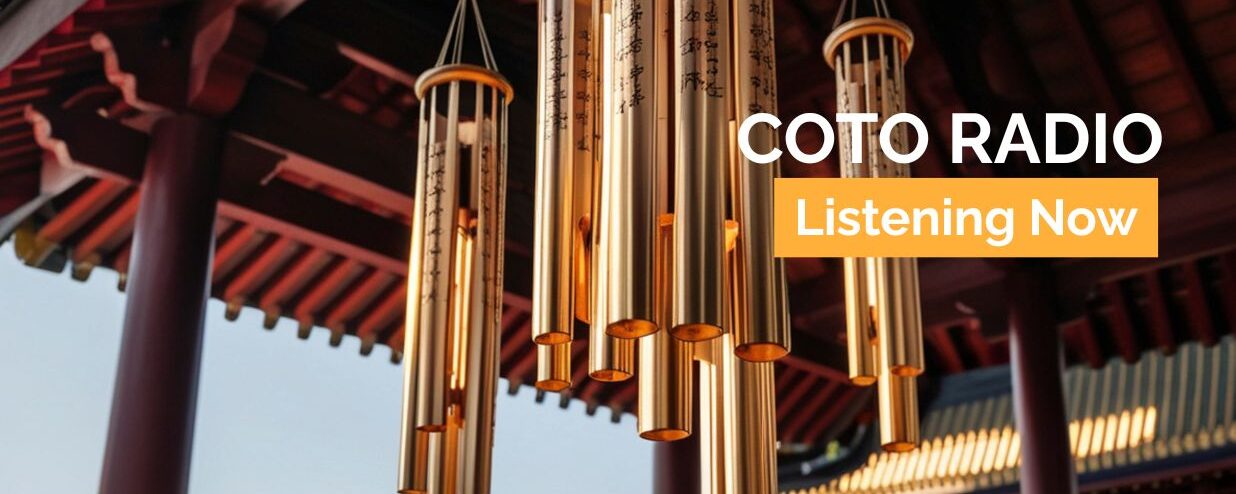


Have you heard of the 5 O’Clock Chime in Japan? If you’re living in Japan, chances are that at exactly 5 o’clock in the evening, you’ll hear some music playing in the background. You might be wondering, what is that melody, and why does it play at exactly 5 o’clock in the evening? This phenomenon is known as the “5 o’clock chime.” It can be heard almost everywhere, from large city centers to small countryside towns. Each chime varies by municipality, and you may be surprised to learn that some cities don’t have a chime at all!
In today’s podcast episode, Coto Academy’s teachers discuss the “5 O’Clock Chime,” its function, its impact on the community today, and why some cities don’t have a “5 O’Clock Chime.”
Welcome to Coto Radio, a Japanese learning podcast by Coto Japanese Academy, Japan’s No. 1 Japanese language school. Each episode, our host combines captivating storytelling with engaging conversations, all delivered in clear, natural Japanese.
Why The 5 O’Clock Chime in Japan is important for Disaster Prevention
While it might sound like a random melody to some, the 5 o’clock chime was actually designed to test out Japan’s wireless disaster prevention systems. In an emergency, local governments use wireless disaster-prevention systems to communicate vital information, such as evacuation procedures and related disaster information.
A-san reminisces about how she would always hear the 5 o’clock chime every day as a child, and wishes that she could have played longer had the chime not played. However, it is an important chime as not only does it help to keep Japan’s wireless disaster prevention systems in check, it also helps to protect children’s safety, as the chime would tell them to go home.
Kinjo-sensei points out that as time passed, attitudes towards the 5 o’clock chime have changed as well. Some municipalities and towns have received requests to stop broadcasting the chimes, as it contributes to noise pollution. This could be because children nowadays don’t go outside as much, and because people living near the speakers find it annoying to hear the same chime every day. However, due to the interest in crime prevention and local safety, there are a few municipalities that are willing to put an end to the chimes.
Some 5 O’Clock Chimes in Japan Can Change With The Season
The discussion moves towards what type of music the 5 o’clock chimes use. The chimes can vary according to municipality, but according to A-san, in the town that they live in, the 5 o’clock chime can change depending on the season. The chimes change three times a year; first from January to April, then from May to September, then finally from October to December.
In addition, some cities adjust the chimes’ playing time by season. This makes sense, since sunset times can vary by season. Kinjo-sensei says that in his municipality, from November to February, the chimes play at 430 pm.
Some Japanese Cities Don’t Have a 5 O’Clock Chime
While most cities in Japan have the 5 o’clock chime, some municipalities don’t even play it. Yokohama City, for example, is one such city that doesn’t play a 5 o’clock chime, much to A-san’s surprise. Kinjo-sensei explained that there were two possible explanations as to why this chime doesn’t play in Yokohama.
One theory is due to the terrain of Yokohama, as it is quite hilly. As a result, radio waves don’t travel around the city effectively. Another theory that Kinjo-sensei suggested is that most homes in Yokohama have recently kept their windows closed, which makes it hard for people to listen to outdoor broadcasts. A-san wonders if things are different in cities when it comes to this uniquely Japanese phenomenon.
Ready to listen to the full transcript? Brush up your listening skills with Coto Academy!
A big part of becoming fluent in Japanese and speaking with confidence is developing your listening skills/ Of you want to start speaking Japanese and get better at listening, join conversation-focused, practical lessons at Coto Academy, Tokyo and Yokohama’s top-rated Japanese language school. Interested in learning more about Coto Academy and joining? Contact us by clicking the button below!
New Vocabulary from the Podcast
| Japanese | Romaji | English Meaning |
| お届けする | Otodoke suru | To deliver, to present |
| 自治体 | jichitai | Local government, municipality |
| 防災 | bousai | Disaster prevention |
| 無線 | musen | Wireless, radio connection |
| 試験運用 | Jiken unyou | Test operation |
| 重要 | jyuuyou | Important |
| 尊重する | Sonchou suru | To respect, to value |
| 起伏 | kifuku | Undulation, ups and downs (in terrain) |
| 脅威 | kyoui | Threat |
| 不快 | fuaki | Unpleasant, uncomfortable |
New Grammar from the Podcast
| Grammar Pattern | Romaji | Meaning | Example Sentence |
| ~てもらう | ~te morau | To have someone do something for you (receive a favor) | 番組スタッフに調べてもらったところ、市区町村によってチャイムが違うことがわかりました。 |
| ~によって | ~ni yotte | Depending on, by (indicating means or cause) | このチャイムは自治体によって違います。 |
| ~とは限らない | ~towa kagiranai | Not necessarily, not always | チャイムが鳴らない場所もありますから、どこでも聞こえるとは限りません。 |
| ~わけではない | ~wake dewa nai | It doesn’t mean that…, it’s not that… | すべての地域でチャイムが必要なわけではありません。 |
| ~に対して | ~ni taishite | Towards, regarding (indicating a target of an action or feeling) | 住民に対して重要な情報を伝えるためにチャイムが使われます。 |
Podcast Transcript
The following is a transcript from an episode of Coto Radio, a podcast produced by Coto Academy and available on Apple Podcasts and Spotify. For the complete experience, we recommend listening to the original audio. This transcript has been slightly edited for clarity and brevity.
Kinjo-sensei:
こんにちは、みなさん!!お元気ですか。
Konnichiwa, minasan! ! Ogenkidesuka.
Hello, everyone!! How are you?
「Cotoラジオ」、本日も始まりました!!
‘Coto rajio’, honjitsu mo hajimarimashita! !
“Coto Radio” is back today!!
パーソナリティの私(わたくし)金城と、Aさんでお届けしてまいります。
Paasonariti no watashi (watakushi) Kinjou to, A-san de o todoke shite mairimasu.
I’m your host, Kinjo, and we’ll be bringing you the show with A-san.
Aさん、よろしくお願いいたします。
A-san, yoroshiku onegai itashimasu.
A-san, it’s a pleasure to have you.
A-san:
はい、どうぞよろしくお願いいたします。
Hai, douzo yoroshiku onegai itashimasu.
Yes, it’s a pleasure to be here.
Kinjo-sensei:
本日の「日本、なぜ、どうして?シリーズ」のテーマは…
Honjitsu no “Nihon, naze, doushite? Shiriizu” no teema wa…
Today’s “Why Japan?” series theme is…
Kinjo-sensei:
「日本ではなぜ夕方5時になると街にチャイムが鳴るのか」です。
“Nihon de wa naze yuugata go-ji ni naru to machi ni chaimu ga naru no ka” desu.
“Why do chimes ring in Japanese cities at 5 PM every day?”
A-san:
あ~、あれですね!毎日5時になると聞こえてきますよね~。
A~ are desu ne! Mainichi go-ji ni naru to kikoetekimasu ne~.
Ah, that thing! You hear it every day at 5 PM, right?
Kinjo-sensei:
そうです! Aさんの住んでいる街でもチャイムは鳴りますか。
Sou desu! A-san no sundeiru machi demo chaimu wa narimasu ka.
Exactly! Do the chimes ring in the city where you live, A-san?
A-san:
はい。夕方5時になると毎日鳴りますね。でも今まで気にしたことは無かったです。
Hai. Yuugata go-ji ni naru to manichi narimasu ne. Demo ima made ki ni shita koto wa nakatta desu.
Yes. It rings every day at 5 PM. But I’ve never really paid attention to it before.
Kinjo-sensei:
そのチャイム、私たち日本人は当たり前だと思っていますが、日本に住む外国人にとってはとても不思議なんだそうですよ。
Sono chaimu, watashitachi nihonjin wa atarimaeda to omotteimasu ga, nihon ni sumu gaikokujin ni totte wa totemo fushigi nandasou desu yo.
We Japanese take that chime for granted, but apparently it’s quite mysterious to foreigners living in Japan.
A-san:
そうなんですか。
Sou nandesu ka.
Is that so?
Kinjo-sensei:
そこで、今日は「5時のチャイム」についてお話したいと思います。
Soko de, kyou wa “go-ji no chaimu” ni tsuite ohanashitai to omoimasu.
So today, I would like to talk about the “5 o’clock chime.”
Kinjo-sensei:
それでは、まずはこちらをお聞きください。
Sore dewa, mazu kochira wo okiki kudasai.
First, please listen to this.
Kinjo-sensei:
いかがですか。
Ikagadesu ka.
What do you think?
A-san:
私が住んでいる街と使っている曲が違いますが、曲のテンポや音質は似ています。
Watashi ga sundeiru machi to tsukatteiru kyoku ga chigaimasu ga, kyoku no tenpo ya onshitsu wa niteimasu.
The melody used in my town is different, but the tempo and sound quality are similar.
Kinjo-sensei:
実はこのチャイム、今回番組スタッフが調べたところ、市区町村によって違うんです。つまり市町村の数だけあると言うことなんですよ。
Jitsuwa kono chaimu, konkai bangumi sutaffu ga shirabeta tokoro, shikuchouson ni yotte chigaundesu. Tsumari shichouson no kazu dake aru to iu kotonandesu yo.
Actually, our program staff investigated this chime and found it varies by municipality. That means there are as many versions as there are municipalities.
A-san:
そうなんですか。それは驚きました。
Sou nandesu ka. Sore wa odorokimashita.
Really? That’s surprising.
Kinjo-sensei:
こちらの「5時のチャイム」正式には「防災無線チャイム」と言います。
Kochira no “go-ji no chaimu” seishiki ni wa “bousai musen chaimu” to iimasu.
This “5 o’clock chime” is officially called the “Disaster Prevention Wireless Chime.”
各自治体が、地域の防災無線を使って流しているチャイムなんです。
Kaku jichitai ga, chiiki no bousai musen o tsukatte nagashite iru chaimunandesu.
It’s the chime each municipality broadcasts using their local disaster prevention wireless system.
ちなみに防災無線とは災害の時に使う住民に向けたアナウンスの事です。
Chinamini bousai musen to wa saigai no toki ni tsukau juumin ni muketa anaunsu no kotodesu.
By the way, the disaster prevention wireless is the system used to make announcements to residents during disasters.
A-san:
そうなんですか。だから街のどこにいても聞こえるんですね。
Sou nandesuka. Dakara machi no doko ni itemo kikoerundesu ne.
Is that so? That’s why you can hear it anywhere in town.
Kinjo-sensei:
はい、ちなみに東京都で始まったのは1982年と言われています。
Hai, chinamini toukyou to de hajimatta no wa senkyuuhyaku hachi ni to iwareteimasu.
Yes. Incidentally, it’s said to have started in Tokyo in 1982.
Kinjo-sensei:
そして、このチャイムには2つの意味があるんだそうです。
Soshite, kono chaimu ni wa futatsu no imi ga arunda sou desu.
And apparently, it has two meanings.
A-san:
とても気になります。どんな意味があるんですか。
Totemo ki ni narimasu. Donna imi ga arundesu ka.
I’m very curious. What are those meanings?
Kinjo-sensei:
まず一つ目は「子どもたちの安全を守るため」です。
Mazu hitotsu me wa “kodomotachi no anzen wo mamoru tame” desu.
First, it’s “to protect children’s safety.”
いまと違って昔は携帯やスマートフォンがありませんから、外遊びをしている子どもの時計代わりに、5時になったら「おうちに帰ろう」と呼びかけているんです。
Ima to chigatte mukashi wa keitai ya sumaatofon ga arimasenkara, soto asobi o shite iru kodomo no tokei kawari ni, go ji ni nattara “o uchi ni kaerou” to yobikakete irundesu.
Unlike today, back then there were no cell phones or smartphones. It served as a clock for children playing outside, calling them to “go home” when 5 o’clock came.
そして二つ目は「防災無線の試験運用」も兼ねているんです。
Soshite futatsu-me wa “bousai musen no shiken unyou” mo kanete irundesu.
Second, it also functions as a “test run for the disaster prevention radio system.”
緊急時や災害時、自治体は地域住民に防災無線を使って避難や災害の状況など重要な情報を知らせます。
Kinkyuuji ya saigaiji, jichitai wa chiiki juumin ni bousai musen o tsukatte hinan ya saigai no joukyou nado juuyouna jouhou oshirasemasu.
In emergencies or disasters, local governments use the disaster prevention radio to inform residents about evacuation procedures and critical disaster information.
必要な時いつでも運用できるように、また地域住民に無線に慣れてもらうために日常的に防災無線を使用しているんです。
Hitsuyouna toki itsu demo unyou dekiru you ni, mata chiiki juumin ni musen ni narete morau tame ni nichijou teki ni bousai musen o shiyou shite irundesu.
To ensure it’s operational whenever needed and to familiarize residents with the system, they routinely use the disaster prevention radio in daily life.
Want to study Japanese with us?
A-san:
そんな目的があったんですね。
Sonna mokuteki ga attandesu ne.
So that’s what it was for.
私は小さい頃、このチャイムが鳴らなければもっと遊べるのに!と思っていましたが、実はとても大切なチャイムだったんですね。
Watashi wa chiisai koro, kono chaimu ga naranakereba motto asoberunoni! To omotteimashita ga, jitsuwa totemo taisetsuna chaimudattandesu ne.
When I was little, I always thought, “If only this chime didn’t ring, I could play longer!” But it turns out it’s actually a very important chime.
Kinjo-sensei:
そうなんです。でも時代とともに人々の生活や意識も変わり、時計としての意味合いが求められなくなったり、個人の生活が尊重されるようになって、「うるさいから中止して欲しい」という住民からの要望が出た自治体もあったそうです。
Sounandesu. Demo jidai to tomoni hitobito no seikatsu ya ishiki mo kawari, tokei to shite no imiai ga motome rarenaku nattari, kojin no seikatsu ga sonchō sa reru you ni natte,”urusaikara chuushi shite hoshii” to iu juumin kara no youbou ga deta jichitai mo atta soudesu.
Exactly. But as times changed, people’s lifestyles and attitudes shifted. The chime lost its significance as a timekeeper, and with greater respect for individual lifestyles, some municipalities reportedly received requests from residents saying, “Please stop it, it’s too noisy.”
A-san:
その意見、分かる気がします。
Sono iken, wakaru ki ga shimasu.
I can understand that opinion.
今は一人一台携帯やスマートフォンを持っていますし、子ども外で遊ばなくなりましたし、放課後も塾やお稽古で忙しいですからね。
Ima wa hitori ichidai keitai ya sumaatofon to motteimasu shi, kodomo soto de asobainaku narimashita shi, houkago mo juku ya o keiko de ishogashii desu kara ne.
Nowadays, everyone has a cell phone or smartphone. Kids don’t play outside as much anymore, and after school, they’re busy with cram schools and lessons.
それに防災無線のスピーカーの近くに住んでいる人の中には毎日同じ時間に大音量でチャイムが鳴るのは不快に感じる人もいる、ということですね。
Sore ni bousai musen no supiikaa no chikaku ni sunde iru hito no nakani wa mainichi onaji jikan ni dai onryou de chaimu ga naru no wa fukai ni kanjiru hito mo iru, to iu koto desu ne.
Plus, some people living near the disaster prevention speakers find it unpleasant to hear the chime blaring at the same time every day.
Kinjo-sensei:
そうかもしれませんね。また、海外の方も日本の公共の場でのアナウンスの多さとうるささにはびっくりされてストレスに感じる方、多いですよね。
Sou kamoshiremasen ne. Mata, kaigai no kata mo nihon no koukyou no ba de no anaunsu no oosa to urusa sa ni wa bikkurisarete sutoresu ni kanjiru kata, ooi desu yo ne.
That might be true. Also, many foreigners are surprised by how frequent and loud announcements are in public spaces in Japan and find it stressful.
でも実際は地域の安全・防犯を優先して、チャイムを中止にする自治体は少ないようです。
Demo jissai wa chiiki no anzen bouhan wo yuusen shite, chaiumu wo chuushi ni suru jichitai sukunai you desu.
But in reality, few municipalities seem willing to stop the chimes, prioritizing local safety and crime prevention.
A-san:
なるほど。日本では近年、大規模災害や近隣国からの脅威、夏の高温による屋外活動など、様々なリスクがありますからね。
Naruhodo. Nihon de wa kinen, daikibousaigai ya kinrin koku kara no kyoui, natsu no kouon ni yoru okugai katsudou nado, samazama na risuku ga arimasu kara ne.
I see. Japan faces various risks these days—large-scale disasters, threats from neighboring countries, and summer heat limiting outdoor activities.
情報を住民に伝える手段として防災無線は使われているんでしょうね。
Jouhou wo juumin ni tsutaeru shudan toshite bousaimusen wa tsukawateirun deshou ne.
So the disaster prevention system is used as a way to relay information to residents, right?
Kinjo-sensei:
このチャイム地域によって違うということですが、ちなみにAさんの地域はどんなチャイムですか。
Kono chaimu chiiki ni yotte chigau touiu koto desu ga, chinami ni A san no chiiki wa donna chaimu desu ka.
These chimes vary by region. By the way, what kind of chime do you have in your area, A-san?
A-san:
私の住んでいる街は鳴る時間は毎日5時ですが、季節によって流れる音楽が違うんですよ。
Watashi no sundeiru machi wa naru jikan wa mainichi go ji desu ga, kisetsu ni yotte nagareru ongaku ga chigaundesu yo.
In the town where I live, it rings daily at 5 PM, but the music changes with the seasons.
Kinjo-sensei:
そうなんですか。どう違うんですか?
Sou nandesu ka. Dou chigaundesu ka?
Really. How does it change?
A-san:
なんと1年で3回音楽が変わるんです。
Nanto ichi nen de sankai ongaku ga kawarundesu.
It changes three times a year.
Kinjo-sensei:
3回も変わるんですか?
Sankai mo kawarundesu ka?
Does it change three times?
A-san:
そうなんです。「浜千鳥」「やしの実」「この道」の3曲が使われています。まずは1月から4月までの音楽です。次は5月から9月までの音楽です。最後に10月から12月までの音楽です。
Sounandesu. “Hamachi dori” “yashi no mi” “kono michi no san kyoku ga tsukawareteimasu. Mazu wa ichi gatsu kara shi gatsu made no ongaku desu. Tsugi wa go gatsu kara ku gatsu made no ongaku desu. Saigo juugatsu kara juuni gatsu made no ongaku desu.
That’s right. They use three songs “Hamachidori,” “Yashinomi,” and “Kono Michi.” First is the music from January to April. Next is the music from May to September. Finally, the music from October to December.
Kinjo-sensei:
いいですね~。ちなみに、自治体によっては季節によってチャイムを流す時間が違うところもあるようです。
Iidesu ne~. Chinami ni, jichitai ni yotte wa kisetsu ni yotte chaimu wo nagasu jikan ga chigau tokoro mo aru you desu.
That’s nice~. By the way, I hear some municipalities also change the time the chime plays depending on the season.
A-san:
確かに日没時間(暗くなる時間)が季節によって違いますからね。金城先生のお住まいの地域はいかがでしょうか。
Tashika ni nichobotsu jikan (kuraku naru jikan) ga kisetsu ni yotte chigaimasu kara ne. Kinjou sensei no osumai no chiiki wa ikaga deshou ka.
That makes sense since sunset times (when it gets dark) vary by season. How about where you live, Kinjo-sensei?
Kinjo-sensei:
僕が住んでいる地域は 毎年11月~2月の間の4ヶ月間だけ、午後4時半に早く帰りましょうというアナウンスだけが流れます。
Boku ga sundeiru chiiki wa maitoshi juuichi gatsu ~ ni gatsu no yo ka me getsu kan dake, gogo yoji han ni hayaku kaerimashou toiu anaunsu dake ga nagaremasu.
In the area where I live, only during the four months from November to February each year, an announcement saying “Let’s go home early” plays at 430 PM.
このように地域によって曲や流れる時間が違うのですが、驚くべきことに「横浜市」は5時のチャイムが無いそうです。
Kono you ni chiiki ni yotte kyoku ya nagareru jikan ga chigau no desu ga, odorokubebi koto ni “yokohama shi” wa go ji no chaimu ga nai sou desu.
So, the music and the times it plays vary by region. Surprisingly, though, I hear “Yokohama City” doesn’t have a 5 PM chime.
A-san:
えー、そうなんですか。そんな大都市でチャイムが無いのは驚きですね。
Ee, sounandesu ka. Sonna daitoshi de chaimu ga nai no wa odoroki desu ne.
Huh, really? It’s surprising that such a big city doesn’t have a chime.
Kinjo-sensei:
横浜市によると、理由は二つあるそうです。
Yokohama-shi ni yoru to, riyuu wa futasu aru sou desu.
According to Yokohama City, there are two reasons.
一つ目は地形の起伏が大きいつまり土地のアップダウン大きいため、電波や音声が伝わりにくい場所が多いから、二つ目は最近は窓を開けない家が多くなったので屋外の放送が聞こえづらくなったから、とのことです。
Hitotsume wa chikei no kifuku ga ookii tsumari tochi no appudaun ookii tame, denpa ya onsei ga tsutawari nikui basho ga ooi kara, futatsume wa saikin wa mado o akenai ie ga ooku nattanode okugai no housou ga kikoe dzuraku nattakara, to no koto desu.
First, the terrain is quite hilly, meaning there are many areas where radio waves and sound don’t travel well. Second, lately, more homes keep their windows closed, making it harder to hear outdoor broadcasts.
A-san:
なるほど!確かにビルの中で仕事していると聞こえないことも多いですよね。都会の方がいろんな変化が早いのかもしれません。
Naruhodo! Tashika ni biru no naka de shigoto shiteiru to kikoenai koto mo ooi desu yo ne. Tokai no kata ga ironna henka hayai no kamoshiremasen.
I see! It’s true you often can’t hear it when working inside buildings. Maybe things change faster in the city.
Kinjo-sensei:
そうかもしれませんね。
Sou kamoshiremasen ne.
That might be the case.
みなさんのお住まいのエリアではいかがでしょうか。
Minasan no osumai no eria de wa ikagadeshou ka.
How about where you all live?
どんな音楽が使われていますか?そしてみなさんはこの防災無線についてどう思われますか?ぜひクラスでも話してみてください。
Donna ongaku ga tsukawareteimasu ka? Soshite minasan wa kono bousai musen ni tsuite dou omowaremasu ka?
What kind of music is used? And what do you think about this disaster prevention radio system? Please discuss it in class.
A-san:
ぜひ話してみてください!
Zehi hanashite mite kudasai!
We definitely will!
Kinjo-sensei:
それでは本日は以上です。Aさん、ありがとうございました。
Sore de wa, honjitsu wa ijou desu. A-san, arigatou gozaimashita.
That’s all for today. Thank you, A-san.
A-san:
こちらこそ、ありがとうございました。私も知らないことばかりでとても勉強になりました。日本国内を旅行する時は5時のチャイムを気にしてみたいと思います。
Kochirakozo, arigatou gozaimashita. Watashi mo shiranai koto bakari de totemo benkyou ni narimashita. Nihon kokunai wo ryokyou suru wa go ji no chaimu wo kinishite mitai to omoimasu.
Thank you as well. I learned a great deal about topics I didn’t know. When I travel around Japan, I’ll be sure to pay attention to the 5 o’clock chime.
Kinjo-sensei:
それいいですね。このラジオでは皆さんが「なぜ?どうして?」と思う事に答えていきたいと思います。
Sore ii desu ne. Kono rajio de wa minasan ga “Naze? Doushite?” to omou koto ni kotaeteikitai to omoimasu.
That’s a great idea. On this radio show, we want to answer the “Why?” and “How come?” questions you all have.
ぜひみなさんが思った「疑問」をこのラジオに送ってください。できるだけお答えしたいと思います。たくさんのご質問、お待ちしております。それではまたお会いしましょう。
Zehi minasan ga omotta “gimon” wo kono rajio ni okutte kudasai. Dekiru dake o kotaeshitai to omoimasu. Taksan no go shitsumon, omachishite orimasu. Sore dewa mata oaishimashou.
Please send us your questions for this radio show. We’ll do our best to answer them. We look forward to receiving lots of questions. See you next time!
ありがとうございました!!
Arigatou gozaimashita!
Thank you so much!
A-san:
ありがとうございました!!
Arigatou gozaimashita!
Thank you so much!
Ready to learn Japanese? Fill out the form below to get started!
Start speaking Japanese confidently from day one with Coto Academy’s conversation-focused lessons. With campuses in Tokyo and Yokohama, we provide engaging, flexible classes that focus on practical, everyday Japanese. Whether you prefer intensive or part-time courses, you can find a schedule that works for you and begin using Japanese in real-life situations immediately. To get started, simply complete the inquiry form below, and our team will reach out to you shortly!
If you enjoy this content, check out other Coto Radio transcripts
FAQ
Why do Japanese towns play a chime at 5pm?
It’s mainly to test Japan’s wireless disaster prevention systems, and it’s also to let children know that it’s time to go home, because it’s getting late.
What songs do the 5 o'clock chime play?
Songs can vary according to municipality, and the time they play can vary according to season in some cities.
Why do some cities not have a 5 o'clock chime?
There are a variety of reasons why this is the case. It could be due to the terrain of the land, or whether people in that city keep their windows open or not.