



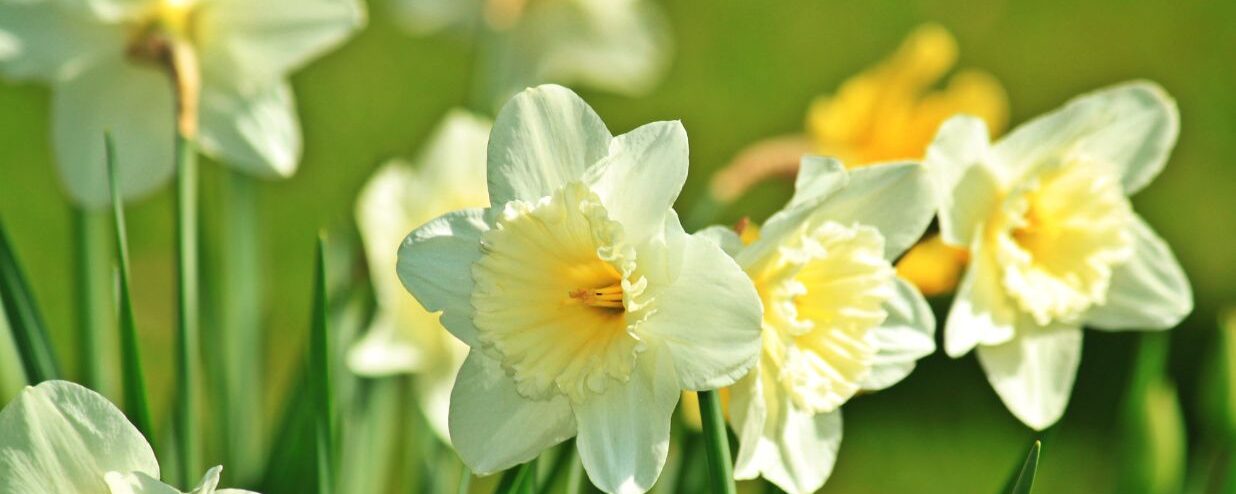


Vernal Equinox Day, also known as Shunbun no Hi (春分の日), is one of two Japanese public holidays that mark the times of the year when day and night are approximately equal in length. Shunbun no Hi is the first of two and typically falls between March 19 and March 22, hence it is often referred to as the spring equinox, too. The second equinox occurs in autumn and is called Shubun no Hi (秋分の日).
In Japan, the months of March, April, and May make up the spring season, but what makes the Vernal Equinox especially significant? In this blog, we’ll explore the dates on which the Vernal Equinox falls, its cultural and historical importance, and how you can celebrate this unique holiday!
What is Vernal Equinox Day, or Shunbun no Hi (春分の日)?
The Japanese word for Vernal Equinox Day, Shunbun no Hi, consists of three kanji. Shun (春) is a kanji character for spring, and bun (分) is an ideogram meaning “to divide”. Hi (日) means day. Put together, 春分の日 literally means “the day that divides spring.”
The Vernal Equinox marks the end of winter and the start of spring. It marks the changing of seasons, after which, days will eventually get longer while nights get shorter. Temperatures warm up, and cherry blossoms begin to bloom.
What is an ‘Equinox’?
The word equinox comes from Latin, meaning ‘equal night’. Although contrary to popular belief, the lengths of day and night are not exactly equal.
The first equinox of the year occurs in March and is called the Vernal Equinox, which indicates the end of winter and the start of spring. The second equinox of the year occurs in September and is called the Autumnal Equinox, which indicates the beginning of autumn.
Why Do Japanese People Make Vernal Equinox a Public Holiday?
The vernal (spring) equinox occurs worldwide, but Japan is one of the few countries that make it a public holiday.
This is because the vernal equinox carries deep cultural, ancestral meaning in Japan. Vernal Equinox Day was established as a national holiday in 1948. Before that, the date was marked by Shunki Koureisai (春季皇霊祭), a Shinto imperial ceremony honoring the spirits of deceased emperors and their ancestors. After World War II, Japan’s new constitution required a separation of religion and state, so the holiday was reframed in secular terms. This pattern is applied to several other Japanese holidays of Shinto origin, such as the National Foundation Day and the Emperor’s Birthday!
It marks the arrival of spring and a moment of natural balance, when day and night are roughly equal in length. This resonates strongly with the Japanese appreciation for harmony with nature and the changing of seasons.
When Exactly is Japan’s Vernal Equinox?
The date of Vernal Equinox Day happens between March 19 and March 22. The date changes each year slightly because it is based on astronomical calculations rather than a fixed calendar date. The exact date of Vernal Equinox Day is officially declared in February of the previous year. For example, the 2026 Vernal Equinox is announced and decided on February 2025!
The equinox occurs at the exact moment when the sun crosses the celestial equator, moving from south to north. This precise moment doesn’t fall on the same date each year because a year isn’t exactly 365 days. It’s approximately 365.24 days. To keep the calendar in sync with the sun, Japan uses the Gregorian calendar with leap years. The extra day every four years shifts the equinox slightly on the calendar.
Check out the schedule for Japan’s Vernal Equinox Day from 2026 until 2030!
| Year | Estimate Date | Day |
|---|---|---|
| 2026 | March 20 | Friday |
| 2027 | March 21 | Sunday |
| 2028 | March 20* | Monday |
| 2029 | March 20* | Tuesday |
| 2030 | March 20* | Wednesday |
| *Subject to change |
History of Vernal Euinox Day
The first observance of Vernal Equinox Day, also known as Spring Equinox Day, was in 1948, yet, as with many other Japanese holidays, its origins go back much further than that. Prior to WWII, this day was known as Shunki koureisai (春季皇霊祭), which was associated with Shinto. During this festival, people would pray for the deceased members of the Imperial Family and their ancestors. Due to the separation of religion from the state under Japan’s post-war constitution, this holiday had to be repackaged as the non-religious holiday it is today.
This day is part of a seven-day period known as Haru no Higan (春の彼岸), which consists of the three days before and after the equinox, along with the equinox day itself. The same can be said for the Autumnal Equinox, which also has a higan (彼岸).
Ways to Celebrate Vernal Equinox Day in Japan
1. Give gratitude to your loved ones who have passed
Perhaps the best way to spend this time is expressing gratitude to loved ones who have passed over. As per the tradition, if you have ancestors in Japan, you could tend to their graves. If not, you could ask friends if they would like any support in their families.
Typically, Japanese people will visit the grave sites of their families and clean them. They also leave offerings, typically botamochi, and also fresh flowers.
2. Watch the cherry blossoms bloom
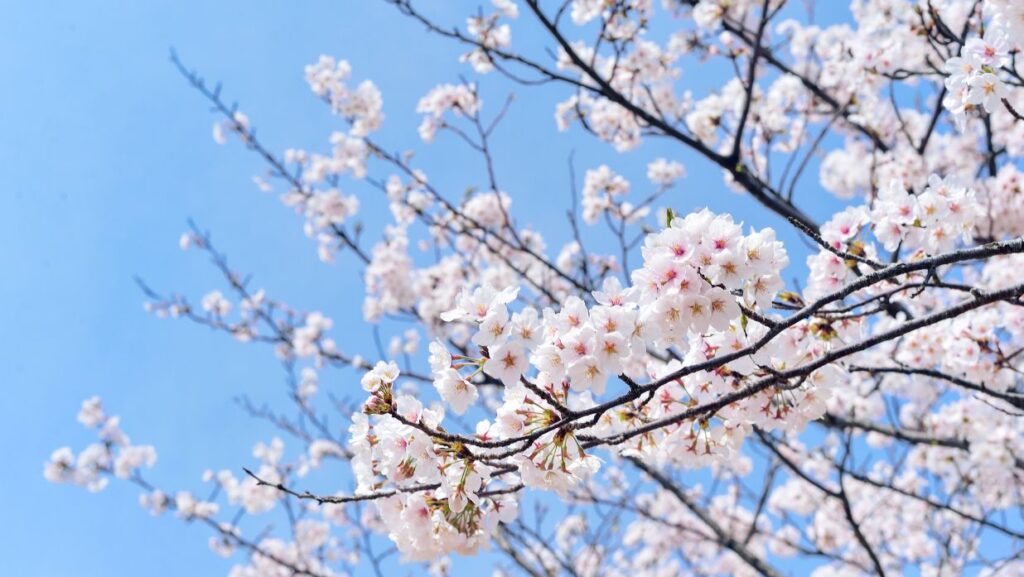
Vernal Equinox Day isn’t the only way to indicate the beginning of spring. This is the time when the cherry blossoms will start to bloom as well. For example, cherry blossoms in Tokyo typically peak around the end of March. Grab some beer or umeshu (梅酒) (and food, of course) and head down to your local park for a cherry blossom viewing, or hanami (花見) party. Three of the most popular locations in Tokyo are Shinjuku Gyoen, Chidorigafuchi Moat, and Ueno Park.
Read More: Cherry Blossom and Spring Vocabulary in Japan
3. Visit a shrine or a temple during Vernal Equinox Day
While the religious aspects of the holiday are long gone, the traditions related to the Vernal Equinox still remain. This is a good opportunity to visit a shrine or temple in Japan, as the Vernal Equinox occurs during the period in which the cherry blossoms start to bloom.
4. Eat botamochi (牡丹餅)
There isn’t really a set meal to eat on Vernal Equinox Day, but botamochi is a customary snack that people use as an offering to temples, shrines, and family grave sites. It’s made out of glutinous rice, white rice, and sweet azuki paste. While both the Vernal Equinox and the Autumnal Equinox have the same tradition of eating mochi, the version eaten during Autumnal Equinox Day is called ohagi (お萩).
They may look different at first glance, but they are actually the exact same thing. The only difference is the name, which changes depending on the season. Botamochi is named after the peony flower (botan), while ohagi is named after the Japanese clover (hagi).
It is also said that the red beans and their color are believed to ward off evil spirits, which is why these sweets are traditionally eaten during these national holidays.
5. Appreciate nature
This holiday is just about visiting the graves of your ancestors and deceased loved ones; it’s also about appreciating nature as well. What better way to do that than to go on a nature walk? We recommend going to a park or a garden such as Koshikawa Korakuen to really take in the nature around you.
What’s Next After the Vernal Equinox?
After Vernal Equinox Day, the annual spring holiday period begins, which ends at the start of Japan’s fiscal year, around April. Some people take this opportunity to have hanami parties throughout Japan to really appreciate the full bloom of the cherry blossoms.
Interested in learning more about the Japanese language and culture? Start taking Japanese lessons with us!
One of the best ways to truly appreciate Japanese culture is by learning the language! Now, you can learn Japanese with fun, flexible lessons at Coto Academy, Tokyo and Yokohama’s leading Japanese language school.
Whether you’re interested in intensive courses or part-time lessons, Coto Academy offers small classes of just 8 students, providing professional tutoring from expert native teachers. Immerse yourself in the language and culture while enjoying a personalized learning experience. Ready to get started?
Fill in the form below for a free Japanese level check!
FAQ
Will shops still be open on Vernal Equinox Day?
Just like any public holiday in Japan, public institutions, such as government buildings, post offices, and banks will be closed on Vernal Equinox Day. Most shops and restaurants will still be open on that day, however.
How is Vernal Equinox Day celebrated in Japan?
Most Japanese people celebrate Vernal Equinox Day by visiting and tending to the graves of their ancestors. The religious aspects of the holiday might be gone, but the traditions still remain.
What are some common foods eaten during the Vernal Equinox in Japan?
There isn’t a specific food made for the Vernal Equinox in Japan, but botamochi (牡丹餅) is a customary snack that is mainly used for offerings at gravesites.
Interested to find out more about Japanese holidays? Make sure to read our guide on:
- Guide to 2026 National Holidays in Japan
- What is Japan’s Silver Week?
- New Year’s Day (元日): A Time for Tradition
- Culture Day: The Holiday that Commemorates Peace