



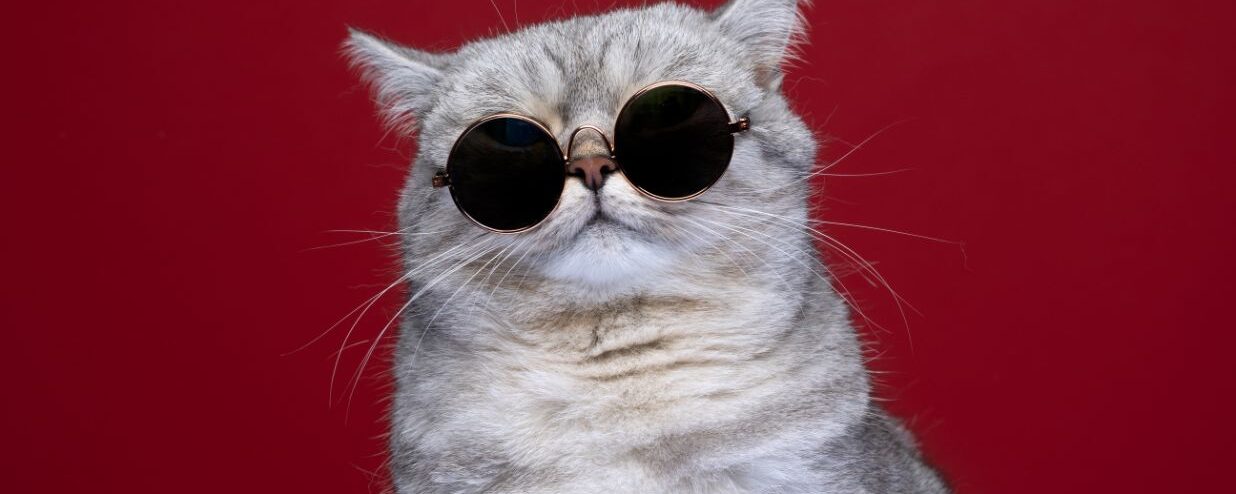


Have you heard of the term kakkoi (かっこいい)? When you step onto the streets of Tokyo, the fashion alone is enough to stop you in your tracks. You might constantly find yourself doing a double-take at the effortless style surrounding you. In English, you might instinctively reach for a phrase like, “Oh my God, that’s so cool!” or “They look amazing!” But if you want to sound like a local while expressing your admiration, there is one essential word you need to master: Kakkoii (かっこいい)!
While kakkoi (かっこいい) is most often translated as “cool,” “handsome,” or “stylish,” it carries a broader energy than those English words. It’s not just about looking good; it’s about a certain “vibe” or charisma that makes someone — or something — stand out from the crowd.
Meaning and Kanji of かっこいい (Kakkoi)
The word kakkoi itself is comprised of 2 parts: 格好 (かっこう), read as kakkou, and いい, read as ii. The former refers to the “appearance” of someone or something, whereas the latter is an adjective used to describe something as “good”. When put together, these two words form kakkoi, which would be used to describe someone or something as “good looking” or “cool”.
You can use kakkoi for someone’s physical appearance or something cool. The bottom line is that this word is used only to describe a known physical or visual presence rather than a situation. For example, if you notice that your friend bought a new phone, you can say:
かっこいい携帯電話を持っていますね
Kakkoi keitai denwa o motteimasu ne.
You have a cool phone!
You can also use this word when someone you know behaves in a way that is cool and admirable. For example, when your friend does a backflip, you can say: かっこい (kakkoi). In this case, you can also compliment him by saying, すごい (sugoi)!
While you’ll usually see it in hiragana, you can also write かっこいい in katakana as カッコいい. Technically, katakana is reserved for foreign loanwords, but in modern Japanese, it serves another purpose: to emphasize. Much like using italics or all caps in English, switching to katakana makes the word pop off the page. It gives the word a sharper, more “graphic” feel that matches the energetic nature of the compliment.
Start learning Japanese with Coto Academy!
Opposite of かっこいい (Kakkoi)
So what would be the antonym for the word かっこいい (kakkoii) then? Well, it can be either of the following two:
1. かっこよくない (Kakkoyokunai)
This is the standard, grammatically correct way to say something isn’t cool. As we discussed, kakkoii comes from ii (good). To make it negative, we conjugate the ii into yokunai (not good). This is relatively safe. It’s a factual observation. You might use this when looking at a pair of shoes that don’t quite fit your style or describing a movie that didn’t live up to the hype. Japanese people often have an indirect way to say no, so this is a “soft” rejection.
2. かっこ悪い (Kakkowarui)
If you’d like to sound more crude and brutal, then the latter would be your best bet. “Warui” (悪い) is often used to describe something as bad or distasteful. By putting it together with “wakko”, we’d get the word “kakkowarui”, which is used to describe someone’s appearance as ugly.
Kakkoi Sentence Examples
After all that babbling on the meaning of the kakkoi , let’s now take a look at how to go about using the word itself in a conversational context. Below are a few scenarios in which the word “kakkoii” would be deemed appropriate for use:
1. When you see someone/something that sparks your interest
Use this when you see a person or an object that immediately catches your eye. Adding “ne” at the end invites the person you are with to agree with you.
あの車、かっこいいね!
Ano kuruma, kakkoii ne!
That car over there looks cool, doesn’t it!
2. When you’d like to bring the attention of others to something you own
When you want to draw attention to something you own and get a compliment, use “desho?” (Right?). It’s a slightly playful way to seek validation for your style.
ねえ、私の車、かっこいいでしょ?
Romaji: Nee, Watashi no Kuruma, Kakkoii desho?
English: Hey, do you think my car looks cool?
3. When you’d like to describe the appearance of something in general
If a friend shows up looking sharper than usual, this is a great way to break the ice and acknowledge their effort.
お、そのスーツかっこいいね、どうしたの?!
Romaji: Oh, sono suutsu kakkoii ne!
English: What’s up with you and that cool suit?
When Not to Use かっこいい (Kakkoii)
One of the most frequent traps for English speakers is using kakkoii as a catch-all for anything “good,” much like how we use “cool” in English. However, in Japanese, kakkoii is almost exclusively reserved for physical appearance or admirable character. Using it to describe a plan or a situation can lead to some very confusing interactions.
Take a look at this conversation to see where things go wrong:
Person A
後でカラオケはどう?
Ato de karaoke wa dou?
How about karaoke after this?
Person B
いいよ!
Ii yo!
Sure!
Person A:
かっこいい!
Kakkoii!
Handsome/Cool!
In this context, Person A isn’t saying “That’s a cool plan.” Instead, they are essentially telling Person B, “You look so handsome for saying yes!” It feels out of place and far too dramatic for a simple social invitation. In this case, we would reply with “いいね!” rather than “かっこいい!” if we wanted to say something like “Cool!”
To help you choose the right word for the right moment, refer to the table below for a quick rule of thumb.
| Context | English Meaning | Correct Japanese |
| A person’s outfit | “That’s cool!” | かっこいい! (Kakkoii!) |
| A sleek car | “That’s cool!” | かっこいい! (Kakkoii!) |
| A plan to meet up | “That’s cool!” | いいね! (Iine!) |
| A movie suggestion | “That’s cool!” | いいね! (Iine!) |
Variations of Kakkoi
While かっこいい (kakkoii) is the standard form, you will hear several variations in daily life that change depending on the speaker’s gender, age, and the level of excitement they are feeling. This is similar to how the word すごい (sugoi) is said as スゲー (sugee) by Japanese people when they are a little too excited.
1. かっけー (Kakkee)
This is especially common among young people, where the vowels are “broken” to create a much punchier sound. The final ii is dropped and transformed into a long ee sound, resulting in かっけー (kakkee).
2. かっこよ (Kakkoyo)
This is an abbreviated version that has gained popularity on social media platforms like Instagram and X (formerly Twitter). It functions as a quick, “staccato” reaction.
3. かっこよすぎる (Kakkou-yosugiru)
If you see something so impressive that it actually shocks you or leaves you at a loss for words, the standard kakkoii might not be enough. In these moments, Japanese speakers use かっこよすぎる (kakkoyosugiru). This expression combines the adjective kakkoii with the suffix sugiru, which means “to exceed” or “to do something too much.” In English, this translates most closely to being “way too cool” or “excessively handsome.”
You might see the phrase かっこよすぎて無理 (kakkoyosugiru te muri), which literally means, “They are so cool I can’t even,” expressing a sense of being paralyzed by admiration.
Master Modern Slang and Japanese at Coto Academy
Navigating the world of Japanese slang can be a challenge, but it is the key to truly connecting with people in Tokyo. At Coto Academy, we teach you the “living” Japanese used in everyday life, from the trendy streets of Shibuya to the bustling business hubs of Shinjuku. Join our beginner-friendly community and start speaking Japanese with authentic style.
Want to study Japanese with us?
FAQ
What does “kakkoi” mean?
“Kakkoi” (more commonly kakkoii / かっこいい) means cool, stylish, or good-looking in Japanese. It’s used for people, fashion, behavior, ideas—basically anything with strong “cool vibes.”
Is “kakkoi” used for men or women?
Traditionally, it’s used more for men or masculine traits, but in modern Japanese it’s used for any gender—especially for fashion, confidence, or attitude.
Is “kakkoi” casual or formal?
Very casual. You’d use it with friends, online, or in everyday conversation—not in formal business writing or speeches.
How is it spelled correctly?
The full and correct form is:
- かっこいい (hiragana)
- カッコイイ (katakana)
- kakkoii (romanized)
“Kakkoi” is an informal or shortened version you’ll see online, in branding, or casual speech.