



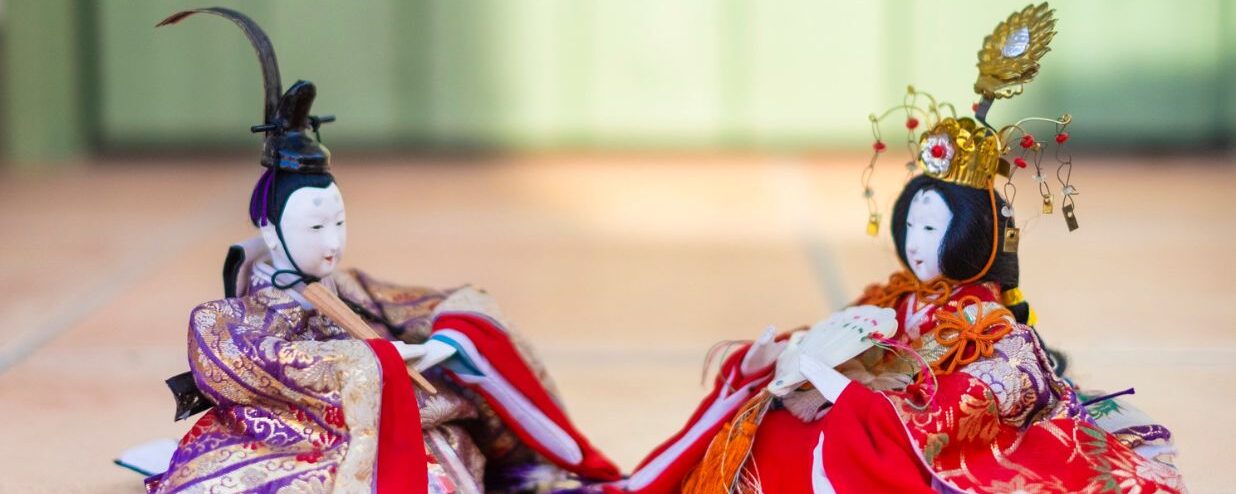


Although the Japanese monarchy still exists, its role today is largely symbolic—much like the royal family in the United Kingdom. Even so, the Imperial Household continues to observe important traditions, including the celebration of the reigning emperor’s birthday. This occasion is marked by a national holiday known as the Emperor’s Birthday (天皇誕生日, Tennō Tanjōbi).
Under the current emperor, Naruhito, the holiday falls on February 23 each year. The date changes with each new emperor, as it always corresponds to the birthday of the reigning monarch. Since 2020, February 23 has been officially recognized as a public holiday in Japan.
For those hoping to catch a rare glimpse of the monarchy while also exploring the inner grounds of the Imperial Palace, February 23 is an ideal time to visit. The palace grounds are open to the public on the Emperor’s Birthday, offering a unique opportunity to see members of the Imperial Family in person.
What should you do during this national holiday? Let’s read more to find out!
What is the Emperor’s Birthday?
The Emperor’s Birthday, or Tennou Tanjoubi (天皇誕生日), is a national holiday in which they celebrate the reigning Emperor’s birthday. On this occasion, people head to the Imperial Palace to see the Emperor in person, who will give a short address expressing his gratitude to those who visited.
This is one of the only two holidays during the year when the inner grounds of the Palace are open to the public, the other holiday being New Year’s Day.
Want to study Japanese with us?
When is the Emperor’s Birthday?
The Emperor’s Birthday depends on the current reigning emperor. Every time a new emperor ascends, Japan enters a new period. As of 2026, the current Japanese monarch is Emperor Naruhito, whose birthday is on February 23. His ascension to the throne is a bit more unique compared to his predecessors. Traditionally, the Japanese emperor is expected to rule until death.
In 2016, the former emperor, Emperor Akihito, announced via NHK that he was abdicating. An abdication within the Imperial Family had not occurred since Emperor Kokaku in 1817. The process took several years, which involved a bill that would allow Akihito to abdicate, issued by the Cabinet of Japan. Emperor Naruhito became the 126th emperor in 2019, consequently changing the Emperor’s Birthday from December 23 to February 23.
Here’s a breakdown of the different dates the Emperor’s birthday was celebrated:
| Period/Emperor | Reign | Birthday |
|---|---|---|
| Meiji (明治) | (1868-1912) | November 3rd |
| Taisho (大正) | (1912-1926) | August 31st (1912-1913) (actual birthday), October 31st (1914-1926) |
| Showa (昭和) | (1926-1989) | April 29th |
| Heisei (平成) | (1989-2019) | December 23rd |
| Reiwa (令和) | (2019-present) | February 23rd |
The time period in which an emperor reigned is assigned a specific era; for example, the Showa era and Meiji era are among the most recent. Since 2019, Japan has been under the Reiwa Era. The kanji is written as “令和”, which means “beautiful harmony”. Check out our blog on how to convert a Western year to a Japanese year.
In 2025, Emperor’s Birthday on February 23 falls on a Sunday, so it was observed and turned into a holiday on Monday, February 24. Check the dates of the Emperor’s Birthday from 2026 to 2030 below.
| Year | Date | Day of the Week |
|---|---|---|
| 2026 | February 23 | Monday |
| 2027 | February 23 | Tuesday |
| 2028 | February 23 | Wednesday |
| 2029 | February 23 | Friday |
| 2030 | February 23 | Saturday |
History of the Emperor’s Birthday
Historically, Japan has always celebrated its Emperor’s birthday. The earliest record is in the 7th century, where the country celebrated Emperor Konin’s reign.
While the Emperor’s Birthday was established during the Meiji Restoration (1868-1912), the public holiday associated with it is a product of Japan’s post-war constitution. It was originally connected to April 29 (the birthday of Emperor Showa), but it moved to December 23 when Emperor Akihito succeeded him. Funnily enough, though, April 29 has remained a public holiday, albeit under a different name: Showa Day, which marks the start of Golden Week.
Read More: How to Say Happy Birthday in Japanese
Japan’s Unique Monarchy System
The Japanese word for the emperor is Tenno (天皇), which literally means “heavenly sovereign”. This fitting description aligns well with the myth of Japan’s first emperor, Jimmu, who was believed to be a descendant of the Sun Goddess, Amaterasu.
Although Emperor Jimmu’s connection to the sun may be ambiguous, the duration of Japan’s monarchy isn’t. The Imperial Family is regarded as the world’s oldest continuous hereditary monarchy, reigning for over 1500 years.
Their crest and official seal are a 16-petaled chrysanthemum (kiku), which appears on the front cover of Japanese passports and on the ¥50 coin.
However, in Japan, the title for the head of state is merely a matter of convention, making the role more similar to that of the Queen of the United Kingdom.
After WWII, the emperor relinquished governmental power and political engagement, becoming “the symbol of the State and of the unity of the people”.
King vs. Emperor?
Most of us are pretty familiar with the terms, king and queen, but out of all 43 countries with a monarchy, Japan is the only country to have an emperor and empress.
So, what is the difference between the two? An emperor can be thought of as the “king of kings”, whilst an empress is the “queen of queens”. It follows that historically, emperors and empresses would possess more power than kings and queens. However, in Japan’s case, the name for the head of the monarch is merely a difference of titles, making the function more similar to the King of the United Kingdom.
How is the Emperor’s Birthday Celebrated?
In the week leading up to the Emperor’s Birthday, many Japanese people send letters to the Emperor. Some of these letters can be personal, as they might have been directly impacted by him.
Every year since the start of the Reiwa Era (with the exception of 2020-2022 due to the COVID-19 pandemic), Emperor Naruhito and Empress Masako, along with other family members, appear at the palace balcony to welcome tens of thousands of people to the Imperial Palace grounds. In turn, the monarchy is greeted by their waving visitors with Japanese flags, before they are ushered into the building for a tour of the inner grounds.
Things to Do During the Emperor’s Birthday in Japan
Of course, a visit to the Imperial Palace is recommended on the Emperor’s Birthday, as access to the inner grounds of the Imperial Palace will be open only on that day. While admission to the Imperial Palace on that day will be free, we recommend that you arrive early, as there will be large crowds of visitors waiting to give the Emperor their well-wishes.
At 9:30 am, the palace gates will be open to the public. Visitors will also be given a Japanese flag to wave around when the Emperor and his family make their first appearance at around 10:20 am at the Chowa-Den Hall balcony. They will then make their second appearance at around 11am, then their third appearance at 11:40am.
In addition, you will also have the opportunity to sign the Greeting Book in the afternoon, located in front of the Imperial Household Agency Building.
If you want to visit the Imperial Palace without taking part in the celebrations, we recommend visiting the East Gardens. However, since the gardens will be closed on the Emperor’s Birthday, we recommend going there a day before.
Conclusion: The Emperor’s Birthday is a Significant Holiday in Japan.
The Emperor is a significant figure in Japan, and as such, his birthday became one of the most important national holidays in the country. Many visitors come to the Imperial Palace in Tokyo to give their congratulations to the Emperor on this occasion.
Unlock Japan’s Culture with Coto Academy
Understanding the legacy of the Emperor’s Birthday is just the beginning. To truly experience Japan, you need the language to match. At Coto Academy, we bridge the gap between cultural history and real-world conversation, giving you the skills to navigate life in Japan with ease.
Join 15,000+ students who have turned their passion for Japan into fluent, confident Japanese. Study Japanese in Shinjuku, Shibuya, Yokohama, or online.
Ready to start? Book your free level check and join us today!
FAQ
Is the Emperor’s Birthday a national holiday?
Yes, the Emperor’s Birthday is a national holiday in Japan. If the Emperor’s Birthday falls on a Sunday, then the holiday will be observed on a Monday.
Are things closed on the Emperor’s Birthday in Japan?
Public institutions, such as schools, government buildings, and post offices, are closed on the Emperor’s Birthday. Bank counters will also be closed as well, though most shops will stay open.
What happens in Japan on the Emperor’s Birthday?
The Emperor and his family will make an appearance at the Imperial Palace, where he will give his gratitude to visitors.
What happens on the Emperor's Birthday in Japan?
The main event is the Ippan-sanga (General Public Visit) at the Tokyo Imperial Palace. The Emperor, Empress, and other members of the Imperial Family make several appearances on the palace balcony to greet thousands of well-wishers waving Japanese flags. It is one of only two days a year (the other being January 2nd) when the public is allowed into the inner grounds of the palace. In the afternoon, visitors also have the chance to sign a congratulatory greeting book.
Why is 77 a special birthday in Japan?
The 77th birthday is called Kiju (喜寿), or the “Happy Age.” It is part of the Kanreki (longevity) traditions. It is special because of the way the kanji for “happiness” (喜) is written in cursive style. It looks like the characters for 77 (七十七).