



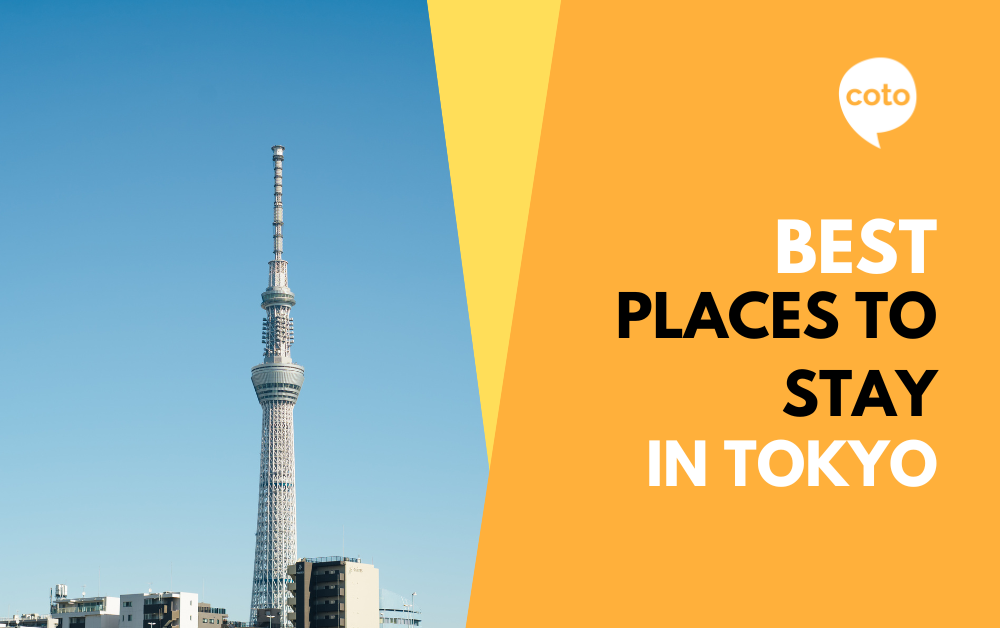


In a big city, it can be overwhelming to choose where to stay in Tokyo, especially if you travel to the city for the first time.
One of the most important things is that the place should be convenient to travel in, as you will use a lot of public transportation.
Whether you like to enjoy the traditional culture, eat local food, or experience the nightlife, there are several areas to stay in Tokyo that you can choose from that are suitable for your traveling lifestyle. Read on to discover the best places to stay in Tokyo!
Shinjuku
When talking about Tokyo, the name “Shinjuku” has always been brought u,p as this area is the heart of Tokyo. Shinjuku has everything to offer—big department stores, local restaurants and bars, and tons of nightlife.
Here you can see and do everything from spending tons of money on crane game arcades to taking a video of the 3D cat on the screen, being blinded by the neon light in Kabukicho, and drinking in the tiny local bars in the famous Golden Gai alleyways.
Moreover, Shinjuku is one of the biggest stations in Tokyo with a lot of metro, bus, and train connections, so it’s extremely easy to go anywhere in or outside of Tokyo.
Con: Shinjuku can be crowded and noisy, especially at night when people come out to drink, especially around the Kabukicho area.
Check out: Shinjuku or Shibuya — Which One is Better?
Where to Stay:
Keio Plaza Hotel (¥¥¥)
This gigantic luxurious hotel is on the west side of Shinjuku with many facilities and tons of restaurants inside.
Super Hotel Shinjuku Kabukicho (¥)
If you are looking for nightlife and local izakaya restaurants, this hotel is located right in the heart of the Kabukicho district.
Book and Bed Tokyo (¥)
With the concept of a bookstore where you can sleep, this capsule hotel is for people who like a cozy and quiet atmosphere.
Other accommodations: Park Hyatt Tokyo (¥¥¥), Shinjuku Prince Hotel (¥¥), Hotel Sunroute Plaza Shinjuku (¥¥), Hotel Gracery Shinjuku (¥¥), APA Hotel Shinjuku Kabukicho (¥), and many more.
If you want to learn Japanese in Shinjuku, check out fun, flexible lessons at Coto Academy Shinjuku!
Shibuya
Shibuya is another one of the most famous areas in Tokyo, which also offers everything you can think of. Besides big department stores, cute cafes, and tons of local restaurants and bars, Shibuya also has many well-known tourist attractions that travelers have to come to, otherwise it won’t feel like you have arrived in Tokyo, such as the famous Shibuya Crossing and a statue of Hachiko.
Also, there are also newly-open attractions such as Miyashita Park and Shibuya Scramble Square. Shibuya is also extremely convenient as there are so many metro, bus, and train connections. Moreover, you can easily walk to another famous area like Harajuku within 10 minutes.
You can visit the important Meiji Shrine as well as enjoy trendy fashion shops, second-hand clothes stores, cute cafes, and tons of high-end stores along Omotesando Road.
Check out: Things to do in Shibuya
Con: Shibuya can be extremely crowded during both day and night as the locals and tourists visit the area in daytime for shopping and eating, while many people will stop by at night (sometimes until morning) for a drink.
Want to study Japanese in Shibuya?
Where to Stay:
Shibuya Excel Hotel Tokyu (¥¥¥)
A luxurious hotel right in the middle of Shibuya with a beautiful view of the entire neighborhood.
Trunk Hotel (¥¥¥)
Located between Shibuya and Harajuku, this boutique hotel has a different concept for each room.
Dormy Inn Premium Shibuya Jingumae (¥¥)
Located near Meiji Shrine and Omotesando, the hotel also offers sento or a public bath.
Other accommodations: Cerulean Tower Tokyu Hotel (¥¥¥), Shibuya Granbell Hotel (¥¥), Shibuya Hotel EN (¥¥), JR-East Hotel Mets Shibuya (¥), Mustard Hotel (¥), and many more.
Marunouchi
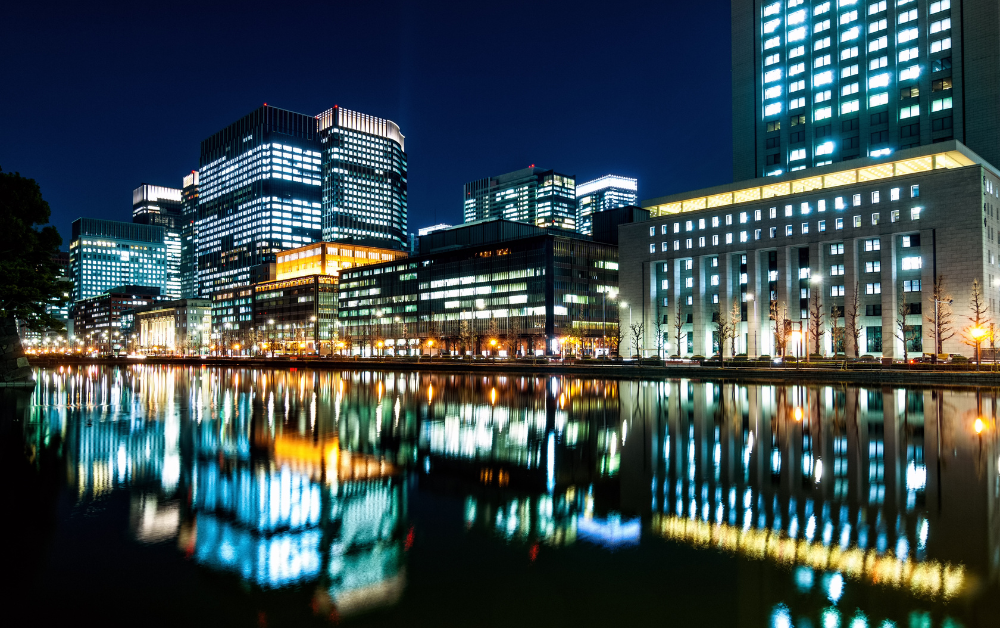
As the name suggests, Marunouchi, or “inside the circle,” is situated between Tokyo Station and the Imperial Palace and used to be a home for feudal lords.
Nowadays, Marunouchi has become Tokyo’s business district with a lot of tall office buildings, shopping malls, restaurants, and museums, with the atmosphere of a modern town.
There are several stations within this area and within walking distance, such as Tokyo, Yurakucho, Hibiya, Otemachi, Nihombashi, and even Ginza stations, so it’s very convenient to go anywhere and visit many museums as well as the Imperial Palace itself.
Con: The accommodation in this area can be expensive. Moreover, Marunouchi has a modern vibe, so it might not be suitable for someone who wants to completely immerse themselves in a very traditional Japanese atmosphere.
Where to Stay:
Palace Hotel Tokyo (¥¥¥)
A luxurious 5-star hotel has plenty of services, restaurants, and is located across the Imperial Palace.
The Tokyo Station Hotel (¥¥¥)
The hotel is right at the Tokyo station with beautiful European architecture and interior design.
Hotel Metropolitan Tokyo Marunouchi (¥¥¥)
Another luxurious hotel in this area, where you can see the beautiful view of Tokyo right from your window.
Other accommodations: Four Seasons Hotel Tokyo at Marunouchi (¥¥¥), Shangri-La Tokyo (¥¥¥), Ascott Marunouchi Tokyo (¥¥¥), Hotel Ryumeikan Tokyo (¥¥), Marunouchi Hotel (¥¥,) and many more.
Ginza
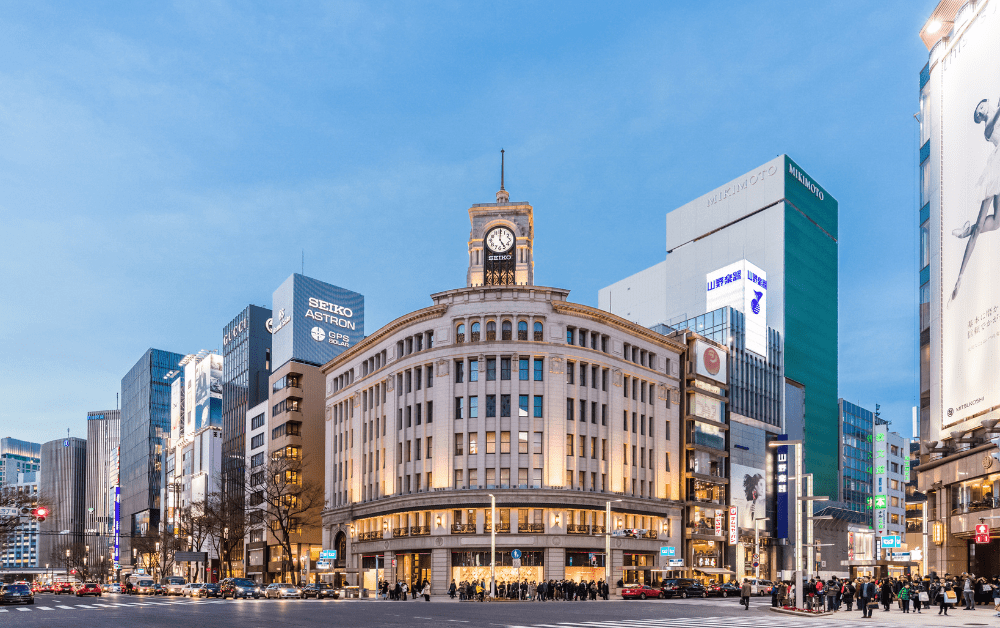
This area is known for its luxurious vibe, modern architecture, and high-end brand shops. Even though Ginza has an expensive vibe, there are also affordable accommodations, shops, and restaurants.
It’s fun to actually shop or do window shopping, especially on the weekend when they close the traffic and turn the whole main road into a walking street. Ginza Station also has many train lines, and it isn’t too far from the Marunouchi area, so you can travel around quite easily.
Con: Ginza can be a bit pricier than in other areas. Moreover, there is no JR line at Ginza Station, so if you have a JR Rail Pass, it might not be very convenient.
Check out: Alternative Neighborhood to Visit Besides Shibuya
Where to Stay:
Imperial Hotel Tokyo (¥¥¥)
A historical hotel dating back more than 100 years, with a view of a beautiful Imperial Palace Garden.
Muji Hotel Ginza (¥¥)
A hotel with a minimal and simple concept of Muji, a famous Japanese retailer brand with a no-logo, no-brand policy.
APA Hotel-Ginza Takaracho (¥)
Located near Takaracho station, this hotel is convenient for going around the Ginza area.
Other accommodations: Mitsui Garden Hotel Ginza Gochome (¥¥), Tokyu Stay Ginza (¥¥), Daiwa Roynet Hotel Ginza Premier (¥¥), The Gate Hotel Tokyo by Hulic (¥¥), Sotetsu Fresa Inn Ginza-Sanchome (¥) and many more.
Asakusa
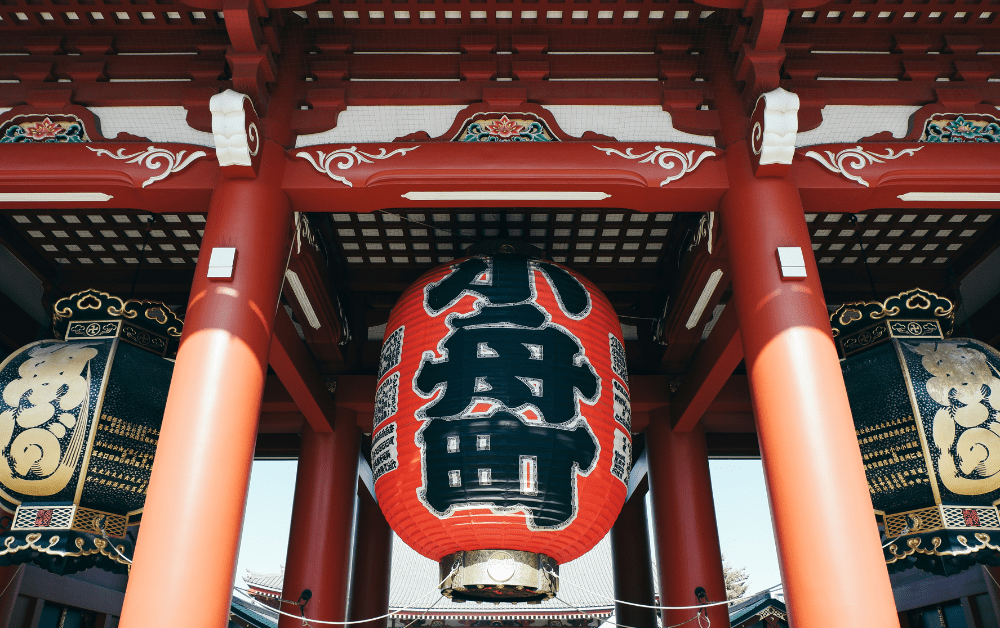
If you are planning to fully immerse yourself in Japanese traditional culture, Asakusa is an area for you. The heart of Asakusa is the Senso-ji temple, one of the most famous temples in Japan.
The whole neighborhood is rich in historical atmosphere, as you can easily spot people draped in a kimono strolling the area in a rickshaw with traditional architecture in the background, with a contrast of the modern Tokyo Sky Tree. Moreover, there are so many local restaurants and a direct train to both Narita and Haneda airports.
Con: Asakusa is a famous tourist area, so it can be very crowded, especially during the daytime.
Where to Stay:
Asakusa View Hotel (¥¥¥)
As the name suggests, this hotel has a nice view of Senso-ji temple grounds as well as the famous Tokyo Sky Tree.
Onyado Nono Asakusa Natural Hot Spring (¥¥)
Located nearthe Senso-ji temple, you can enjoy indoor and outdoor onsens while staying in this hotel.
Taito Ryokan (¥)
A small traditional ryokan or Japanese-style inn might be a perfect place if you want to immerse yourself in the Japanese atmosphere.
Other accommodations: Hotel Gracery Asakusa (¥¥), Richmond Hotel Premier Asakusa International (¥¥), Nui. Hostel and Bar Lounge (¥¥), Asakusa Tobu Hotel (¥¥), Asakusa Ryokan Toukaisou Hotel (¥), and many more.
Ueno
Another area that travelers should consider staying in is Ueno, as the station is big and well-connected to airports and many tourist places within and outside of Tokyo.
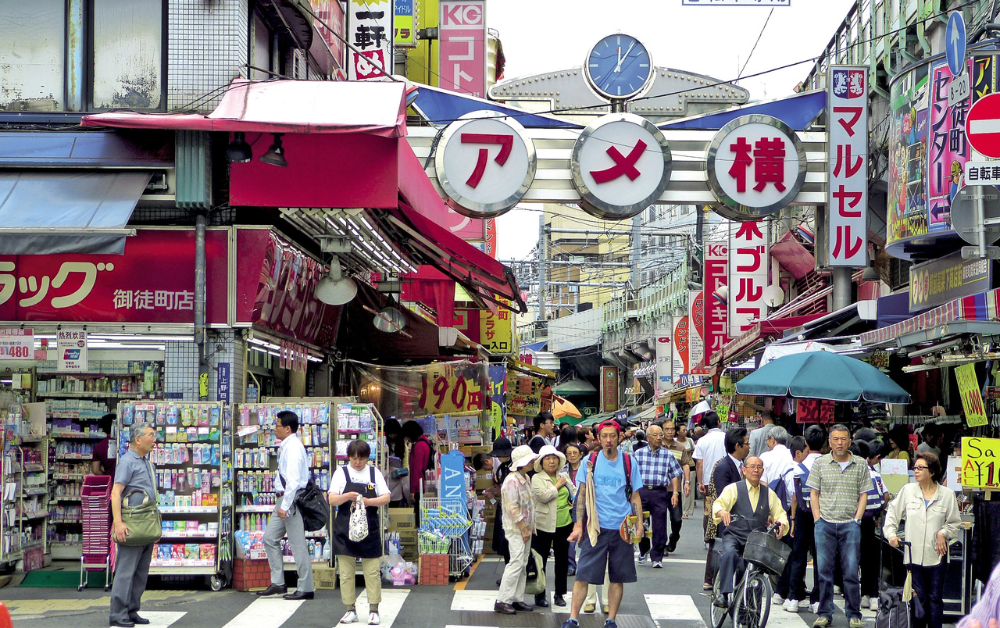
This area also has a gigantic Ueno Park, which is known for its beautiful rows of sakura trees in spring. There are also many museums and art galleries, as well as Ameyoko, a shopping market filled with cheap shops and local izakaya restaurants.
From Ueno, you can also easily walk to the famous Akihabara, a shopping hub for electronics, manga, anime, games, and idols.
Con: Ueno can be very crowded, especially in spring when people come to Ueno Park to do hanami or cherry blossom viewing.
Where to Stay:
Mimaru Tokyo Ueno North (¥¥¥)
If you are a family or a group of friends who plan to stay in Tokyo, this hotel has a kitchen equipped in each room.
Nohga Hotel Ueno Tokyo (¥¥)
This boutique hotel focuses on the neighborhood, as you can see art exhibitions, buy products from local artists, and ask staff for recommendations for workshops nearby.
Grids Tokyo Ueno Hotel + Hostel (¥)
This hostel is located very close to Ueno Station and provides both private rooms and dormitories.
Other accommodations: Hotel Resol Ueno (¥¥), Hotel Sardonyx Ueno (¥), Tosei Hotel Cocone Ueno (¥), APA Hotel Keisei Ueno Ekimae (¥), Best Western Hotel Fino Tokyo Akihabara (¥) and many more.
Shinagawa
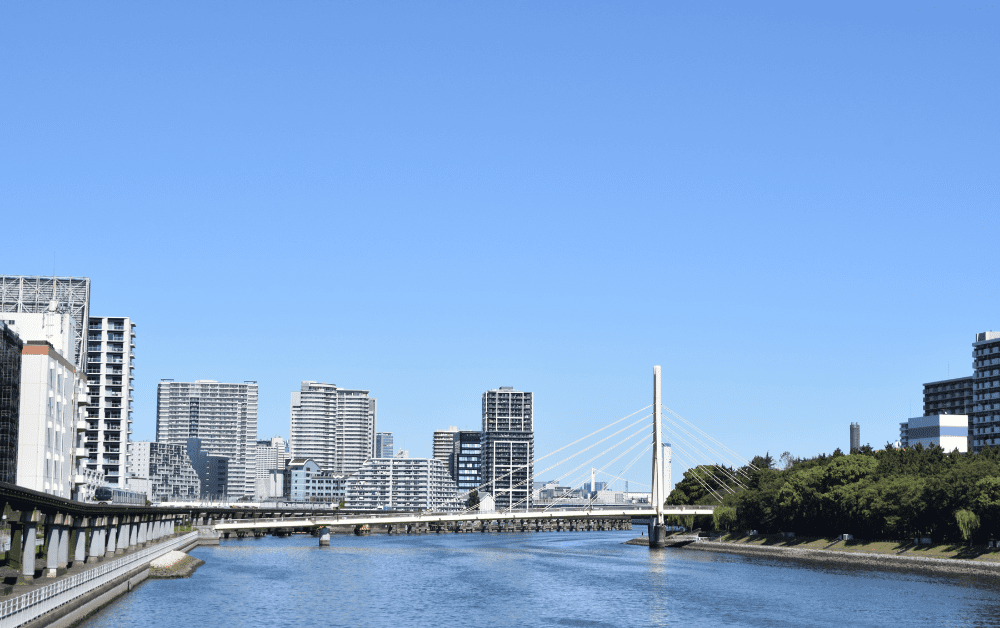
Shinagawa isn’t exactly a tourist area, as it’s more like a business district with tall buildings. However, transportation-wise, Shinagawa is one of the perfect places as the station is big with many metro and train connections.
At Shinagawa station, you can directly go to both Narita and Haneda airports, take JR lines to go across Tokyo, and travel to many places in Japan with Shinkansen, such as Sendai and the Izu Peninsula.
Con: As Shinagawa is a business district, the trains and the station can be extremely crowded during rush hour. Moreover, it might not have as much nightlife as other busier areas like Shinjuku or Shibuya.
Where to Stay:
Bamba Hotel Tokyo (¥¥¥)
This hotel has been renovated from a traditional Japanese townhouse with a mix of Western and Japanese atmospheres.
Shinagawa Prince Hotel (¥¥)
This hotel offers many forms of entertainment, including an aquarium, a movie theater, and a bowling alley.
Ours Inn Hankyu (¥)
Located near Oimachi station, Ours Inn is a business hotel with various room types, including a female-only floor.
Other accommodations: Tokyo Marriott Hotel (¥¥¥), Mitsui Garden Hotel Gotanda (¥¥), New Otani Inn Tokyo (¥), Tokyo Bay Ariake Washington Hotel (¥), Shinagawa Tobu Hotel (¥), and many more.
Stay in Tokyo Like a Local by Learning Japanese with Coto Academy
Choosing the right place to stay in Tokyo is about more than comfort and location—it’s also about how deeply you experience the city. One of the best ways to live like a local during your stay, whether you’re in a budget hostel or a luxury hotel, is by learning a bit of Japanese while you’re here.
If you’re traveling for a short time, Coto Academy makes learning Japanese easy and flexible. With school locations in Shibuya and Shinjuku, Coto Academy offers short-term and part-time Japanese lessons that fit seamlessly around your travel schedule. Classes focus on practical conversation, so what you learn in the classroom can be used immediately outside.
If you want to study Japanese in Shibuya, Shinjuku, or three of our other school locations in Tokyo and Yokohama, fill out the form below (or contact us here), and our staff will get in touch!
Is Coto Academy located in Shibuya?
Yes, Coto Academy has a physical school in Shibuya, which opened in 2023. The school is known for its beginner-friendly, flexible Japanese lessons for short-term visitors, residents, and working professionals in Japan.
How much do hotels cost in Tokyo?
It mostly depends on the area you choose, the type of accommodation, and the time of your trip. The Marunouchi area can be very expensive, as 5-star hotels can cost more than 100,000 yen/ per night. On the other hand, there are many budget hotel chains such as APA Hotel, Super Hotel, Dormy Inn, and more across Tokyo.
Can you stay overnight at a love hotel?
Many tourists want to stay at a love hotel as it’s an interesting experience, plus the price is quite low. You can stay at a love hotel; however, you must be 18 or older, and some places might not welcome solo travelers or groups of more than 2 people. Moreover, you might have to check in and check out every day as the hotel is created for the purpose of a short stay only.
Does Coto Academy have a school in Shinjuku?
Yes, Coto Academy has a school located in Shinjuku. This will be their latest campus and fifth location. The school is set to open in April 2026.
How many locations does Coto Academy have?
Coto Academy has several schools located in Tokyo and Yokohama for in-person Japanese language learning. They have campuses in Shibuya, Iidabashi, Yokohama, and Minato. Its fifth in-person school will be in Shinjuku, set to open in April 2026.
Exploring Tokyo? Check out our guide on:
- Where to Go Besides Shibuya: Best Underrated Neighborhoods in Tokyo
- Guide to Thrifting in Tokyo
- Guide to Japanese Supermarket in Tokyo: 10 Places to Buy Food
