日本語学習アプリをお探しの方、日本語のマスターに興味がある方、日本への旅行を計画されている方、日本語のキャリアを追求されている方、あるいはただただ日本の文化に魅了されている方、いずれにせよ日本語を学ぶことはみなさんにとって豊かで実りある経験となることでしょう。

テクノロジーのおかげで、スマホで利用できる言語アプリが増え、言語学習はかつてないほど身近なものになりました。

でも、どれから始めたらいいんだろう?とお思いの方。このブログでは、コトアカデミーの先生方からお聞きしたお勧めの日本語学習アプリ・トップ30をご紹介します。

語彙のビルドアップから文法の練習、文の組み立てに至るまで、これらのアプリがあなたの日本語力を向上させるでしょう。

あなたが初級者でも上級者でも、これらのアプリはきっとあなたの言語学習の目標達成に寄与するはずです。それではさっそく日本語習得に最適なアプリをご紹介します!

日本語学習アプリを使うメリット

新しい言語を学ぶことは難しいことですが、適切なリソースやツールがあれば、短期間で大きな進歩を遂げることができます。日本語学習アプリには、あなたの学習をサポートするための様々な利点があります。

まず第一に、言語学習アプリは便利で利用しやすいものです。スマートフォンにダウンロードすれば、いつでもどこでもアクセスできます。つまり、忙しいスケジュールに合わせて、外出先でも語学学習ができるのです。

語学学習アプリのもう一つの利点は、そのインタラクティブ性です。多くのアプリでは、ゲーミフィケーションやその他のインタラクティブな機能を使って、楽しく魅力的な学習ができます。

これにより、モチベーションを維持し、語学学習のゴールに向けた取り組みができます。さらに、語学学習アプリは、個別に学習計画を立てたり、学習状況を追跡したりすることができるため、学習の進捗状況を把握しやすくなります。

語学アプリで効果的に学習するためのヒント

日本語アプリを最大限に活用するための効果的な学習のコツをご紹介します:

1、現実的な目標を設定する

語学アプリを使い始める前に、達成したい現実的な目標を設定しましょう。基本的なフレーズの習得から高度な文法の習得まで、何でも構いません。目標を設定することで、モチベーションを維持し、進捗状況を把握することができます。

2、コンスタントに練習する

継続的な練習は言語学習の鍵です。たとえ数分でも、毎日語学アプリで練習するようにしましょう。そうすることで、記憶が定着し、時間とともにスキルを身につけることができます。

3、様々な学習方法を使う

楽しく魅力的な学習を続けるために、語学アプリが提供する様々な学習方法:ゲーム、フラッシュカード、音声練習、スピーキング練習などを利用しましょう。

4、実践的な会話スキルに焦点を当てる

語学アプリを最大限に活用するには、実生活で使える実践的な会話スキルに焦点を当てましょう。例えば、食べ物を注文したり、道を尋ねたり、世間話をしたりするフレーズなどです。

日本語学習アプリ トップ 30

言語学習アプリの利点については説明しました。それでは日本語学習アプリのトップ5を紹介していきましょう!
Coto Academy

1、Learn Japanese JLPT by Coto: 日本語能力試験対策アプリ

コトアカデミーの日本語学習アプリは、日本語能力試験N3、N4、N5を目指す方にも、総合的な実力強化を目指す方にも、つまりは、まったくの初級者から中級者の方までどなたにも最適です。

このアプリの特徴は、日本語能力試験の文法、語彙、読解をカバーするフラッシュカードが網羅されていることです。これらのフラッシュカードには、過去の日本語能力試験から実際に出題された問題が含まれています。

日本語能力試験に特化したコンテンツに加え、このアプリでは、日本語の基礎的な文字学習、カタカナとひらがなをマスターするためのインタラクティブなクイズができます。これらのクイズは、かなが読めるようになると同時に発音のスキルも高め、日本語の文字の読み書きの基礎が築できるようデザインされています。

クイズが終わると、詳細な分析とフィードバックが表示されるので、自分の苦手な分野を特定し、必要な言語スキルを改善することができます。

自分のペースで学習できるので、忙しい学習者にも便利です。

2、Mondly:これから学習を始めるという初級者のために

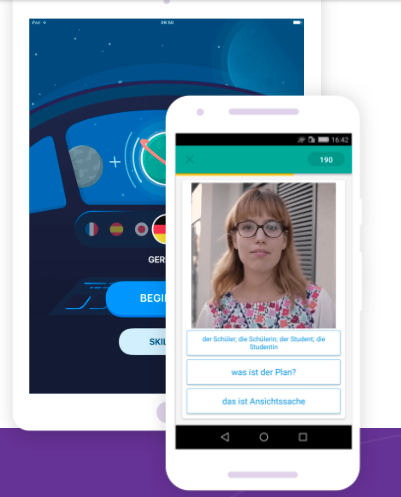
Mondlyには、学習体験を魅力的で効果的なものにするためにデザインされた様々な機能があります。Mondlyでは毎日、日本語レッスンができるだけでなく、チャットボットによる会話、音声ガイド、テストがあり、総合的に学習をすることができます。

Mondlyの際立った特徴の1つは、40以上の言語に対応していることです。つまり、母国語に関係なく、Mondlyを通じて日本語を学ぶことができます。

もしあなたの母語が英語ではなく、自分の言語的バックグラウンドに合った日本語学習アプリをお探しならば、Mondlyは最適です。

このアプリは、ボキャブラリーのビルドアップに重点を置いた無料レッスンがあり、日本語で効果的にコミュニケーションするために不可欠な単語やフレーズを着実に習得することができます。

Mondlyの特徴は、音声認識やバーチャルリアリティ体験などの革新的な機能です。音声認識では、発音を微調整し、即座にフィードバックを受けることができます。

また、バーチャル・リアリティを利用することで、没入感のあるインタラクティブな学習が可能になります。

  • Mondly
  • 開発者 ATi Studios
  • 価格 無料・プレミアムプラン $9.99/月または$47.99/年

3、Lingodeer:初中級者向け場面会話レッスン

日本語学習アプリとして高い評価を得ているLingodeerには、あなたの語学の旅をサポートする様々な機能があります。語彙と文法に重点を置いたLingodeerは、基礎を固めるのに役立つフラッシュカードコンテンツが網羅されています。

また、このアプリには音声クリップ付きのリーディングレッスンが含まれており、発音を練習してすぐにフィードバックを受けることができます。この機能は、日本語のスピーキングスキルを磨くのに非常に役立ちます。

Lingodeerの学習ヒント機能は、多様な文脈における日本語文法のニュアンスが説明されてあり、それにより学習体験値が上がります。言語とその実用的な使用法について、深い理解ができるようになるのです。

文脈に沿った学習スタイルは、日常生活に関連した語彙や文法構造を確実に習得でき、学習者は自信を持って、日本語でコミュニケーションが取れるようになります。

初級者、中級者の方で、様々な練習問題を含む文脈に沿ったレッスンを期待される方には、LingoDeerが最適です。

  • Lingodeer
  • 開発者: 株式会社リンゴディア
  • 価格: $11.99/月 $55.99/年

4、Duolingo:ゲーム化された楽しい語学学習アプリ

Duolingoは言語学習アプリ(モバイルとウェブで利用可能)で、40以上の言語コースをユーザーに提供しています。

Duolingoは「世界No.1の言語学習方法」を自称しており、文法、語彙、発音、リスニング練習を、わずかな時間でできるゲームにパッケージし、反復的なレッスンで、迅速に学習できるよう設計されています。

Duolingoは、短時間のレッスンとインタラクティブな学習方法を提供することで、学習者のモチベーションを維持します。日本語に関しては、Duolingoは日本語の語彙、ひらがな、漢字に焦点を当てています。ゲーム化されたレッスン内容は1日5分もかかりません。

Duolingoはまた、ユーザーに「ストリーク」の継続を促すことで、継続的な勉強を奨励しています。その日の学習が完了していないと通知が届き、長時間継続するとご褒美がもらえるようになっています。これは、健全な語学学習習慣を培うのに最適な方法です。Duolingoを使った日本語学習のレビューはこちらにあります。

  • Duolingo
  • 開発者:Duolingo
  • 価格:無料(有料版あり)

5、Yomiwa:漢字国語辞典

Yomiwaは、日本語の翻訳や辞書として優れたアプリです。このアプリは、すべての機能を網羅的に提供することで、日本語の読解力を強化するよう設計されています。

Yomiwaの特筆すべき機能のひとつは、日本語テキストを複数の言語に翻訳できる多言語機能です。翻訳したい漢字を写真に撮るだけで、Yomiwaが自動的に選択した言語で翻訳します。

この機能は、見慣れない漢字の意味や発音を素早く理解するのに非常に役立つでしょう。

さらにYomiwaの特徴は、ユーザーが語彙のニュアンスを学ぶことに重点を置いていることです。また、指で画面に漢字を描くことで、書く練習にもなり、漢字学習全般に役立ちます。

  • Yomiwa
  • 開発者:ノマドAI OU
  • 価格:無料

6、FluentU:中上級日本語学習者向けアプリ

FluentUは、没入型の言語体験を求める中級・上級学習者向けの究極の日本語学習アプリです。

FluentUでは、ミュージックビデオ、コマーシャル、映画の予告編、ニュースなど、本物の日本語コンテンツを紹介するリアルなビデオを通して、エキサイティングな日本語学習の旅を楽しむことができます。

このアプリの豊富なビデオコレクションは、様々な習熟度の学習者に対応できるように特別にキュレートされています。各ビデオには日本語字幕と英語訳が付いており、初心者にもわかりやすくなっています。

これにより、それぞれの単語やフレーズの意味を理解しながら、会話について行くことができます。

単語をクリックするだけで、日本語の定義や例文にすぐにアクセスできます。視聴覚学習が好きな方、文脈に沿った学習スタイルを好む方にはFluentUがお勧めです。

  • FluentU
  • 開発元:Enux Education Limited
  • 価格:月額20ドルから

7、Pimsleur:実践的な日本語の語彙と文法のレッスンのために

言語学習の専門資格を持つ言語学者と教育者によって開発されたPimsleurは、日常で使える実用的な日本語の語彙と文法を学びたい初級者に最適な日本語学習アプリです。

Pimsleurの特筆すべき特徴の1つは、ひらがな、カタカナ、漢字の読解レッスンが含まれていることです。これにより、学習者は日本語の表記システムを総合的に理解することができます。

コースは、基本的な日本語のフレーズ、語彙、文法を教えることから始まり、言語学習の基礎を固めることができます。

Pimsleurの特徴は、リスニングとスピーキングに重点を置いていることです。この能力を優先することで、学習者が日本語を理解し、効果的にコミュニケーションする能力を強化することができるのです。

特に予算制限がなく、リスニングとスピーキングを強化したい方にはPimsleurがお勧めです。

  • Pimsleur
  • 開発者 ポール・ピムスラー
  • 価格: 各レベル150ドル (各16時間)

8、Busuu:日本語スピーキング練習と実用日本語

Busuuはユーザーフレンドリーな日本語学習アプリで、レッスンはシステマティックで、学習プランはパーソナライズされます。ユーザーは、アプリで日本語を勉強する時間や期間をカスタマイズすることができます。

ひらがな、カタカナの読み方、書き方、語彙、文法に重点を置きながら、忙しいスケジュールの中でも学習を続けることができます。

レッスンは初級から上級まであります。ネイティブスピーカーとの会話機能もあります。

体系的、構造的、効率的で、話すことに重点を置いた日本語レッスンをお探しなら、Busuuは最適です。

  • Busuu
  • 開発者:Busuu Limited
  • 価格:無料・プレミアムプランは月額12ドルから

9、Tae Kim’s Guide to Learning Japanese

Tae Kim’s Guide to Learning Japaneseは、日本語の初級者から上級者までを対象とした総合的な文法ガイドです。各レッスンでは、新しい文法構造と語彙を紹介し、学習者の語学力向上をサポートします。

ゼロビギナーには、日本語の書き言葉の基本構造を理解することから始めます。

そこから、動詞や形容詞の活用を含む基本的な文法を学び、文法の基礎を固めます。

さらに上級の学習者は、日本語を理解し、使うことにさらに磨きをかけるため、ネイティブの日本語表現を扱うトピックに進むことができます。日本語コミュニケーションのニュアンスをより深く理解することができます。

  • Tae Kim’s Guide to Learning Japanese
  • 開発者:アダム・クリッチリー
  • 価格:無料

10、Renshuu:かわいいご褒美がつくゲーム化された学習アプリ

Renshuuもゲーム化された日本語学習アプリで、語彙、文法、漢字の詳細な解説がついています。このアプリの特徴は多機能なことです。

もしあなたが日本語能力試験の勉強をしているのであれば、日本語能力試験のレベルや漢字検定を選択することができます。

教科書を使う場合は、人気教材(Adventures in Japanese、Genki、Tobira、Yookosoなど)を含むリストからタイトルを選択できます。

独学で学習する場合は、自分のスキルレベル(基本語彙の理解度、会話力など)に合ったオプションを選ぶことができます。

Renshuuには6つのゲームがあります: クイックドロー、しりとりキャット、カウンターパンチ、クロスワード、しりとり、はんこメーカー。最後に、Renshuuにはコミュニティタブがあり、自分で書いた日本語の文を投稿して、日本語学習者からフィードバックを受けることができます。Renshuuを使って日本語を学習したレビューはコチラから。

  • Renshuu
  • 開発者:マイケル・ホーミニック
  • 価格:無料
top 20 best apps for learning japanese - dr. moku hiragana katakana

11、Learn Hiragana & Katakana with Dr. Moku:視覚的に学習したい人のために

もしあなたが視覚的に学びたいとお考えで、効果的な日本語学習アプリをお探しなら、Dr. Mokuの「ひらがな・カタカナ暗記帳」はいかがでしょうか。この2つのアプリは、ひらがなとカタカナを簡単にマスターできるように設計されています。

Dr.Mokuのアプリの特徴は、ユニークな学習方法です。丸暗記に頼るのではなく、各かな文字を鮮やかな絵と関連付けることで、より簡単に覚えることができます。Dr.Mokuは、ビジュアル学習が得意なあなたのためのアプリです。

top 20 best apps for learning japanese - nhk easy japanese news

12、Easy Japanese News:ニュースで学ぶ日本語

Easy Japaneseでは、世界中で起こっていることについて、関連情報を学びながら、日本語の読解力を毎日練習することができます。この言語アプリは、CNNやNHK、朝日のような他のサイトのニュースを取り込み、読みやすく言い換えています。

日本の大手ニュース出版社の日本語記事を読みたいと思ったら、おそらくここにそれがあるはずです。ニュース記事をトピック、ソース、難易度、レベル別に並べ替えることもできます。

特定の日本語を検索することもできるので、使われている日本語を見ることもできます!すべての記事にはふりがながあり、すべての漢字には日本語能力試験のレベルも表示されています。また、すべての記事に音声読み上げ機能があり、ふりがなをオフにすることもできます。

さらに、ニュース記事に登場するすべての漢字の上に、ふりがながついているので、いろいろな漢字に慣れることも可能です。

13、Mondo:日本語を学ぶ仲間を見つける

Mondoは、多様でエキサイティングな機能を提供する多機能な日本語学習アプリです。日本人の友達や日本語学習者仲間ともつながることができるだけでなく、アプリ内で日本のニュース記事を読むこともできます。

読むときは、日本語の単語をクリックすると、すぐに外部の辞書機能を使ってその意味にアクセスすることができます。

Mondoでは、単語にスターをつけたり、パーソナライズされたリストを作成したりすることで、語彙を簡単に保存・整理することができます。さらに、このアプリはユニークな「Handshake」機能を通じてソーシャルな側面を取り入れています。

これにより、アプリ内のネットワーク上の言語パートナーとつながり、ランゲージ・エクスチェンジをしたり、お互いの学習ログをみたりすることができます。

Mondoは単なる語学学習アプリではなく、文化交流やコミュニティ形成のプラットフォームとしても機能します。日本で英語リーディングアプリを開発したクリエイターたちがそのノウハウを活かし、両アプリのユーザーにマッチング機能を提供しています。

ゆっくり学びたい、新しい人と出会いたい、そんなあなたにMondoはぴったりだと思います。

  • Mondo
  • 開発者:ポリグロッツ
  • 価格:無料

14、Kanji Senpai:漢字の反復練習

Kanji Senpaiは、一度覚えた漢字は永遠に消えないというSRS(spaced repetition system)を採用しています。一度覚えた漢字は永遠に消えることはありません。

Kanji Senpaiは、日本語能力試験の全レベルに出題される漢字を取り入れており、様々な漢字を学習することができます。

漢字を書く練習をしたり、単語帳を作ったりダウンロードしたり、クイズで復習したりすることができます。漢字を練習して覚えたいなら、Kanji Senpaiはあなたのための日本語学習アプリです。他の漢字アプリもチェックしてみてください!

15、Anki:SRSフラッシュカード

Ankiは、オンラインでもオフラインでもフラッシュカードを学習できる無料のSRSシステムです。もちろん、実際に筆記用具を使って自分でフラッシュカードを作ることもできますが、今や実際にそうしたいと思いますか?

Ankiでは、自分でフラッシュカードを作ることもできるし、すでに提供されている何千もの高品質な日本語フラッシュカードデッキを使うこともできます。

SRSシステムが日本語学習に最適なツールであることに議論の余地はなく、Ankiは最高のSRSアプリの一つです。Ankiには小さな欠点が一つあるとすれば、Ankiのウェブ版は誰でも無料で利用でき、Androidユーザーならアプリも無料で使えることかもしれません。

アップルユーザーにとっての欠点は、モバイル版のダウンロードに料金がかかることです。最高のフラッシュカードアプリの1つをお求めなら、Ankiがお勧めです。

  • Anki
  • 開発者:ダミアン・エルメス
  • 価格:無料
top 20 best apps for learning japanese - memrise

16、Memrise:日本語初級・中級者向け

日本語学習アプリとして、Memriseは非常にユーザーフレンドリーなインターフェースを持ち、バックエンドには非常に優れたテクノロジーを搭載しています。アプリケーションにはプレミアム機能があり、すべてのユーザーが利用できるようにはなっていません。

しかし、基本的な機能と科学に裏打ちされた学習リソースはすべてのユーザーが利用できます。

Memriseは、SRS学習コンセプトを利用しています。このアプリは、あなたがどのくらい勉強したか、どのくらいの頻度で正解と不正解を出したかを記録することができます。そして、研究者が情報を保持するのに最も最適と判断した瞬間にクイズを出題するのです。

Memriseのコースは、Memriseコミュニティのメンバーによって作成されています。ポイントに応じて他のユーザーとランキングするグローバルリーダーボードなど、とても楽しく興味深いコミュニティ機能もあります。

また、アプリのヘビーユーザー(最も多くのポイントを獲得したユーザー)には賞金が贈られる有料コンテストも開催されています。

このアプリの唯一の欠点は、選べるコースが非常に多いことかもしれません。あまり使われていないコースもあり、情報量が少ないことも欠点です。また、音読みと訓読みが同時に表示されないなど、日本語特有の問題もあります。

しかし、これらの問題は微々たるもので、memriseは素晴らしい無料ツールとして強くお勧めできます。

  • Memrise
  • 開発者:エド・クック
  • 価格:無料、月額8.49ドルでプレミアム機能を利用可能
top 20 best apps for learning japanese - mindsnacks

17、Mindsnacks – Limited Free Version

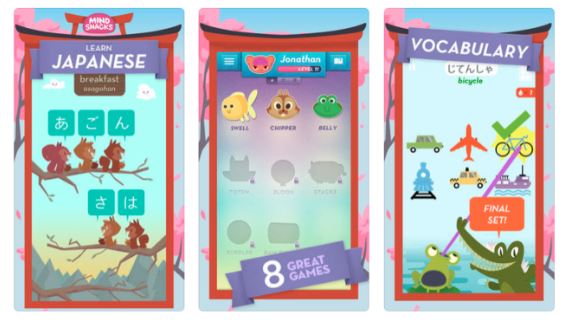
MindSnacksはダイナミックな日本語学習アプリで、限定無料版とアプリ内課金による追加コンテンツがあります。ゲーム化された学習体験がお好きなら、MindSnacksは非常に魅力的なアプリです。

このアプリには、日本語の基本的な漢字、ひらがな、カタカナの学習に焦点を当てたインタラクティブなゲームがあります。

MindSnacksには8種類のゲームモードがあり、手と目の連動、スピードドリル、並べ替え練習、聞き取りなどを組み合わせることで、楽しくインタラクティブに漢字を学習することができます。

このアプリは初心者の学習者に最適ですが、日本語を勉強したことがあるけれど最近練習していないという方にとっても、いい復習になります。

top 20 best apps for learning japanese - bunpro

18、Bunpro:文法練習専用アプリ

Bunproは、SRSフラッシュカードのコンセプトを組み合わせた、日本語文法学習のための新しいオンラインプラットフォームです。日本語能力試験の各レベルに出題される文法項目ごとに、例文、クイズ、レッスンが用意されています。

また、学習の進捗状況を確認したり、自動リマインダーがあるので、勉強が遅れても簡単に遅れを取り戻すことができます。両プラットフォームのアプリは現在ベータテスト中ですが、試してみたい方は上記のリンク先のウェブサイトからアクセスできます。

日本語学習アプリで文法練習に特化したいなら、Bunproがおすすめです。

  • Bunpro
  • 開発元:Bunpro SRS
  • 価格:無料トライアル(1ヶ月)、月額サブスクリプション(5ドル)
top 20 best apps for learning japanese - imiwa

19、Imiwa:日本語辞書

漢字、かな、ローマ字で検索できるパワフルな辞書です。単語には例文(ふりがな付き)も付いているので、会話の中でどのように使われているかを確認することができます。

単語をタップして発音を聞くこともできます。その他にも、動詞の活用表、お気に入りの単語を記録しておけるノート、JLTPの語彙リストなどがあります。

最も便利な機能の一つは漢字機能です。画面に直接漢字を描くだけで、その漢字を検索することができます。また、部首や画数から漢字を検索できる便利なガイドもあります。

探している漢字が見つかったら、その漢字が何画で構成されているかを表示し、その漢字を書く練習もできます。

  • Imiwa
  • 開発者:Pierre-Phi di Costanzo
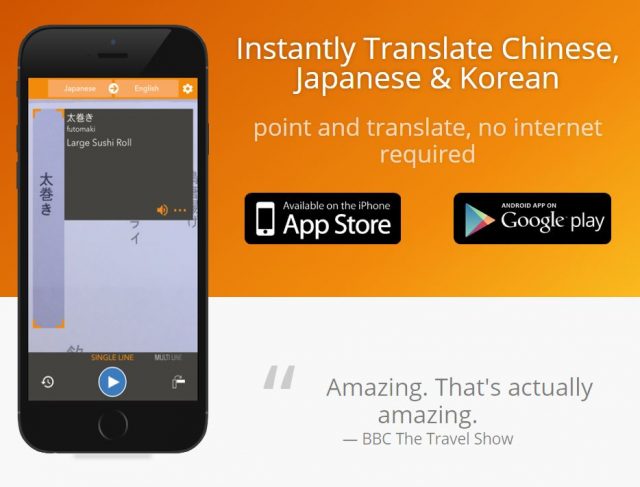
  • 価格:無料
top 20 best apps for learning japanese - waygo

20、Waygo

Yomiwaに似た日本語学習アプリを探しているなら、Waygoもチェックしてみてください。WaygoとYomiwaは、従来の辞書とは異なるという点で似ており、漢字の翻訳に便利です。

どちらのアプリも機能は似ています: ユーザーは写真を撮るか、写真アルバムから写真を選ぶと、アプリが写真内の漢字を英語に翻訳してくれます。Yomiwaは横書きと縦書きのテキストを読むことができ、Waygoは北京語と広東語のテキストも翻訳できます。ただし、Waygoの無料版では1日10件までしか翻訳ができません。

  • Waygo
  • 開発者:海外翻訳
  • 価格:無料(アプリ内課金あり)
top 20 best apps for learning japanese - studystack

21、Studystack:ゲームフラッシュカードアプリ

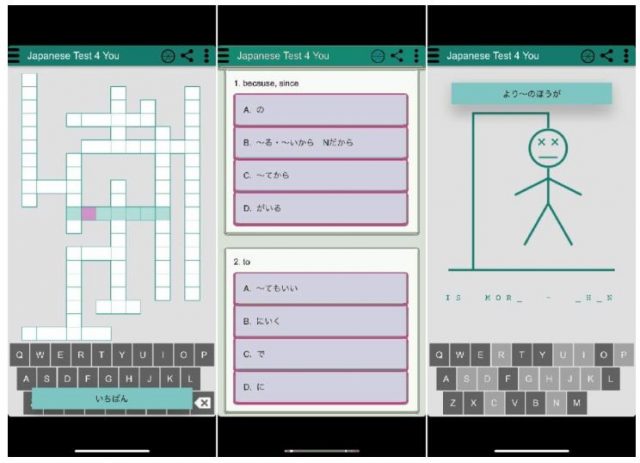
シンプルで楽しいフラッシュカードゲームアプリをお探しなら、Study Stackはいかがでしょう。このアプリには、暗記の単調さを解消し、わかりやすい学習体験を提供する様々なゲームがあります。

Study Stackの特徴的なゲームの1つはハングマンで、単語を当てるのに苦労したらヒントをタップできます。さらに、古典的なゲーム “スネーク “の日本食をテーマにしたバージョンなど、魅力的なゲームもあります。

最初は戸惑うかもしれませんが、アプリの機能は従来のものと変わりません。もっとシンプルなオプションがお好みなら、Study Stackにはペアマッチングゲームやクロスワードパズルもあります。

  • Studystack
  • 開発者:ジョン・ワイドナー
  • 価格:無料
top 20 best apps for learning japanese - pocket colony

22、Pocket Colony:実際の人と日本語を練習する

ポケットコロニーは、仮想世界に住む自分のミニチュア「ポカタ」を作ることができる、日本で人気のアプリです。他のアプリ(LINE PLAYなど)と同じように、ポカターと一緒にクエストをクリアしたり、ゲームをしたり、着せ替えをしたり、自分の家のモデルを作ったりすることができます。

このアプリケーションには日本人が多く参加しており、もしあなたが挑戦する気があれば、日本語のアプリケーションもダウンロードすることができます。

掲示板でチャットをしたり、さまざまな世界を旅して潜在的な言語パートナーと出会い、仲良くなることもできます。現時点ではiOS版のみ英語対応です。オンラインで日本人と自然に出会い、会話したいなら、ポケットコロニーです。

  • Pocket Colony
  • 開発元:cocone
  • 価格 無料(アプリ内課金あり)
top 20 best apps for learning japanese - ameba

23、Ameba

Amebaは日本で人気のブログサイトです。多くのソーシャル・ネットワーキング・サイト同様、Amebaも外出先でも利用できます。Amebaのアプリケーションを使えば、好きなバンドやファッションアイコン、ゲームの最新情報を日本語で得ることができます。

Amebaを利用する最大のメリットは、日本語でブログを更新し、同じ趣味を持つネイティブスピーカーを見つけることができることです。

日本で新しい才能を発見したり、ネイティブスピーカーと友達になったり、インターネットスラングを学んだり、日本語で日記を書き、その上達を振り返ったりするのにとても良い方法です。

何を書くか、どれだけ書くかはあなた次第なので、自由に探求してください!日本のオンラインカルチャーを学びながら、常にアンテナを張っていたい人にピッタリです。

  • Ameba
  • 開発元:株式会社サイバーエージェント
  • 価格:無料(アプリ内課金あり)

24、Lext Talk:デジタルペンパルで日本語の練習

Lext Talkは世界中の人とつながることができるアプリケーションです。プロフィールが完成したら、どの言語を話すか、どの言語を学びたいかを選択できます。

Lext Talkの便利な機能はマップです。ユーザーはLext Talkのマップをブラウズして探索し、自分の地域の言語パートナーを探したり、特定の地域のパートナーを探したりすることができます。

つまり、関西方言を話す相手を探すのがとても簡単になります。また、Lext Talkには「英語を学ぼう」や「Jpop Fans United」など様々なテーマのチャットルームが用意されており、同じ趣味を持つ友達と出会ったり、好きな言語でチャットを楽しむことができます。

  • Lext Talk
  • 開発者:レクスト・トーク
  • 価格:無料(アプリ内課金あり)
top 20 best apps for learning japanese - doongle

25、Doongle:アンドロイド版レクスト・トーク

Lext Talkは気に入ったけど、アンドロイド携帯を使っているから…。ご心配なく、Androidユーザーにも同様の日本語学習アプリがあります!Doongleは、音声メッセージや写真などを共有できるアプリです。

他の言語交換アプリと同じように、マップを見ながら同じ地域や選択した地域の言語パートナーを簡単に見つけることができます。

また、このアプリでは、ユーザーのプロフィールをフィルタリングすることができるので、同じ年齢層の人、同じ都市や次の旅行先に住んでいる人、歌舞伎など同じ興味を持つ人などを簡単に見つけることができます。

Doongleはグループチャット機能も提供しており、英文法について話したり、お好み焼きの作り方のコツを共有したりすることもできます。

Lext Talkは気に入ったけどiPhoneは持っていない、という人にはDoongleがおすすめです。

  • Doongle
  • 開発者:Doongle
  • 価格:無料(アプリ内課金あり)
top 20 best apps for learning japanese - hello talk

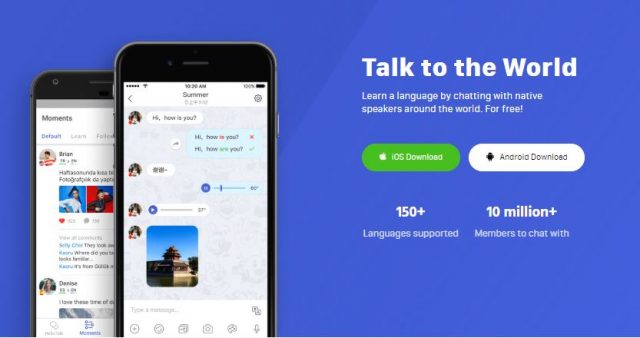
26、Hello Talk:日本語会話を直接練習する

HelloTalkは、世界中の人と会話できる言語交換アプリです。プロフィールに簡単な自己紹介を書き、母語を選択し、現在学習中の言語とレベルを選択します。

その後、世界中のネイティブパートナーを検索することができます!HelloTalkは、ランゲージ・エクスチェンジを始めたいと思っている多くのユーザーに絶大な人気があります。チャットに使用するプラットフォームは、他のテキストアプリケーションと非常によく似ています。

HelloTalkが類似の言語交換アプリと異なるのは、便利な機能があることです。ネイティブスピーカーがあなたのメッセージを編集し、文法を修正しながら、AKB48のコンサートについて一緒にチャットすることもできます。

ユーザーは音声メッセージを書き起こすこともできるので、たんに読み書きをしているわけではなく、会話や理解力の練習もできるのです。

他人と直接会話したり話したりする練習をしたいなら、Hello Talkは最適です。

  • Hello Talk
  • 開発者:HelloTalk Learn Languages アプリ
  • 価格:無料(アプリ内課金あり)
top 20 best apps for learning japanese - skritter

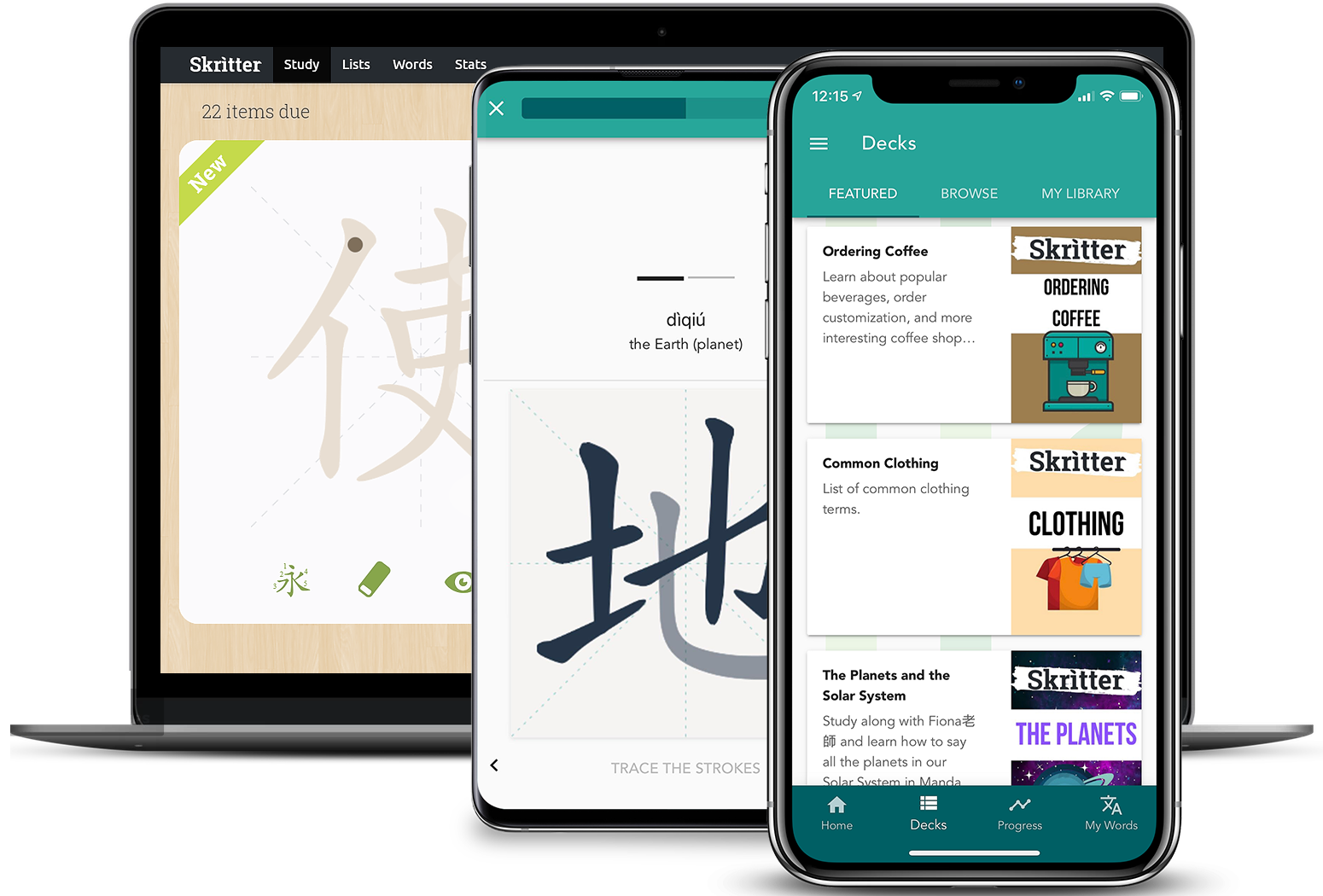
27、Skritter:手書きの練習

Skritterは手書き入力とフラッシュカードを組み合わせた素晴らしいアプリです。日本語と中国語の両方を学ぶことができます。Skritterの日本語バージョンは日々進化しており、アプリの改良に熱心な企業によって、しっかりとサポートされています。日本語を書く練習をしたいなら、Skritterがおすすめです。

  • Skritter
  • 開発元:インクレン株式会社
  • 価格:無料(アプリ内課金あり

フラッシュカードは日本語の語彙を学習するためのものだと思われがちですが、文法も同じ方法を使っています。

各レッスンは、文法事項の説明から始まり、選択問題や単語を正しい順番に並べる練習問題で構成されています。すべての課題をマスターすると、レッスンは「完了」と表示されます。

初心者なら無料版で十分でしょう。日本語能力試験のセクションと、「アルファベットと基本単語」と呼ばれるひらがな、カタカナ、基本フレーズ、ボキャブラリーに特化した18のセクションがあります。

日本語の文字や表現はすべてローマ字で表示されるので、日本語の書き方を完全にマスターしていなくても心配はいりません。

Bunpoは非常によく構成されており、簡潔なので、無駄のないレッスンを好む日本人学習者にはぴったりです。私たちはBunpoがDuolingoに似ていると考えています。

唯一の違いは、Duolingoが日本語学習にゲーミフィケーションのアプローチを取っていること、楽しく遊び心のあるデザインとかわいいマスコットが満載です。

ビジュアルが多すぎて感覚過敏になる人は、Bunpoを試してみるといいかもしれません。最終的には好みの問題ですね!

対象レベル 初心者から中級者

29、OTO Navi:サウンド・ナビゲーター

OTOナビは、ジャパンタイムズ出版の書籍の音声教材が聴けるアプリです。このアプリは、書籍のタイトルを検索するか、書籍のバーコードをスマホで読み取るかの2つの方法で、音声素材をフルセットでダウンロードすることができます。

ただし、音声素材は同社が出版した書籍にのみ対応しているため、ランダムな書籍の音声ファイルを見つけることはできません。それでも、誰でも無料で使えるので、たとえその本を持っていなくても、このアプリを使って理解力を高めることはできます!

  • OTO Navi
  • 開発元:ジャパンタイムズ出版
  • 価格:無料(アプリ内課金あり)

30、Ringotan:漢字を書く練習

漢字を覚えるのが苦手な方。このアプリは漢字の書き方を練習し、読み方を覚えるためのアプリです。

ひらがな、カタカナ、3,500字の漢字を学ぶことができます。ひらがな、カタカナ、3,500字の漢字を教えてくれます。

つまり、Ringotanがあなたのためにクイズを作るとき、それはあなたが苦手とする漢字だけになるということです。近い将来、Ringotanは有料アプリに機能を変更する予定です。しかし、今Ringotanをダウンロードしたユーザーは、完全版を永久に無料で利用することができます。

日本語学習のためのその他のリソース

言語アプリの他にも、日本語を学ぶためのリソースはたくさんあります。その中でも特におすすめのものをいくつか紹介します:

1、ポッドキャスト

日本語のポッドキャストは、リスニング力をアップし、日本文化を学ぶのに最適です。

2、YouTubeチャンネル

YouTubeには、日本語を教えるためのチャンネルがたくさんあります。人気のあるチャンネルは、Japanese Ammo with MisaやJapanesePod101などです。

3、書籍

教科書からフレーズ集、マンガまで、日本語を学ぶための本はたくさんあります。これまで、私たちは、日本語能力試験のレベル別に、学習者に適した教科書を紹介する記事をたくさん書いてきましたので、以下ご参照ください。

結論

結論として、語学アプリは楽しく便利に日本語を学ぶことができます。アプリを選ぶ際には、体系的なレッスン、音声や動画コンテンツ、学習進捗管理、ソーシャル機能などを提供しているものを探しましょう。

アプリを最大限に活用するには、現実的な目標を設定し、コンスタントに練習し、実践的な会話スキルに焦点を当てましょう。さらに、ポッドキャスト、YouTubeチャンネル、書籍などの追加リソースを利用して学習を補いましょう。

継続的な練習と努力で、日本語をマスターし、チャンスを広げることができます。
Coto Language App

東京での日本語学習にご興味のある方は、下記のフォームにご記入の上、当校の詳細をご覧ください!

日本語を学ぶためのトップアプリは、Duolingo、Rosetta Stone、Memrise、FluentU、Tae Kim’s Guide to Learning Japaneseなどです。

そうですね、Duolingoは日本語を学ぶためのゲーム化されたレッスン、語彙練習、インタラクティブな練習問題を提供する人気のアプリでしょう。

ロゼッタストーンは、その没入型言語学習アプローチで知られ、音声認識とインタラクティブなレッスンで効果的に日本語を学ぶことができると思います。

はい、Memriseは語彙に特化したアプリで、学習者が日本語の語彙をマスターできるよう、時間をあけて反復練習をしたりというニモニックのテクニックを使っています。

ほとんどのアプリは初級者に適したリソースやレッスンを提供しており、ゼロからでも日本語を学ぶことができるようになっています。
O genki desu ka is a Japanese phrase “How are you?”
If you have been learning Japanese for any time, you have likely heard this phrase.
In many Japanese learning textbooks – お元気ですか is one of the first phrases that you will learn. This is true for our Japanese lessons as well.
It is so common for beginner learners to use this phrase that there is even a Japanese learning textbook called “Genki.” (We use this textbook series in our intensive courses as well.)
In this blog, we will teach you about the phrase “O genki desu ka” and show you how to use it when speaking Japanese.

What does O genki desu ka mean in Japanese

The word genki is written in Japanese kanji as 元気
This is a combination of two Kanji that are nouns – and the word genki is a na adjective.

  •  (げん, gen) — beginning, origin, foundation, the source of something
  •  (き, ki) — energy, spirit, mind, air, breath, atmosphere, mood

When you put the words together – the word genki means “lively, full of spirit, energetic, vigorous, vital, healthy, well, fit, in good health.”
Often, younger people describe their elders as “Genki.” This means that even though someone is advanced in years, they are still in good spirits and young at heart.
So, there are several ways to use Genki as both a greeting and an adjective in spoken Japanese.

O genki desu ka – how to answer

In Japanese, your teachers and friends often ask you the following question: “O genki desu ka.” What is the correct response to this greeting?

  • お元気ですか?
    O genki desu ka
    How are you?
  • 元気です
    genki desu.
    I am well

When someone asks you if you are genki, you can simply say, ” Genki desu.” In English, the equivalent would be something like.
“How are you?” – “I’m Good.”
If you would like to answer this question in the negative – you can also do that with the following sentences:

  • 元気ではありません
    Genki de wa arimasen
    I am not well. (formal way of saying it)
  • 元気じゃないです。
    Genki jya nai desu
    I am not well. (another formal way of saying it)

This is how it appears in most textbooks – but using the desu would seem unnatural between friends.
So, when speaking with friends, you would say things slightly differently to sound natural.

Using Genki Naturally with Friends

The above example is fine for situations where you are asking a colleague you don’t know well or an acquaintance, but for friends, you would state it more casually.
To make it more casual and natural when chatting with friends, you may say “Genki” with an upward voice inflection.

  • Your Friend:
    “Sam-San, Genki?”
    サムさん、元気?” <—With an upward question tone of voice
  • You:
    “Genki”
    元気

This is a more natural way to call and respond with this phrase as it signifies that you are close to the person.
If you want to tell someone that you aren’t well you can use the following pattern:

  • 元気じゃない。
    genki jya nai
    I’m not well. (casual)

You can use These basic constructions when using the term genki in Japanese.
If you are a total beginner in Japanese – connect with us for a free level check and interview – we offer private, part-time, and intensive Japanese lessons

Start taking Japanese lessons with us and learn more conversational phrases!

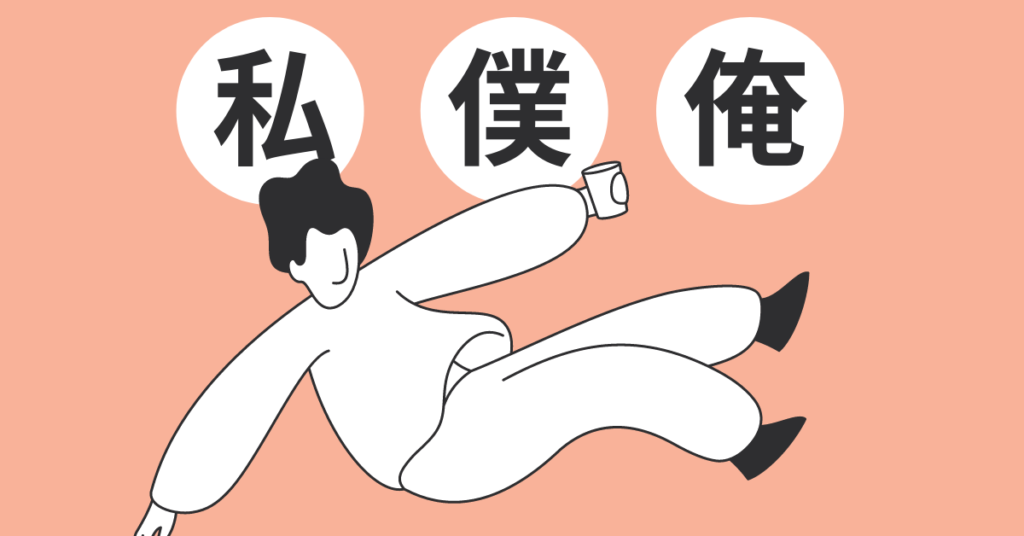
Watashi? Boku? What’s the Difference? Are There Other Ways to Say ‘I’ or ‘Me’ in Japanese? There are many ways to say ‘I’ or ‘me’ in Japanese, depending on social status, gender, and situation. Usually, the Japanese learning textbook only shows the usage of Watashi (私).

It doesn’t show you how to change the first-person pronoun due to different situations in daily life. This blog will show you 10 common ways to say ‘I’ or ‘me’ in Japanese.

We’ve also made a more in-depth guide on Japanese first-person pronouns. Check them out here. After that, don’t forget to check out our other guide on how to say ‘you’ in Japanese

1. Watashi (わたし/私)

The frequent word to say is ‘I/me.’ It’s a modest way to express yourself in any situation. Also, it’s used on a formal occasion or to speak to someone superior.

2. Watakushi (わたくし/私)

It’s a more polite way than Watashi. It’s used on official occasions. The Imperial Family uses Watakushi when they make a speech.

3. Atashi (あたし)

A feminine variant. For informal occasions, the person you are speaking to is a friend or junior.

4. Atakushi (あたくし)

It’s a female variant that is more polite than Atashi.

5. Uchi (うち)

It’s the first pronoun for females in the Kansai dialect on informal occasions.

6. Washi (わし/儂)

It’s used in the Kansai area for older men. It is commonly used for old-man characters in games or animation.

7. Boku (ぼく/僕)

A semi-humble pronoun for young men. Common use on boys.

8. Ore (おれ/俺)

Men use it on informal occasions. A casual way to say ‘I’ is usually be paired with ‘Omae (お前, you.)’

9. Jibun (じぶん/自分)

A gender-neutral word often adopted by military personnel or athletes.

10. Ware (われ/我)

Formal, used in the article as self-proclaimed. People use it for speech, meetings, or discussion. Often used in the plural as Wareware (我々, we.)

Also, there are more ways to say ‘I’ and ‘me.’ The pronoun is related to whom you are speaking to and the occasion. Learning the Japanese language gives you the opportunity to practice it and put it into use. It helps you to understand the nuances of Japanese culture.

Want to know more about Japanese culture? Feel free to check out our interesting blogs!

Learn to say ‘I’ and ‘Me’ more fluently by starting Japanese lessons at Coto Academy.

You Might Be Wondering…

What are the most common ways to say "I" or "me" in Japanese?

The most common and polite way is 私 (watashi). For informal situations, men often use 僕 (boku) or 俺 (ore), while women might use あたし (atashi).

How do I say "me" when talking to a friend?

If you’re a man, you could use 僕 (boku) or 俺 (ore). If you’re a woman, you could use あたし (atashi) or 私 (watashi).

Are there regional differences in how people say "I"?

Yes, there are regional variations. For example, people in Kansai dialect might use different terms than those in Tokyo.

If you have been in a Japanese conversation before, you may have heard the word “Naruhodo” (なるほど) being used. Although this word is rarely found in textbooks, it comes up often in Japanese conversation. In this blog we will show you what “Naruhodo” means in Japanese and how to use it in conversation.

What Does “Naruhodo” Mean?

なるほど Naruhodo means “I understand” or “I see.” While you may have often heard that “Soudesuka” (そうですか) or “Sokka” (そっか) is how to say ‘I see,’ it is slightly different from Naruhodo (なるほど).

While sokka or soudesuka certainly can be used to say ‘I see’, なるほど adds an extra nuance. Soudesuka/sokka is more neutral, while なるほど conveys a sense of agreement and a more nuanced understanding.

You can use なるほど when you learn something new or get information that you did not previously have.

Soudesuka and Sokka can also come across as cold, whereas なるほど can be used as a more warm response.

How to Use “Naruhodo”

The word naruhodo can be used in many different situations. You can use naruhodo in a polite context or informal context. Let’s look at some examples of how to use it.

あ!そういうことか!なるほどね!
A! Souiu koto ka! Naruhodo ne!
Oh! That’s what you mean! I see!

The use of なるほど in the above example conveys both a sense of understanding and of friendliness. It also expresses that the speaker has gained knowledge about something they did not know.

Let’s take a look at another example.

A: 壊れちゃったから返品したかったものです。
B: なるほど。

A: Kowarechatta kara henpin shitakatta mono desu
B: Naruhodo
A: I wanted to return (this) because it broke.
B: I see.

In this exchange, person B expresses their understanding in response to person A’s statement with なるほど.

This situation is a more formal one, but なるほど can still be used in the same way. It is still polite to say “I see” in Japanese.

Now you can use なるほど in your next interaction! With friends, with co-workers, or with your boss at work!

Start taking Japanese lessons and learn Japanese conversational phrases!

We want to make it clear that, despite the title, watashi, boku and ore aren’t the only ways of saying “me” in Japanese.

There’s only “me”, “myself” and “I” in English, but when it comes to Japanese first-person pronouns, the options are seemingly endless.

So how do you know you’re using the right “I” in Japanese? If you watch enough anime, films or even the news, you’ll notice a pattern: watashi (わたし) stands as the most basic form of the first-person pronoun. Boku (僕) and ore (俺) are next respectively.

Then again, there are layers of subtext, social factors and psychological distance taken into consideration. The Japanese culture is complex, and this complexity extends to the language, too.

Ultimately, we want you to avoid feeling overloaded. It’s just “I”, after all — why make things complicated? Thankfully, a lot of Japanese speakers don’t even stick to one pronoun. You’ll learn how to differentiate between the “I”‘s and find out which one is best for you.

Jump to Japanese first-person pronouns using:

About Watashi, Boku, Ore — and A Million Other Japanese First-person Pronouns

If English is your native language, here’s a did-you-know: a lot of languages have multiple first-person pronouns, like Vietnamese, Indonesian and Korean. Between all of these, Japan has the most first-person pronouns.

How and when you refer to yourself depends on the person you’re talking to, situation and context. In other words, it depends on how you want to present yourself.

For example, if you use watashi (わたし), it’s considered formal — polite, even. On the other hand, try using ore (俺) in front of your boss and you might risk losing your job in Japan (or, better yet, being told to voluntarily quit from the company).

This is why you’ll notice most Japanese people bouncing from one pronoun to another when they’re with their close friends, family or colleagues.

You’ll notice a lot of them have their go-to pronouns, too. When it comes to gender differences in spoken Japanese, men and women tend to favor different pronouns. Social standing also affects how people refer to themselves, as well as how they refer to other people.

For example, 72% of Japanese men will use “ore” (俺) with their friends. When they’re talking to a stranger, more than 60% of them will use “boku” (僕). On the other hand, to an unknown visitor, 75% of Japanese women will use “watashi”.

Of course, watashi, boku and ore aren’t the only first-person pronouns in Japanese, because they don’t include all the phonetic strains and regional differences.

Ever heard of ‘”ora” (おら)? It’s an informal Japanese personal pronoun from the Kanto dialect, similar to “oira” (おいら). The impression you’ll get when you use this is that of a “country bumpkin” — someone from a very rural area.

We’ll go over other ways to say “I” in Japanese as we dive deeper into the article.

Japanese Language Doesn’t Need First-Person Pronouns

Unlike most languages, Japanese grammar doesn’t require you to include first-person pronouns, so you can omit the watashi, boku or ore. This is because it doesn’t even need a subject in a sentence, to begin with. Let’s take a look at an English and Japanese example.

銀行へ行ってきます。
Ginkou e ittekimasu.
I’m going to the bank (and returning again).

You’ll notice that, in the Japanese example, the typical watashi (わたし) is omitted. The textbook example should have been, “わたしは銀行へ行ってきます” — which would have made more sense of the English translation.

Here, the literal translation is “Going to the bank.” In this context, we know that the person saying that is referring to themself, so you don’t need to put an extra “I” for clarity.

A great rule of the thumb is this: When the meaning is still clear, you can remove pronouns that mean “I” or “you” in Japanese. As a comparison, let’s use the same example sentence from above and tweak the context a little bit.

A: 誰が銀行にいますか?
A: Dare ga ginkou ni imasuka?
A: Who is in(at) the bank?

B:銀行へ行っていますが、家にいます。
B: Ginkou e itteimasuga, ie ni imasu.
B: Going to the bank, in the house.

In the dialogue above, it’s not clear who is going to the bank and who is in the house. In this case, you’ll need to include the pronouns. A better answer should be like the one below:

B:銀行へ行っていますが、お兄さんは家にいます。
B: Watashi wa ginkou e itteimasuga, onii-san wa ie ni imasu.
B: I’m going to the bank, but (my) brother is in the house.

On the other hand, there are verbs that imply the subject and object of the sentence. In English, we use “to give” and “to receive” regardless of who is giving and who is talking.

In Japanese, there are two verbs for expressing ‘to give’: あげる (Ageru), くれる (Kureru); while ‘to receive’ is indicated by もらう. Kureru (くれる) means to “give something from someone to me” (in other words, “receive”), while ageru (あげる) means “me giving something to someone else”.

This rule makes pronouns unnecessary because the subject (giver) and receiver is already insinuated. .

For now, let’s have a look at the different characteristics of watashi, boku and ore. Once your level in Japanese has improved, it may be a good idea to try and change the first-person pronoun you are using.

This can change depending on your character, the setting, or even your conversation partner.

watashi boku ore japanese first-person pronouns

Watashi: 私 (わたし)

It’s the safest choice when you’re a beginner. In formal situations, it’s the safest choice and doesn’t carry any gender nuances.

In casual speech, however, わたし can give off a “feminine” feel, and it’s typically only used by women. When men use it in a casual context — when talking with a friend or family — it’ll sound stiff.

A polite way to refer to yourself, 私 (わたし) is the most general expression that is used by both women and men everywhere from formal occasions to business and public situations. If you are not really close to the person you are talking to, this word would be your best bet to avoid any offense.

But as most Japanese typically avoid referring to themselves, they’d usually just drop the “watashi” from their sentences. Take a look at the example below.

私は和菓子が好き → 和菓子が好き。
Watashi wa wagashi ga suki → Wagashi ga suki.
I like Japanese traditional sweets.

As explained before, as long as it’s clear the sentence refers to yourself, you don’t need to state that “you” like sweets — we know you’re talking about yourself, after all.

Watakushi: わたくし

You’ll hear this word straight out of historical anime, used by noblemen and women.  わたくし, or watakushi, is the more polite version of わたし — the most formal Japanese first-person pronoun, even.

In fact, it’s so outdated that it’s not a part of modern textbooks.

Unless you’re working in a very uptight (or conservative) working environment in Japan, we don’t recommend you to use わたくし. It may be the most “civilized” choice — it sounds sophisticated — but if you use it in semi-formal situations, you’ll ironically sound stiff.

ですが、わたくしたちの思いは貴族には考えなのかもしれません。
Desu ga, watakushi tachi no omoi wa kizoku ni wa kangaena no kamo shiremasen.
However, our thoughts may be that of an aristocrat.

One of the only times we hear someone use わたくし is in official announcements, like when politicians hit the street for their campaigns or when a big public figure apologizes due to a scandal. In other words, if you’re not saying sorry or dwelling in super-serious businesses, you can forget about わたくし entirely.

Atashi: あたし

あたし is not really a new type of pronoun. It’s a shortened, more feminine pronoun that strains from わたし, so it’s not used in written language. Instead, you’ll only hear it in conversations, among younger women and children, who generally have trouble pronouncing “w” from わたし. Because of this, あたし sounds cute and endearing.

Like わたし, there’s a feminine pronoun that strains from わたくし too: あたくし.

Boku: ぼく (僕)

Boku is an expression used by mostly men. Originating from words like geboku (manservant) and kouboku (public servant), this word’s popularity began to spread among the younger generation as they’d use this to refer to themselves in a humble manner.

Although technically ぼく is used to address someone equal or lower to you, you can think of boku as a gentler, semi-formal pronoun alternative. This is why it’s one of the first first-person pronouns Japanese boys learn and commonly use.

もわかんない。
Boku mo wakannai.
I don’t know too.

Boku is perceived as humble, but can also carry an undertone of “feeling young” when used by males of older age. You’ll hear this used on boys among their coworkers, senpai or, yes, bosses.

In formal situations, most men use either 私 or 僕. Even though it’s a common choice for adult men, you may come off as sounding childish and immature — a “mama’s boy”, even. Most young boys use boku in classrooms, but later on, as they get older and more comfortable, they’ll use おれ.

Today, it is more commonly used in close relationships or as a softer alternative to the word “ore” (see below; it sounds more modest, reserved and polite. Because of this, you’ll notice more girls use boku (ぼく) too.

Boku for Young Boys

However, boku can also be used as a second-person pronoun for young boys. It’s a way to refer to a boy you don’t know. You’re basically calling him from his perspective, so the term can come across as endearing and affectionate.

は何歳ですか?
Boku wa nansai desu ka?
Boku (small boy), how old are you?

You’ll notice parents calling their young son by this pronoun, too, adding the suffix ‘chan’ after ‘boku’ (boku-chan). One of our host families once said that they do this to avoid their children using their first names when they want to say “I” — something that a lot of children do. To this, they train their kid to associate themself with “boku” (instead of their real name).

僕ちゃん、何を食べる?
Boku-chan, nani o taberu?
Boku-chan, what do you want to eat?

Ore: おれ (俺)

As a first-person pronoun with an extremely rough image, it is only used in a casual setting between people who are very close. おれ (俺) is written with hiragana or katakana, but you may often find them stylized in katakana, オレ, in manga panels and written Japanese as an emphasis.

You’ll see boys transitioning from using “boku” to “ore” as they grow up. Some people even use おれ (俺) informal sentences but keep in mind that you’ll risk sounding inappropriate.

You might also think that because おれ is the most popular first-person pronoun for Japanese men, you’ll need to jump to using the word as soon as you can speak Japanese.

A word of advice: unless you’re wholeheartedly confident that your Japanese is very, very natural, don’t. Even in close relationships, ore and boku create different images.

おれ can sound cocky, used to indicate aggressiveness and masculinity, so if you mix-and-match おれ with formal sentences (i.e. you’re not ready to speak Japanese effortlessly), you’ll risk sounding awkward. Take a look at two examples below for comparison.

俺は知らねえな。
Ore wa shiraneena.
How the heck do I know.

俺は知りませんでした。
Ore wa shirimasen deshita.
I do not know.

Both mean “I don’t know”, but think of 俺は知らねえな as the equivalent of “How the heck am I supposed to know.” If you mix 俺 with something formal like 知りませんでした, it won’t sound natural, like putting a slang in a formal speech.

As a heads-up for Japanese learners, be aware that using 俺 could make you sound inadvertently cocky. 俺 can also be tricky to master for second-language learners because it doesn’t sound natural unless you speak Japanese really fluidly and effortlessly. 

俺 can sound awkward when other elements in a sentence don’t match the aggressiveness and masculinity of 俺.

You’ll need to “match” the rough vibe of おれ, so if your personality and fluency aren’t there yet, opt back to ぼく.

Uchi: うち

Another way to say “I” in Japanese is うち, a sister term to おれ. In Tokyo, it’s used by young girls. In Kansai, うち is used by both young and older women. In written form, it’s spelled with kana.

You can think of うち as the female version of 俺; it sounds more relaxed than the stiff わたし, so more young girls and women from elementary to college students begin to make this their default go-to pronoun.

In fact, うち is the most used first-person pronoun by female elementary school pupils. But be careful too. Like 俺, using うち can be inappropriate as it sounds slangy and strange when you use it outside the right context, social group and dialect.

うちのせいだ。
Uchi no sei da.
It’s my fault.

More importantly, because うち means “one’s own” or “house”, using it creates a sense of unity or in-group, so you can use it to include your family, company our team.

うちの娘が迷惑をかけてすみません。
Uchi no musume ga meiwaku o kakete sumimasen.
I’m sorry that my daughter caused trouble.

うち is also used in a less formal business setting as a way to say “our company”.

Jibun: じぶん (自分)

Technically, 自分 (じぶん) means “myself”, and it could be made into a Japanese adverb like this:

自分でケーキを作りました。
Jibun de keeki o tsukurimashita.
I made that cake by myself.

自分 can be made into a first-person pronoun, but it does make you sound masculine, modest and distanced. It’s not traditionally used. the informal setting, but it does indicate you’re showing humility and respect to the opposite speaker. Because of this, you’ll hear 自分 used in a lot of sports and military groups.

自分は、嘘をついていませんよ。
Jibun wa, uso o tsuiteimasen yo.
I’m not lying.

In the Kansai dialect, 自分 can also be used as a second-person pronoun, but you may come off as sounding too friendly and coarse. Think of it like saying “You, yourself,” which can carry an accusing nuance if not used correctly.

自分、どこの国なん?
Jibun, doko no kuni nan?
You, where are you from?

Using Your Name As Japanese First-person Pronoun

If you grow up speaking English, it might sound weird to hear that a lot of children from Asian households use their own names to address themselves — including us.

Usually, in Japanese, children tend to use their own name or nickname because that’s what their parents call them. It’s the first identity they associate themselves to, but as they grow up, they’ll transition to preferred Japanese first-person pronouns: boku, ore, watashi (atashi) or uchi.

Still, a lot of us switch to using our names as first-person pronouns when we’re around our family.

For boys who use boku, they risk sounding like a mama’s boy. For girls, it’s when they use their own name (with or without the ちゃん).

If you’re into the kawaii culture, go ahead, but we don’t recommend calling yourself outside of family interactions because people see it as childish or icky — like you’re trying too hard to be cute. Like this:

モエもほしい!
Moe mo hoshii!
Moe (I) want it too!

Adults — mostly women — who use their own name for themselves are considered as burikko (ぶりっ子), a Japanese slang term for girls who pretend to be cute in front of guys to get their attention.

Using Family Role As Japanese First-person Pronoun

This applies when you’re speaking to someone younger, generally. For example, if you’re a mom or a dad, you can call yourself okaa-san (お母さん) or otou-san (お父さん) to address yourself in front of your children.

お母さんは駐車してくるから、ちょっと待ってね。
Okaa-san wa chuusha shitekuru kara, chotto matte ne.
Mom (I) am going to park my car, so wait a moment, okay.

Nowadays, you’ll also find parents using the more-universal mama (written as ママ) and papa (パパ). Of course, family-role first-person pronouns aren’t just limited to moms and dads. As long as that family title can end with a ~さん or ~ちゃん, you can use them (check our article on main Japanese family terms).

It’s also not uncommon to use family terms to someone who’s not your family, but keep in mind that this is only when you’re talking to a child. For example, when you see a small boy seemingly lost in the park, you can call yourself a “Big Sister” (お姉さん・おねえさん).

ママはどこか?お姉さんが、手伝ってあげようか?
Mama wa doko ka? Onee-san ga, tetsudatte ageyouka?
Where’s your mom? Big Sister (I) will help you.

Social Titles As Japanese First-person Pronoun

If you’re a professional — like a teacher, doctor, author or even a manager — you can use that title as your go-to pronoun during work. Again, this really depends on the subcontext. If you call yourself “Sensei” (先生) in front of other teachers, you’ll sound childish.

Commonly, teachers will use 先生 when they’re in the classroom instead of watashi (わたし), boku (ぼく) or ore (おれ).

誰が先生を助けてくれる?
Dare ga sensei o tasukete kureru?
Who wants to help Sensei (me)?

Keep in mind that in the Japanese language,  先生 is used beyond the primary definition of “teacher”. Doctors, authors or judo masters — basically anyone with a specific skill, practical art or technique — use 先生.

Other than that, we’ve also heard store managers using their title tenchou (店長) to address themselves, especially when they’re talking to a young staff.

店長が明日休みだから、お店を頼むよ。
Tenchou ga ashita yasumi da kara, omise o tanomu yo.
Tenchou (I) will take a break tomorrow, so I’ll leave the store to you.

What’s next after learning watashi, boku, ore and these Japanese first-person pronouns? Read more about:

Want to learn more Japanese like Watashi? Take our free Japanese language assessment test

Get in touch with us and find out how we can help you achieve your Japanese language target. If you’re unsure where you are, we provide a free Japanese level check. You can also contact us at info@cotoacademy.com for any questions about course options and details.

Coto Japanese Academy is a unique Japanese Language School in Iidabashi Tokyo. We offer relaxed and fun conversational lessons for all levels of Japanese learners. If you are interested in our courses, please visit our contact page.

Click to tweet this article and share it with others!

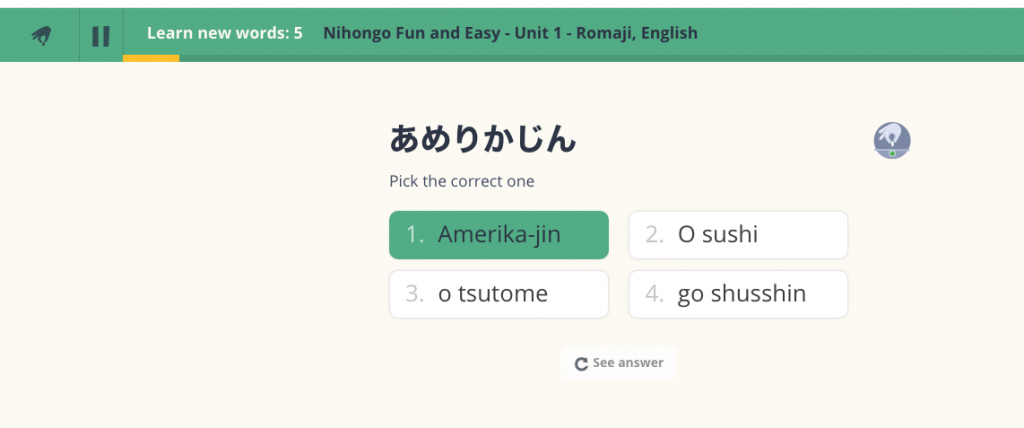
Are you seeking Japanese flashcards for beginners? If you are using our nihongo fun and easy textbook – we are excited to share that we are in the process of publishing a companion flashcard course on the memrise.com flashcard study app.

Moreover, it is a completely free to use app (we suggest the desktop version) – but there is also a mobile version that you can access and study when you are on the train, or out and about.

Free Japanese Flashcards for total beginners

You can view the course here on memrise.com

If you are studying Japanese in our crash course – you won’t want to miss this brand new self-study course!

This study set is best geared for total beginners as it is a companion piece to our nihongo fun and easy textbooks.

This course will test your knowledge against both the english meaning – and the kana meaning written in Japanese.

Also, it will teach you to memorize the example sentences that we test you on from the textbook.

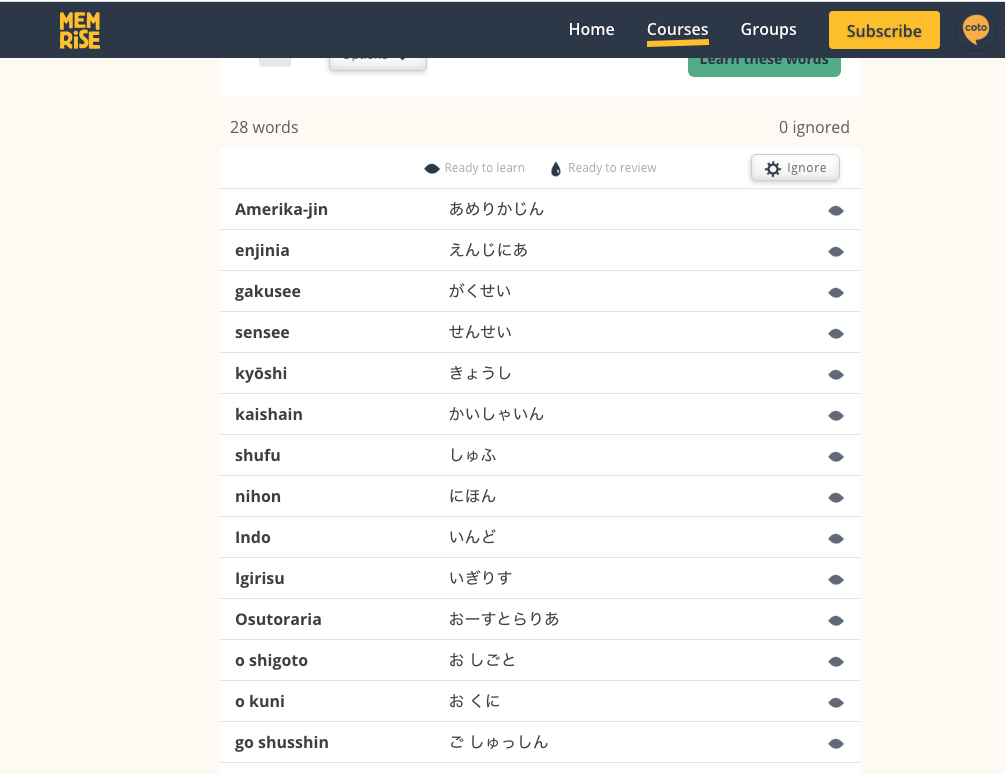
Here is an example of the interface. Below you can see what the flashcards look like.

This is a great way to test your knowledge – and its an effective way to remember them.

Based on science, memrise is an SRS system (Spaced repitition software) which has an algorithmn to determine what the optimal time is to study your cards.

This will allow you to progressively review the content until it is locked in your head permanently.

In addition, we will be posting 1 unit per day until we cover the full textbook.

How to get the free flashcards and join the course

  1. visit https://app.memrise.com/course/5911671/nihongo-fun-and-easy/
  2. Click start learning and join the course – the course will be saved in your dashboard.
  3. You can then download the mobile app and learn on the go!

If you are interested in studying Japanese in Tokyo, find out more about our school by filling out the form below.

This fall are you interested in improving your Japanese?

For the Autumn 2020 season we have several new types of Japanese lessons that you may be interested in.

  • Lite Intensive Courses (Study in the evenings after work!)
  • Online Courses (NEW BUSINESS CONSULTING SESSIONS, JLPT N4 Review Course)

Part-Time Courses

Are you a beginner learner that has plateaued in your Japanese? Can you communicate in basic Japanese; but wish you could express yourself more fully?
Do you feel overwhelmed with working and attending lessons? Then we may have a solution that is a great match for you.

Our new Part Time Japanese Course is a way to regularly improve your Japanese ability. These Japanese lessons take place 2x per week in the evening and follow a similar format to our full time Japanese courses.

These courses meet 2x per week – with 2 hours of class sessions at each meeting.

The leveling of these lessons are based on our Intensive courses – so if you are familiar with our intensive course – then you may be familiar with them.

These courses use the Genki textbook series as their base of material – which means that the Japanese you will be learning will be practical and useful for your every day life in Japan.

Online Business Consulting Courses


We are excited to introduce our new Business Coaching sessions for our https://online.cotoacademy.com website – starting from October 1st

Get your questions answered by a Bi-lingual instructor who has more than 10 years of business experience in cross-cultural communication settings.

This lesson type can be used for:

  • Business Role Play
  • Interview Practice
  • Speech Preparation
  • Sales Email Creation and Optimization
  • Sales conversations, company pitches, product introductions.
You can learn more by emailing us at online (at) cotoacademy.com

JLPT N4 Review Course

Starting early October we are now offering an online course that will provide a comprehensive review of the material covered on the JLPT N4.

This is the perfect course for students who would like to test their knowledge and solidify their understanding of the material that they have already studied.

Taking place over the next two months – this online seminar style Japanese course is a great option for students who would like to study Japanese remotely after work.

Click on the link above to learn more!

Are you trying to pass the JLPT N2 level test? Maybe you want a promotion at work, are trying to pass a job interview – or you might just want to challenge yourself!

The JLPT N2 is quite a beast, but if you follow these study tips you can easily pass. In this guide, we will show you the way to victory so you can pass the N2!

Looking to shortcut your path to passing? Check out our JLPT N2 Prep Course!

Overview of How to Pass the JLPT N2

The JLPT N2 is divided into three sections: language knowledge, reading comprehension, and listening comprehension. Each section is scored out of 60 marks, and to pass, you need at least 30 marks in each section.

At the lowest, you need 30/60 per section (90/180 total) to pass. Unfortunately, failing one section will result in a fail on the whole test.

But if you follow just this guide, you will be able to pass with flying colors.

Contents:

JLPT N2 Kanji & Vocabulary

How many Japanese Kanji should I know for the JLPT N2?

In total, you need to know roughly 1000 kanji for the N2.

If you have already passed the JLPT N3, you only need to learn an additional 350 Kanji. This is roughly the same gap from the N4 to N3, so it’s totally doable.

The secret with kanji is to just practice, practice, practice. The good news is there is no writing section, so you only need to be able to read the kanji. That being said, practicing to write the kanji is a great way to carve them into your brain.

What about N2 Vocab?

The vocabulary list for the N2 consists of roughly 6,000 words – around 2,500 more than the N3.

The best way to master the vocab is to memorize the words along with their kanji. Likewise this will also help you retain all of the kanji – so the vocabulary and kanji study reinforce each other.

Plenty of free resources online with kanji and vocabulary lists catered towards N2 study. (Like this list from Memrise)

Or skip the hassle and pass with our Online JLPT N2 Prep Course!

JLPT N2 Grammar and Reading

How to Study N2 Grammar

Mastering the Japanese N2 Grammar will make the JLPT much easier for you. There are around 200 Grammar “points” you need to learn between N3 and N2.

The N2 grammar is tricky because there are many rules – and maybe just as many exceptions. But if you study carefully, the answers to the problems become easier than you might think.

Books are probably a better resource than websites or online flashcards. It is harder to capture the nuances of Japanese Grammar, especially when you get to the N2 level and above. We recommend ‘An Integrated Approach to Intermediate Japanese’ for a book that covers N2 Grammar.

N2 Reading

Since the JLPT N2 has a whole section for reading comprehension, it is important to focus heavily on the reading. They often pull sections from articles or books for the test, and you can expect to be tested on their specific contents.

For reading practice, it is a good idea to focus on reading actual Japanese articles – especially those geared toward Japanese middle school students. You can also check out NHK News Web Easy.

There is usually a bit of furigana for the reading, but don’t count on it being very helpful. It’s best to be ahead of the game as much as possible.

Our Online JLPT N2 Prep Course has a section devoted to Grammar and Reading – check it out to see how you can pass the N2!

JLPT N2 Listening

How hard is listening to the JLPT?

It’s not too bad if you are used to hearing Japanese a lot. It’s often said to be the easiest section.

However, you do not want to underestimate or overlook studying for the listening portion. The questions come at you fast, and you can easily get behind. You are given a blank sheet of paper that you can use to take notes. However, you don’t want to rely on this too much because it can trip you up. Just relax and take each question as it comes.

The best way to prepare for this section is to maximize your Japanese input. Use podcasts, Japanese Tv News, Television programs, and anything that uses proper spoken Japanese for study.

On another note, JLPT prep books come with CDs to accompany the listening. These will be the best way to prepare since the questions will come at you at the same pace as in the actual test. This way, you can get a feel for the rhythm and be comfortable when the listening test comes.

How to Prep for the JLPT N2

The best way to prepare for the JLPT N2 is with JLPT N2 practice tests. You can find PDFs of old JLPT N2 tests online, download them, and take them on a timer.

Taking multiple N2 practice tests has several benefits. The most obvious is getting used to the test format and the types of questions that you will be asked across all 3 sections.

Another big perk of taking the practice tests properly is that you will train your brain to complete the sections within the time limits. When the timer runs out at the JLPT test site, it’s pencils down (.02 pencils, actually). But if you can get used to taking the test on a timer, you will be able to finish the sections with time to go back and review.

If you are curious about study hours, check out our article detailing How Many Hours of Study it takes to pass each level.

If you are serious about passing the JLPT N2, we strongly encourage you to enroll in our Online JLPT Prep Course.

App Recommendations to Study for N2

Language and flashcard apps are a great way to prepare for the JLPT. Here are some of our favorite Apps for iOS and Android!

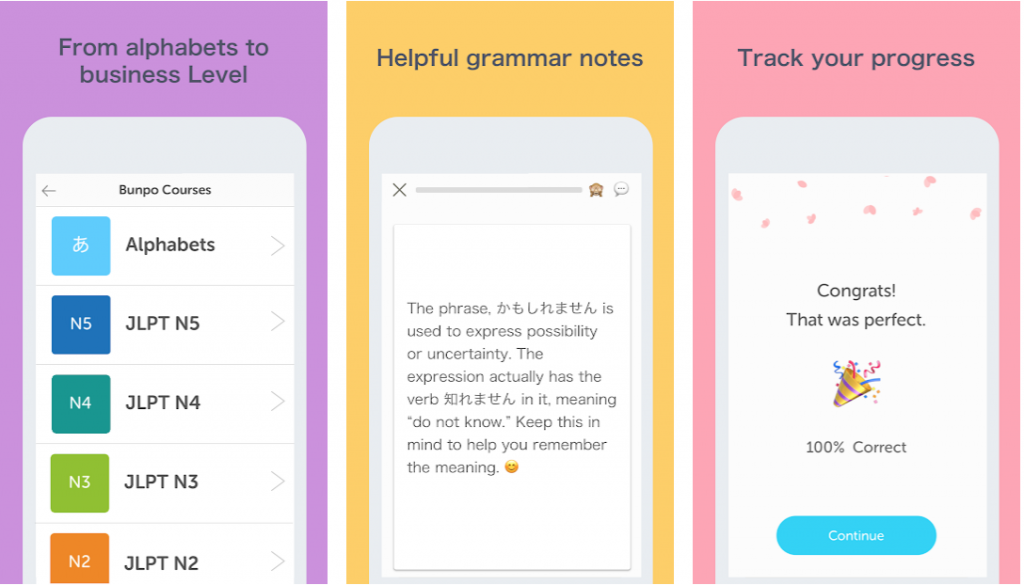
Bunpo: Learn Japanese – Android & IOS

JLPT N2 Study - Bunpo App

Bunpo: Learn Japanese is available on both Android and IOS!

Bunpo is a free resource for studying Japanese Grammar on your mobile device. It covers JLPT levels N5 to N1!

When you first start the app, you can select a JLPT level to study for (in this case, N2). The Bunpo runs you through lessons and quizzes to help you prepare for the JLPT!

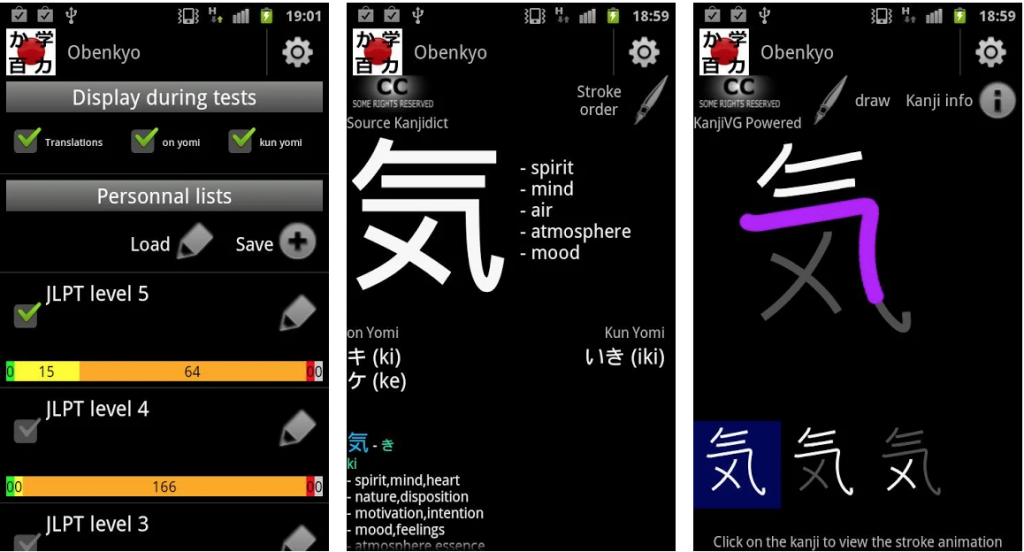
Obenkyo – Android

JLPT N2 Study - Obenkyo App

Obenkyo is available on Google Play as an Android app. Like Bunpo, however, it covers JLPT levels N5 through N1.

Obenkyo focuses on Japanese vocabulary and kanji, but they also have grammar.

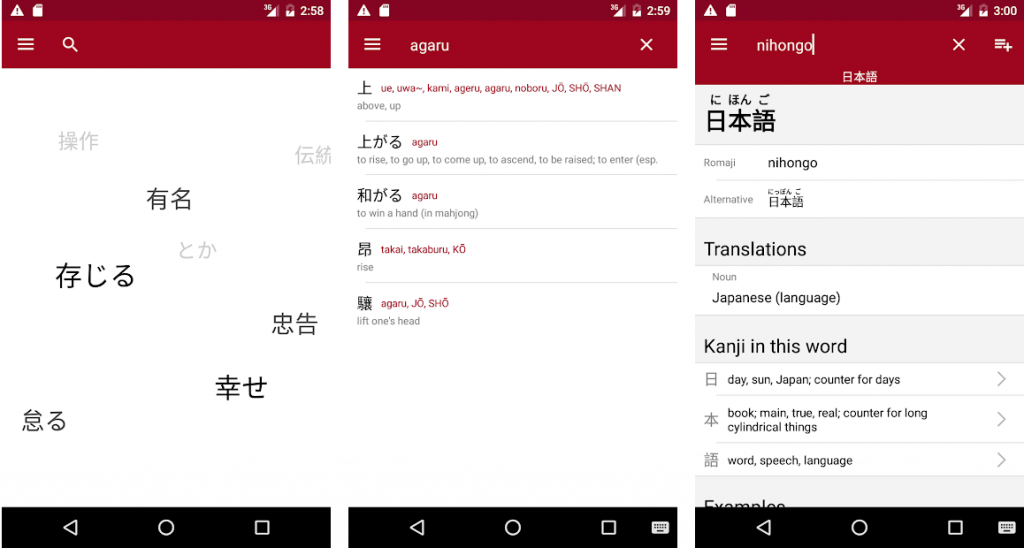
Japanese – Android & IOS

JLPT N2 Study - Japanese App

Available on both Android and IOS, Japanese is a massive “study companion” for anyone learning the Japanese language – at virtually any stage.

Japanese has dedicated study lists for the JLPT, which feature Kanji, Vocabulary, example sentences, talk-to-text, and flashcard mechanisms.

What’s more is Japanese and the other apps above are all free to download!

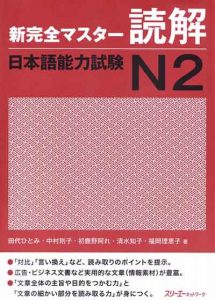
Recommended Textbook to Study for the JLPT N2 – Shin Kanzen Master N2

JLPT N2 study textbook: Shin Kanzen Master N2

Our ultimate Japanese textbook recommendation for passing the JLPT N2 is the New Kanzen Master series JLPT N2. This bundle (5 books) has all the information you need to pass the JLPT N2.

Each book in the bundle covers (respectively): Kanji, Grammar, Listening (w/ CD), Reading Comprehension, and Vocabulary.

It’s also our textbook for our Online JLPT N2 Prep Course, so we mean it when we say it’s our recommendation.

Online JLPT N2 Prep Course

JLPT N2 Online Prep Course - Nagai Sensei Cover

If you are serious about passing the JLPT N2, consider enrolling in our Online JLPT N2 Prep Course. This course is perfect for anyone who is self-studying but wants to improve their understanding of the language – or anyone who wants an easy way to pass the JLPT N2.

Our N2 prep course focuses on grammar, reading, vocabulary, and Kanji, and you must pass the JLPT N2. You will have access to weekly sessions taught by Nagai-sensei in our virtual classroom.

By ensuring your JLPT N2 certificate, you will be in a good position in a Japanese working professional environment. The JLPT N2 is important for anyone pursuing a career in Japan.

Contact us today to sign up!

How to Register for the Exam

The test is typically held once a year, usually in July and again in December. The application window may seem narrow, but it can be easy to miss it, so be careful!

You can apply and register for the JLPT online via the MyJlpt page. Choose the test level and then pay online. Then, you will be alerted to the zoning/location of the test when they send out your test voucher.

For a more detailed rundown, check out our Guide on How to Apply for the JLPT Online!

Start taking Japanese lessons and pass JLPT exam!