
What to eat and drink in Yamanashi?
Festivities around Yamanashi
Quiz Time!

Hello, everyone! Just when I thought that I had gotten sick of the heat, the blanket season came in before I knew it. I already have a set of trusty Japanese UNIQLO Heat Tech, and am ready for the winter!


Now, onto today’s theme! Speaking of “Ya”… that’s right! Yamanashi prefecture! (I can just picture your dubious faces. Haha!) Although it was the place where I was born, not many people know much about it, even though it’s right next to Tokyo and Mt. Fuji (though, technically, the mountain is shared by Shizuoka Prefecture)! So, I would like to take this opportunity to tell everyone about the charm of Yamanashi Prefecture and contribute to the revitalization of my hometown.

What to eat and drink in Yamanashi?

Image result for houtou

Well, first of all, let’s start with the food! From this season onwards, no matter what they say, “Houtou” is a huge recommendation of mine. Houtou consists of noodles made by kneading flour, which are then boiled in miso together with pumpkin, mushrooms, and meat, etc. It is a nutritious cuisine which is said to have been chosen by military generals during the Age of Warring States (Sengoku Period) for their rations. Even now, I always visit my favourite Houtou shop whenever I’m in Yamanashi. I really hope that you try it!

Next, let’s talk about drinks. Yamanashi is a prefecture so abundant in the variety of fruits it has to offer that it is often called “Fruit Kingdom”, among which grapes boast the best harvest in Japan. And from that, it is also the birthplace of domestic wine! There are about 80 wineries in the prefecture, and there are also restaurants where one can enjoy wine-tasting, as well as hotels and hot springs that serve cuisine using local ingredients and wine. It is impossible not to relax one’s mind and body when one can enjoy delicious food and wine in wineries that are surrounded by beautiful mountains! By the way, I have been to a huge cellar where I was able to sample over 180 different wines. Ahhh, I drank and drank ~ ~!
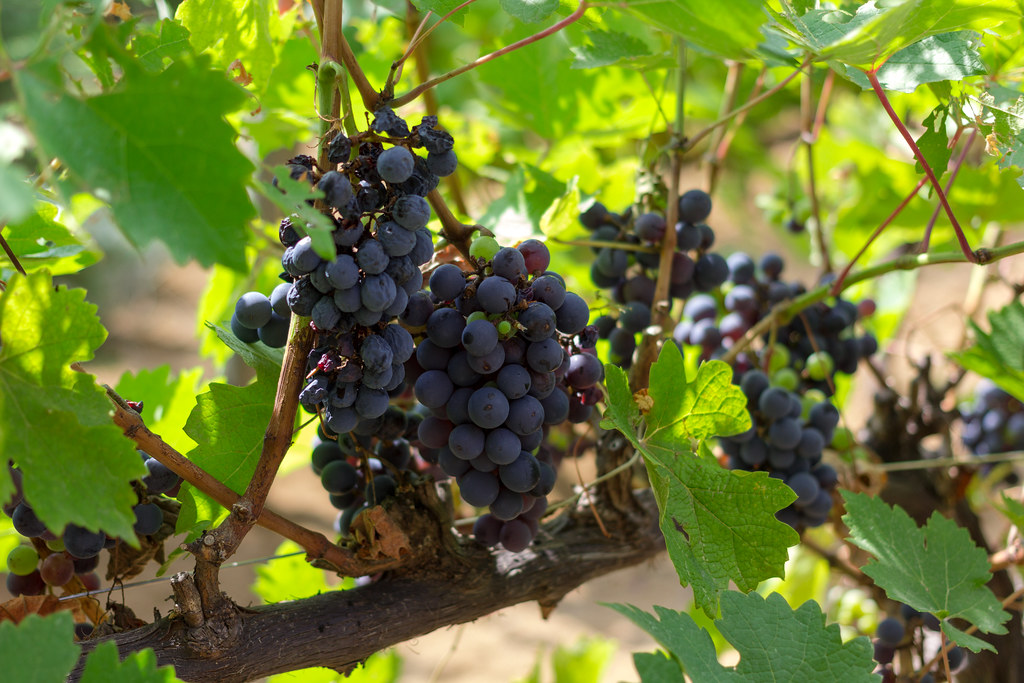
 
Image result for yamanashi winery

Festivities around Yamanashi

And, here’s one final piece that I think you’ll find to be of particular interest. “Mt. Fuji” + “Lake Kawaguchiko” (one of the “Five Great Lakes” which gathers at the base of Mt. Fuji”) + “Autumn Leaves”, along with the beautiful scenery of Yamanashi prefecture, are celebrated together in one extravagant festival called the “Fuji Kawaguchiko Autumn Leaves Festival!” Live stage events, eating and drinking establishments, as well as souvenir shops, are opened all around a promenade called “Momiji Corridor” along the banks of Lake Kawaguchiko. One stage event that I recommend in particular is a light show which goes on until 10pm. The illuminated autumn leaves against the backdrop of Mt. Fuji make for a spectacular view! This year, it will be held between the 1st and 23rd of November, so please go and check it out!
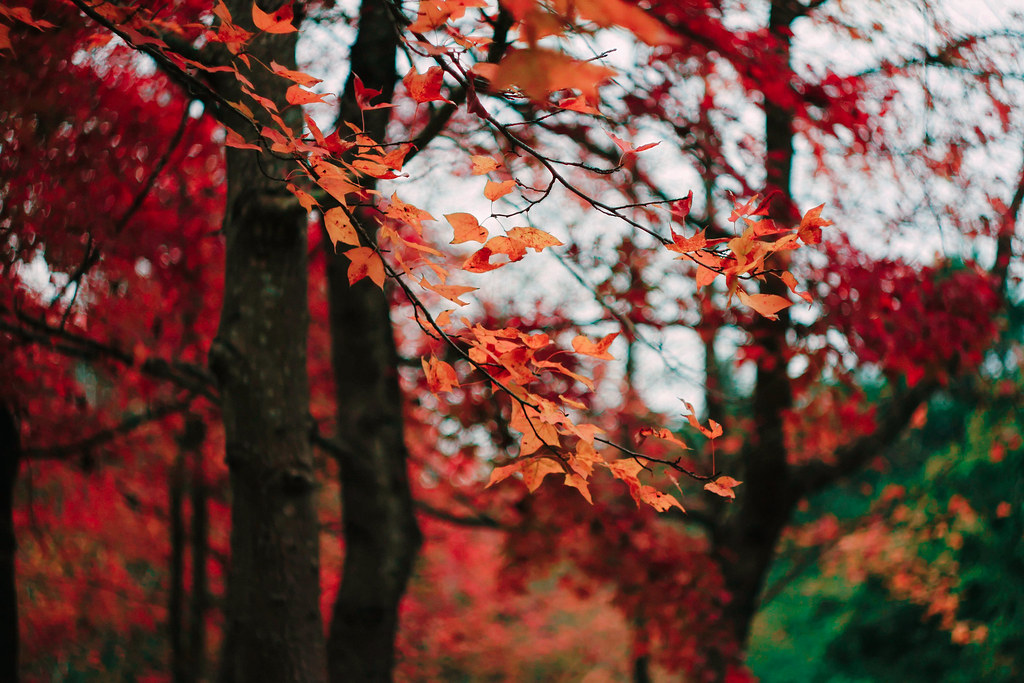
 
Image result for 富士河口湖紅葉まつり


Quiz Time!

Well, then. I will now conclude with an annual quiz!
The dialect of Yamanashi is called “Koshu dialect,” but it is a word that is destructive enough to have been called on TV as a “Japan’s most buzzy dialect” (Haha!) So, what do you think it means when we say “Chobi Chobi Shichoushi!”?
Have a moment to think about it…
Alright, time’s up!
Here are the answers!
“Chobichobi suru” = “ To fool around with or kid someone” + “Shichoshi” = “Do not do (insert noun) “ = “Chobichobi shichoushi!” = “Don’t fool around with me! Stop playing games with me!” or “Stop messing with me!”
Let’s try to remember that, okay? It’s going to be on your next test! If your Japanese teacher says “chobichobi shichoushi!” when you forgot to do your homework, you’ll know that they are definitely from Yamanashi prefecture!
About the Author:  Ayana Nezu has a long history in education and training. In 2017, she joined Coto Language Academy – her first time in a Japanese Language School. She currently is based at our Azabu Coto Japanese Club location and is recently obsessed with Rakugo.
(さらに…)

Almighty Tokyo Prefecture (東京(とうきょう)) doesn’t require much of an introduction. It is after all, the capital of Japan and the most populous metropolis ((と)) in the world.

That being said, the unique political composition of Tokyo may require some clarification, because Tokyo is not your standard city, it is also a Japanese prefecture ((けん)).

It was only in 1943 that the City of Tokyo merged with the Metropolitan Prefecture to form Tokyo-to (東京都), the only ‘to’ of Japan’s 47 prefectures.

Today, Tokyo Prefecture is the third smallest prefecture in Japan, consisting of 23 special wards, all of which are governed like cities. Don’t let size fool you though because Tokyo is bursting with things to see and do, for both locals and travelers.

To start our Japanese Prefecture Series, we’ll be highlighting some of the prime attractions, and of course, learning some relevant Japanese vocab along the way!


Central Tokyo
Northern Tokyo
Western Tokyo
Southern Tokyo
Outer Tokyo
 

Central Tokyo

tsukiji fish market tokyo prefecture japan
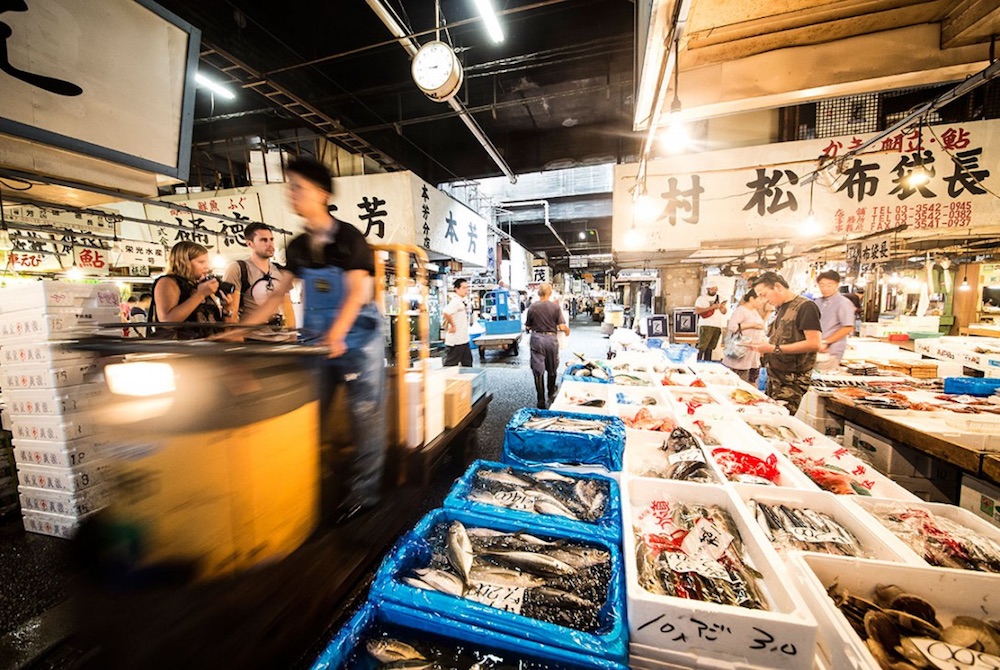
Many of Japan’s first time visitors embrace the jetlag by heading over to Tsukiji Fish Market (築地市場(つきじしじょう)) at the crack of dawn to witness the famous tuna auction.

With over 2,000 tons of produce shifted everyday, Tsukiji Fish Market was one of the world’s largest sakana ((さかな)) markets.

However, as of October 2018, the Tsukiji Inner Market has already been moved to a new site in Toyosu. The Outer Market that sells street food, on the other hand, would still continue to operate as usual.


A short subway-ride away is the Imperial Palace and Gardens which have been home to Japan’s Imperial Family since the capital was relocated from Kyoto to Tokyo back in 1868.

There are already enough ways to spend money in Tokyo, so free admission to explore some greenery is always well-received.

If, however, you are looking for something more fantastical, then only 3 km away is Akihabara (秋葉原(あきはばら)) – an anime, maid café and gaming haven that will delight your imagination.
 

Northern Tokyo

asakusa tokyo prefecture japan
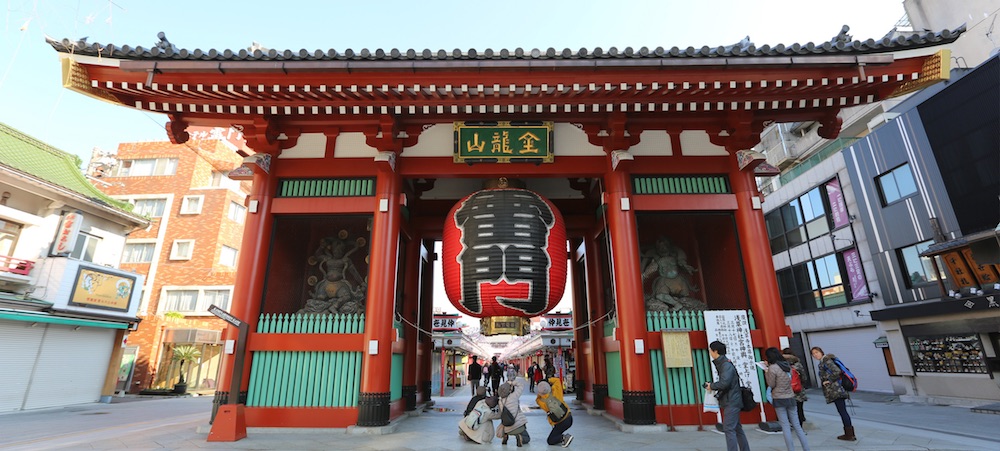
You may be hard-pressed to find pre-1900’s architecture in Tokyo unless you head over to Asakusa (浅草(あさくさ)), one of the only areas to have withstood WWII.

The main spectacle here is Senso-ji, a 7th century Buddhist temple which seems to be busy 24/7 and whatever the weather.


Around the corner is Ueno Park which features a boat-worthy pond, Ueno Zoo, shrines, temples and of course a variety of museums, from the Tokyo National Museum to the National Science Museum.

Ueno is also a great place to bask in the gold leaves of autumn (紅葉(こうよう)) with your favourite coffee.
 

Western Tokyo

shinjuku tokyo prefecture japan
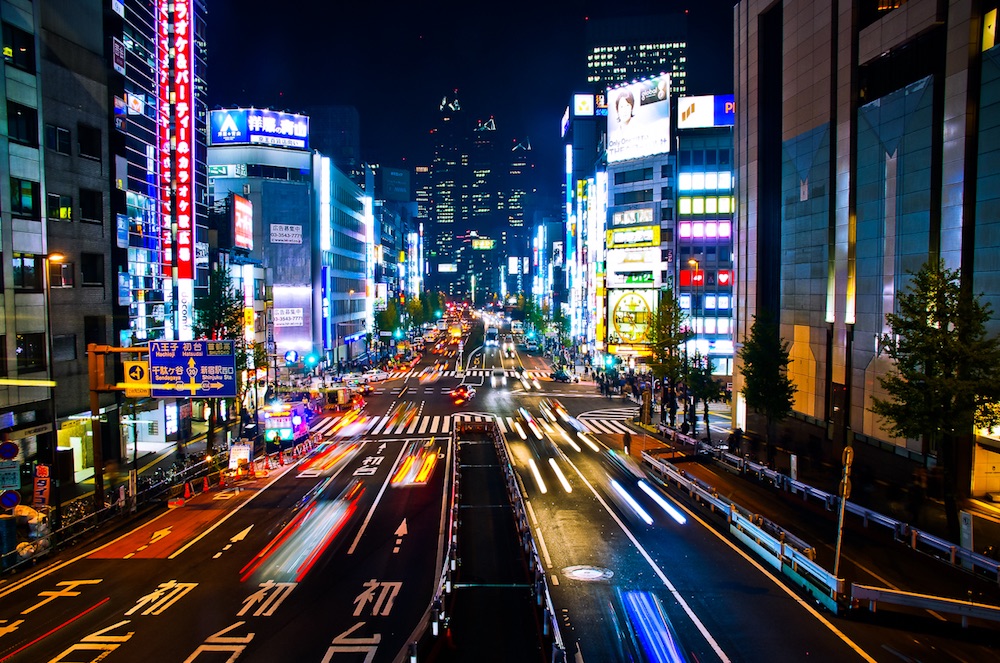
Western Tokyo is home to perhaps the most famous ward of Tokyo – Shinjuku (新宿(しんじゅく)). And the undisputed symbol of this area is its astoundingly huge train station ((えき)) – commonly known as the busiest in the world.

Shinjuku is an energetic entertainment district, it’s the place to feast your eyes, fill your belly and find your fun. It also houses one of Tokyo’s largest parks, Shinjuku Gyoen (新宿御苑(しんじゅくぎょえん)), which has a French, an English, and of course, a Japanese Garden.


The other “Big-S” of Western Tokyo is Shibuya (渋谷(しぶや)) which complements its northern neighbour perfectly with the famous Shibuya Crossing, immersed among shops, bars, karaoke venues, and eateries.
 

Southern Tokyo

odaiba tokyo prefecture japan
 

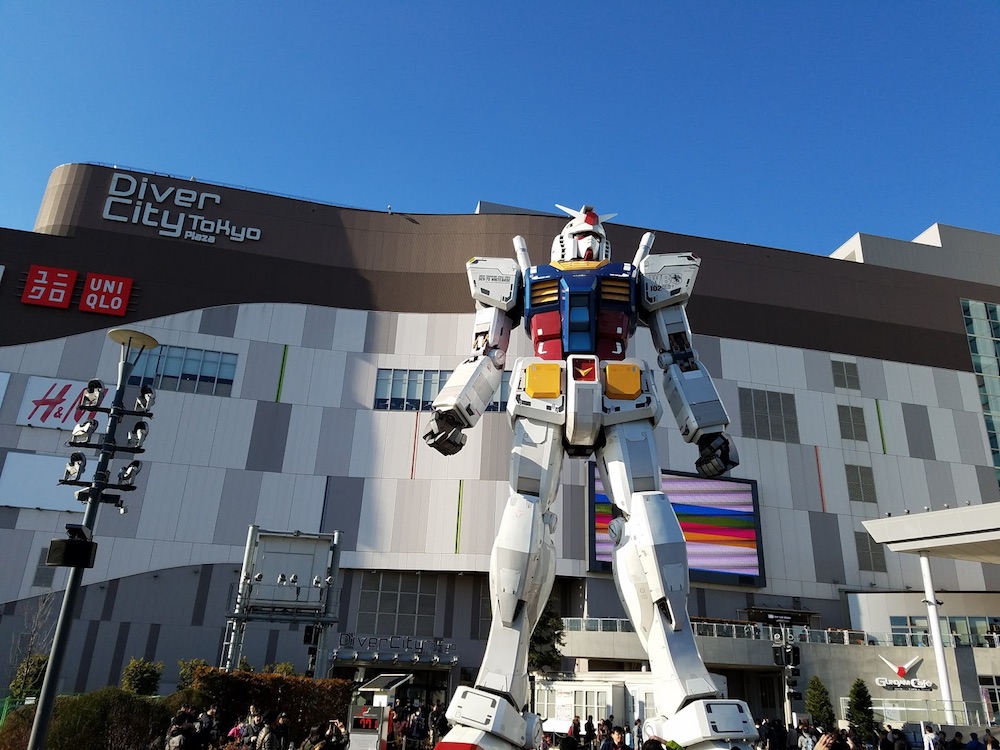
Offering a beautiful sunset across Tokyo Bay, as well as plenty of entertainment options for all ages is Odaiba (お台場(だいば)), one of Southern Tokyo’s most well-known areas.

Here you will find numerous shops and retail outlets, Leisureland, Oedo Onsen Monogatari (a hot spring park) and even a huge Gundam statue.
 

Outer Tokyo

The south-east periphery offers American-style amusement in Tokyo Disney Resort and Disney Sea. On the other hand, the far west offers a bunch of more rural cities like Hachioji, Fuchu, Tachikawa and Musashino, just to name a few.

If you are looking for a calmer affair through hiking opportunities, there are also many mountains of which you can find to the west of Tokyo such as Mount Mitake, Mount Takao, Mount Odake and also Mount Mitou of which we get to climb almost every year! 😀

If you are interested in studying Japanese in Tokyo, find out more about our school by filling out the form below.

[contact-form-7 id=”12634″ title=”Inquiry Form_copy”]
Coto Japanese Academy is a unique Japanese Language School in Iidabashi Tokyo, we offer relaxed and fun conversational lessons for all levels of Japanese learner. Coto Japanese Academy prides itself on its community atmosphere and fun lessons that focus on creation of opportunities to speak and learn Japanese. If you are interested in studying Japanese in Tokyo – please visit our contact page here.

There’s always something to celebrate in Japan. To pay homage to the ocean, Japan has Marine Day (海の日), which falls on the third Monday of every July. With over 73% of Japan’s terrain being mountainous, Japan’s newest public holiday, Mountain Day (or Yama no Hi), definitely seems like another fitting addition.

Created as a day to honor and give thanks to the blessings of the mountains, Mountain Day was officially announced in 2014, and first observed in 2016 after campaigns by various mountain-related groups. Mountain Day, or Yama no Hi (山の日) in Japanese, occurs annually on August 11.

In 2022, Mountain Day falls on a Thursday. Next year, in 2023, you’ll feel luckier; it will be on a Friday, making a three-day weekend that’s perfect for a summer getaway trip.

This national Japanese holiday brings the total number of public holidays in Japan to 16 — the most of any other G8 country. Despite the Happy Monday System, which moved several public holidays to Mondays, creating three-day weekends, Mountain Day takes place on the same date every year. To find out more about Japan’s newest holiday and how to adore the mountains from Tokyo, read on.


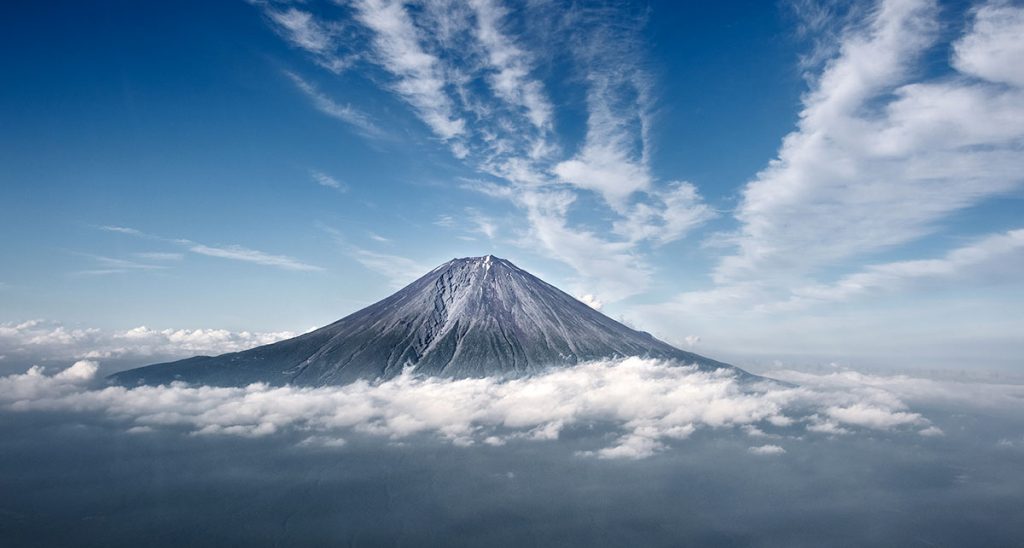
Mt Fuji, image, photo, picture

How Was the Mountain Day Date Chosen?

Before Mountain Day was officially passed as a national holiday, it was already being celebrated on 11th August in various places across Japan. Apparently, this date was chosen because the eighth month is denoted by the kanji ‘八’ – which resembles a mountain, and ‘11’ – which resembles two trees. Additionally, there are no other public holidays in August, so it was hoped that people would stop working to enjoy the mountains, or at the very least, boost spending in the economy.

Is Mountain Day Unique to Japan?

Worldwide, there are two other ‘Mountain Days’: a student celebration in the U.S where lessons are canceled without prior warning and students head to the mountains for the day, and International Mountain Day on 11th December, which was created by the United Nations General Assembly to encourage sustainable development in the mountains.

What about the other Prefectures in Japan?

With so many mountains and sights to see over the Nagano and Yamanashi Prefecture, why not try visiting there on Mountain Day! The sights are sure to leave you in awe as they are absolutely breathtaking!

How is Japan’s Mountain Day Celebrated?

As a such new addition, no established customs are honoring this day. Although, the general recommendation is to spend time connecting with, exploring and appreciating the mountains by hiking, walking or climbing.

How You Can Celebrate Mountain Day in Tokyo

For us Tokyoites, hiking and nature immersion may be most accessible in Mount Takao, western Tokyo. This tree-topped mountain is one of the easiest places to lap-up the highland scenery, and there are numerous trails available, with the most popular only taking 90 minutes. Other popular mountains near Tokyo include Mt. Mitake, Mt. Mito, Mt. Tsukuba and Mt. Mitsutoge.

If you can’t get to the mountains but would still like to see them, why not view them from an observation desk? Bunkyo Civic Centre offers spectacular views across Shinjuku towards Mount Fuji – and it’s free. Don’t forget to check visibility in advance!

A simple way to appreciate the blessings of the mountains is to visit an onsen. Perhaps you could visit one near home, or if you want to make a day of it, venture to Oedo Onsen Monogatari.

You don’t have to be a professional to paint or draw. Said to lower stress, and improve creativity, sketching your favorite mountain is another way to commemorate Mountain Day. Why not unleash your creativity and invite some friends to join you?

Want to find out more about Coto Japanese Academy? Try taking a look at the various Japanese Language Courses we offer!


If you are interested in studying Japanese in Tokyo, find out more about our school by filling out the form below.

Did you know that not until the Meiji era (1868 – 1912), Japanese surnames did not exist to ordinary men and women? Today, Japan has a shockingly high number of 100,000 surnames in total!

During the Meiji era, the government required all citizens by law to register under a surname. While many decided to choose surnames that were already in use, there were also many who made up their own.

Many of these surnames have meanings to them and some even reflect how life was like back then in Japan!

You may notice that in some surnames, the kanji characters have relations to nature, locations or geographical features, such as mountain (山 yama), tree (木 ki), rice field (田 ta), bridge (橋 hashi), village (村 mura), middle (中 naka) etc.

In this blog, we will be sharing with you in ascending order, the top 5 most popular surnames in Japan, their meanings and a brief history behind them!

Top 5 Most Popular Japanese Surnames

japanese most popular surnames watanabe

5. 渡辺 / 渡邊 Watanabe

渡辺 / 渡邊 (Watanabe) is the fifth most popular surname in Japan, with a population of 1,150,000 people using it!

渡辺 / 渡邊 (Watanabe) means ‘to cross over a river’. This surname is originally a place name and refers to a location in the Osaka Prefecture of Japan which was settled by descendants of Emperor Saga (786 – 842). The first bearer of the Watanabe name was Minamoto no Toru, a son of Emperor Saga!

most popular japanese surnames tanaka

4. 田中 Tanaka

田中 (Tanaka) is the fourth most common surname in Japan, with a population of 1,350,000 people using it. 田 (Ta) means ‘rice field’ and 中 (Naka) means ‘in, middle’. Hence, 田中 (Tanaka) means ‘the center of rice fields’.

This surname originated from people who owned or worked with rice paddy fields during ancient Japan. Back then, owning a rice paddy field was a symbol of wealth.

As a way to show others their prosperity, a Japanese family with a house in the middle of their rice paddy field started calling themselves 田中 (Tanaka), and that is how it transitioned into people using this surname!

most popular japanese surnames takahashi

3. 高橋 Takahashi

高橋 (Takahashi) is the third most common surname in Japan, with around 1,450,000 people using it.

高 (Taka) means ‘tall, high’ and 橋 (Hashi) means ‘bridge’. This surname originated from a land in the Nara Prefecture of Japan, where it is said that there used to be a long bridge over a deep valley, and the surname was hence created from that situation. This surname is frequently found in eastern Japan and the Ryukyu Islands.

most popular japanese surnames suzuki

2. 鈴木 Suzuki 

Does the name 鈴木 (Suzuki) sound familiar to you? You may be thinking of the Japanese car brand right now, but Suzuki is also a popular surname in Japan!

It is the second most common Japanese surname with around 1,750,000 people having it. Fun fact! The founder of Suzuki Motor Corporation is named none other than… Michio Suzuki!

鈴 (Suzu) means ‘bell’ and 木 (Ki) means ‘tree, wood’. This surname originated from the land called Ise Shima Peninsula in the Mie Prefecture of Japan. The people who lived there used to gather rice straws which they called ‘Suzuki’, and that was how the surname came about!

most popular japanese surnames satou satō

1. 佐藤 Satō 

佐藤 (Satō) is the most common Japanese surname with an estimated 2,000,000 people having it!

佐 (Sa) means ‘to assist’, and 藤 (Tō) suggests the historic 藤原 (Fujiwara) clan from the Heian Period (794 – 1185). Back then, a great number of people used 藤原 (Fujiwara) as their surname.

As it became inconvenient to address so many people with the same surname, people started making their own surnames by combining 藤原 (Fujiwara) with other words, such as the name of their region or their job.

And eventually, that was how the surname 佐藤 (Satō) got created!

If you are interested in studying Japanese in Tokyo, find out more about our school by filling out the form below.

Alphabet is the foundation of the English language, and the same thing can be said about hiragana in the Japanese language. Mastering hiragana is important for anyone who wants to learn the basics of Japanese. As one of the two Japanese alphabets — right next to katakana — hiragana is used for both Japanese grammar and function words.

Because of this, having a strong foundation of hiragana means having a generally strong foundation of Japanese skills, too. Yet despite its importance, it shouldn’t take a long time for you to master hiragana. In fact, with the right teacher and support, it should take no longer than a week for you to master hiragana, including reading and writing them. Hiragana’s shapes are relatively simple, especially if you compare them to kanji. Dwell no further. In this blog series, we’ll be breaking down all the Japanese phonetics (AIUEO or あいうえお) for beginners.

Want to take your kanji skills up a notch? Check our comprehensive kanji page for study tips, kanji life hacks and free worksheets!

Today’s Japanese Hiragana: Wa (わ)

Wa (わ) consists of the consonant “w” and the Japanese vowel “a”. Pronouncing the wa sound is pretty easy, too — you purse your lips and open your mouth when you make the sound. As the last kana or Japanese alphabet on every hiragana chart, wa (わ) is often associated with a word on a brighter note: warai (わらい), meaning laughter.

There’s a Japanese proverb that goes warau kado ni wa fuku kitaru (笑う門には福来る), and who can say no to that? The phrase means “good fortune and happiness will come to those who smile.”

And who shouldn’t live by the statement? In Japan, owarai (お笑い) is a broad term used to describe Japanese comedy. They can be seen on televisions and, just recently, YouTube, but owarai is a deep-seeded representation of Japanese culture. You’ll find that a lot of Japanese comedy can be traced from thousands of years ago, passed from one generation. There are three styles of owarai that perfectly captures the essence of Japan.

Manzai

Manzai was once a traditional art of storytelling with roots that stemmed from the Heian period. Believed to have its beginnings from the song and dance performances, manzai perfomers would tour around courts, shrines and temples in celebration of the newyear. Manzai was reintroduced in Osaka by Yoshimoto Kogyo, and has since structured modern Japanese comedies.

Today, manzai is generally performed by two comedians, who play the roles of boke (ボケ) and tsukkomi (ツッコミ). Another characteristic is that the pair tend to match their outfits with each other. Boke, otherwise known as the funny man, delivers funny (and otherwise stupid) lines. They’re forgetful and airheaded, and it’s precisely their silly mistakes that stresses their partner, tsukkomi. Tsukkomi will usually hit the boke’s head or chest in retaliation.

Conte

Originating from the French word, “conte,” refers to funny skits. In Japanese, the word is written as konto (コント). It’s a type of manzai performance that focuses on storytelling, so it’s not uncommon to find a conte incorporating props and elaborate stage settings. In recent years, you can find a lot of rapid-fire short conte, which only goes less than 30 seconds.

Rakugo

Rakugo is a type of traditional Japanese storytelling that has been handed down since the early modern era. Performers sit on a zabuton cushino, centered on a stage, and let their bodies narrate the story. Interestingly enough, rops, costumes and music are abandoned in favors of fans and tenugui (thin cotton towels). A rakugo performer will adopt various gaze, postures and demeanors to play multiple roles. It is through the performer’s skill and sublime imagination that we can see a world unfurled and understand a deeper meaning in the art of Rakugo.

Pop Quiz

Here’s a question: In 2015, a certain manzai duo debuted and shocked the world. Who was the partner of a male named Kaneko from Tokyo?

The answer might be mind-boggling to some. Believe it or not, a robot named Pepper debuted as part of a duo called “Peppers”. They were able to successfully get past the first round of “M-1,” the most famous manzai contest in Japan. Kaneko went as far as to create a background for Pepper: a part-time worker born in Tokyo in December 1990.

(さらに…)

Alphabet is the foundation of the English language, and the same thing can be said about hiragana in the Japanese language. Mastering hiragana is important for anyone who wants to learn the basics of Japanese. As one of the two Japanese alphabets — right next to katakana — hiragana is used for both Japanese grammars and function words. Today, we’ll be learning about the Japanese hiragana ro and rotenburo.

Because of this, having a strong foundation of hiragana means having a generally strong foundation of Japanese skills, too. Yet despite its importance, it shouldn’t take a long time for you to master hiragana. In fact, with the right teacher and support, it should only take no longer than a week for you to master hiragana, including reading and writing them. Hiragana’s shapes are relatively simple, especially if you compare them to kanji. Dwell no further. In this blog series, we’ll be breaking down all the Japanese phonetics (AIUEO or あいうえお) for beginners.

Want to take your kanji skills up a notch? Check our comprehensive kanji page for study tips, kanji life hacks and free worksheets!

Today’s Japanese Hiragana: Ro (ろ)

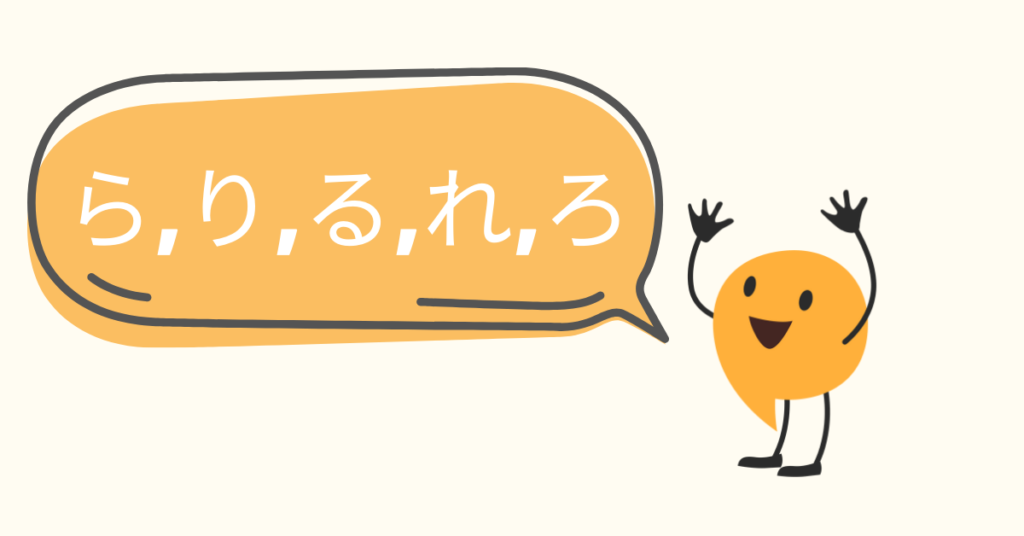
The hiragana characters for the ‘R’ family have one of the most simple strokes — most of them are less than one stroke and, at the very most, two. There’s the ra, ri, ru, re, ro (ら、り、る、れ、ろ). The character for ro is is similar to ru (). The only difference is that there is no tail that curls inward. Remember to follow the stroke order and practice writing them as it is a great way to help you master hiragana in a short time. Be careful not to get ro and ru mixed up.

Learn a Japanese word from Ro (ろ): Rotenburo (ろてんぶろ)

What is a Rotenburo?

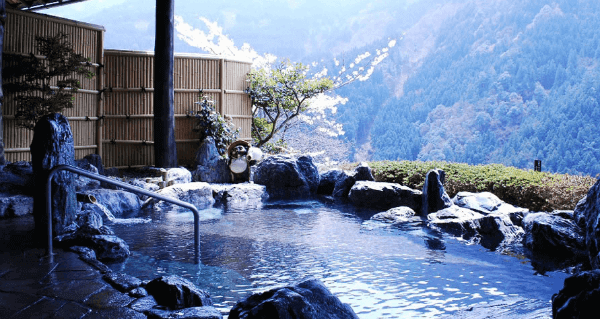
A rotenburo is an open-air hot-spring bath. “Ro” (露) means is exposed without walls or fences. “Ten” (天) means the sky, while “furo” (風呂) is, well, a bath in Japanese. Rotenburo is the second most common Japanese bath, right next to onsen.

Have you ever bathed in a rotenburo?

These days, rontenburo can be found on the rooftops of business hotels and in super sento bath houses even in Tokyo. The scenery can be breathtaking. Soaking your body into warm, mineral-rich hot water while getting the full view of gleaming city skyline is an experience a lot of people dream of. But while city rotenburo are just fine, without a doubt, rotenburo that offer natural views of the mountains or ocean is on another level.

Rotenburo, image, photo, picture, illustration

Author’s experience

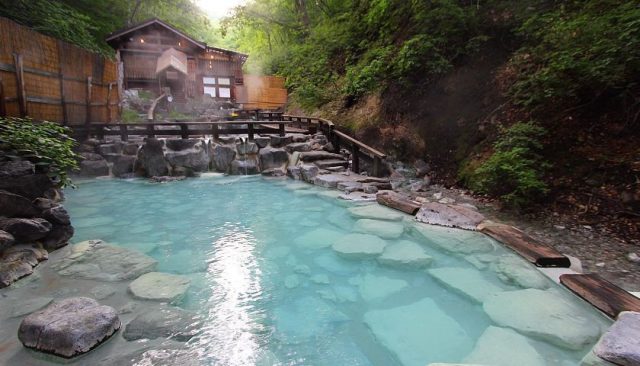
There are a lot of impressive rotenburo. One of the greatest that I’ve visited so far was at an inn in Tobira Onsen spa in Nagano Prefectre. The surrounding was so white it was like stepping into a magical world. I felt like I was in some hazy dream.

Another one I’d like to mention was a rotenburo at an old inn in Ojiro Onsen spa town in Shizuoka Prefecture. The rotenburo was really close to the ocean — or more precisely, it sat on top of the ocean. The hot water would overflow from the bath to the sea water. It was as if I was bathing in the vast open sea instead of a small hot tub.  

Rotenburo, image, photo, picture, illustration

Japan’s Onsen Culture and History

By the way, wouldn’t you agree that the Japanese are unmatched their love of hot baths or onsen? Japan has about 100 active volcanoes, and this is why the country has lots of hot springs. Apparently, there are about 3,000 hot springs scattered throughout all 47 prefectures. There are also theories that say that Japan’s bathing culture started as much as 6,000 years ago, with rotenburo being one of the main predecessors. We can wonder if the Japanese who lived thousands of years ago had the same kinds of feelings about bathing in rotenburo as we do now.

Japan’s bathing culture continued on for centuries since then. During the Edo period (1603–1868), the city of Edo (or present-day Tokyo) had lots of public bathhouses (these were not rotenburo, but baths inside buildings). Not many of the houses in Edo had a bath, so lots of people would go to the bathhouse. Japanese bathouses turn into something. Not just a place for, well, taking baths, it becomes a spot for townspeople to get together and foster a sense of community. 

These days, small bathhouses are disappearing from towns and cities. On the other hand, facilities such as super sento are visited by lots of people, from children to old folks. They enjoy a variety of bathing styles.

About this week’s blog author:

Shigemi Matsumoto was a junior high school Japanese teacher for 23 years before joining Coto Language Academy. He is an experienced Japanese language teacher. He currently teaches Coto’s Intensive Courses (intermediate and advanced), Business Courses and Part-time N1 grammar and reading classes. He is also involved in developing teaching materials at Coto Academy. (さらに…)

Related image

Manners come in many forms and knowing when to use them is very important. In today’s AIUEO blog, we will be explaining some manners that you should take note of, even between friends.

Sample conversation:

A: Earlier on, my teacher said something funny in class, so I said, “Sir, you’re such an idiot” as a joke. And then my teacher smiled, but he seemed somewhat angry. I wonder why.
B: What!? You said “you’re such an idiot” to your teacher!?
A: Of course, it was meant as a joke. I thought my teacher wouldn’t get angry at that.
B: A, there should be “good manners even between friends.”
A: Good manners? Even among friends?
Everyone, have you ever had such an experience?


Why do we need manners?

Good manners are a code of conduct necessary to maintain good relationships with others in society. As represented by phrases such as “have good manners” or “be sure not to be rude,” acting while considering the other party’s feelings, and interacting with the other party while showing respect are basic ways of thinking. For example, when expressing your gratitude, you bow deeply, and when meeting someone for work, you fix your clothes.
I am sure there are many people who are careful when meeting people for work, or in front of someone, they are meeting for the first time.

Manners between friends

However, what is important here is the phrase (concept) “good manners even between friends.” This is the way of thinking that “no matter how close you are to the other party, you have to maintain the minimum level of ‘good manners.'” When we get closer to others, we tend to lose the courtesy in our words and attitude, but it is thought that relationships without good manners will fall through someday. This does not apply just for teachers or superiors like the example provided, but also for family and friends.
Depending on the culture, there are some places where not being considerate of the other party is thought of as a sign of “trust,” but in Japan, it might be easy to understand if you think that maintaining “good manners” towards the other party allows “trust” to be built. “Take the initiative to greet when meeting them,” “if you borrow something, courteously thank them when you return it,” and “use both hands when handing over something.” How about trying to do even small things with those close to you? Surely something should change.
About the author:

Kumi Tanaka

The author for this article is Kumi Tanaka-sensei. She is mainly responsible for the Business Japanese course, JLPT N1 classes, and Intensive courses. Tanaka-sensei is quite popular amongst our intermediate and advanced students! Currently, she is enjoying studying the Vietnamese language.

(さらに…)

Alphabet is the foundation of the English language, and the same thing can be said about hiragana in the Japanese language. Mastering hiragana is important for anyone who wants to learn the basics of Japanese. As one of the two Japanese alphabets — right next to katakana — hiragana is used for both Japanese grammars and function words. Today, we’ll be learning about the Japanese hiragana ra and ramen.

Having a strong foundation of hiragana means having a generally strong foundation of Japanese skills, too. Yet despite its importance, it shouldn’t take a long time for you to master hiragana. In fact, with the right teacher and support, it should only take no longer than a week for you to master hiragana, including reading and writing them. Hiragana’s shapes are relatively simple, especially if you compare them to kanji. Dwell no further. In this blog series, we’ll be breaking down all the Japanese phonetics (AIUEO or あいうえお) for beginners.

Want to get a fuller view of the hiragana chart for your Japanese study? Check out our article on learning hiragana!

japanese-hiragana-ra-ri-ru-re-ro-

Today’s Japanese Hiragana: Ra (ら)

The hiragana characters for the ‘R’ family have one of the most simple strokes — most of them are less than one stroke and, at the very most, two. There are the ra, ri, ru, re, ro (ら、り、る、れ、ろ). The character for ra contains two strokes. Remember to follow the stroke order and practice writing them as it is a great way to help you master hiragana in a short time.

Learn a Japanese word from Ra (ら): Ramen (ラーメン)

When you learn the Japanese hiragana alphabet ra (ら), you may think of the ramen (ラーメン). The world loves ramen, but no one can match the same obsession that Japanese people have. In fact, it’s so popular, that there are over 30,000 ramen shops in Japan. Depending on the area and shop (and local specialties), the taste of the soup and the type of noodles also vary. Everyone has their own favorite, but each one of these bowls is just as delicious. This time, I am going to tell you about the phrases that you need to know when ordering ramen at a shop.

A ramen enthusiast? Check out our article for the best ramen shops in Tokyo (or click here you’re channeling your inner Gordon Ramsey)!

Common Japanese phrases when ordering at a ramen shop

A lot of popular ramen chains in Tokyo provide English menus, but small ramen shops are the true hidden gems — and, most of the time, they will only hand out Japanese menus. Learn these useful Japanese words and phrases so you don’t get lost when ordering a bowl of ramen.

Japanes Vocaulary for Noodles

Let’s start with noodles! Depending on the shop, you might be able to choose how firm you want your noodles.

  • Soft – やわらかめ(yawarakame)
  • Medium – 普通(futsuu)
  • Slightly Firm – やや硬め(yaya-katame)
  • Firm – 硬め(katame)
  • Hard – バリ硬(bari-kata)
  • Wire – 針金(harigane)
As you go down the list, the noodles get firmer. When you challenge noodles with “Wire 針金(harigane)” hardness, it would be best to do it when your stomach is feeling well. 
 
Want to take your kanji skills up a notch? Check our comprehensive kanji page for study tips, kanji life hacks and free worksheets!

Japanese Vocabulary for Ramen Soup Preference

Next up is the soup base. People’s preferences are pretty divided in this aspect.
  • Light – あっさり(assari): Soup is refreshing and not greasy.
  • Rich – こってり(kotteri): Soup is oily with a strong flavor and stock from pork bones.
  • Very Rich and Thick – 超こってり(cho-kotteri): Soup has a very strong flavor with lots of oil.

Japanese Vocabulary for Ramen Toppings

Now we will move on to toppings! What toppings do you like?
  • Cha-siu – チャーシュー(cha-shu): The king of ramen toppings! It is marinated pork that is cooked and thinly sliced.
  • Aji-tsuke Tamago – 味付け卵(ajitsuke-tamago), or Aji Tama味玉(ajitama): A boiled egg that is marinated in soy sauce.
  • Menma – メンマ(menma): Bamboo shoot that is boiled and fermented.
  • Green onions – ねぎ(negi): A herbal flavor that ramen must have! In Kanto(Eastern Japan), white long onions are popular, while green onions are popular in Kansai(Western Japan).

There’s a lot of ways you can customize your ramen — although we can’t guarantee the salaryman beside your booth won’t raise an eyebrow. It’s easy to fall into the temptation of ordering all the toppings. 

Additional Information

On top of all the information above, here’s two additional things which, if you know, would make you an expert!

  1. Kae-dama – 替え玉(kae-dama): Asking for seconds on only the noodles, without soup.
  2. Soup Wari – スープ割り(soup-wari): After finishing the tsukemen noodles, diluting the tsuke sauce with stock soup so that you can drink it.

japanese hiragana quiz fun facts

Quiz!

At a particular ramen shop in the city, there is a menu called “Designated R-20” (individuals who are under 20 years old cannot order from it). So, what’s the secret indgredient in that ramen? ?

The answer is tequila! The menu has a notice, stating “Entirely Alcohol”. I heard that it even comes with lime, which is a must-have with tequila. It seems to be quite a special custom. If you want to experience getting drunk while eating ramen, definitely go try it!

About this week’s blog author:

Ayana Nezu has a long history in education and training. In 2017, she joined Coto Language Academy – her first time in a Japanese Language School. She currently is based at our Azabu Coto Japanese Club location and is recently obsessed with Rakugo. (さらに…)