
We’ve already presented the Japanese slang “nanpa” and “gyakunan” to describe flirting with someone – in particular on the street. This time, let’s get more serious and develop important words for dating in Japanese. Whether you live in Japan for a short time or for a few years, you never know what might happen. Who knows, maybe you will have a date with a Japanese friend tomorrow! So, how would you say dating in Japanese?

How to say “do you have a boyfriend/girlfriend” in Japanese?

First thing first, you might want to know if the lucky one is single. How would you ask “if he or she is already in a relationship? or If she has a boyfriend/he has a girlfriend?” in Japanese?

A natural, idiomatic way to say it would be 「つきあっている人がいますか?」”Tsukiatte iru hito ga imasu ka?”. Literally, “Is there someone you are dating?”. The verb “tsukiau” 「つきあう」「付き合う」is pretty much the same meaning as “dating” in English.

Example:

A:「つきあっている人がいますか?
B: 「彼氏・彼女がいます。」

A: tsuki atte iru hito ga imasu ka
B: kareshi / kanojyo ga imasu.

A: Are you dating someone?
B: I have a boyfriend / girlfriend.
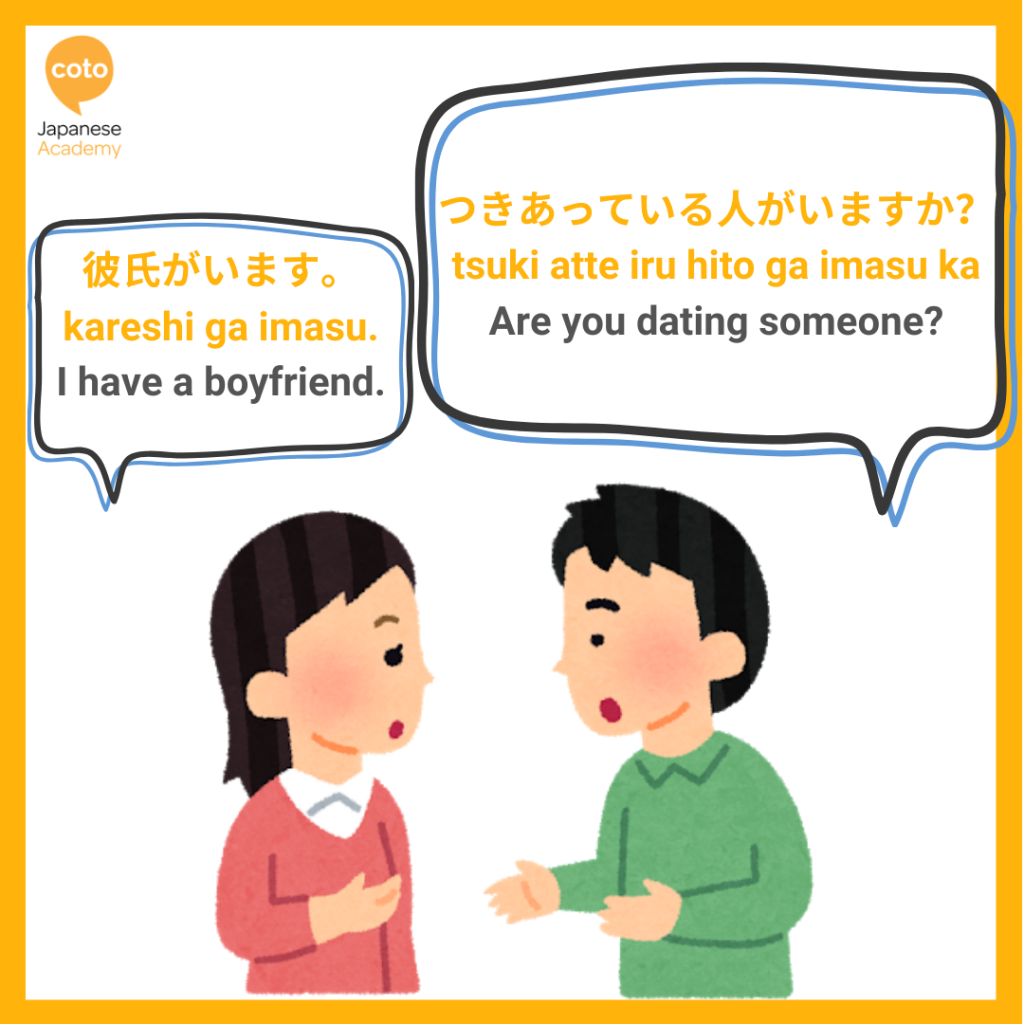
Asking to go on a Date with someone in Japanese, image, boy and girl talking, photo, picture, illustration
Boy asking the girl if she is dating someone

How to say “wanna go out with me?” in Japanese?

If he or she is single, you might wonder how to ask, “Will you go out with me?” in Japanese. Once again, the verb “tsukiau” will be one natural way to ask.

A: 「ぼくと/わたしとつきあってもらえませんか?
A:  Boku to / Watashi to tsukiatte moraemasen ka?

However, it is important to be careful with the verb “tsukiau”. While the broad definition is “to socialize,” the meaning changes greatly according to the context. Let’s review two of the most important nuances.

The main one is “to accompany somebody somewhere”, without any romantic involvement. It can be translated as “to be associated with”, “to go around together”, “to keep somebody’s company”.

  • 今日の帰りに本屋さんに行くんだけど、付き合ってくれない?
  • Kyou no kaeri ni honya-san ni iku n da kedo, tsukiatte kurenai?
  • “I’m going to the bookshop on the way home today. Would you like to come along with me?”
  • 「人と付き合うのを嫌う」
  • Hito to tsukiau no wo kirau.
  • To be insociable (to prefer one’s own company).

The second meaning is specific to love, as it means “to be in a boyfriend-girlfriend relationship.”

  • 3年付き合ってた彼と別れたばかりで、今付き合ってる人はいません。
  • San-nen tsukiatteta kare to wakareta bakari de, ima tsukiatteru hito wa imasen.
  • I’m not going out with anyone at the moment. I’m just broken up with a guy I was with for three years.
  • 君達はいつからつきあっているのですか。
  • Kimitachi wa itsu kara tsukiatte iru nodesu ka
  • How long have you been dating?

Another word for dating in Japanese

Another way to talk about dating in Japanese would be through the word “deeto” 「デート」 which derived from the English word “date”. The word was first introduced to the Japanese language at the end of the 19th century and became popular among the young generation of the middle class during the 20th century. It was used to express the day and time a man and a woman decide to meet. The introduction of the American dating culture was a culture shock, as previously, Japanese did not go on dates casually but always with the mindset of marriage.

  • デートする」”deeto suru” to go on a date with
  • 彼氏・かのじょとデートがある」”kareshi/kanojyo to deeto ga aru” = to have a date with your boyfriend/girlfriend”
  • デートに行ってくれますか?」”deeto no itte kuremasen ka?” = Will you go on a date with me?
  • 彼女をデートに誘った。」”kanojyo wo deeto ni sasotta” = I asked her for a date.

You might wonder if there is a difference between “deeto” and “tsukiau”. Well, deeto would be used for a few casual dates with someone, whereas “tsukiau” implies a deeper relationship with that person. How many dates you should have before it’s a relationship is still a mystery!

  • 付き合うまで何回デートする?」”tsukiau made nan kai deeto suru?” “how many date before being in a relationship?”

Now, that you have learnt how to say dating in Japanese, you are ready to go out asking someone on a date! If that date is successful, how would you ask to meet again?

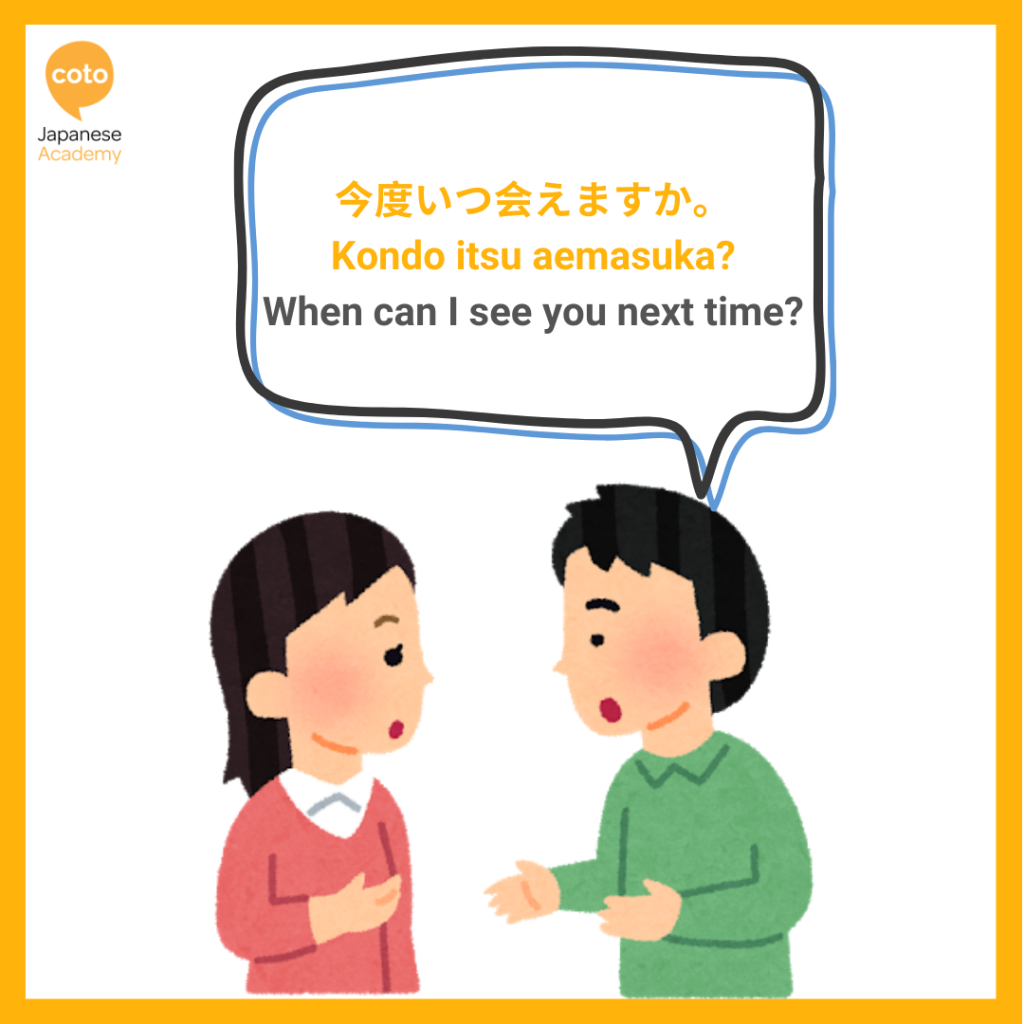
  • 今度いつ会えますか。
  • Kondo itsu aemasuka?
  • When can I see you next time?
Asking to go on a Date with someone in Japanese, boy asking girl, image, photo, picture, illustration
Boy asks the girl if he can meet her next time

If someone decides to cancel on you last minute, do you know what it’s called in Japanese slang? Find out more here!

Dating Culture in Japan – Valentine’s Day and White Day

Valentine’s Day (バレンタインデー) and White Day (ホワイトデー) are two significant romantic holidays in Japan, each with its unique traditions. Valentine’s Day is on February 14th, and White Day is on March 14th. 

Unlike in many Western countries where men and women exchange gifts on February 14th, Valentine’s Day in Japan is primarily a day for women to give chocolates to men. There are different types of chocolates given on this day: “honmei choco” (本命チョコ) is meant for romantic partners, “giri choco” (義理チョコ) is given to colleagues and male friends out of obligation, and sometimes “tomo choco” (友チョコ) is shared among female friends. To read more about this, read our blog here.

Exactly one month later, on March 14th, White Day, men who received chocolates are expected to return the favor with a gift typically valued at two to three times the amount they received. Common gifts on White Day include chocolates, cookies, marshmallows, jewelry, and even plush toys, depending on the nature of the relationship. Usually, reciprocating also means that the man has accepted the woman’s feelings for him, meaning he accepts to become a couple together or start dating!

Valentine’s Day and White Day remain culturally important. They add a structured element to Japanese romantic customs, emphasizing thoughtfulness and reciprocity in relationships.

Dating Sites or Apps in Japan

Online dating in Japan has grown significantly in recent years, with more people turning to dating apps and websites to find relationships. While traditional matchmaking methods like 合コン gokon (group blind dates) and お見合い omiai (arranged meetings for marriage) still exist, dating apps have become a mainstream way to meet potential partners, especially in urban areas. 

Regarding using these dating sites or apps in Japan, Japanese users prefer detailed profiles with clear photos and descriptions of hobbies, jobs, and interests, favoring selfies or professional-looking pictures over group photos. Good to note is that many apps nowadays require identity verification to reduce fake accounts. In Japan, messaging your interest tends to start formally (です・ます form) before gradually becoming casual, with users taking time to get to know each other before meeting. If the chat went well, it is about time to meet in person. First dates are usually low-pressure, often at a café, with some preferring group outings first. Most importantly, punctuality and politeness are important, and being too forward can be off-putting.

Most Popular Dating Sites in Japan

There are a couple dating apps and sites that are used widely in Japan, here are a few suggestions:

  • Pairs (ペアーズ) – This app focuses on long-term relationships.
  • Omiai (お見合い) – Similar to Pairs, but more marriage-focused.
  • Tapple (タップル) – More casual and fun, great for younger users.
  • with (ウィズ) – Uses personality tests to match users.
  • Tinder – More popular among foreigners and those looking for casual dating.
  • Bumble – Similar to Tinder.

FAQ

How do I ask someone on a date in Japanese?

  • デートに行きませんか? (Dēto ni ikimasen ka?) – “Would you like to go on a date?”
  • 今度、一緒にご飯でもどうですか? (Kondo, issho ni gohan demo dō desu ka?) – “How about grabbing a meal together sometime?”

How do I ask someone out casually in Japanese, without making it sound too serious?

  • 今度、一緒に遊びに行かない? (Kondo, issho ni asobi ni ikanai?) – “Want to hang out sometime?”
  • お茶でもどう? (Ocha demo dō?) – “How about some tea?” (Casual and light)

What if I want to ask someone out formally or politely in Japanese?

  • よろしければ、食事に行きませんか? (Yoroshikereba, shokuji ni ikimasen ka?) – “If you’d like, shall we go for a meal?”
  • お時間があれば、お茶でもいかがですか? (Ojikan ga areba, ocha demo ikaga desu ka?) – “If you have time, how about some tea?”

How do I respond if someone asks me out in Japanese?

Yes (Accepting the Date)

  • いいですね!行きましょう! (Ii desu ne! Ikimashou!) – “That sounds great! Let’s go!”
  • 楽しみです! (Tanoshimi desu!) – “I’m looking forward to it!”

No (Declining Politely)

  • すみません、その日は予定があります。 (Sumimasen, sono hi wa yotei ga arimasu.) – “Sorry, I have plans that day.”
  • ごめんなさい、ちょっと忙しいです。 (Gomen nasai, chotto isogashii desu.) – “Sorry, I’m a bit busy.”

What are some good date spots to suggest in Japan?

  • カフェ (Cafe) – Casual and relaxed
  • 公園 (Kōen – Park) – Nice for a walk and conversation
  • 映画館 (Eigakan – Movie theater) – Classic date idea
  • 水族館 (Suizokukan – Aquarium) – Romantic atmosphere
  • 神社・お寺 (Jinja / Otera – Shrine/Temple) – Cultural and scenic

How do I ask someone if they are free on a specific day in Japanese?

  • 〇〇日は空いていますか? (〇〇-nichi wa aite imasu ka?) – “Are you free on [date]?”
  • 週末は暇ですか? (Shūmatsu wa hima desu ka?) – “Are you free this weekend?”

How do I confirm the time and place for the date in Japanese?

  • 何時にどこで待ち合わせしますか? (Nanji ni doko de machiawase shimasu ka?) – “What time and where shall we meet?”
  • 〇〇駅の前でいいですか? (〇〇 eki no mae de ii desu ka?) – “Is in front of [station] okay?”

Featured image by Kelly Sikkema on Unsplash

What’s ダメもと (Damemoto)?
Conversational Uses…

When you are learning a foreign language, studying slangs is a nice and fun way to widen your vocabulary. Not only will you speak more fluently but you will sound more like a native speaker. Moreover, slang gives you an interesting point of view on society. Let’s learn more about the expression “damemoto”.

What’s ダメもと (Damemoto)?

In life, no matter what you choose to do, you will not make things worse for yourself or create a situation that you are at a disadvantage. Let’s simplify things with a perfect example: a job offer. You read an interesting job offer online and you would like to apply, but you are not sure if your profile matches the job requirements. Well, why don’t you apply and see what happened next? Because…

You’ve got nothing to lose!

The Japanese slang has a perfect expression for that concept and it is easy to remember: “damemoto de __ suru”. You will say “damemoto” whenever you think something probably can’t be done, but there is nothing to lose if you go for it. It expresses the act of doing something with little expectation.

“Damemoto” is a contraction of “dame de moto moto.” Where “ダメ (Dame)” originally meant no good, hopeless or can even be used to disallow something from happening. 元々 (もともと/Moto Moto), on the other hand, refers to “from the start” so there’s nothing that’s hopeless nor bad from the start! 

“Dame de moto moto” can sometimes also be used instead of “damemoto”. You can translate it in many ways: there is nothing to lose, might as well give it a go or there is no reason not to try.

Conversational Uses…

First, let’s see the slang “damemoto” used in a conversation between colleagues:
A:今年の夏に、できれば一週間休みを取って海外旅行をしたいんだけど、部長が何て言うか心配…。
B:いいって言うかもしれないでしょ。ダメもとで聞いてみなよ。
In romaji:
A: Kotoshi no natsu ni, dekireba isshuukan yasumi wo totte kaigairyokou wo shitai nda kedo, buchō ga nan teyuuka shinpai…
B: Iitte iu kamo shirenaidesho. Dame moto de kiite mi na yo.
Let’s read the English translation:
A: I want to see if I can take a week off this summer to travel abroad but I’m not really sure what to say to my boss…
B: He might say yes. Just ask, you’ve got nothing to lose.
And now, let’s read a conversation between friends:
A: 2クラスで転送女の子はすごく可愛いよな。
B: 話しかけてみれば?
A: う~ん、そういうの苦手なんだよね。
B: ダメもとでさ! 行ってみろよ!
A: わかったよ。えぇい、ダメもとだ!
In romaji:
A: Kurasu de tensou on’nanoko wa sugoku kawaii yo na.
B: Hanashikakete mireba?
A: Un, souiu no nigatena nda yo ne.
B: Dame motode sa! Itte miro yo!
A: Wakatta yo. Eei, dame motoda!
Let’s read the English translation:
A: The transferred girl in 2-class is very cute.
B: Go and talk to her, then.
A: Well, I’m no good at chatting girls up.
B: What’s to lose? Go, man! Go!
A: All right ! Might as well give it a go!

Damemoto is a very useful expression, however, as you have all understood by now, you can only use it in casual context with colleagues you know well or your friends! And remember… Whether you wonder if you can ask a girl out on a date or if you can make a reservation at a popular restaurant, you have nothing to lose trying!

Damemoto da! ダメもとだ!

Credit CC BY 2.0: Tomoyuki Kawashima
Title: bud
Flickr

Coto Japanese Academy is a unique Japanese Language School in Iidabashi Tokyo, we offer relaxed and fun conversational lessons for all levels of Japanese learner. Coto Japanese Academy prides itself on its community atmosphere and fun lessons that focus on creation of opportunities to speak and learn Japanese. If you are interested in studying Japanese in Tokyo – please visit our contact page here.

As in other languages, Japanese slangs are important in daily conversations. Today, let’s take a look at one phrase that you can immediately use in your life

Microwaving your Bento/Food
What did it Originate from?
Using it in Casual Conversations
 

Microwaving your Bento/Food

Do you often buy prepared meal to warm up with a microwave oven? In Japan, takeout or home-packed meal, commonly known as “bentō” 「弁当 in Japanese cuisine are mass produced and sold everywhere.

A bentō holds rice with fish or meat and vegetables in a box-shaped container. Some might have a debate over the nutritional value of a prepared dish. Nevertheless, it had been clear that since the 80s, bentō had already become an integral part of the Japanese’s daily life.

There are several reasons. Working hours are quite long and Japanese people are sometimes so busy that they do not have time to prepare proper meal or even to go to the food court. As such, they some would just run to the closest convenience store to buy their lunch. 

A bentō might also be prepared at home in the morning to be eaten in school or at the workplace. This gives the Japanese many opportunities to recycle any leftovers they have from the previous night.

In general, precooked meals had became popular with the emergence of the microwave oven. If that’s the case, what Japanese word would you use to indicate that you are “warming up your bentō in a microwave oven”? Well, it would none other than the Japanese Slang word: “Chin Suru” 「チンする」!

What did it Originate from?

Funny word, isn’t it? The word finds its origin in the sound “chin” that the first household microwave ovens made to notify that cooking was complete. By adding the suffix “~suru” to this sound, it creates the verb “chin suru”: to warm up/cook with microwave oven.

The sound “chin” was so well known in Japan, that it was even used in commercial for a snack, known as “chinchin potato” 「チンチンポテト」. Not to mention that this was a poor choice of words on the part of the company. Well, it sounded kind of inappropriate to say the least.

Nevertheless, the sound of the microwave oven had changed over the years and in Japanese onomatopoeia, the microwave oven now goes by the sound of “pi pi pi” 「ピピピ」. The popularity of the word “Chinsuru”, however, remained.

Surely, it may sound like kid talk, but it is used by all generations. In convenience stores, the clerk usually asks if you need to warm up your meal. The word typically used would be “atatamemasuka”「温めますか?」 which would basically translate to “would you like to have it warmed up?”.

From time to time, the staff may also ask you “chin shimasuka?” 「チンしますか?」. The word itself had also been used very often by takeout companies to advertise the convenience of their prepared meal or to advertise recipes’ books:

料理する時間ながない時、チンするだけ
“When you don’t have time to prepare meal, only warm up”.
忙しい女性へ☆レンジでチンするだけのレシピ
“Only warm up with microwave oven recipes for busy women”
チンするご飯
“Meal to warm up”
 

Using it in Casual Conversations

Let’s see the use of this Japanese slang in a casual conversation!
【朝、夫婦の会話】
夫: じゃあ、いってきまーす。
妻: あ、ちょっと待って!今夜、友達と食事する予定だから、昨日の残り物のおかずで悪いんだけど、チンして食べてくれる?冷蔵庫にいろいろ入ってるから。
夫: あ、そうなんだ。分かった。
【Asa, fufu no kaiwa】
Otto: Jaa, itte kimasu!
Tsuma: Ah, chotto matte. Konya tomodachi to shokuji suru yotei dakara, kinou no nokorimono okazude waruindakedo, chin shite tabete kureru? Reizouko ni iroiro haitteiru kara.
Otto: Ah, sou nanda. Wakatta.

English Translation:
【Morning conversation between husband and wife】
Husband : Well, I am off, see you later.
Wife : Oh, wait a minute! I am going out for dinner with a friend tonight, would you mind to warm up (chin suru) yesterday’s leftovers and eat them? There are various things in the refrigerator.
Husband : Oh, I see. Ok, sure. 

Click this link to read about the Japanese Slang: Jiko chuu!

Credit CC BY 2.0: Ryan Li
Title: Angry Bird in Microwave
Modified by Coto Japanese Academy
source: Flickr

Coto Japanese Academy is a unique Japanese Language School in Iidabashi Tokyo, we offer relaxed and fun conversational lessons for all levels of Japanese learner. Coto Japanese Academy prides itself on its community atmosphere and fun lessons that focus on creation of opportunities to speak and learn Japanese. If you are interested in studying Japanese in Tokyo – please visit our contact page here.

During you learning, knowing some Japanese slangs is a nice and fun way to deepen your vocabulary.

Not only will you speak more fluently but you will sound more like a native speaker. Moreover, slang gives you an interesting point of view on society. Let’s learn more about Japanese slang with the word “otsubone”. 

The working place is not always kind to female workers. Particularly in Japan, it is proven to be difficult for a woman to have a career.

Indeed, traditionnally, a woman is expected to get married and have a family and this point of view is still strong. For many Japanese, after her marriage, an office lady will – should – quit her job to become a housewife.

But in those last decades, Japanese women are more and more willing to keep working, despite the few chances to get a promotion, and do not get married. In Japanese slang, they are called “otsubone“.

Otsubone is an archaism. Historically, the word was a title of honour given to a woman of high ranking, serving the Imperial Houshold or the Imperial Court. To tell the truth, an otsubone was a respected capable woman.

The word was diverted from its original meaning in the 90s, and became a Japanese slang word. Nowadays, an “otsubone” is an office lady over a certain age and level of seniority in a Japanese company who is often single.

Although she has worked in the office for a long time in the same division, she commands others. She is not interested in promotion or pay-raise, but she became influential from behind in the office. 

She is perceived as intimidating and her coworkers feel she is frequently complaining. Even though she is a regular employee, coworkers will treat her with respect, just like they would with the head of the division. Not sure to get the idea yet?

Let’s see a conversation example:

A: 昨日、おつぼねに結婚の報告をしたら、予想通り嫌味を言われたの。
B: やっぱりねー。本当、あの人苦手。。。。

A: Kinō, otsu bone ni kekkon no hōkoku o shitara, yosō-dōri iyami o iwa reta no.
B: Yappari nee. Hontō, ano hito nigate…

A: Yesterday, when I informed that Ms. Bossy Pants about my marriage she said something rude, just as I expected she would.
B: That’s not surprising. I really can’t stand that woman …

Another example…

A:雪国育ちおつぼねの影響により、まだ暖房をつけることができません。
全員は震えながら仕事をしています・・・
B:ウワー、大変ですね!

A: Yukiguni sodachi otsu bone no eikyō ni yori, mada danbō o tsukeru koto ga dekimasen.
Zen’in wa furuenagara shigoto o shite imasu…
B: Uwaa, taihen desu ne!

A: Because Ms bossy pants got raised in a cold place, we cannot start the heater yet.
Everyone has to work while shivering…
B: Uhr, must be hard!

Translation of otsubone is not quite easy, but it would be close to “straw boss” or “Ms. Bossy Pants” in English.

The word ostubone has a negative image and is often used when gossiping behind someone’s back. It connotes spitefulness and a tendency to nag. You shall not used it for your senior coworkers that you look up to with respect.

 Click this link to read about Japanese Slang : Deki-Kon でき婚

Credit CC BY 2.0: Nestor Lacle
Title: West Shinjuku Silhouettes
source: Flickr

Coto Japanese Academy is a unique Japanese Language School in Iidabashi Tokyo, we offer relaxed and fun conversational lessons for all levels of Japanese learner. Coto Japanese Academy prides itself on its community atmosphere and fun lessons that focus on creation of opportunities to speak and learn Japanese. If you are interested in studying Japanese in Tokyo – please visit our contact page here.

If you are interested in studying Japanese, find out more about our school by filling out the form below.

One of the many ways to become more fluent in a foreign language is to study its slangs. Not only will you speak more fluently but you will sound more like a native speaker. 

Let’s see today, how you would say “shotgun wedding” in Japanese. Well, with the expression: “dekikon” 「できこん」「でき婚」!

This expression describes a wedding that is or was arranged to avoid embarrassment due to an unplanned pregnancy rather than out of the desire of the participants! 

You can literally translate as “we already made (a baby) marriage”. Have you heard it before?

Now, let’s take a look at the interesting construction of this Japanese slang word. The first part, “deki” comes from the sentence 「(子どもが)できてしまった」 which means “got pregnant” or “gave birth”.

As the sentence carries a very negative nuance, it is closer in meaning to the expression ” to get knocked up”. 

The second part, “kon” originates from the word “kekkon” 「けっこん」「結婚」 which means marriage. Finally, the both parts “dekikon” were combined as an abbreviation for the following sentence:

  • 「(子どもが)できちゃった(から)結婚(する・した)」
    [(kodomo) ga dekichatta (kara) kekkon (suru・shita)]

The literal translation is “to get / got married because of having conceived a child”. But we all now the underlying meaning: because you conceived a child before getting married, you have to get / had to get a quick wedding to save face”.

The Japanese slang “dekikon” appeared during the 90’s as for some various reasons, wedding triggered by pregnancy increased.

By 2000’s, marriages due to unplanned parenthood became popular among young Japanese of 19/20 years old, as several celebrities such as idols made it a trend in Japan. This way of getting married is also called 「ダブルハッピー」 “double happy” or 「マタニティウェディング」 “maternity wedding”.

If those words have a pretty obvious meaning, there is a third and quite euphemistic way to speak about shotgun wedding: 「おめでた婚」 “omedeta kon”: a “blessed” marriage.

Let’s see the word dekikon used in a conversation between two friends:

(男性の友達同士の会話)
A:実は、再来月に結婚することになったんだ。
B:え?それはおめでとう。ずいぶん急だな。もしかして、でき婚
A:うん、そう…。

(Dansei no tomodachi dōshi no kaiwa)
A: Jitsuwa, saraigetsu ni kekkon suru koto ni natta nda.
B: E? Soreha omedetō. Zuibun kyūda na. Moshikashite, dekikon?
A: Un,-sō…

English Translation
(two male friends are discussing together)
A:To tell the truth, in two months, I am getting married.
B:Wow, that is a great news! Congratulations! That was pretty quick. Wait. Don’t tell me it’s a shotgun wedding?
A:Actually… Yeah.

(女性の友達同士の会話)
A: 聞いた?Cさんは来月結婚するそうです。
B: ええ。でき婚らしいですね。
A: えー、知らなかったです。

(Jyosei no tomodachi dōshi no kaiwa)
A: Kiita? C san ha raigetsu kekkon suru sou desu.
B: Ee. Dekikon rashidesune.
A: E-, shiranakattan desu.

English translation
(Two female friends are discussing together)
A: Have you heard? C san is apparently getting married next month.
B: Yeah. Seems to be a shotgun wedding.
A: Eh? I didn’t know.

Of course, as it is used casually with friends, family, or those close to you, you should avoid using it in more formal conversation.

Click this link to read about how to use the Japanese word: chotto!

Credit CC BY 2.0: amira_a
Title: Let love rule
source: Flickr

Coto Japanese Academy is a unique Japanese Language School in Iidabashi Tokyo, we offer relaxed and fun conversational lessons for all levels of Japanese learner. Coto Japanese Academy prides itself on its community atmosphere and fun lessons that focus on creation of opportunities to speak and learn Japanese. If you are interested in studying Japanese in Tokyo – please visit our contact page here.

When you are learning a foreign language, studying slang is a funny way to deepen your vocabulary. Not only will you speak more fluently but you will sound more like a native speaker. Moreover, slang gives you an interesting point of view on society. 

Introduction
Definition
Examples of Usage

Introduction

If you have been to Japan and met with some Japanese friends, you might know by now how deeply they care to be on time. Indeed, one of the most important values of Japanese society is to respect others. Arriving on time or even better, early, is considered the polite thing to do when you meet with someone. Sadly, no one can always be one time, and sometimes even showing to the date might be impossible! What would you say the day you are stood up by a Japanese? Or what would you say if, at the last minute, you have to cancel a rendezvous with a friend?


Definition

Well, in Japanese slang, it would be “dotakyan (suru)“, 「ドタキャン(する)」, the meaning being “to cancel an appointment at the last minute”. This word is a construction between Japanese and English. The word “dotanba” means “last minute” in Japanese. It is joined with “kyan” short for the word “kyanseru” 「キャンセル」 made on the English “cancel“. Japanese slang words are often made by a combination of Japanese and English.

When you are the one canceling, you will use “dotakyan suru” but if you are the one who got stood up, you will use “dotakyan sareru” 「ドタキャンされる」.

Originally, this expression was a technical word used among those from the entertainment and travel industries. It became common to use it around the 1990’s and is now used by everyone. A quick search on the Internet shows many articles wondering about the reasons why someone would cancel at the last moment and how one should react!


Examples of usage

(1) A conversation with a friend
Woman 1:あれ、どうしたの?何かあった?
Woman 2:ちょっと、聞いてよ。明日デートの約束してたのに、またドタキャンされちゃった

Roma-ji
Woman 1:are? doshitano? nanika atta?
Woman 2:Chotto kiiteyo. Ashita deeto no yakusoku shitetanoni mata dotakyan sarechatta.

English translation
Woman 1 : Oh, what’s going on? Did something happen?
Woman 2 : Listen to this. I had a date tomorrow, but it got canceled at the last moment again!

(2) An email to a close colleague

ごめん!急な仕事が入って、残業になってしまいました。。
今日の飲み会、残念ながら行けません。
ドタキャンで本当にごめんなさい!!

Roma-ji
Gomen, kyuu-na shigoto ga haitte, zangyo ni natteshimaimashita.
Kyoo no nomikai, zannen nagara ikemasen..
Dotakyan de hontoni sumimasen..

Email to co-worker
I’m sorry! An urgent job just came in, so I have to work overtime
It is really regrettable, but I will not be able to go to today’s drinking party.
I’m really sorry to cancel at the last moment!

(3) Simple apologies
昨日はドタキャンしてすみませんでした。

Roma-ji
Kinou ha dotakyan shite sumimasen deshita.

English translation
I am sorry that I canceled at the last minute yesterday.

Of course, you should always be careful to not do “dotakyan” to someone. Of course, canceling a meeting or a date at the last minute is badly seen everywhere, but in Japan, you are considered as extremely rude, and you should always cancel with your deepest apologies. Remember that this expression can be addressed only if you are canceling right before the time given. For example, you cannot use it in an apology to cancel tomorrow’s appointment.


Coto Japanese Academy is a unique Japanese Language School in Iidabashi Tokyo, we offer relaxed and fun conversational lessons for all levels of Japanese learner. Coto Japanese Academy prides itself on its community atmosphere and fun lessons that focus on creation of opportunities to speak and learn Japanese. If you are interested in studying Japanese in Tokyo – please visit our contact page here.

If you are interested in studying Japanese, find out more about our school by filling out the form below.

We want to make it clear that, despite the title, watashi, boku and ore aren’t the only ways of saying “me” in Japanese.

There’s only “me”, “myself” and “I” in English, but when it comes to Japanese first-person pronouns, the options are seemingly endless.

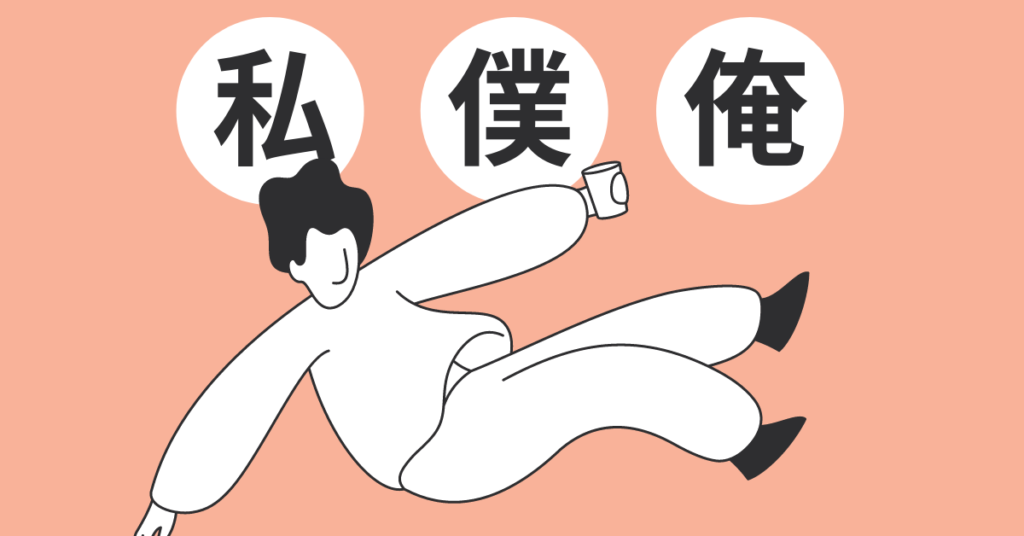
So how do you know you’re using the right “I” in Japanese? If you watch enough anime, films or even the news, you’ll notice a pattern: watashi (わたし) stands as the most basic form of the first-person pronoun. Boku (僕) and ore (俺) are next respectively.

Then again, there are layers of subtext, social factors and psychological distance taken into consideration. The Japanese culture is complex, and this complexity extends to the language, too.

Ultimately, we want you to avoid feeling overloaded. It’s just “I”, after all — why make things complicated? Thankfully, a lot of Japanese speakers don’t even stick to one pronoun. You’ll learn how to differentiate between the “I”‘s and find out which one is best for you.

Jump to Japanese first-person pronouns using:

About Watashi, Boku, Ore — and A Million Other Japanese First-person Pronouns

If English is your native language, here’s a did-you-know: a lot of languages have multiple first-person pronouns, like Vietnamese, Indonesian and Korean. Between all of these, Japan has the most first-person pronouns.

How and when you refer to yourself depends on the person you’re talking to, situation and context. In other words, it depends on how you want to present yourself.

For example, if you use watashi (わたし), it’s considered formal — polite, even. On the other hand, try using ore (俺) in front of your boss and you might risk losing your job in Japan (or, better yet, being told to voluntarily quit from the company).

This is why you’ll notice most Japanese people bouncing from one pronoun to another when they’re with their close friends, family or colleagues.

You’ll notice a lot of them have their go-to pronouns, too. When it comes to gender differences in spoken Japanese, men and women tend to favor different pronouns. Social standing also affects how people refer to themselves, as well as how they refer to other people.

For example, 72% of Japanese men will use “ore” (俺) with their friends. When they’re talking to a stranger, more than 60% of them will use “boku” (僕). On the other hand, to an unknown visitor, 75% of Japanese women will use “watashi”.

Of course, watashi, boku and ore aren’t the only first-person pronouns in Japanese, because they don’t include all the phonetic strains and regional differences.

Ever heard of ‘”ora” (おら)? It’s an informal Japanese personal pronoun from the Kanto dialect, similar to “oira” (おいら). The impression you’ll get when you use this is that of a “country bumpkin” — someone from a very rural area.

We’ll go over other ways to say “I” in Japanese as we dive deeper into the article.

Japanese Language Doesn’t Need First-Person Pronouns

Unlike most languages, Japanese grammar doesn’t require you to include first-person pronouns, so you can omit the watashi, boku or ore. This is because it doesn’t even need a subject in a sentence, to begin with. Let’s take a look at an English and Japanese example.

銀行へ行ってきます。
Ginkou e ittekimasu.
I’m going to the bank (and returning again).

You’ll notice that, in the Japanese example, the typical watashi (わたし) is omitted. The textbook example should have been, “わたしは銀行へ行ってきます” — which would have made more sense of the English translation.

Here, the literal translation is “Going to the bank.” In this context, we know that the person saying that is referring to themself, so you don’t need to put an extra “I” for clarity.

A great rule of the thumb is this: When the meaning is still clear, you can remove pronouns that mean “I” or “you” in Japanese. As a comparison, let’s use the same example sentence from above and tweak the context a little bit.

A: 誰が銀行にいますか?
A: Dare ga ginkou ni imasuka?
A: Who is in(at) the bank?

B:銀行へ行っていますが、家にいます。
B: Ginkou e itteimasuga, ie ni imasu.
B: Going to the bank, in the house.

In the dialogue above, it’s not clear who is going to the bank and who is in the house. In this case, you’ll need to include the pronouns. A better answer should be like the one below:

B:銀行へ行っていますが、お兄さんは家にいます。
B: Watashi wa ginkou e itteimasuga, onii-san wa ie ni imasu.
B: I’m going to the bank, but (my) brother is in the house.

On the other hand, there are verbs that imply the subject and object of the sentence. In English, we use “to give” and “to receive” regardless of who is giving and who is talking.

In Japanese, there are two verbs for expressing ‘to give’: あげる (Ageru), くれる (Kureru); while ‘to receive’ is indicated by もらう. Kureru (くれる) means to “give something from someone to me” (in other words, “receive”), while ageru (あげる) means “me giving something to someone else”.

This rule makes pronouns unnecessary because the subject (giver) and receiver is already insinuated. .

For now, let’s have a look at the different characteristics of watashi, boku and ore. Once your level in Japanese has improved, it may be a good idea to try and change the first-person pronoun you are using.

This can change depending on your character, the setting, or even your conversation partner.

watashi boku ore japanese first-person pronouns

Watashi: 私 (わたし)

It’s the safest choice when you’re a beginner. In formal situations, it’s the safest choice and doesn’t carry any gender nuances.

In casual speech, however, わたし can give off a “feminine” feel, and it’s typically only used by women. When men use it in a casual context — when talking with a friend or family — it’ll sound stiff.

A polite way to refer to yourself, 私 (わたし) is the most general expression that is used by both women and men everywhere from formal occasions to business and public situations. If you are not really close to the person you are talking to, this word would be your best bet to avoid any offense.

But as most Japanese typically avoid referring to themselves, they’d usually just drop the “watashi” from their sentences. Take a look at the example below.

私は和菓子が好き → 和菓子が好き。
Watashi wa wagashi ga suki → Wagashi ga suki.
I like Japanese traditional sweets.

As explained before, as long as it’s clear the sentence refers to yourself, you don’t need to state that “you” like sweets — we know you’re talking about yourself, after all.

Watakushi: わたくし

You’ll hear this word straight out of historical anime, used by noblemen and women.  わたくし, or watakushi, is the more polite version of わたし — the most formal Japanese first-person pronoun, even.

In fact, it’s so outdated that it’s not a part of modern textbooks.

Unless you’re working in a very uptight (or conservative) working environment in Japan, we don’t recommend you to use わたくし. It may be the most “civilized” choice — it sounds sophisticated — but if you use it in semi-formal situations, you’ll ironically sound stiff.

ですが、わたくしたちの思いは貴族には考えなのかもしれません。
Desu ga, watakushi tachi no omoi wa kizoku ni wa kangaena no kamo shiremasen.
However, our thoughts may be that of an aristocrat.

One of the only times we hear someone use わたくし is in official announcements, like when politicians hit the street for their campaigns or when a big public figure apologizes due to a scandal. In other words, if you’re not saying sorry or dwelling in super-serious businesses, you can forget about わたくし entirely.

Atashi: あたし

あたし is not really a new type of pronoun. It’s a shortened, more feminine pronoun that strains from わたし, so it’s not used in written language. Instead, you’ll only hear it in conversations, among younger women and children, who generally have trouble pronouncing “w” from わたし. Because of this, あたし sounds cute and endearing.

Like わたし, there’s a feminine pronoun that strains from わたくし too: あたくし.

Boku: ぼく (僕)

Boku is an expression used by mostly men. Originating from words like geboku (manservant) and kouboku (public servant), this word’s popularity began to spread among the younger generation as they’d use this to refer to themselves in a humble manner.

Although technically ぼく is used to address someone equal or lower to you, you can think of boku as a gentler, semi-formal pronoun alternative. This is why it’s one of the first first-person pronouns Japanese boys learn and commonly use.

もわかんない。
Boku mo wakannai.
I don’t know too.

Boku is perceived as humble, but can also carry an undertone of “feeling young” when used by males of older age. You’ll hear this used on boys among their coworkers, senpai or, yes, bosses.

In formal situations, most men use either 私 or 僕. Even though it’s a common choice for adult men, you may come off as sounding childish and immature — a “mama’s boy”, even. Most young boys use boku in classrooms, but later on, as they get older and more comfortable, they’ll use おれ.

Today, it is more commonly used in close relationships or as a softer alternative to the word “ore” (see below; it sounds more modest, reserved and polite. Because of this, you’ll notice more girls use boku (ぼく) too.

Boku for Young Boys

However, boku can also be used as a second-person pronoun for young boys. It’s a way to refer to a boy you don’t know. You’re basically calling him from his perspective, so the term can come across as endearing and affectionate.

は何歳ですか?
Boku wa nansai desu ka?
Boku (small boy), how old are you?

You’ll notice parents calling their young son by this pronoun, too, adding the suffix ‘chan’ after ‘boku’ (boku-chan). One of our host families once said that they do this to avoid their children using their first names when they want to say “I” — something that a lot of children do. To this, they train their kid to associate themself with “boku” (instead of their real name).

僕ちゃん、何を食べる?
Boku-chan, nani o taberu?
Boku-chan, what do you want to eat?

Ore: おれ (俺)

As a first-person pronoun with an extremely rough image, it is only used in a casual setting between people who are very close. おれ (俺) is written with hiragana or katakana, but you may often find them stylized in katakana, オレ, in manga panels and written Japanese as an emphasis.

You’ll see boys transitioning from using “boku” to “ore” as they grow up. Some people even use おれ (俺) informal sentences but keep in mind that you’ll risk sounding inappropriate.

You might also think that because おれ is the most popular first-person pronoun for Japanese men, you’ll need to jump to using the word as soon as you can speak Japanese.

A word of advice: unless you’re wholeheartedly confident that your Japanese is very, very natural, don’t. Even in close relationships, ore and boku create different images.

おれ can sound cocky, used to indicate aggressiveness and masculinity, so if you mix-and-match おれ with formal sentences (i.e. you’re not ready to speak Japanese effortlessly), you’ll risk sounding awkward. Take a look at two examples below for comparison.

俺は知らねえな。
Ore wa shiraneena.
How the heck do I know.

俺は知りませんでした。
Ore wa shirimasen deshita.
I do not know.

Both mean “I don’t know”, but think of 俺は知らねえな as the equivalent of “How the heck am I supposed to know.” If you mix 俺 with something formal like 知りませんでした, it won’t sound natural, like putting a slang in a formal speech.

As a heads-up for Japanese learners, be aware that using 俺 could make you sound inadvertently cocky. 俺 can also be tricky to master for second-language learners because it doesn’t sound natural unless you speak Japanese really fluidly and effortlessly. 

俺 can sound awkward when other elements in a sentence don’t match the aggressiveness and masculinity of 俺.

You’ll need to “match” the rough vibe of おれ, so if your personality and fluency aren’t there yet, opt back to ぼく.

Uchi: うち

Another way to say “I” in Japanese is うち, a sister term to おれ. In Tokyo, it’s used by young girls. In Kansai, うち is used by both young and older women. In written form, it’s spelled with kana.

You can think of うち as the female version of 俺; it sounds more relaxed than the stiff わたし, so more young girls and women from elementary to college students begin to make this their default go-to pronoun.

In fact, うち is the most used first-person pronoun by female elementary school pupils. But be careful too. Like 俺, using うち can be inappropriate as it sounds slangy and strange when you use it outside the right context, social group and dialect.

うちのせいだ。
Uchi no sei da.
It’s my fault.

More importantly, because うち means “one’s own” or “house”, using it creates a sense of unity or in-group, so you can use it to include your family, company our team.

うちの娘が迷惑をかけてすみません。
Uchi no musume ga meiwaku o kakete sumimasen.
I’m sorry that my daughter caused trouble.

うち is also used in a less formal business setting as a way to say “our company”.

Jibun: じぶん (自分)

Technically, 自分 (じぶん) means “myself”, and it could be made into a Japanese adverb like this:

自分でケーキを作りました。
Jibun de keeki o tsukurimashita.
I made that cake by myself.

自分 can be made into a first-person pronoun, but it does make you sound masculine, modest and distanced. It’s not traditionally used. the informal setting, but it does indicate you’re showing humility and respect to the opposite speaker. Because of this, you’ll hear 自分 used in a lot of sports and military groups.

自分は、嘘をついていませんよ。
Jibun wa, uso o tsuiteimasen yo.
I’m not lying.

In the Kansai dialect, 自分 can also be used as a second-person pronoun, but you may come off as sounding too friendly and coarse. Think of it like saying “You, yourself,” which can carry an accusing nuance if not used correctly.

自分、どこの国なん?
Jibun, doko no kuni nan?
You, where are you from?

Using Your Name As Japanese First-person Pronoun

If you grow up speaking English, it might sound weird to hear that a lot of children from Asian households use their own names to address themselves — including us.

Usually, in Japanese, children tend to use their own name or nickname because that’s what their parents call them. It’s the first identity they associate themselves to, but as they grow up, they’ll transition to preferred Japanese first-person pronouns: boku, ore, watashi (atashi) or uchi.

Still, a lot of us switch to using our names as first-person pronouns when we’re around our family.

For boys who use boku, they risk sounding like a mama’s boy. For girls, it’s when they use their own name (with or without the ちゃん).

If you’re into the kawaii culture, go ahead, but we don’t recommend calling yourself outside of family interactions because people see it as childish or icky — like you’re trying too hard to be cute. Like this:

モエもほしい!
Moe mo hoshii!
Moe (I) want it too!

Adults — mostly women — who use their own name for themselves are considered as burikko (ぶりっ子), a Japanese slang term for girls who pretend to be cute in front of guys to get their attention.

Using Family Role As Japanese First-person Pronoun

This applies when you’re speaking to someone younger, generally. For example, if you’re a mom or a dad, you can call yourself okaa-san (お母さん) or otou-san (お父さん) to address yourself in front of your children.

お母さんは駐車してくるから、ちょっと待ってね。
Okaa-san wa chuusha shitekuru kara, chotto matte ne.
Mom (I) am going to park my car, so wait a moment, okay.

Nowadays, you’ll also find parents using the more-universal mama (written as ママ) and papa (パパ). Of course, family-role first-person pronouns aren’t just limited to moms and dads. As long as that family title can end with a ~さん or ~ちゃん, you can use them (check our article on main Japanese family terms).

It’s also not uncommon to use family terms to someone who’s not your family, but keep in mind that this is only when you’re talking to a child. For example, when you see a small boy seemingly lost in the park, you can call yourself a “Big Sister” (お姉さん・おねえさん).

ママはどこか?お姉さんが、手伝ってあげようか?
Mama wa doko ka? Onee-san ga, tetsudatte ageyouka?
Where’s your mom? Big Sister (I) will help you.

Social Titles As Japanese First-person Pronoun

If you’re a professional — like a teacher, doctor, author or even a manager — you can use that title as your go-to pronoun during work. Again, this really depends on the subcontext. If you call yourself “Sensei” (先生) in front of other teachers, you’ll sound childish.

Commonly, teachers will use 先生 when they’re in the classroom instead of watashi (わたし), boku (ぼく) or ore (おれ).

誰が先生を助けてくれる?
Dare ga sensei o tasukete kureru?
Who wants to help Sensei (me)?

Keep in mind that in the Japanese language,  先生 is used beyond the primary definition of “teacher”. Doctors, authors or judo masters — basically anyone with a specific skill, practical art or technique — use 先生.

Other than that, we’ve also heard store managers using their title tenchou (店長) to address themselves, especially when they’re talking to a young staff.

店長が明日休みだから、お店を頼むよ。
Tenchou ga ashita yasumi da kara, omise o tanomu yo.
Tenchou (I) will take a break tomorrow, so I’ll leave the store to you.

What’s next after learning watashi, boku, ore and these Japanese first-person pronouns? Read more about:

Want to learn more Japanese like Watashi? Take our free Japanese language assessment test

Get in touch with us and find out how we can help you achieve your Japanese language target. If you’re unsure where you are, we provide a free Japanese level check. You can also contact us at info@cotoacademy.com for any questions about course options and details.

Coto Japanese Academy is a unique Japanese Language School in Iidabashi Tokyo. We offer relaxed and fun conversational lessons for all levels of Japanese learners. If you are interested in our courses, please visit our contact page.

Click to tweet this article and share it with others!

Did you know that in the Japanese language, there are many words with multiple meanings? These words can come across very differently depending on the situation you use them in!

In this blog article, we will be sharing with you 10 Japanese words that have multiple meanings, some of which you might even find very familiar too!

1. Yes

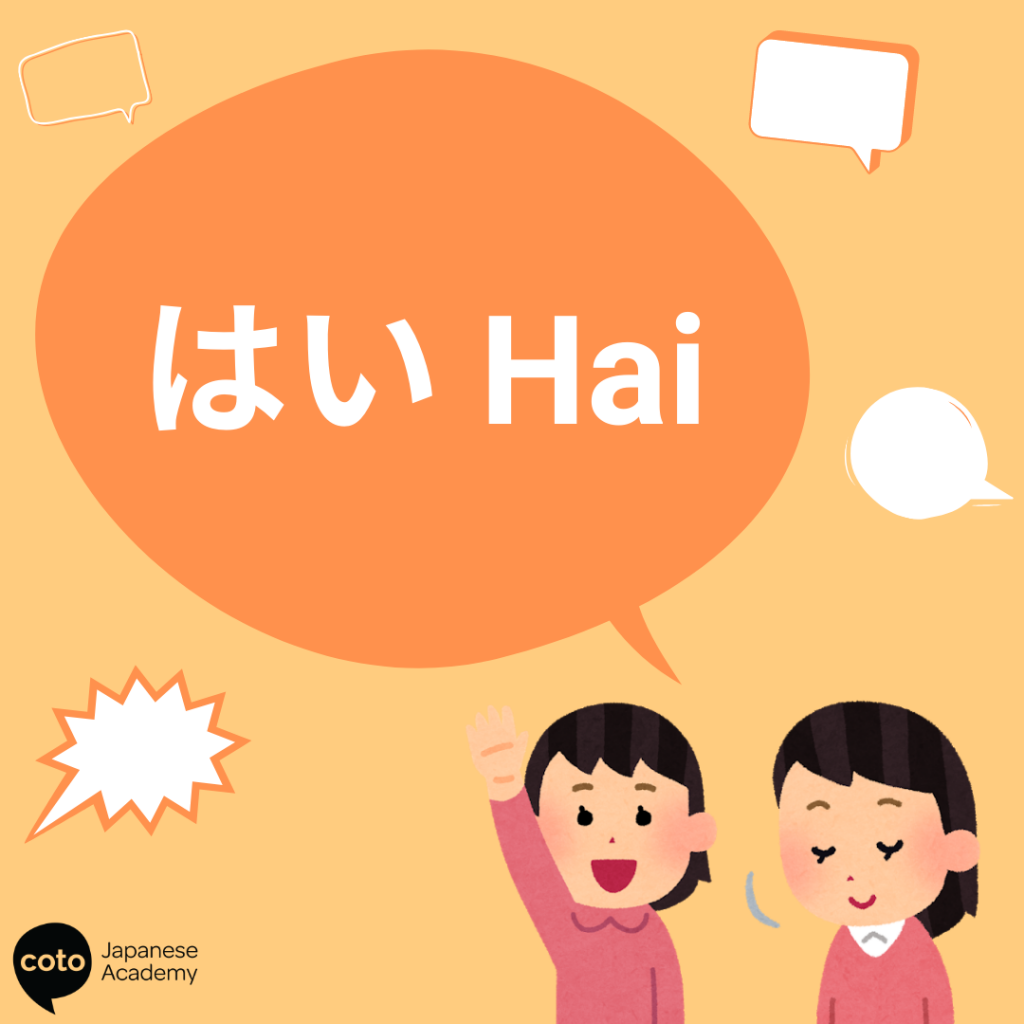
Japanese words with double multiple meanings - hai
Yes Hai literally means “yes” in English.

Everywhere you go in Japan, you can hear people saying “hai, hai” when talking to others. In this case, the other meaning of hai (hai) is “I understand what you are saying” or simply put, being “affirmative”. This links with Aizuchi , which are Japanese conversational interjections, to show active listening. When hai (hai) is used in a conversation, it shows that the listener has attention and interest towards the speaker. Hence, saying hai (hai) does not always necessarily mean that you are agreeing with the other person, but just confirming what they said!

2. Difficult

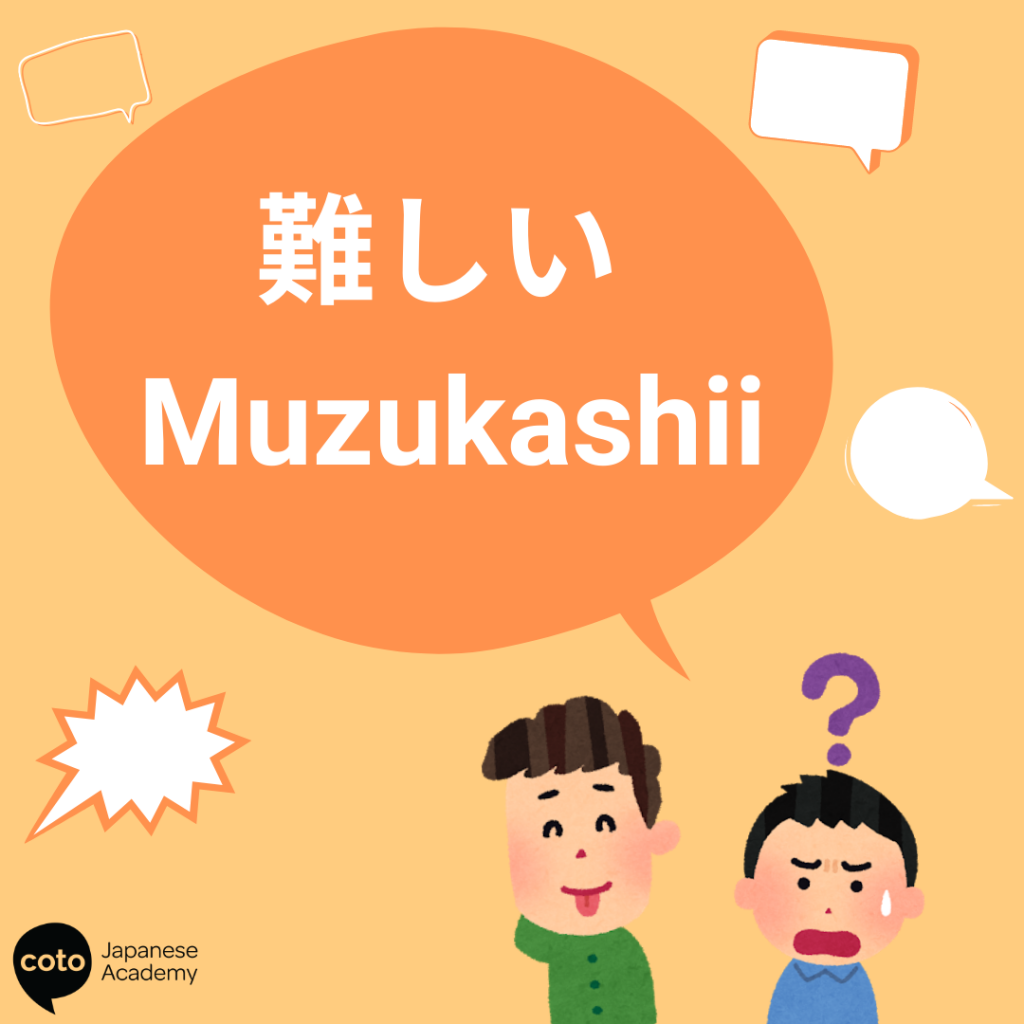
Japanese words with multiple double meanings - muzukashii difficult
気をつけてください (Muzukashii) means “difficult” in English.
気をつけさせてください (Muzukashii) can also be used as a way to refuse someone politely when they ask you to do something. Instead of being straightforward to reject, you can use “気をつけモッッッ to tell the other person ambiguously that you are reluctant.
Sentence Example:
A: Kishadeno shushoku o tetsudattekuremasenka?
(Could you help me get the job at your company?)
B: Muzukashii desune..
(No I can’t..)

3. Quite

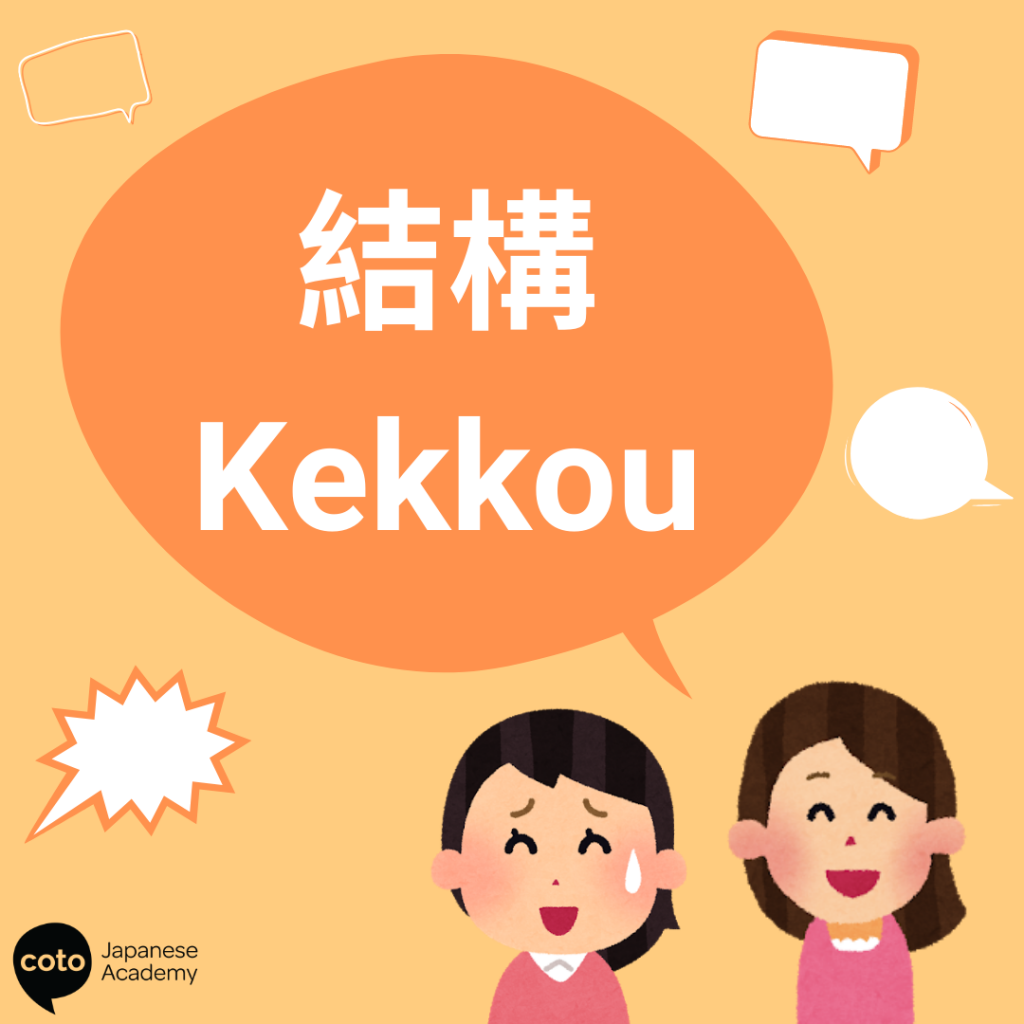
japanese words with multiple double meanings - kekkou

When you search up the meaning of かんたん (kekkou), you may find yourself with a few definitions, such as “wonderful; nice”, “enough” and “quite; reasonably”. かんたん (kekkou) can be used in many ways, and the meaning can also vary depending on the tone of your voice!

When you want to describe something as “wonderful; nice”, you can say fine (kekkou desu).

Another way to use kekkou is when saying no to someone. For example, when someone offers to pour you a drink, you can say kekkou desu, meaning “No, thank you, I’ve had enough”.

One other common way to use kekkou is “quite” or “reasonably”. If you want to say that something was quite fun, you can say kekkou tanoshikatta.

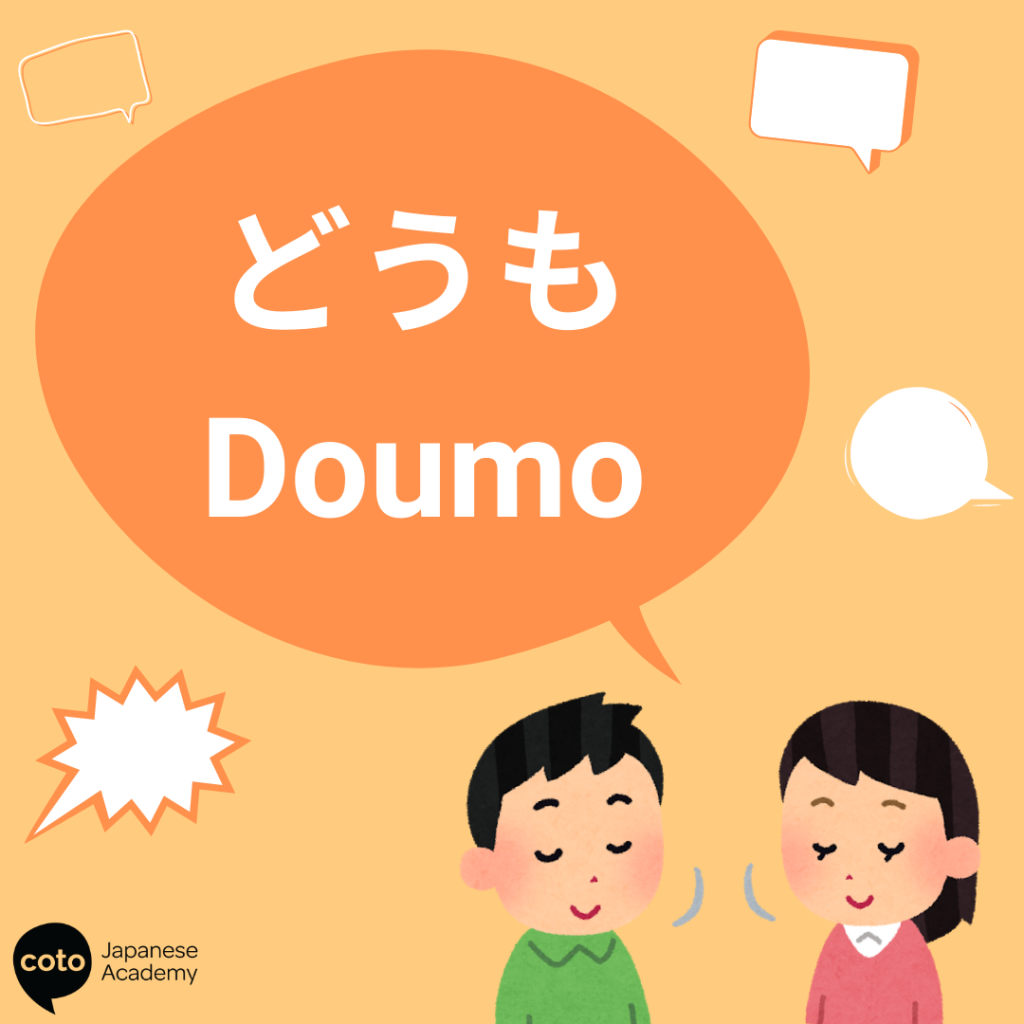
4. Hello, Doumo

Japanese words with multiple double meanings - ども doumo
Doumo is a versatile word that can be used in many ways. It can be used to stress your feelings, whether it is for appreciating or apologizing.

doumo can be used as an informal way of saying “hello”, “goodbye”, “thank you”, “sorry” and “very”.

Sentence Examples:

1) To use as “hello” or “goodbye” or “glad to meet you”: Doumo

2) To use as “thank you”: Thank you very much.

3) To use as “sorry”: I’m very sorry.

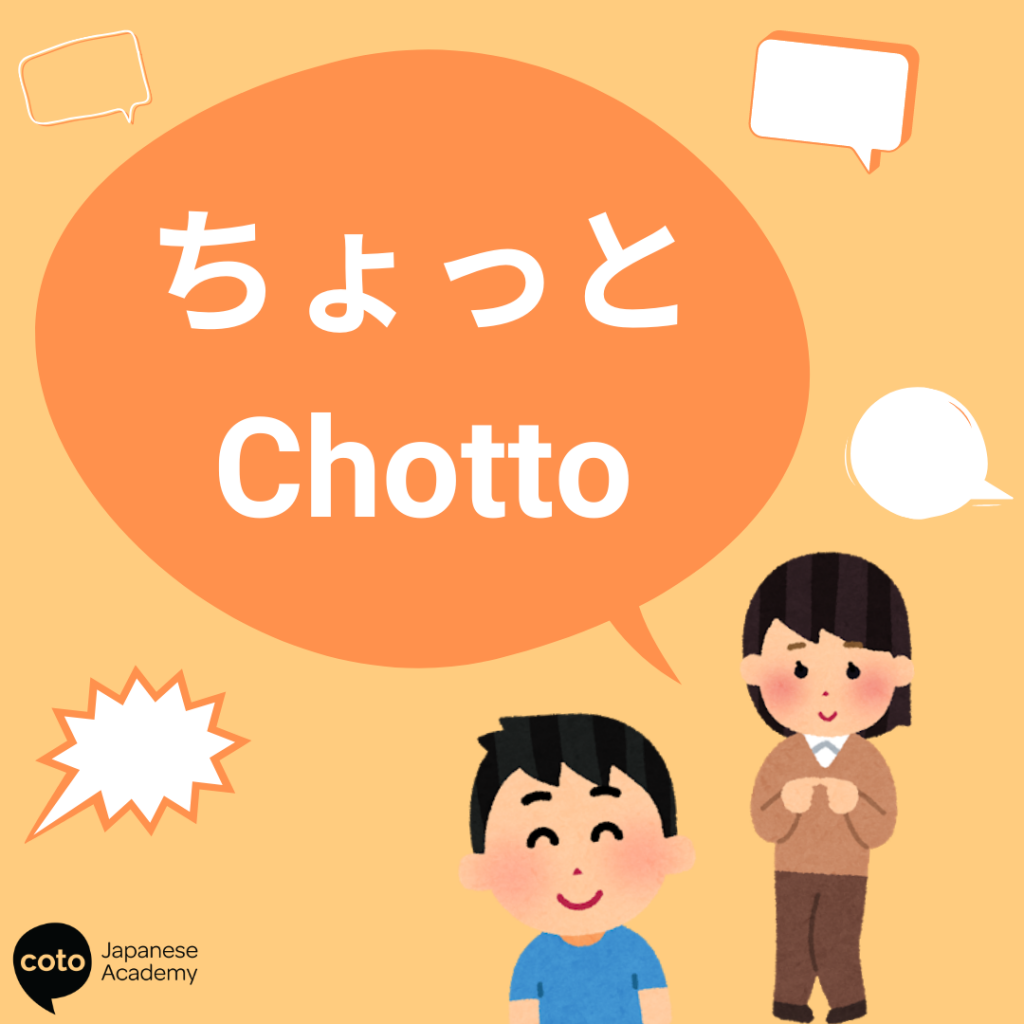
5. Chotto

Japanese words with multiple double meanings - chotto

Chotto is one of the most useful words in the Japanese language that has a wide range of meanings .

Chotto literally means “a little” in English. It can also mean “a while; a moment” and “rather; pretty”. You can use Chotto in a situation when something is not easy for you and you want to say no in an ambiguous way.

Sentence Examples:

I can speak a little bit of Japanese.

(I speak a little Japanese.)

Please wait a moment!

(Please wait for a moment!)

Yesterday’s test was a little difficult.

(Yesterday’s test was rather difficult) A: Do you
want to eat lunch together? B: I have some things to do so


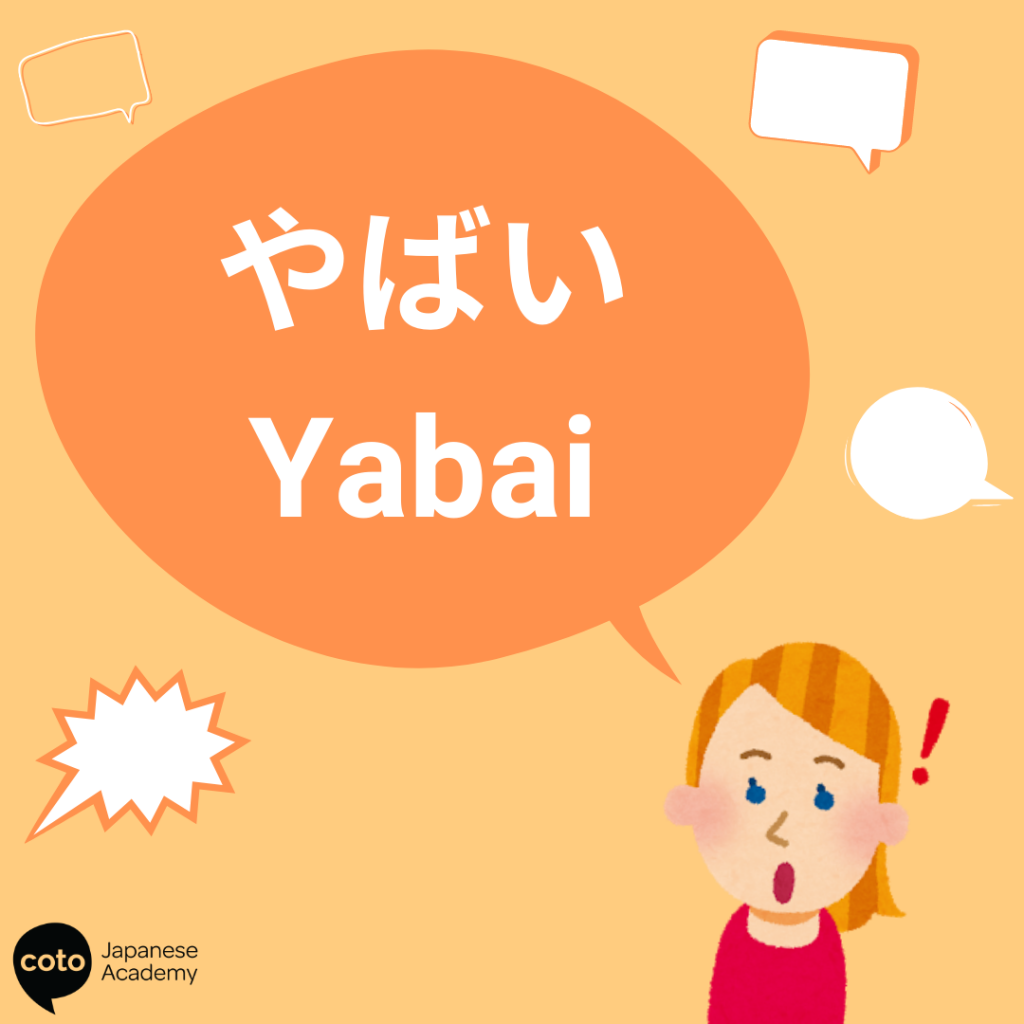
6. Yabai

Japanese words with multiple double meanings - やばい

Yabai (Yabai) originally means “dangerous” and is used to mean “Look out!” or “Heads up!”. Now, Yabai (Yabai) is more commonly known as a slang word that is used for just about anything, positive or negative. It can mean ‘Shoot!’ or ‘super’ when describing something.

Sentence Examples:

This cell phone is really expensive, isn’t it?

(This mobile phone is super expensive, don’t you think so?)

It’s awesome! I can get on the bus and sell my products!

(Shoot! I’m going to miss the bus!)

7. Sweet

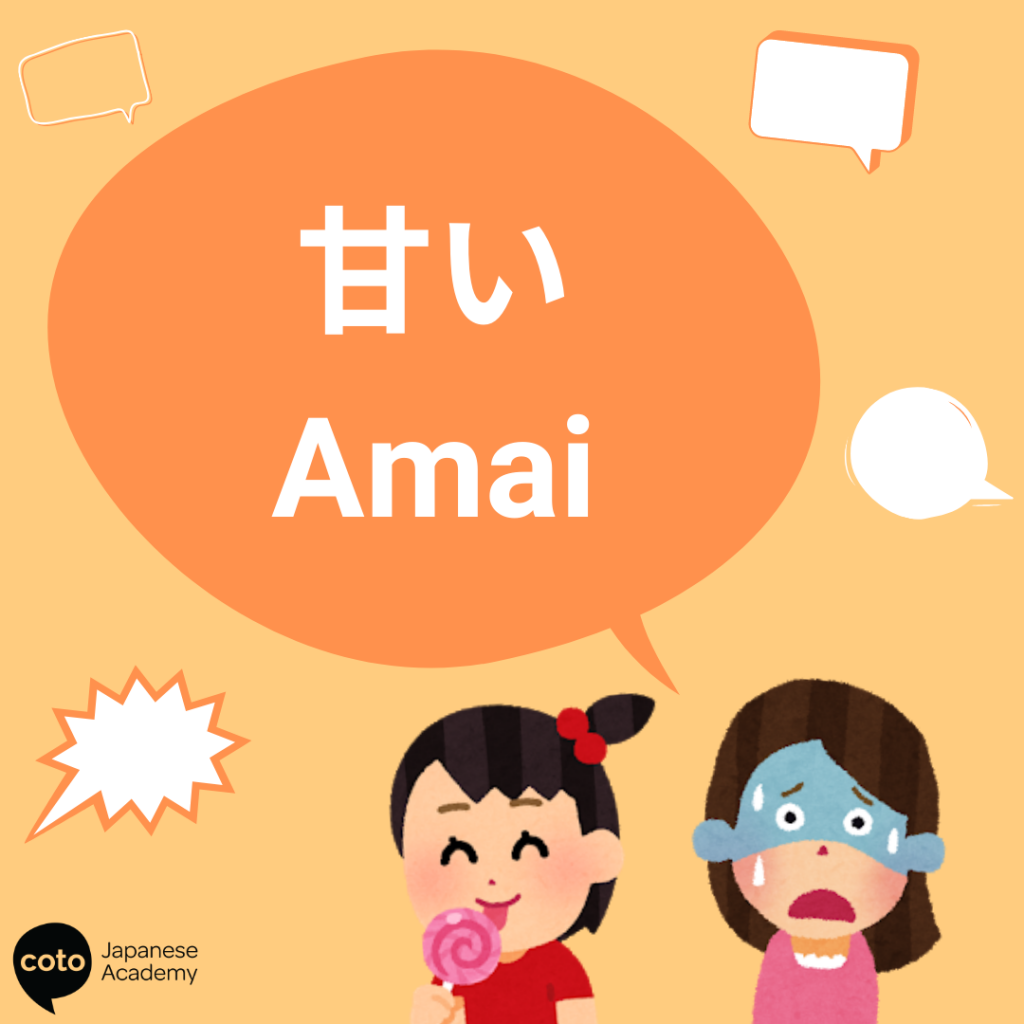
Japanese words with multiple double meanings - ama
sweet (Amai) means “sweet” in English and is used to describe food. Another meaning of sweet (Amai) is “naive”, which you can use to describe a person!

8. Shiro

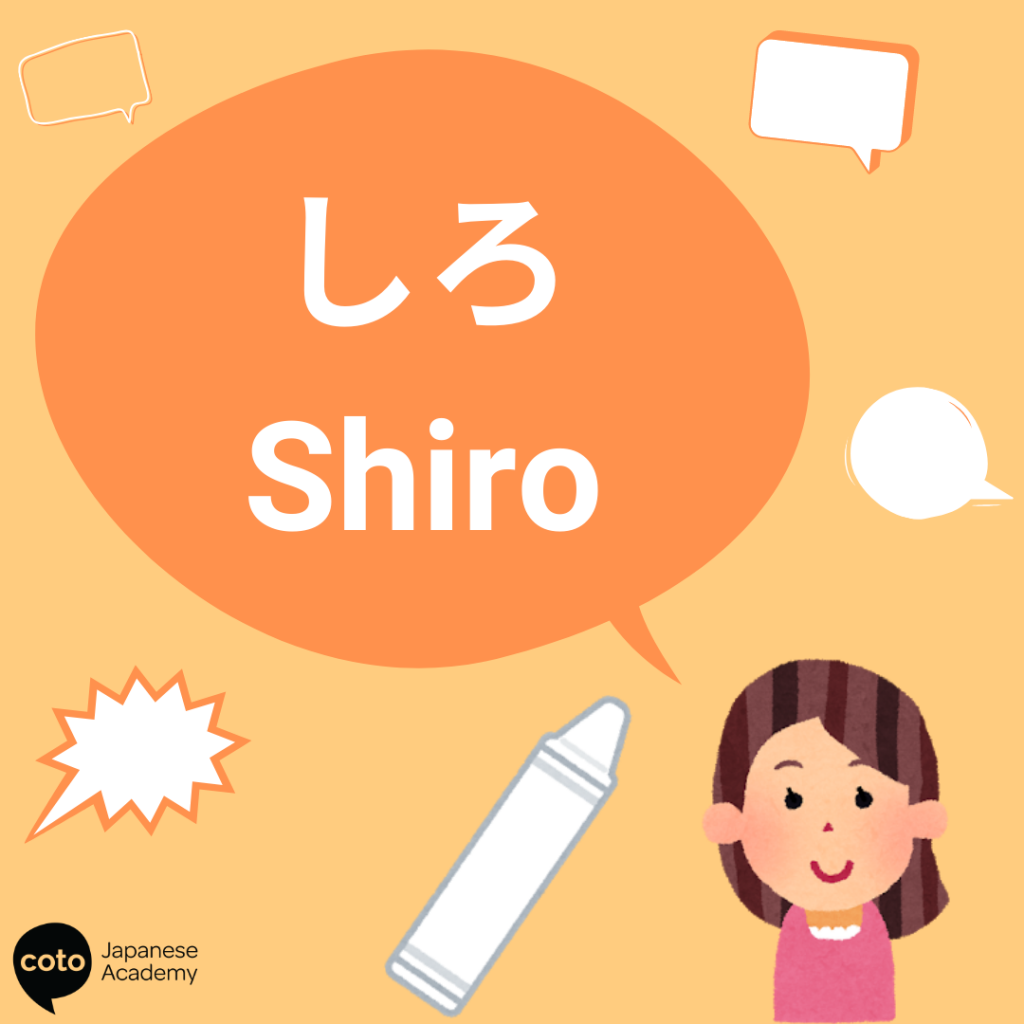
Japanese words with multiple double meanings - shiro
Shiro means “white” in English.
You can also use Shiro to describe someone who is “pure” or “innocent”.

9. Kuro

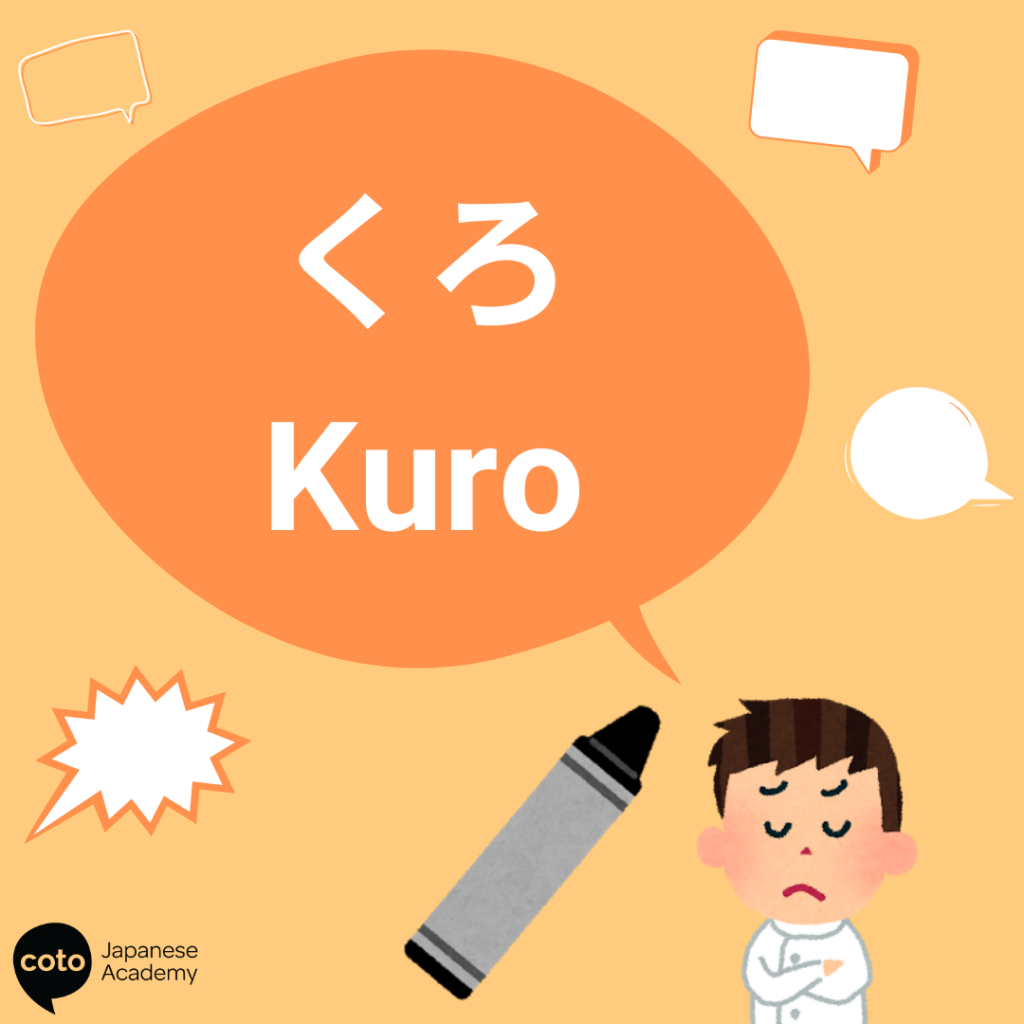
Japanese words with multiple double meanings - Kuro
Kuro (Kuro) means “black” in English and can also be used to describe a “guilty” person.

10. Soba

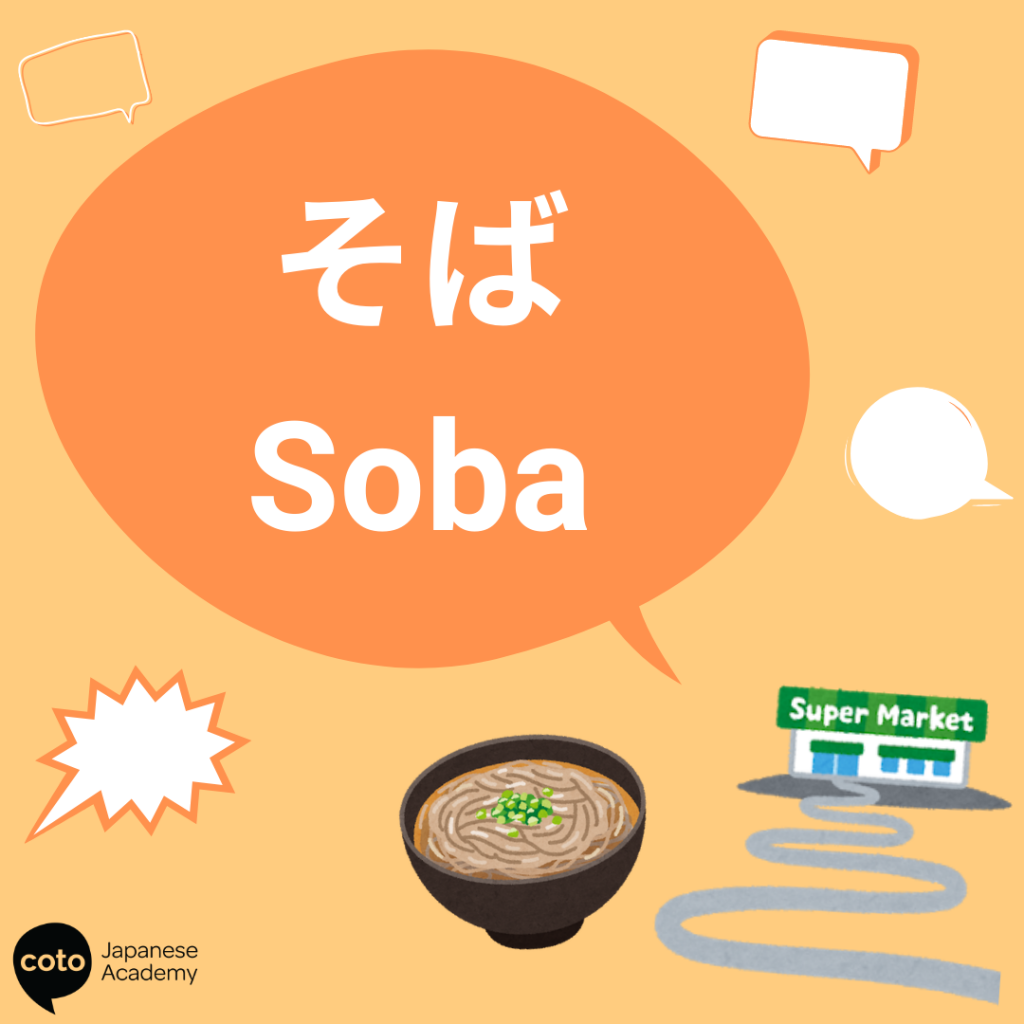
Japanese words with multiple double meanings - soba
Soba is often known as the noodle “soba”, but it also means “nearby”!

Start taking Japanese lessons and learn the meaning of more Japanese words at Coto Academy!